2024-25 Delegations Initiative Project
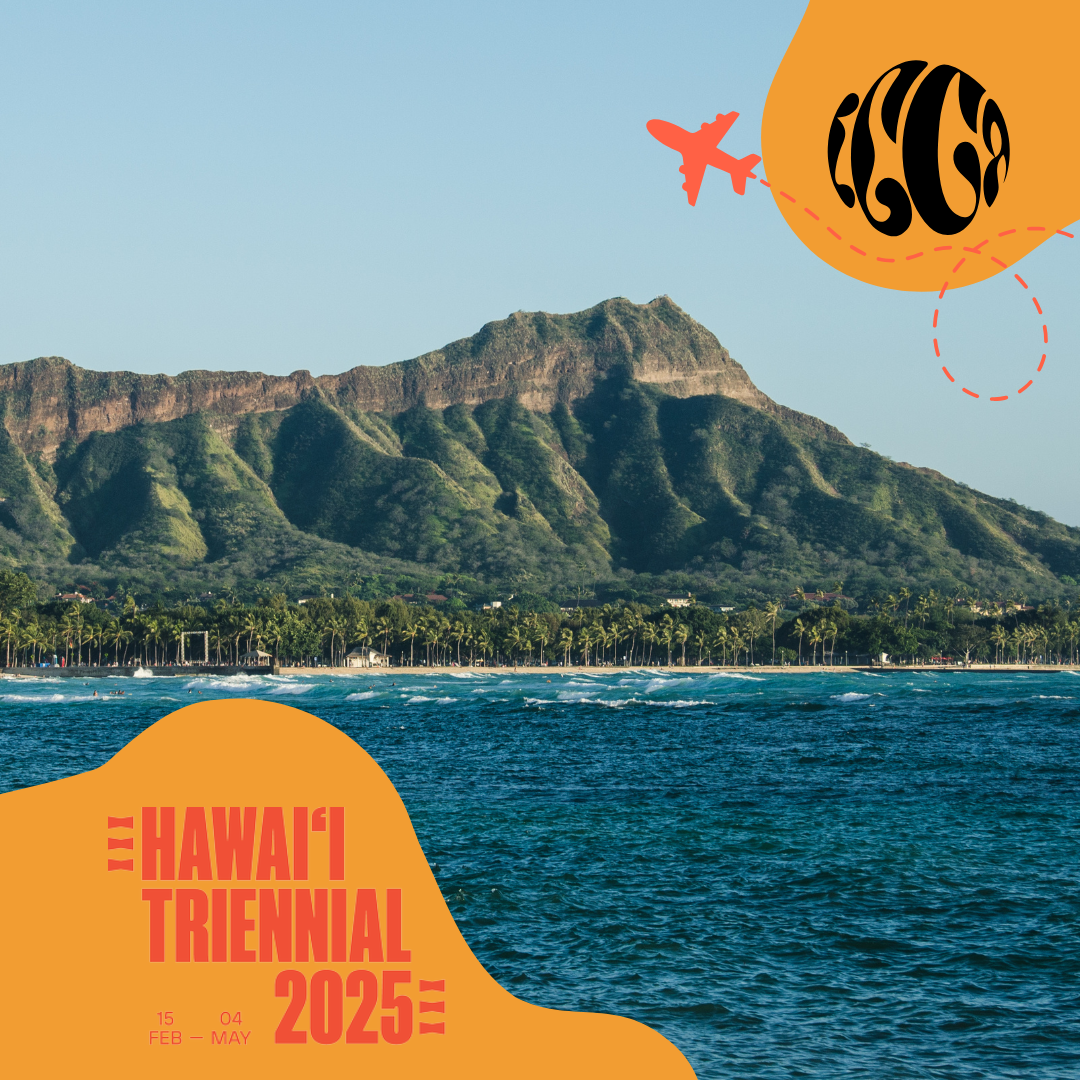
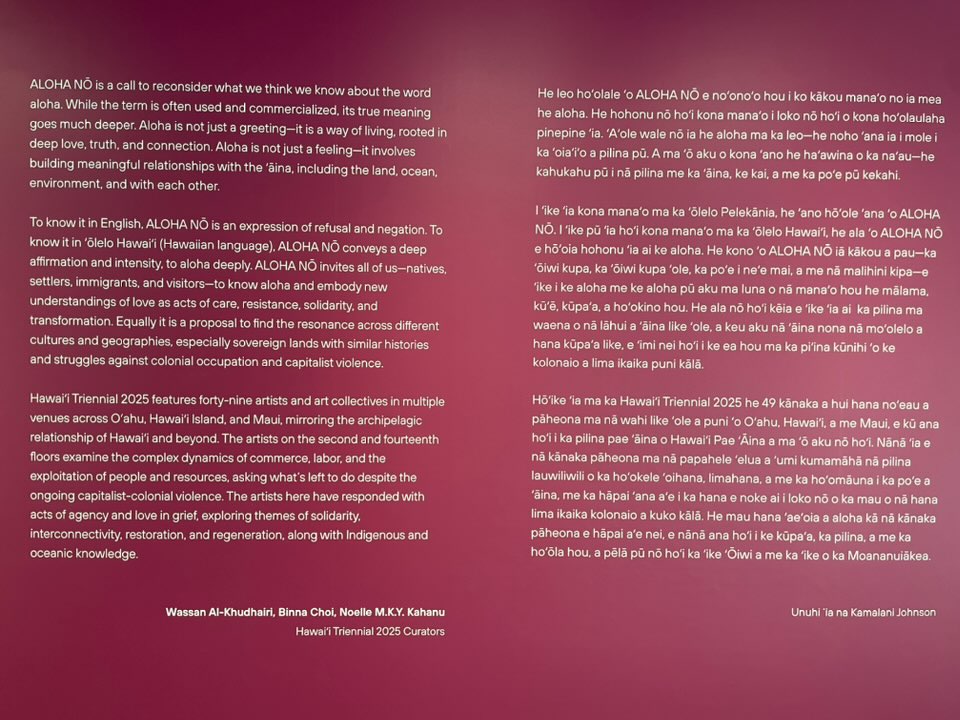
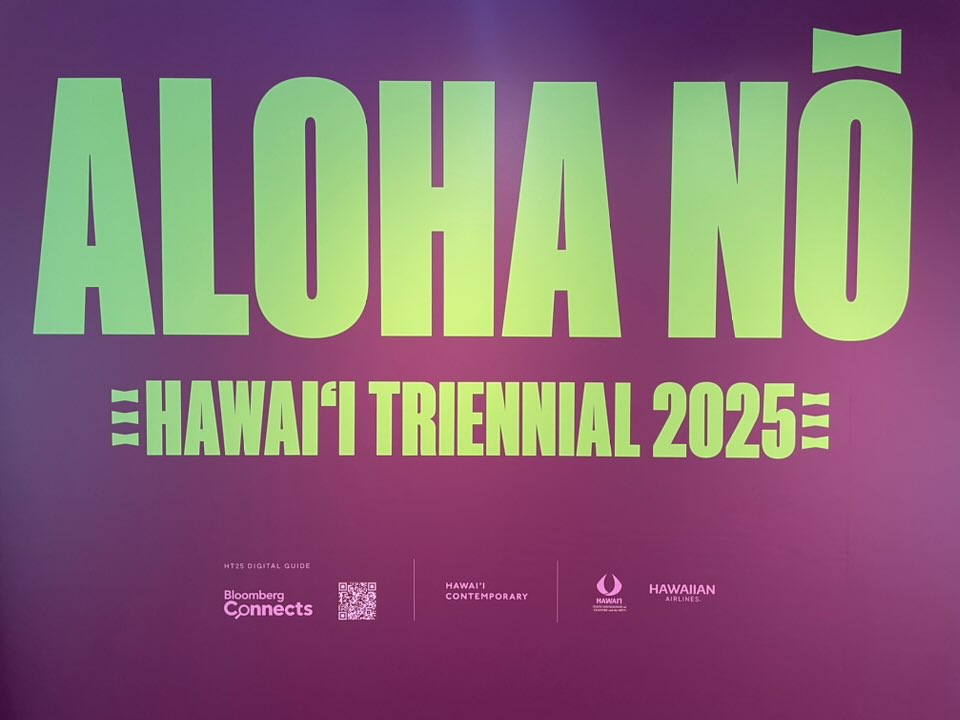
Honolulu, Hawai’i – Hawai’i Triennial (Feb. 14-18, 2025)
Meet the Hawai’i Delegates
 Becca Taylor (Cree/Irish/Scottish) is an artist, curator and assistant professor at MacEwan University. She is a registered member of Fisher River Cree Nation, MB, and was born and raised in amiskwacîwâskahikan (Edmonton), AB. Her practice involves investigations of community building and Indigenous placemaking, through hosting and gathering practices. Becca has curated various exhibitions across Turtle Island. Notably, Becca co-curated the 4th iteration of La Biennale d’art contemporain autochtone (BACA) with Niki Little, entitled níchiwamiskwém | nimidet | my sister | ma sœur (2018), co-led land-based residency, Common Opulence (2018), in Northern Alberta and curated Mothering Spaces (2019) at the Mitchell Art Gallery. Becca participated in a curatorial consortium for the program Crossing: Itineraries of Encounters at the Blackwood Gallery, contributing the second set: Living Memories (2021). Becca was the inaugural Executive Director (2018 – 2024) of Ociciwan Contemporary Art Centre where she curated projects and community initiatives in collaboration with the core-membership such as in memoriam… (2017), kamâmak nihtâwikihcikan (ongoing), and Ghost Stories (2023) She is actively involved in curating and advocating for Indigenous and marginalized groups’ representation within Public Art. In 2023, she was a part of a curatorial team in the selection of artist Michelle Sound to create Sipikiskisiw (Remembers Far Back), for amiskwacîwâskahikan’s Telus Bus Station. She was also a jury member for the 2023 Edmonton Urban Design Awards.
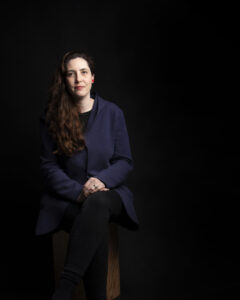 Tiffany Shaw is a Métis architect, artist and curator based in Alberta. She holds a BFA from Nova Scotia College of Art and Design (NSCAD) University, a Masters in Architecture from the Southern California Institute of Architecture (SCI-Arc) and is currently working at Reimagine Architects and recently started an Indigenous owned consulting company, named Reimagine Gathering. Shaw has exhibited widely including the Architecture Venice Biennale, Winnipeg Art Gallery, Pier 21, Agnes Etherington Art Centre and the Chicago Architecture Biennial. She has been the recipient of multiple public art commissions such as Edmonton’s Indigenous Art Park and Winnipeg’s Markham Bus Station. Among her public art projects Tiffany has produced several notable transitory art works and is a core member of Ociciwan Contemporary Art Collective.
Oscillating between digital and analogue methodologies Shaw’s work gathers notions of craft, memory and atmosphere. Her practice is often guided by communal interventions as a way to engage a lifted understanding of place. While born in Calgary and raised in Edmonton, Shaw’s Métis lineage derives from Fort McMurray via Fort McKay/Fort Chipewyan and the Red River.
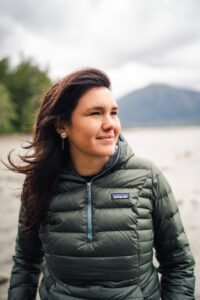 Marika Echachis Swan/ ƛ̓upinup (Tla-o-qui-aht/ Nuu-chah-nulth) is a mother, artist, and community arts organizer of mixed Tla-o-qui-aht, Scottish, and Irish descent. Her main creative practice explores feminist Nuu-chah-nulth values through woodblock printmaking, often layered with other visual arts techniques such as carving, stencil, and photography. Marika’s community-based work includes roots in Redwire Magazine, the Carving on the Edge Festival and repatriation advocacy through the Nuu-chah-nulth Living Archive. Based out of her home territory of Tla-o-qui-aht surrounding Tofino, BC, she has spent the last decade investing in elevated platforms for showcasing Nuu-chah-nulth art forms through established cultural community structures and by working with various system-based partners. Marika’s curatorial practice is focused on creating opportunities that nourish local artists and advocating for non-erosive practices for showcasing our cultural wealth and responsibilities to the public.
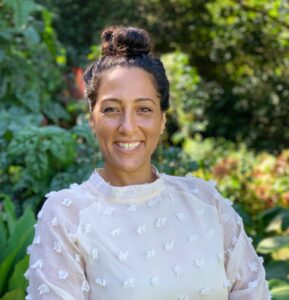 Mina Elison is a Kanaka ‘Ōiwi curator who was born and raised in Kailua on the island of O‘ahu. With generational ties to South Kona on Hawai‘i, Mina currently serves as Curator at the Donkey Mill Art Center in Kona, Hawai‘i, where she curates exhibitions and programming featuring local and international artists working with diverse media from kapa to film. She sees the gallery as a classroom, laboratory, and gathering space which inspires exploration, reflection, and healing; art can be a catalyst for meaningful and challenging dialogue. Embracing the kuleana (privileges and responsibilities) of her position as curator, Mina aims to develop collaborative exhibitions which amplify stories and perspectives of those whose voices have been suppressed, misrepresented, or have not yet been heard. Mina also oversees the Donkey Mill’s Artist Residency Program which brings artists from around the world to connect with the land, sea and people of Kona in meaningful ways and activate community. Believing that expressions of joy, kindness and aloha are powerful acts of resistance within the transactional and extractive systems under which we live, Mina is interested in exploring Indigenous and “alternative” ways of knowing, sharing and learning. Previously holding the position of Museum Curator at the Kona Historical Society, Mina earned Bachelor of Arts degrees in Anthropology and French from the University of San Diego and a Master of Arts degree in Museum Studies from New York University.
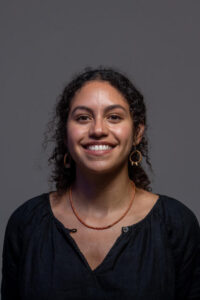 Jocelyn Flynn (She/her) is Notsi from Niu Ailan province, Papua Niugini with Anglo-Celtic linages. She is an emerging writer, curator, and Assistant Curator at the University of Queensland Art Museum. Her curatorial and cultural work responds to memories, stories and traditions of her heritage. She is particularly interested in the meeting points of geo-politics, history and culture in contemporary art from the Great Ocean region. As a curator, she has contributed to the curatorium of Mare Amoris | Sea of Love, UQ Art Museum (2023); How we remember tomorrow, UQ Art Museum (2024); and the 11th Asia Pacific Triennial of Contemporary Art, Queensland Art Gallery | Gallery of Modern Art (2024). She holds a Bachelor of Humanities (Art History) from The University of Queensland and has previously worked and volunteered for various institutional, commercial and community art organisations including QAGOMA (Brisbane); Institute of Modern Art (Brisbane); Metro Arts (Brisbane); and Milingimbi Arts and Culture (Milingimbi, NT). She has written texts for the Australian and Zealand Journal of Art; Outer Space, Brisbane; Ian Potter Museum of Art, Old Quad University of Melbourne; University of Queensland Society of Fine Arts; and Queensland University of Technology’s Post Datum.
Venice, Italy – Venice Biennale (Oct. 24-28, 2024)
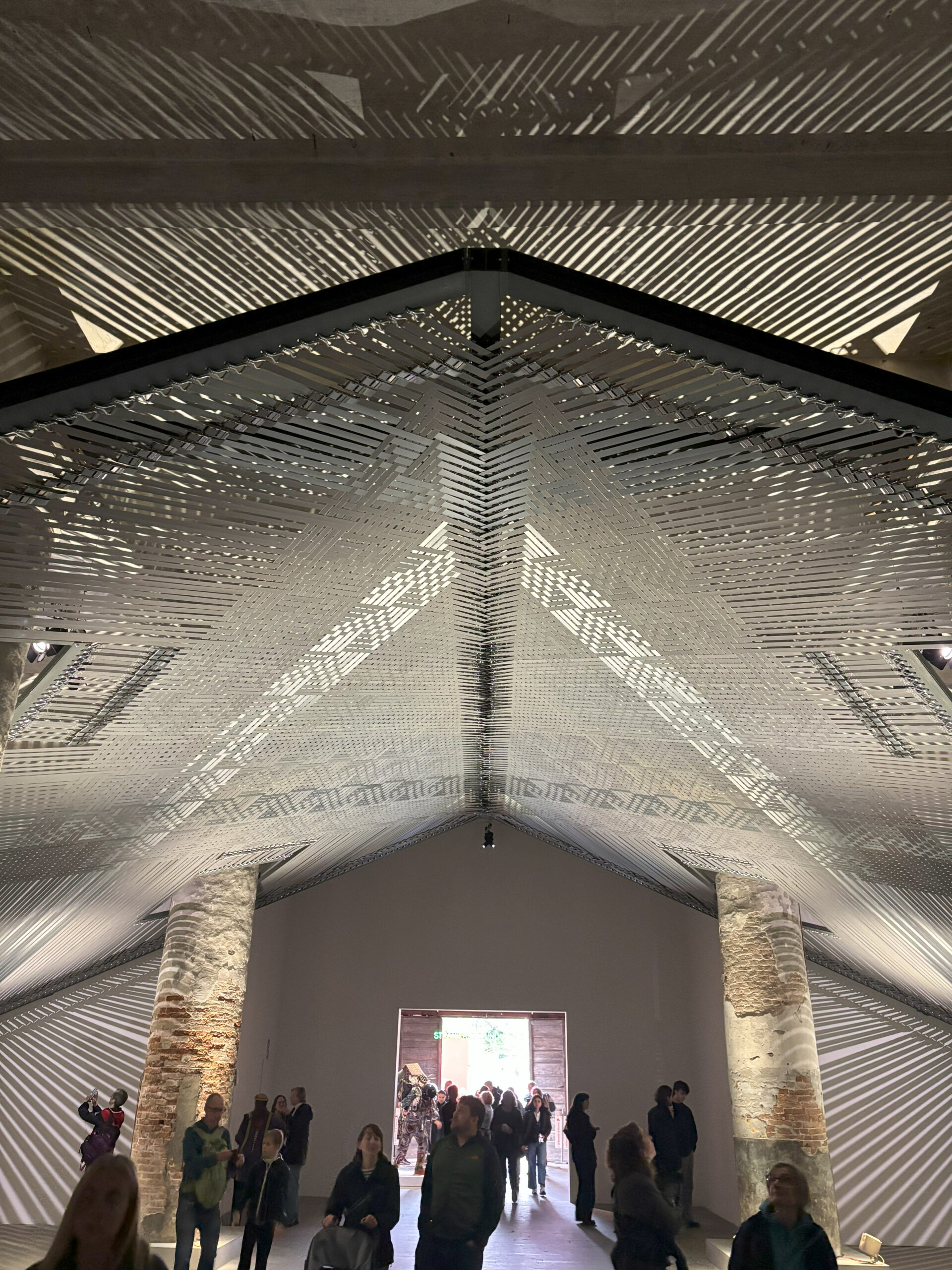
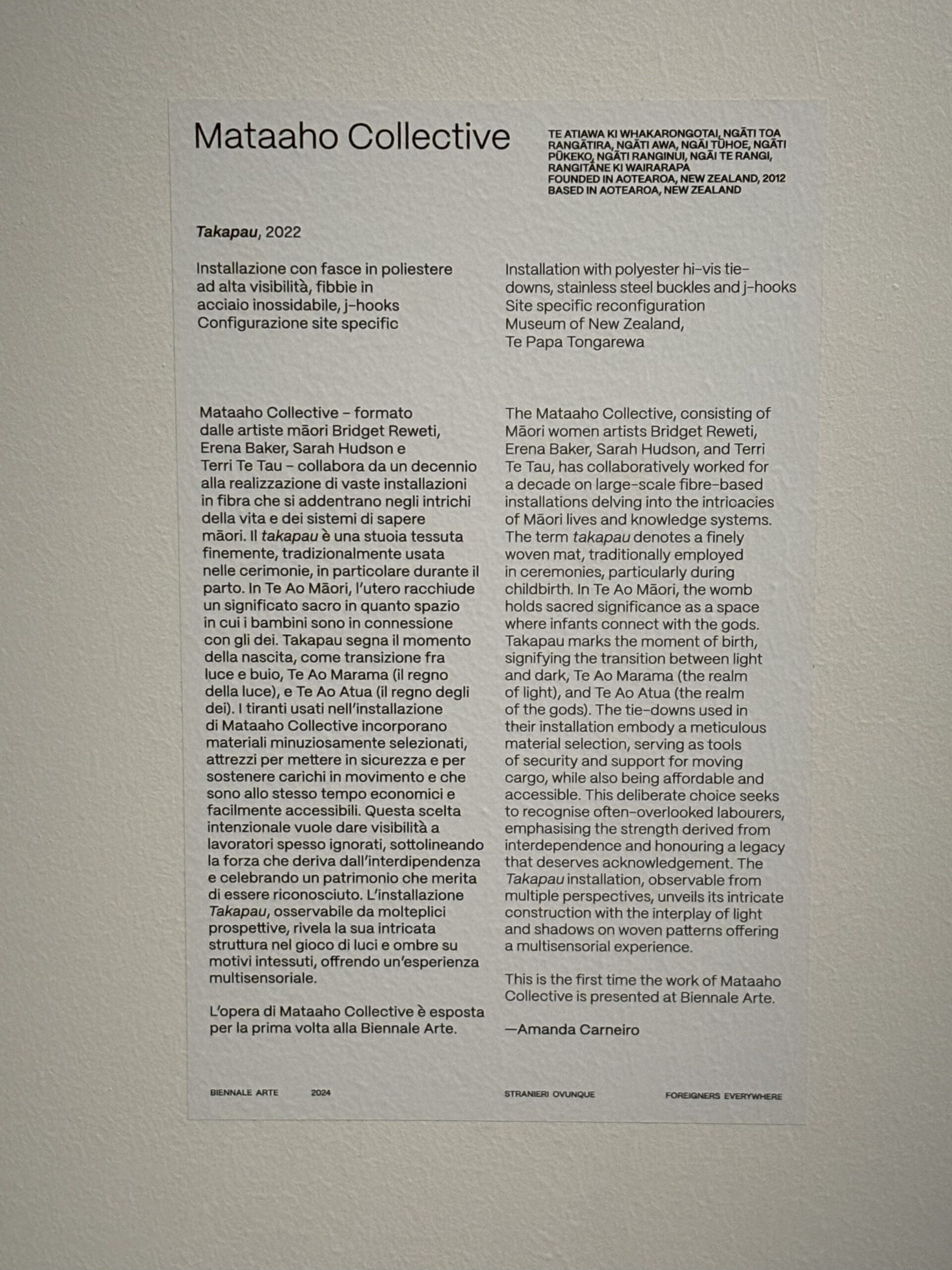
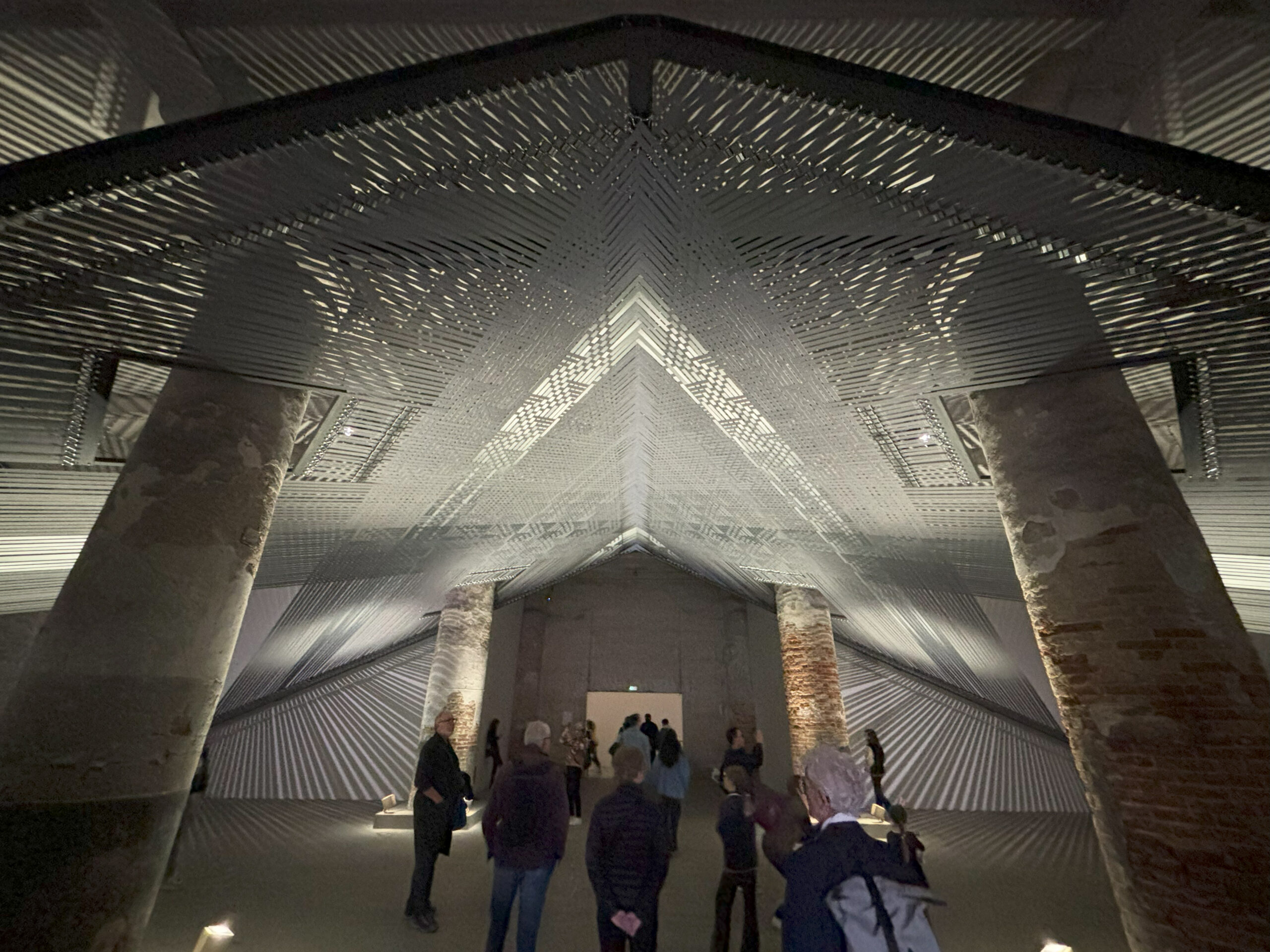
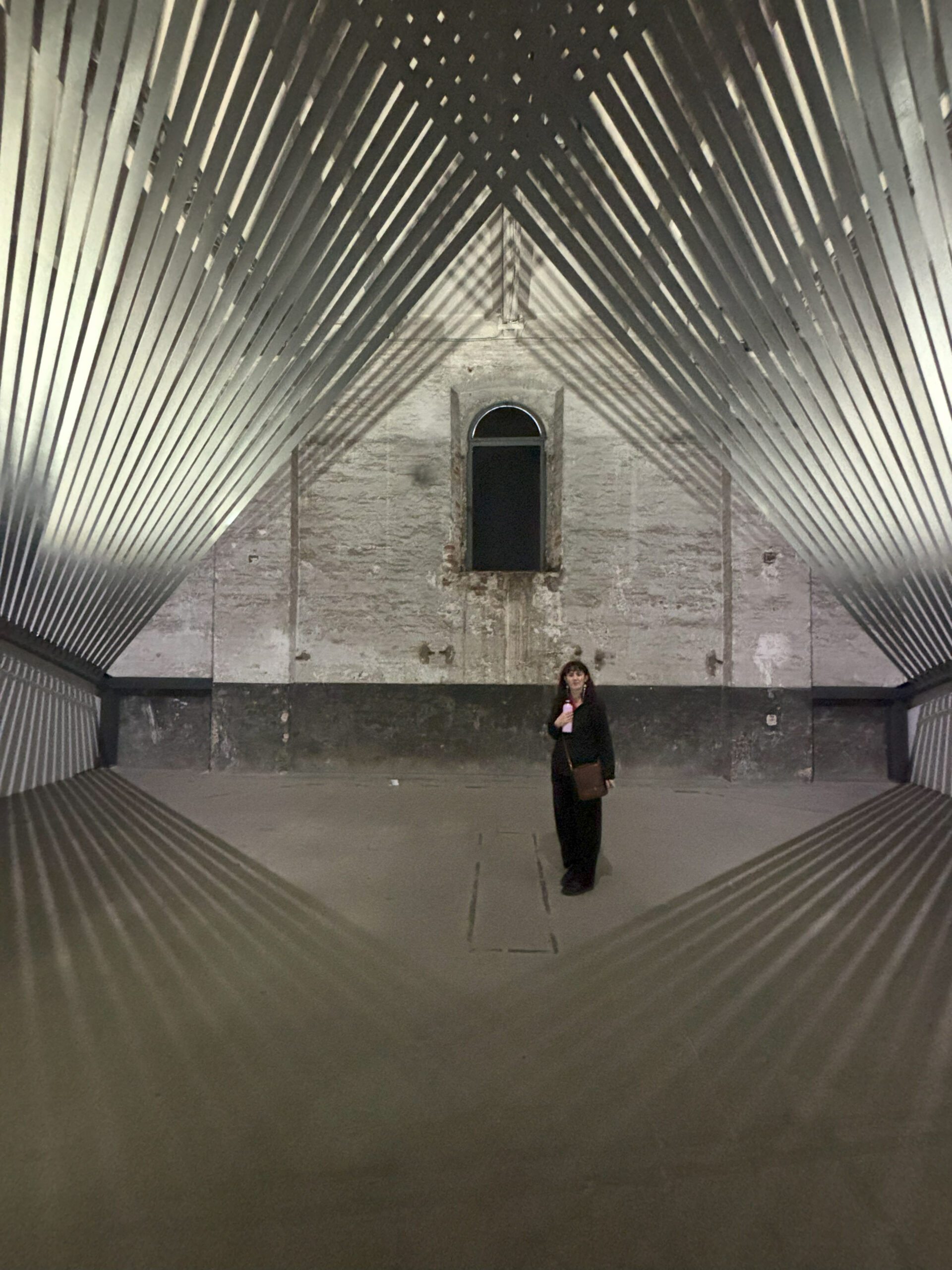
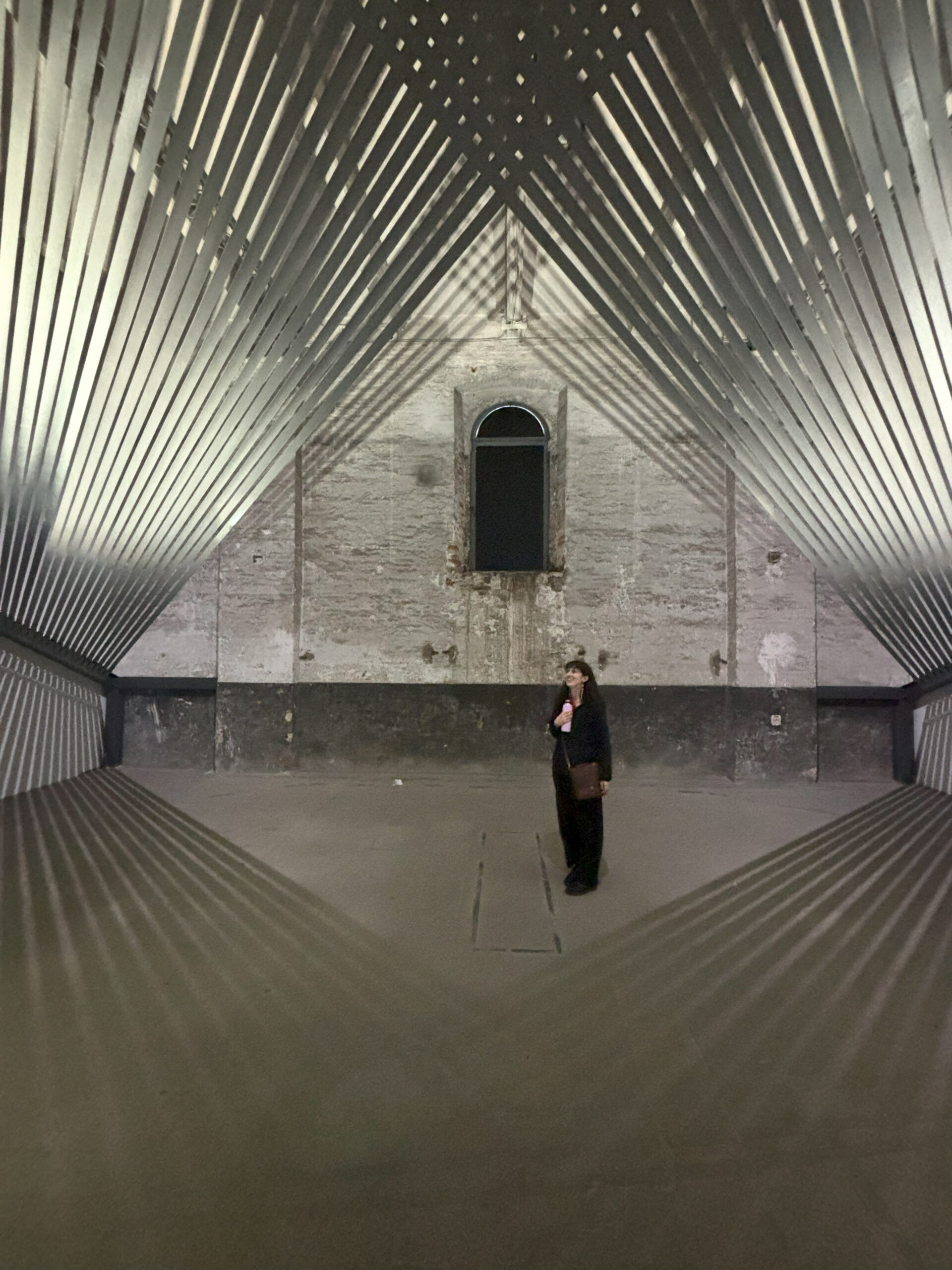
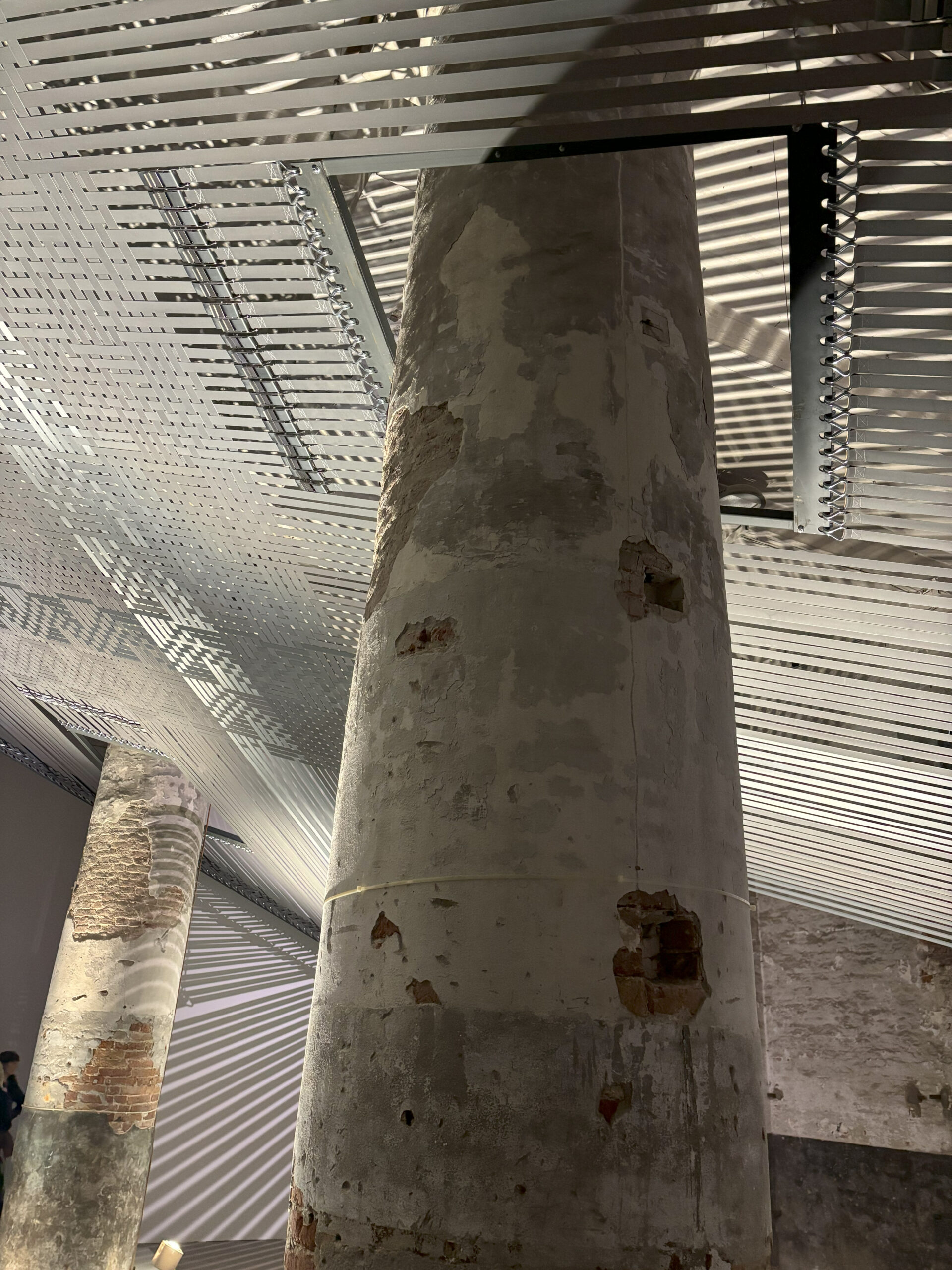
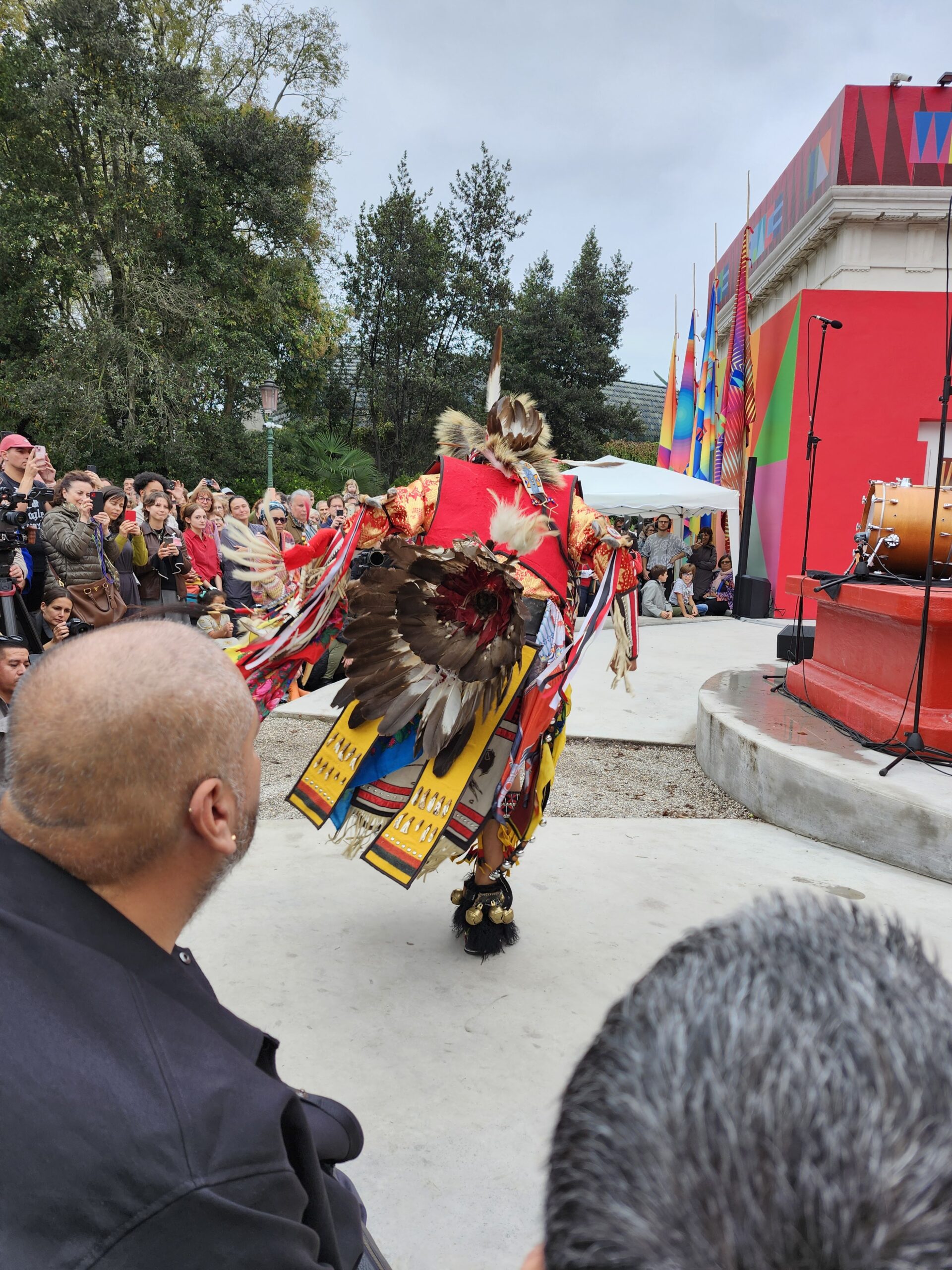
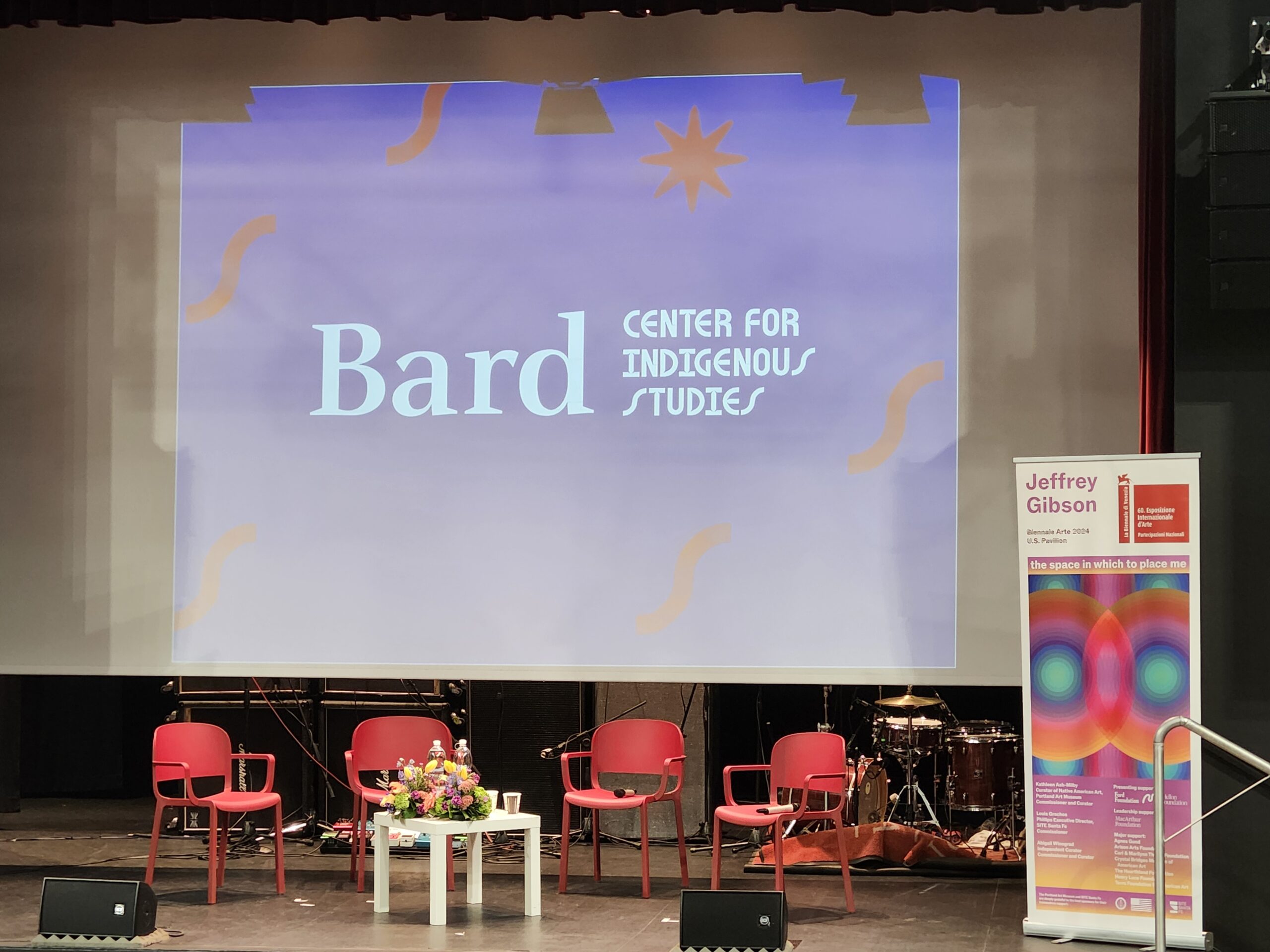
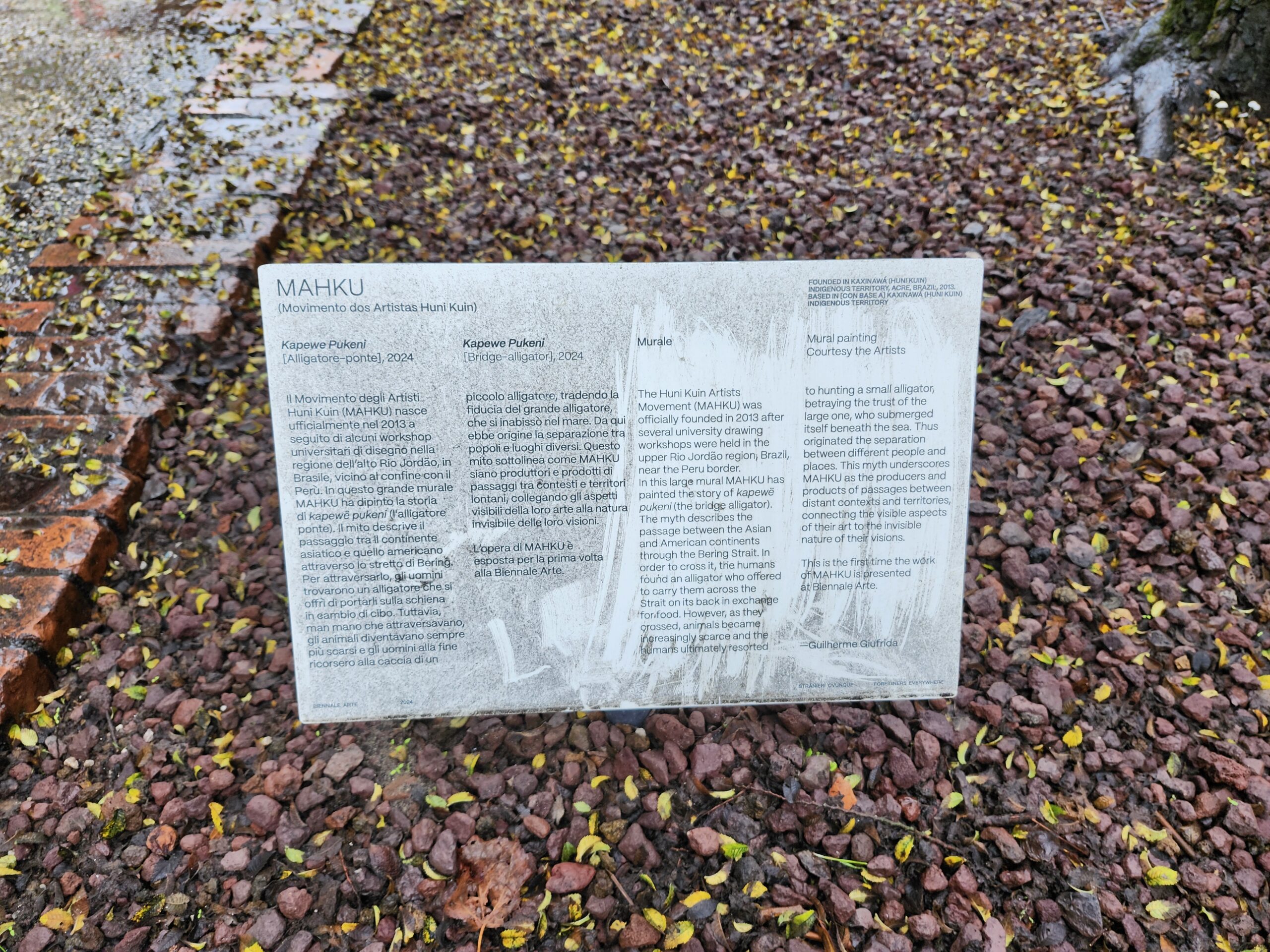
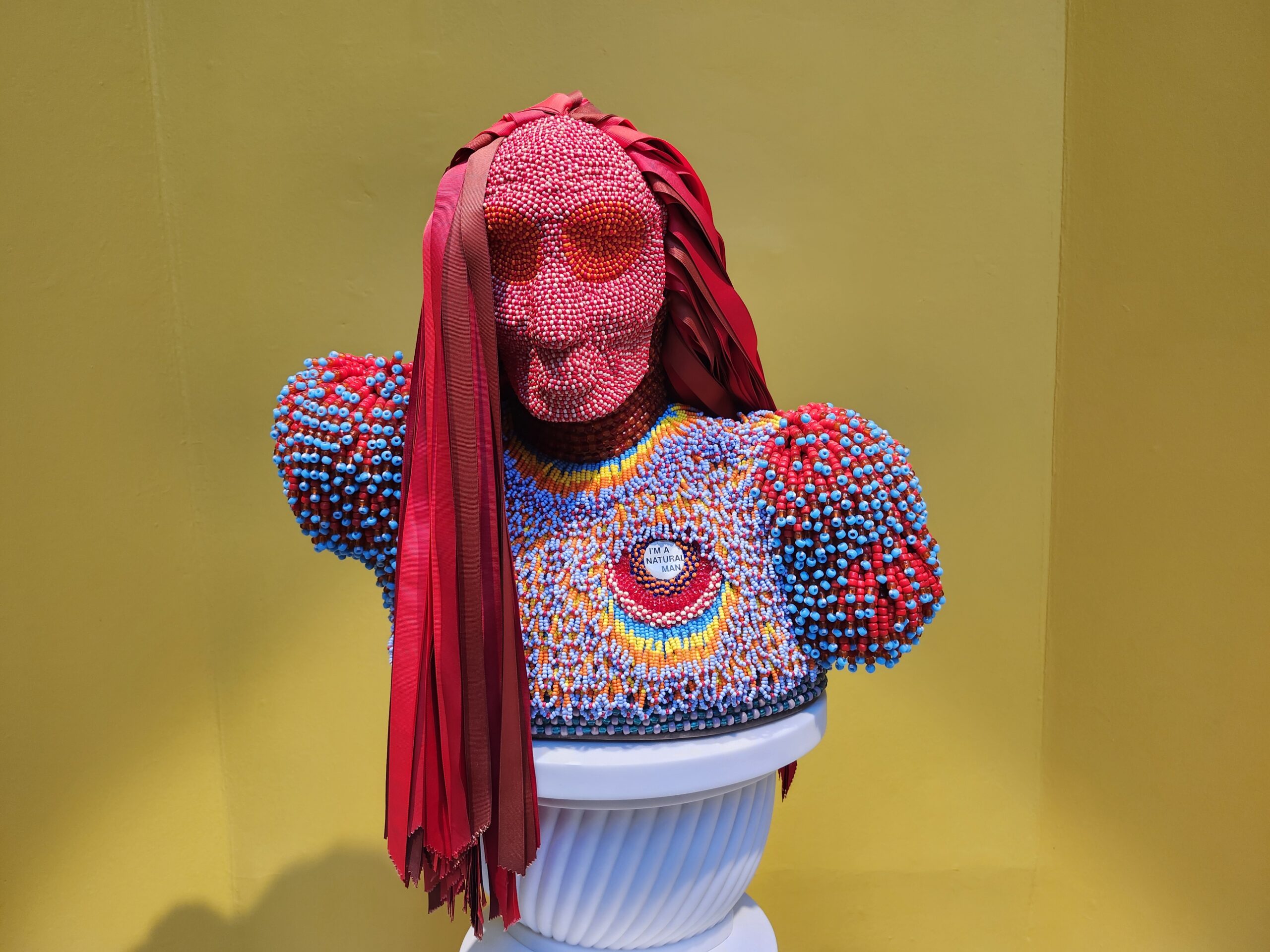
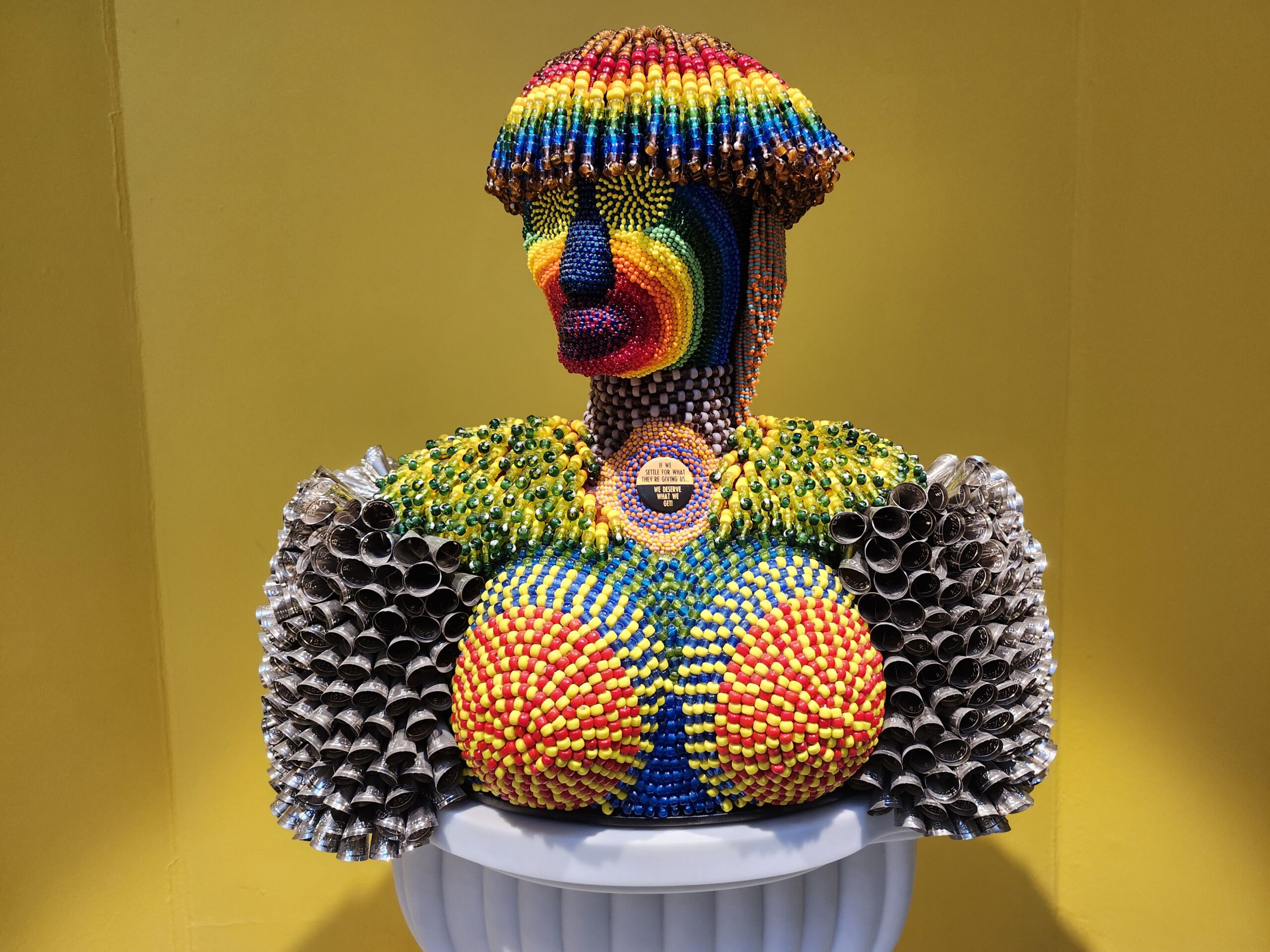
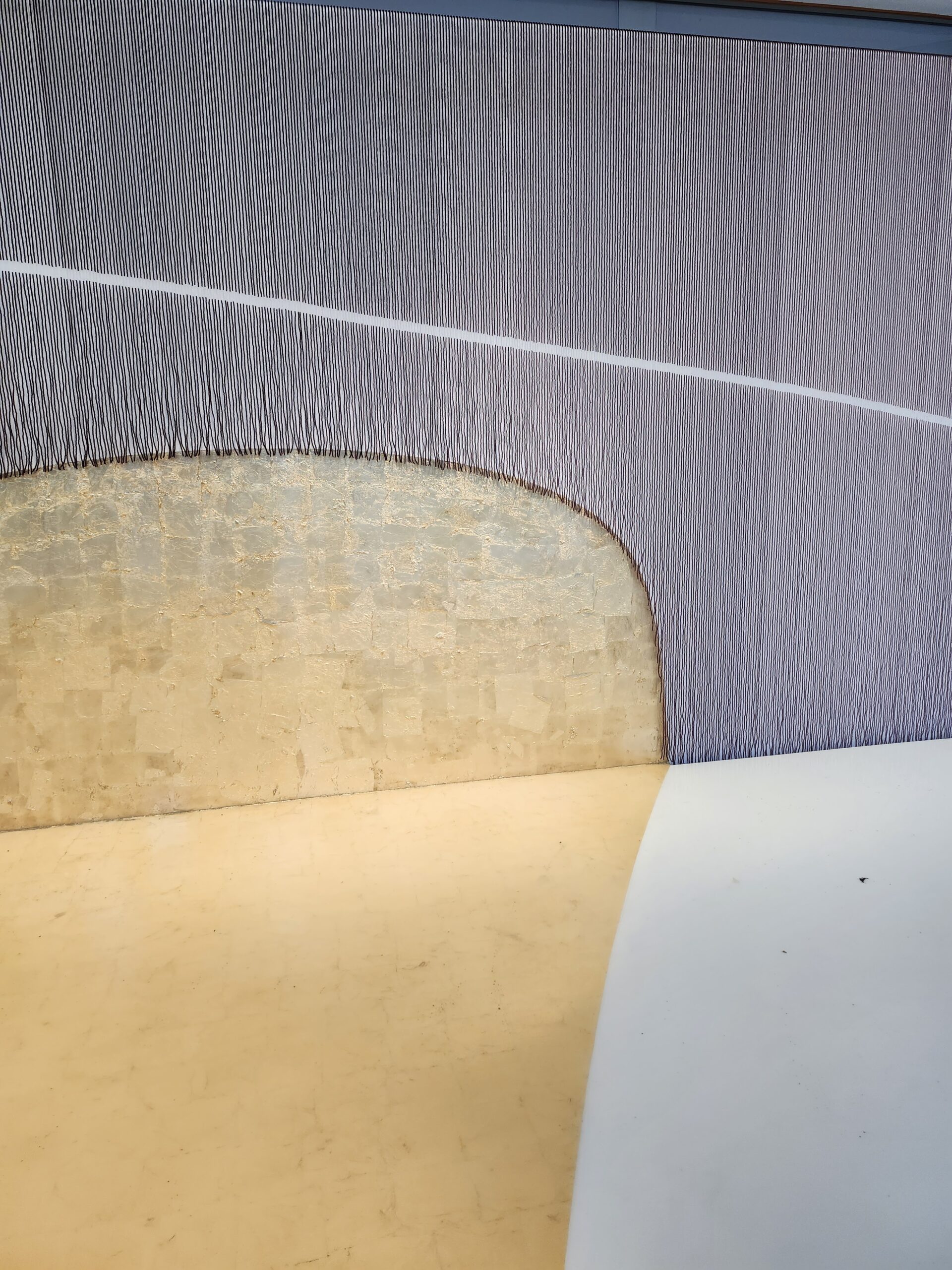
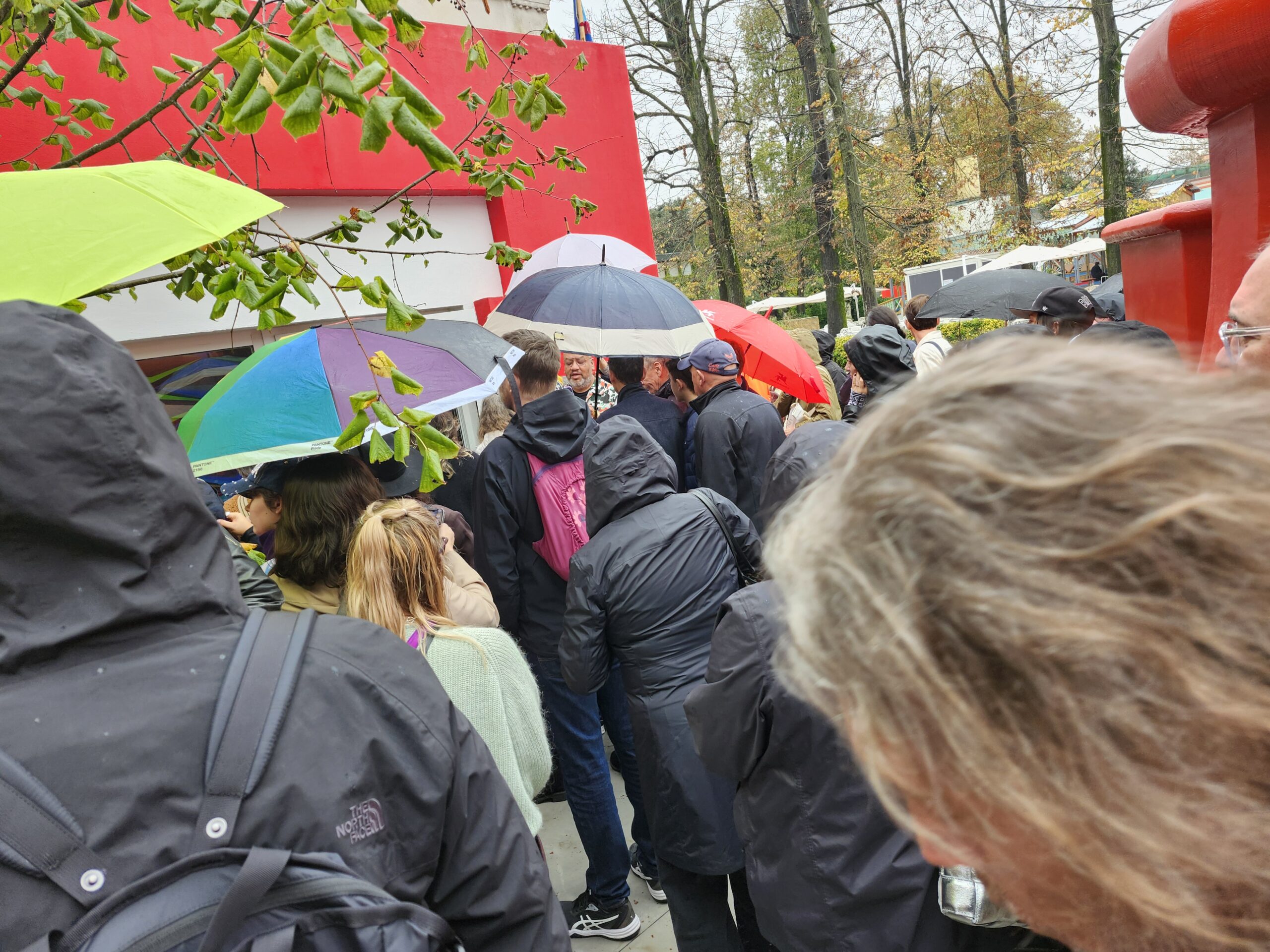
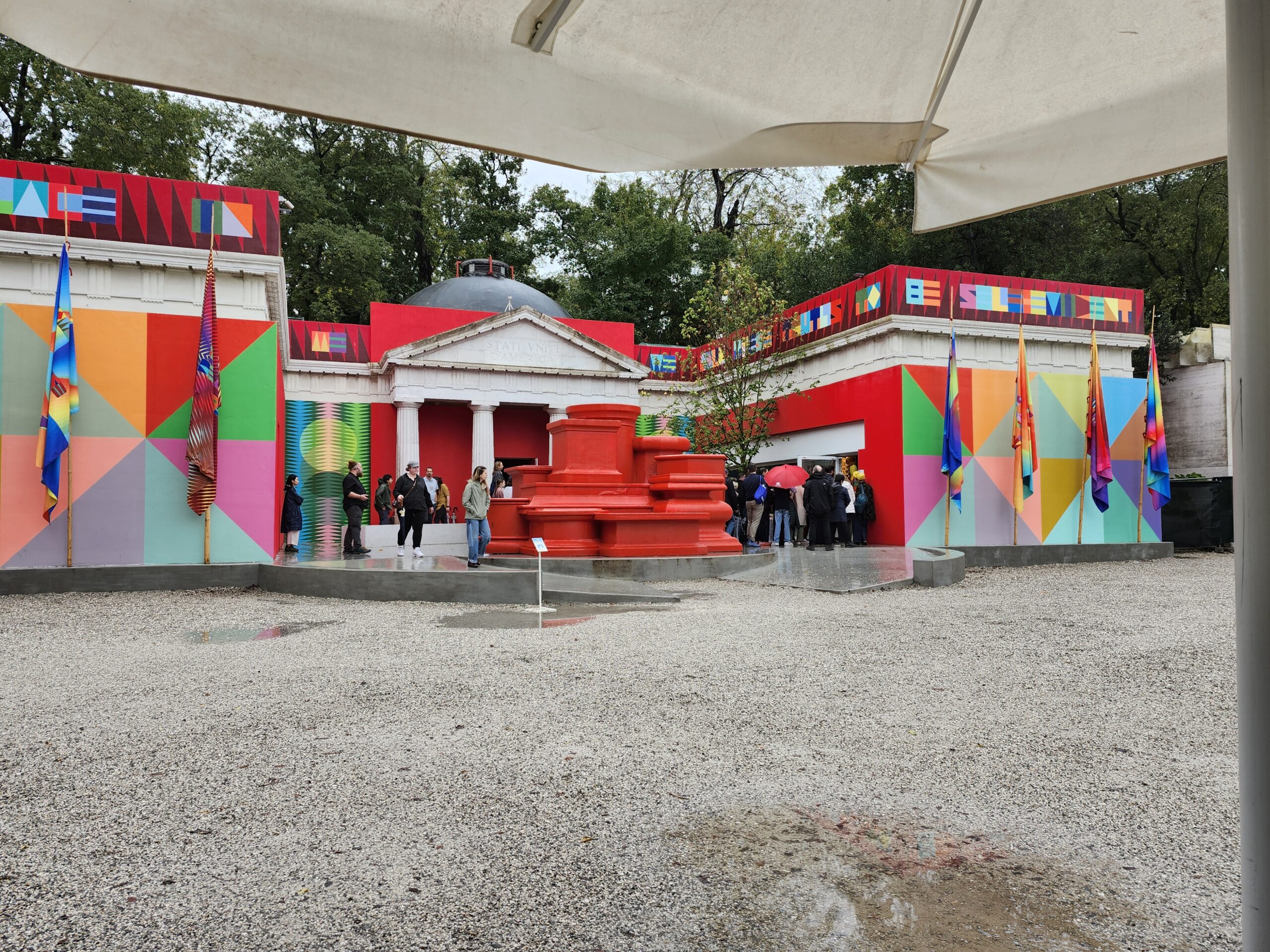
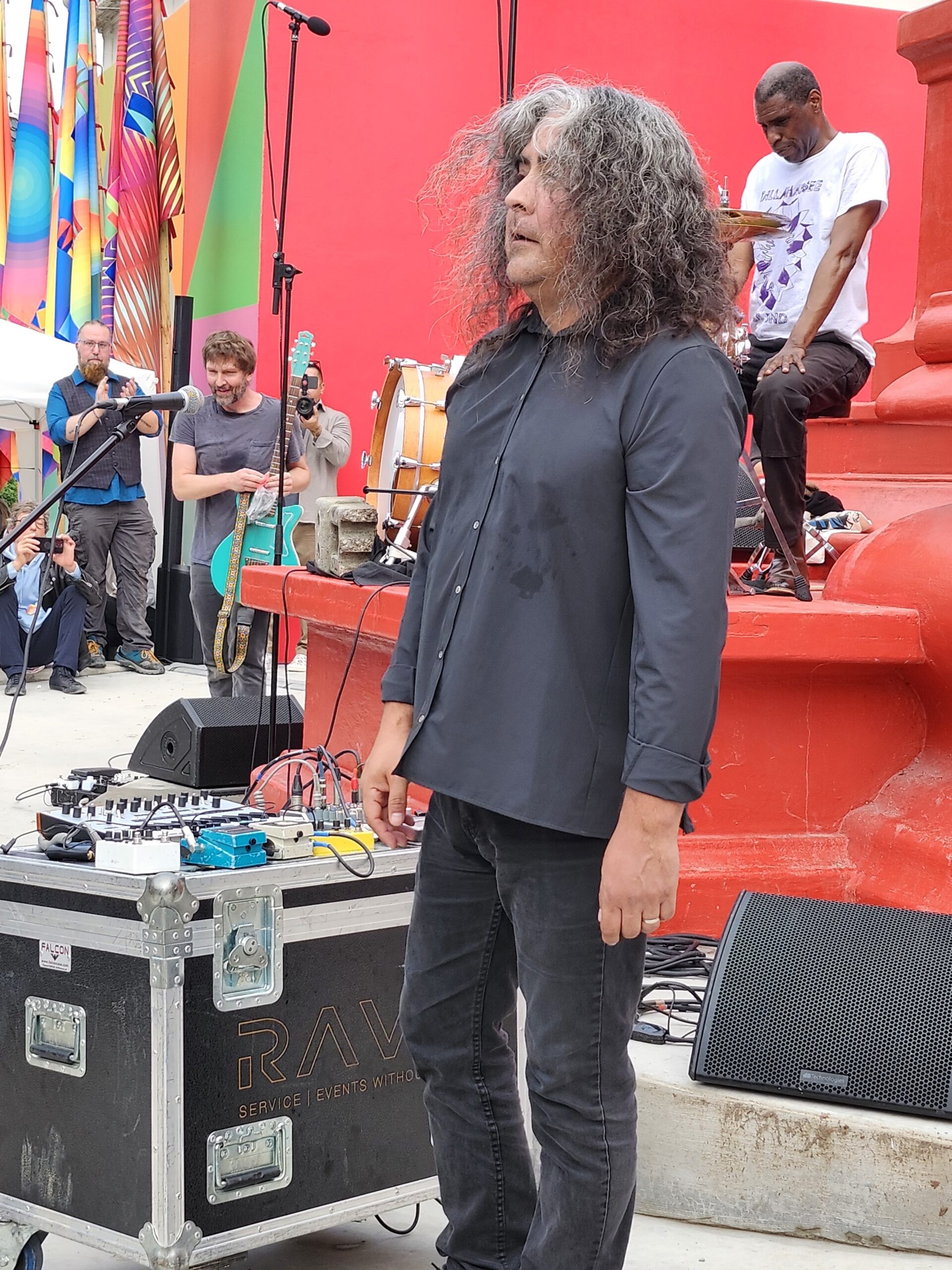
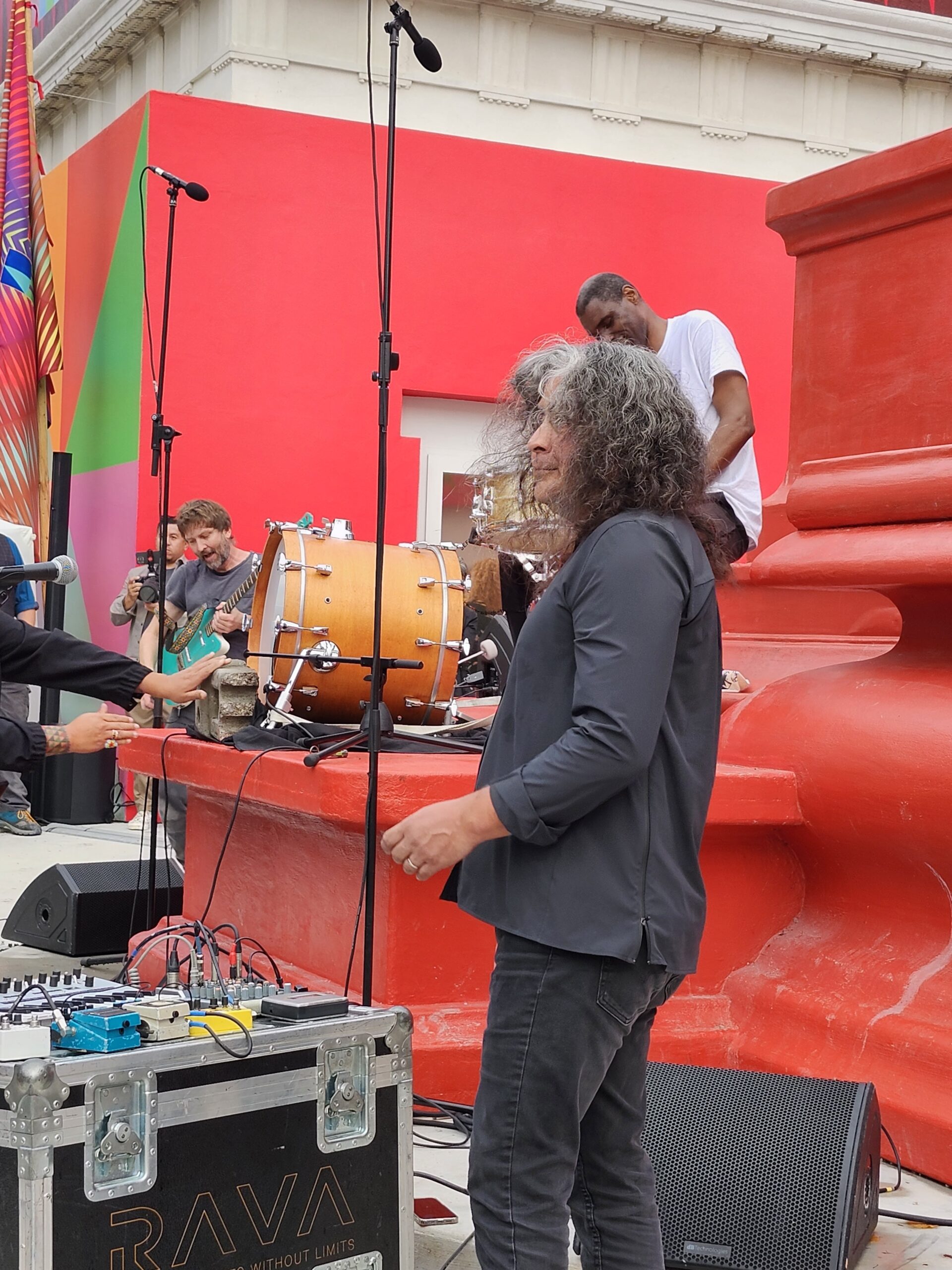
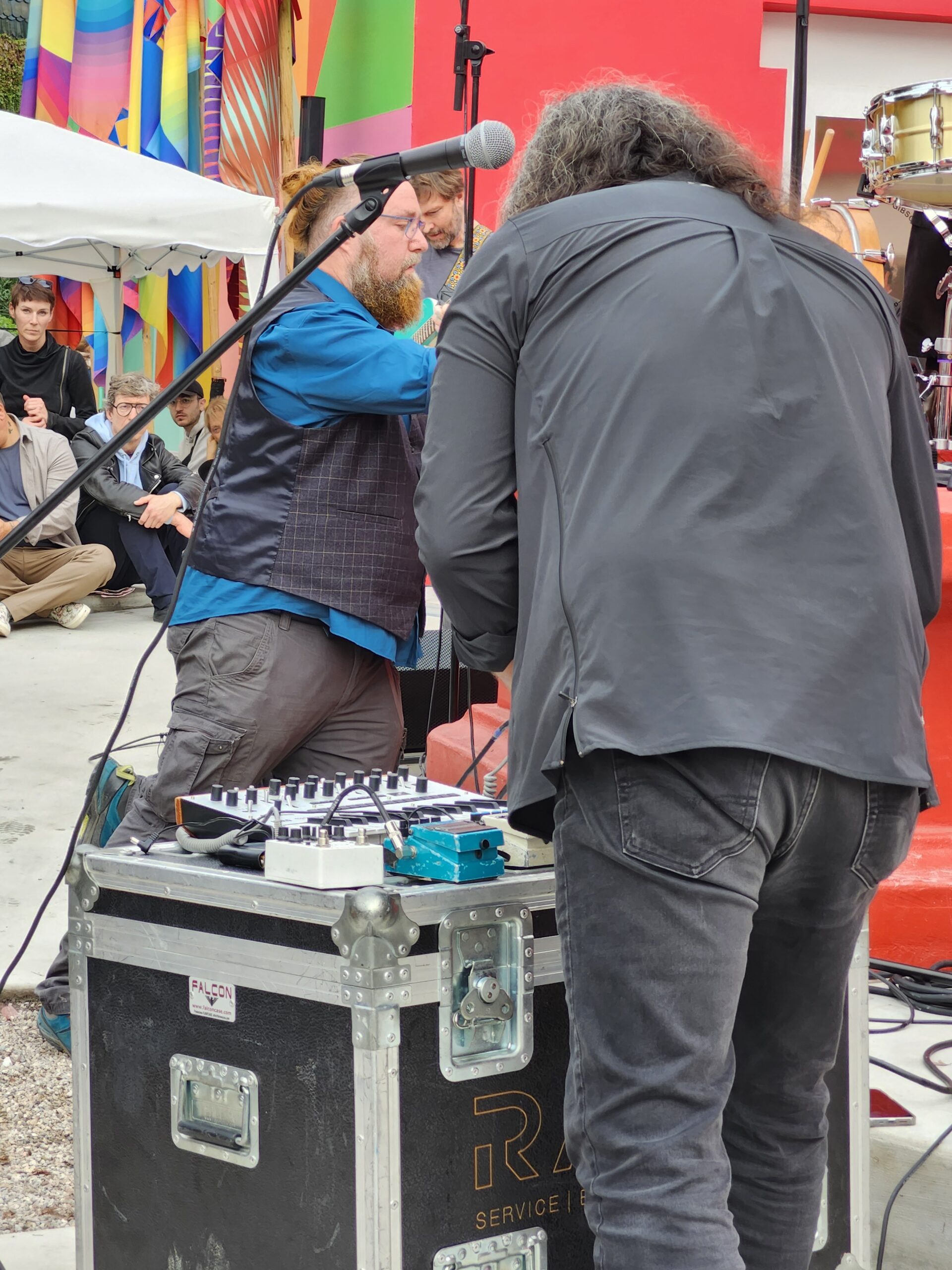
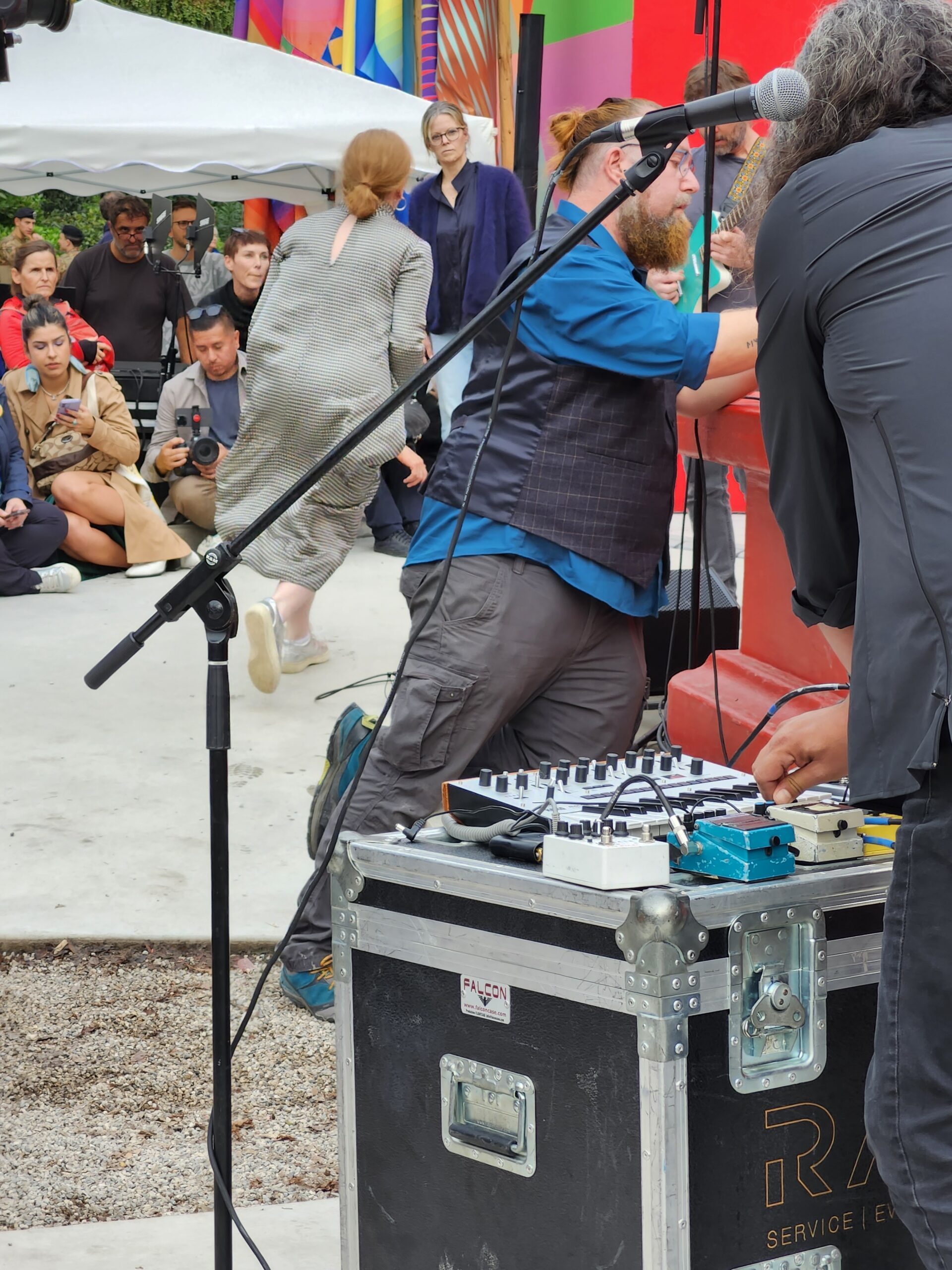
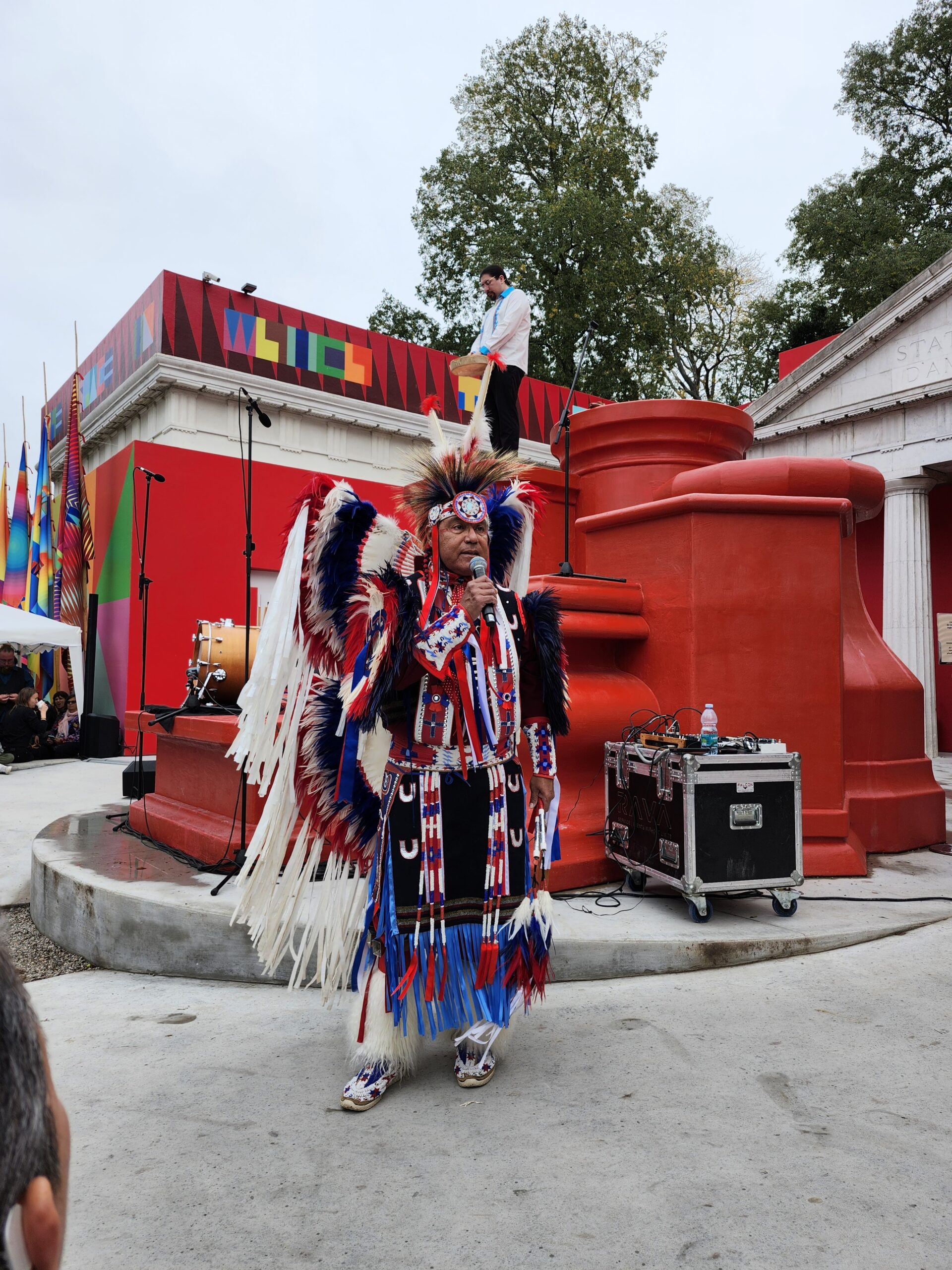
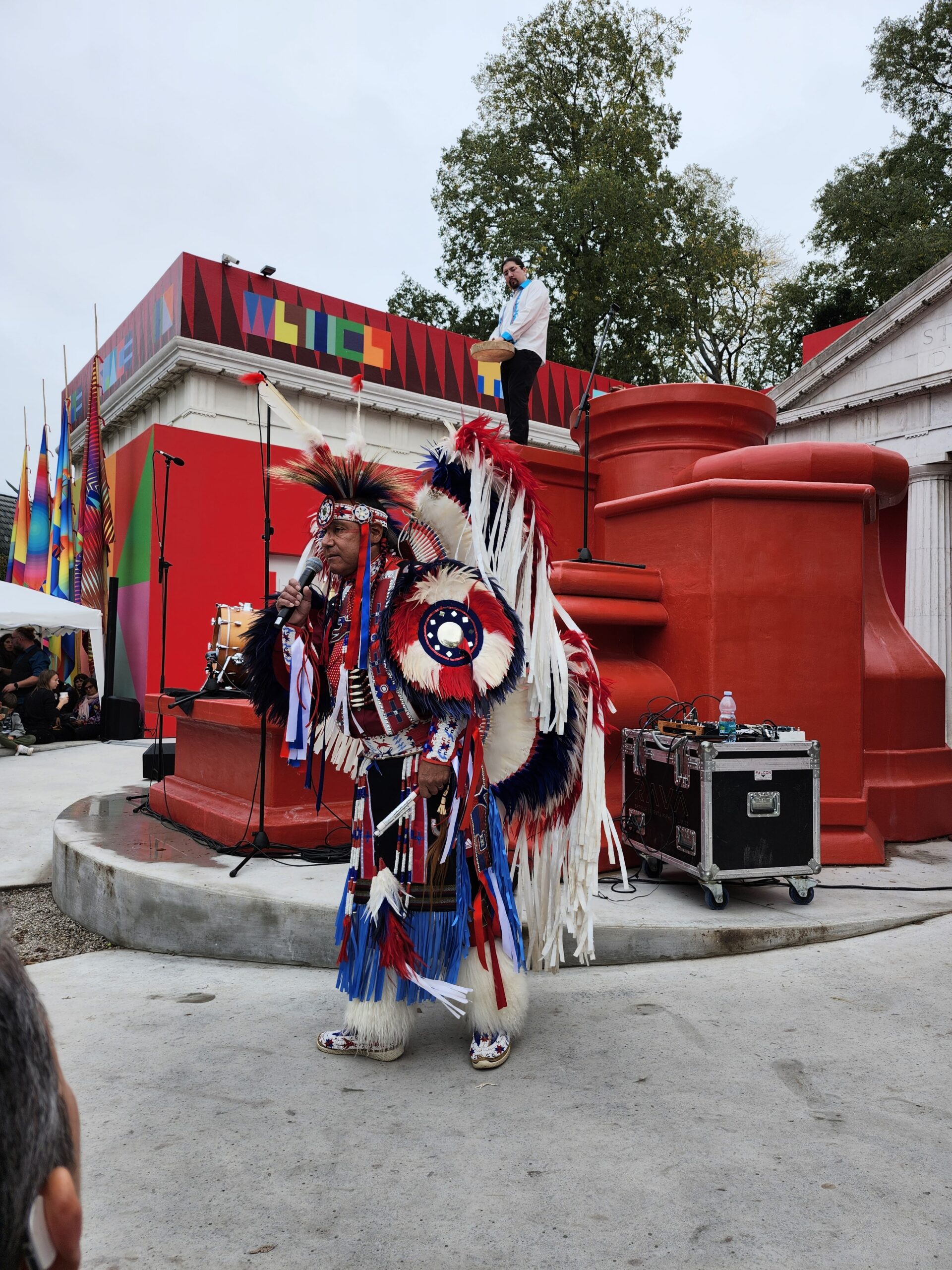
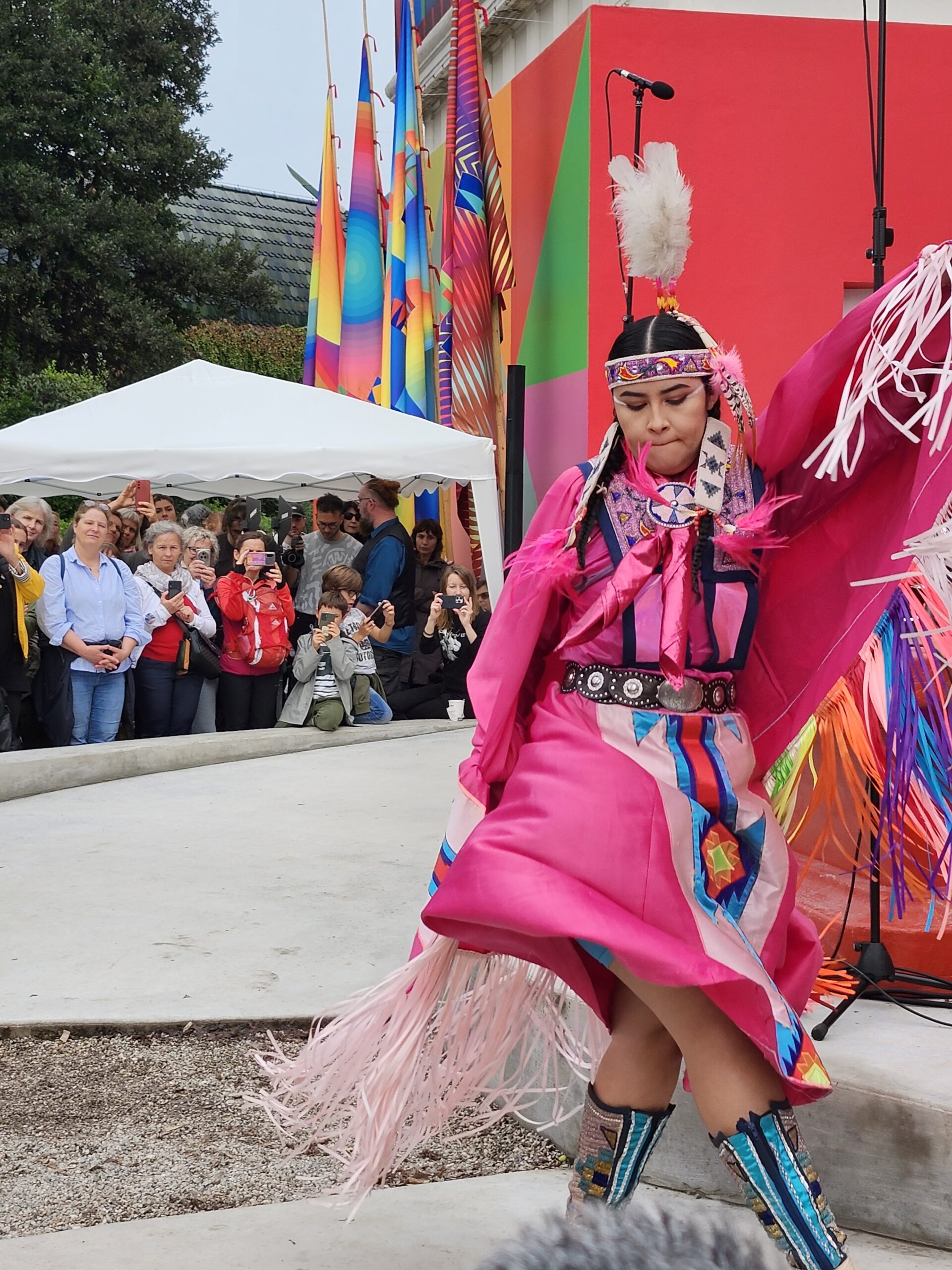
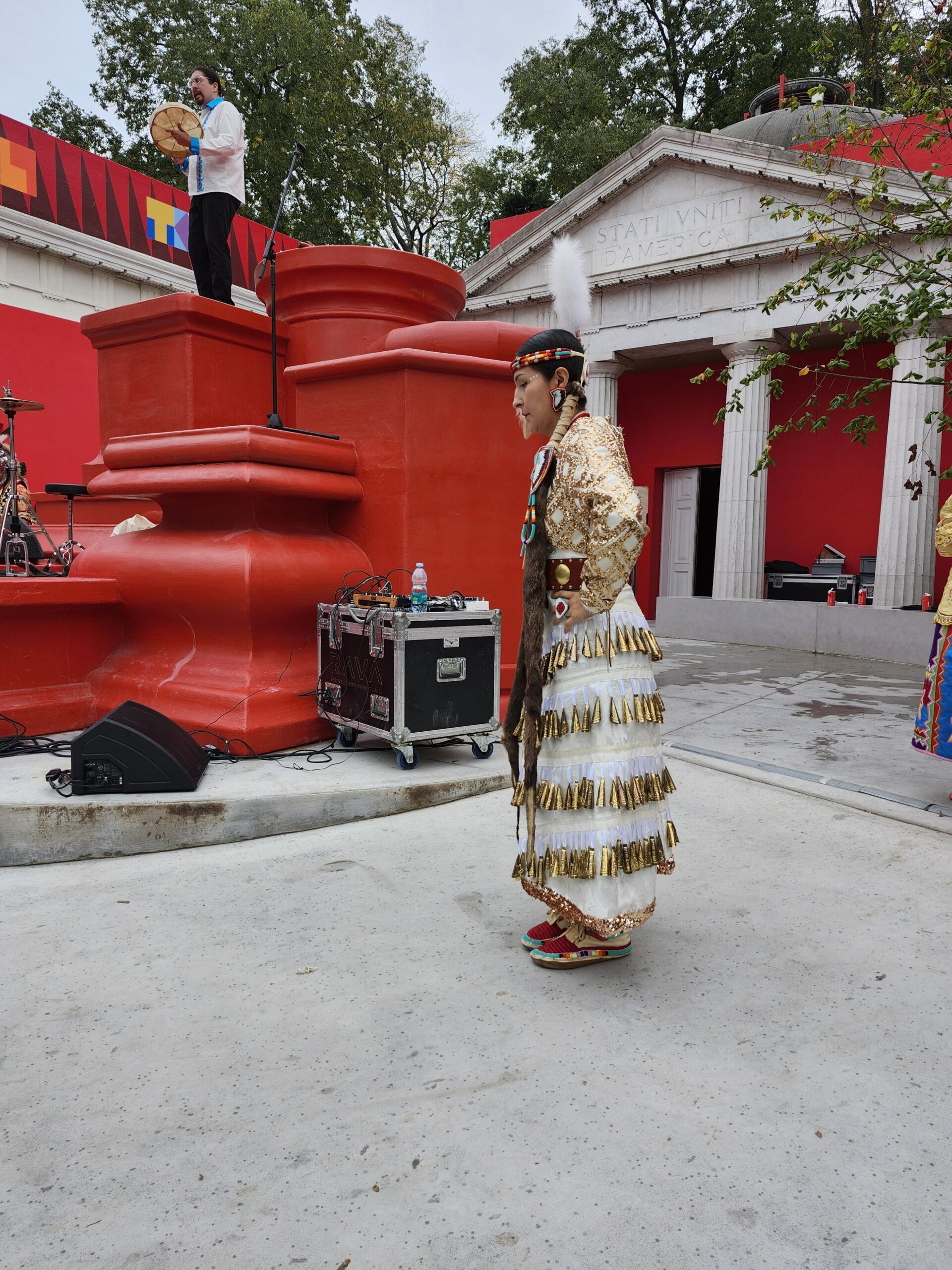
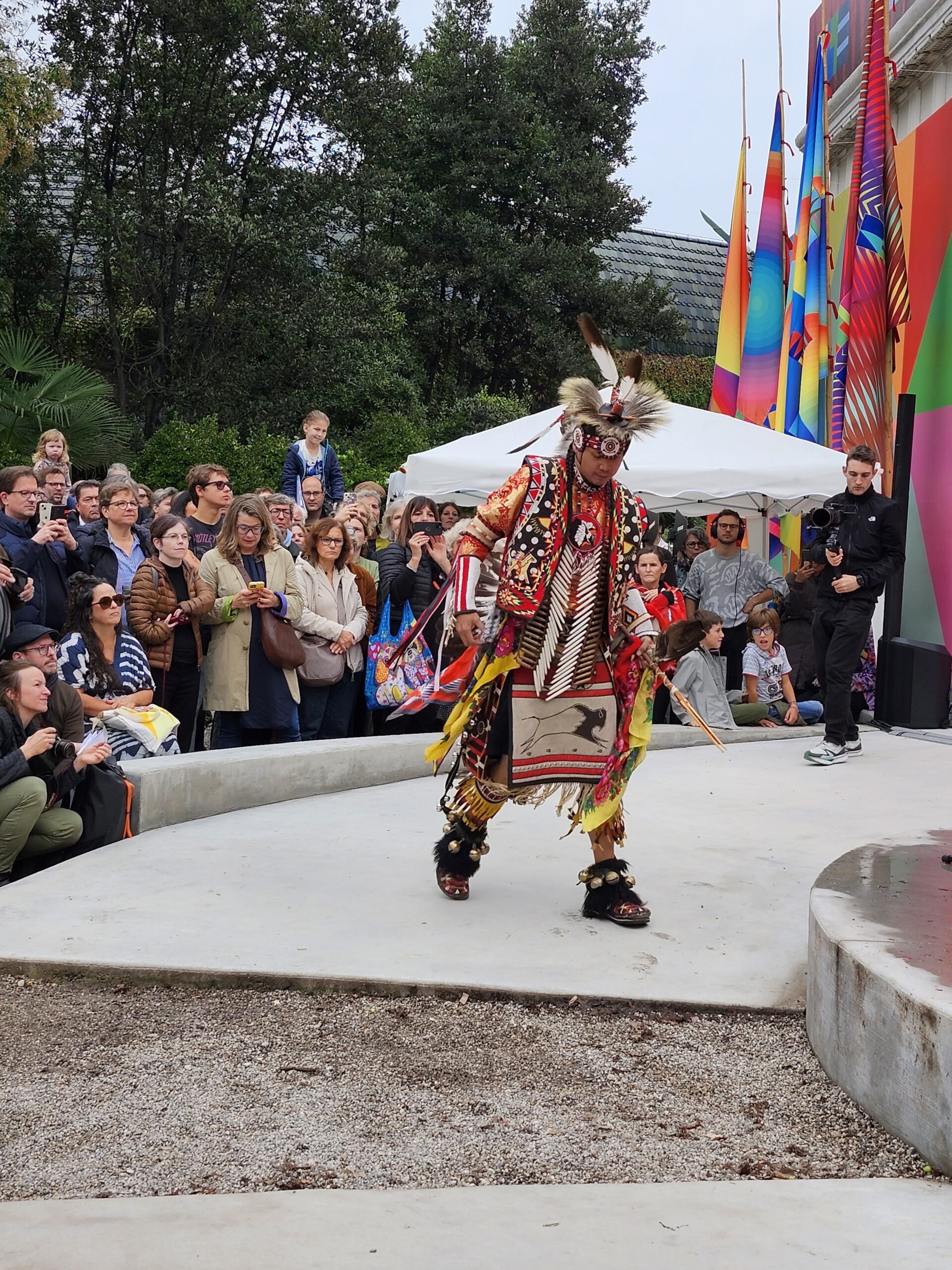
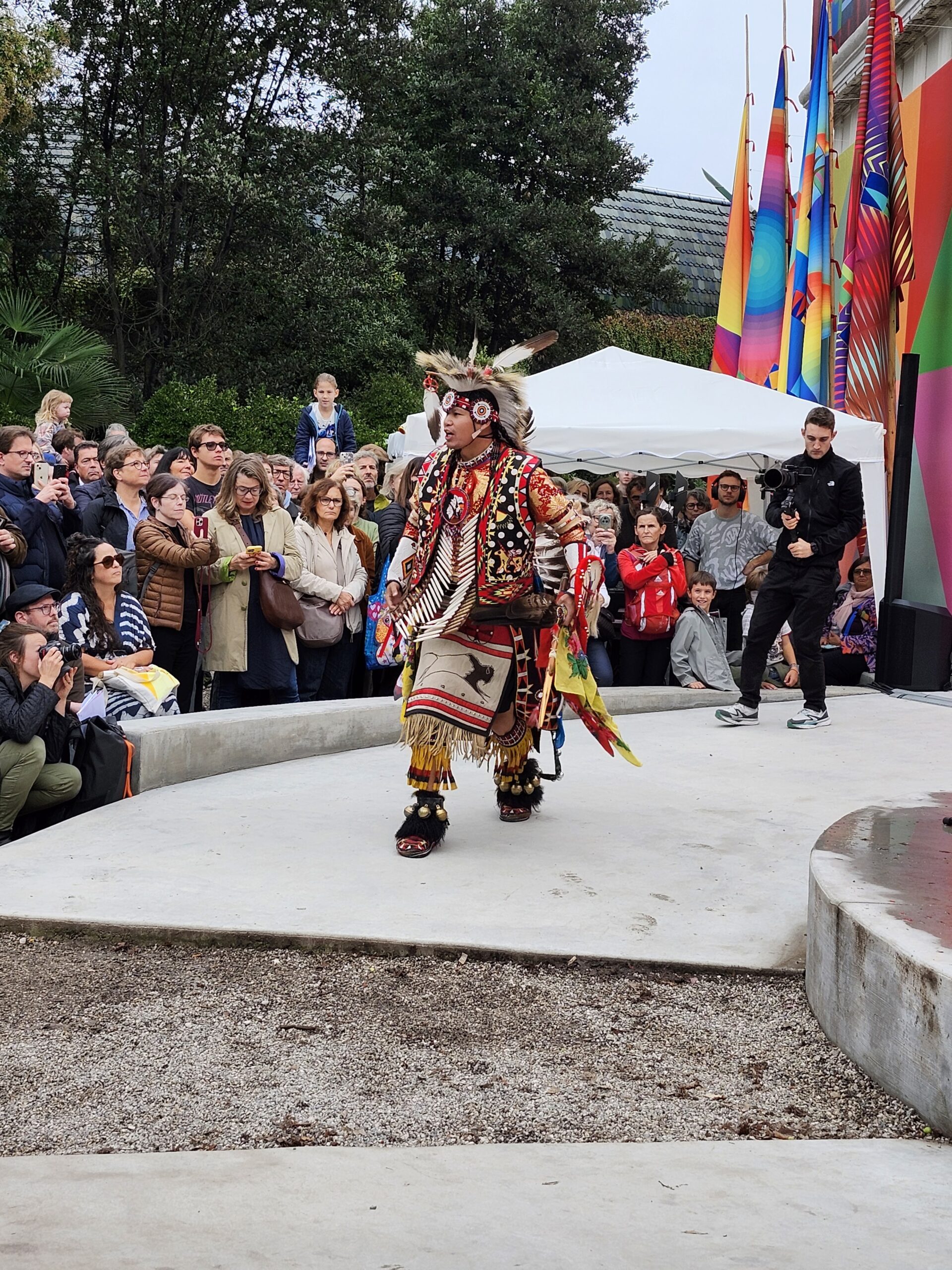
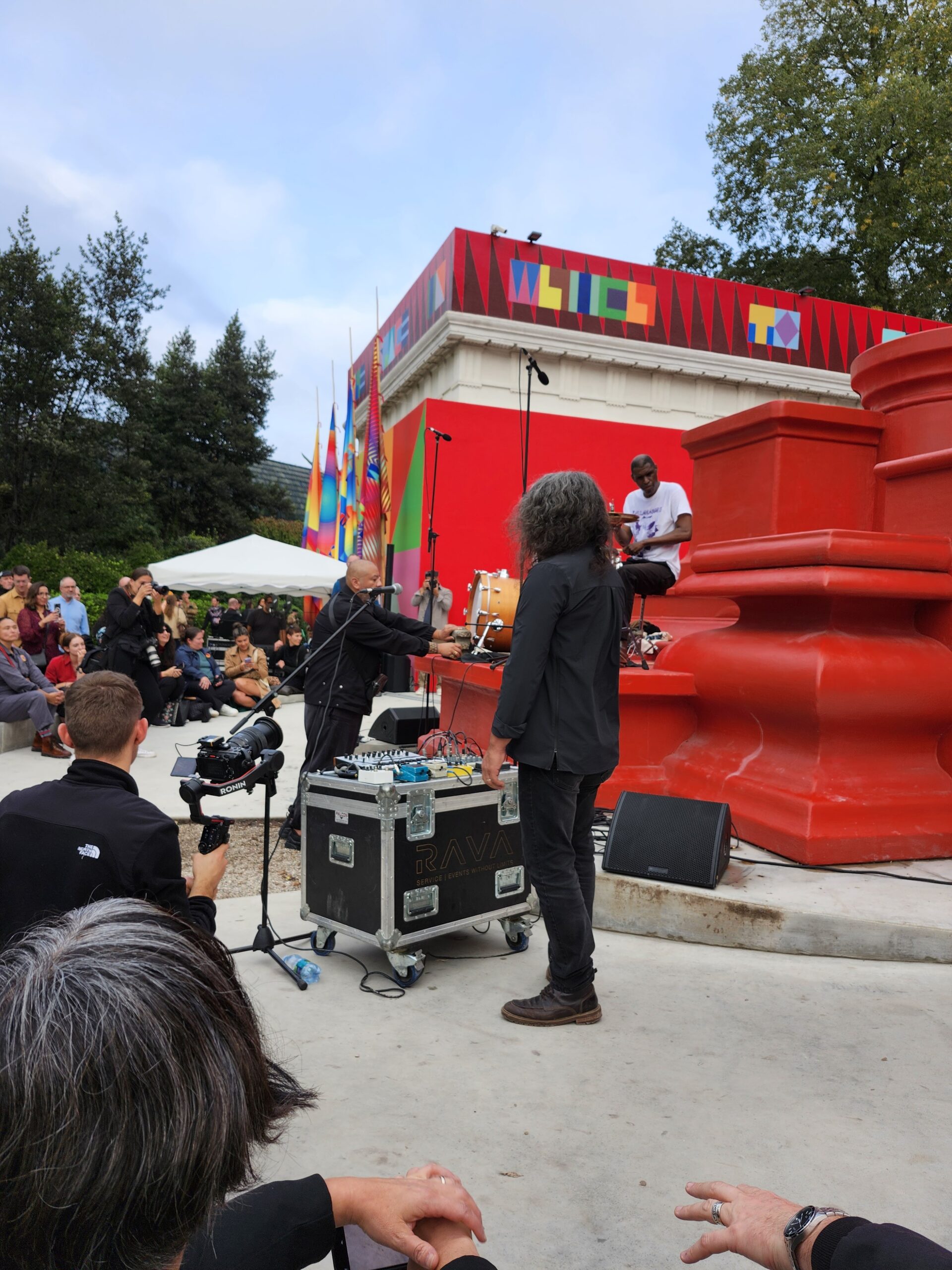
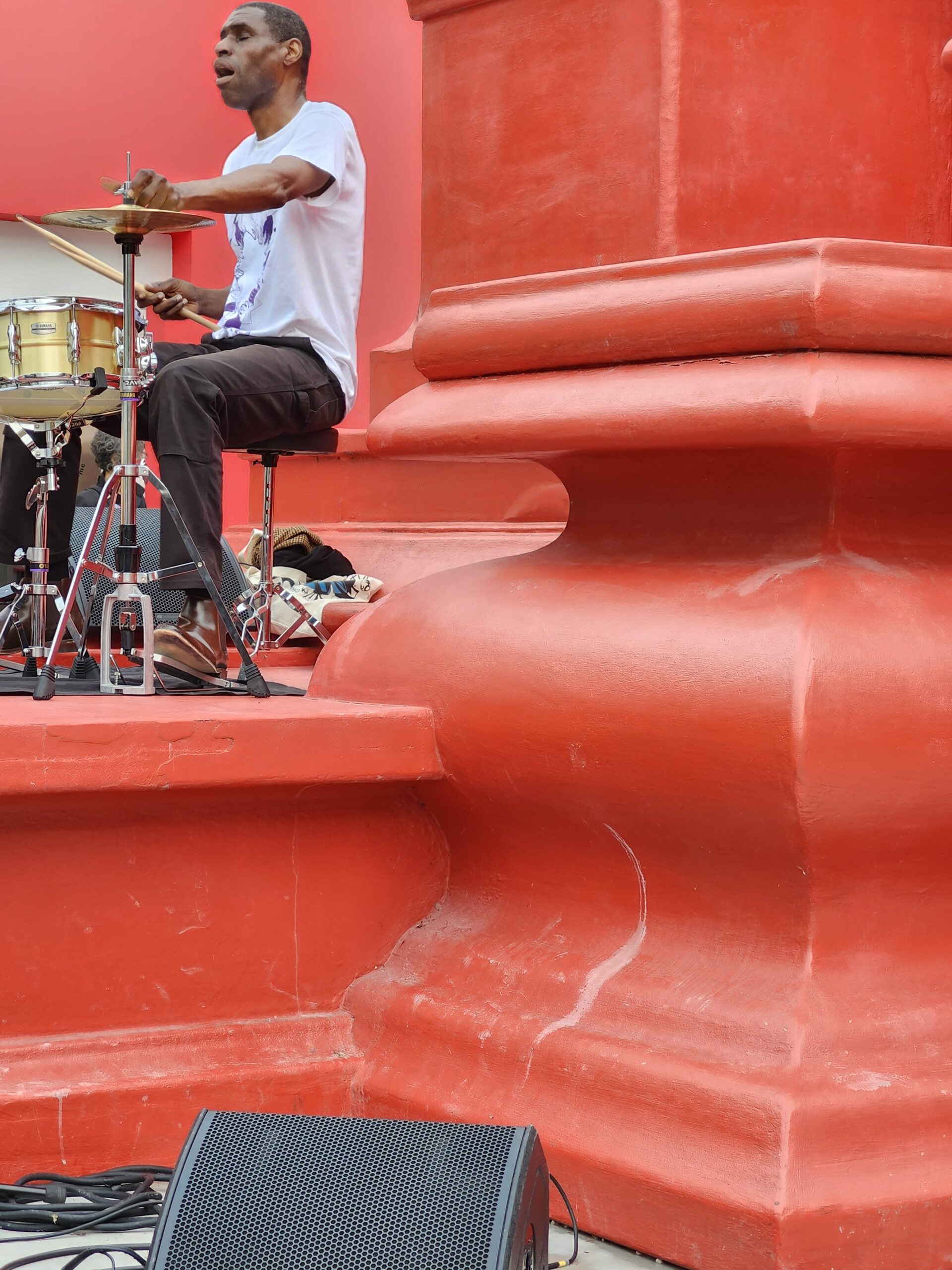
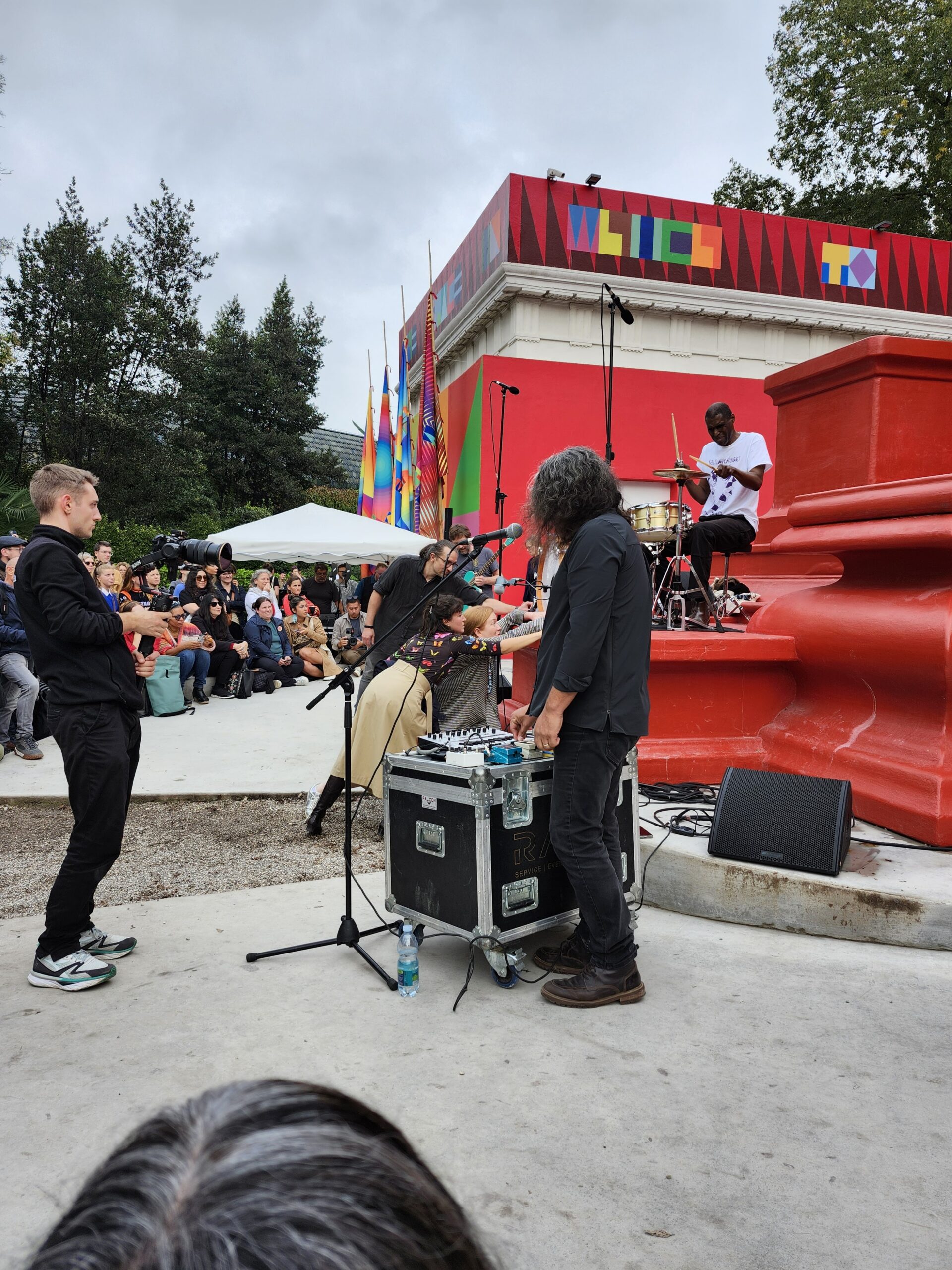
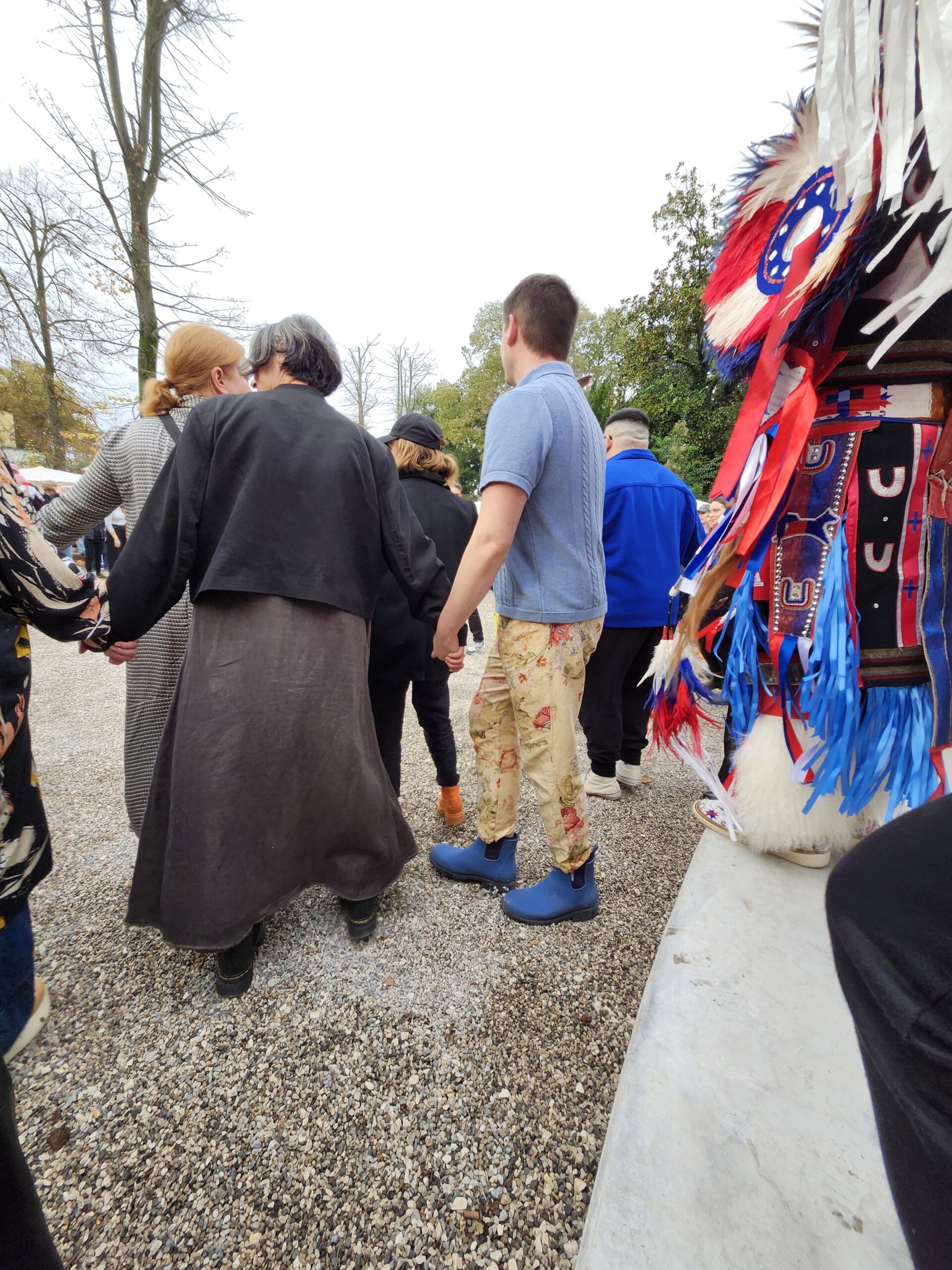
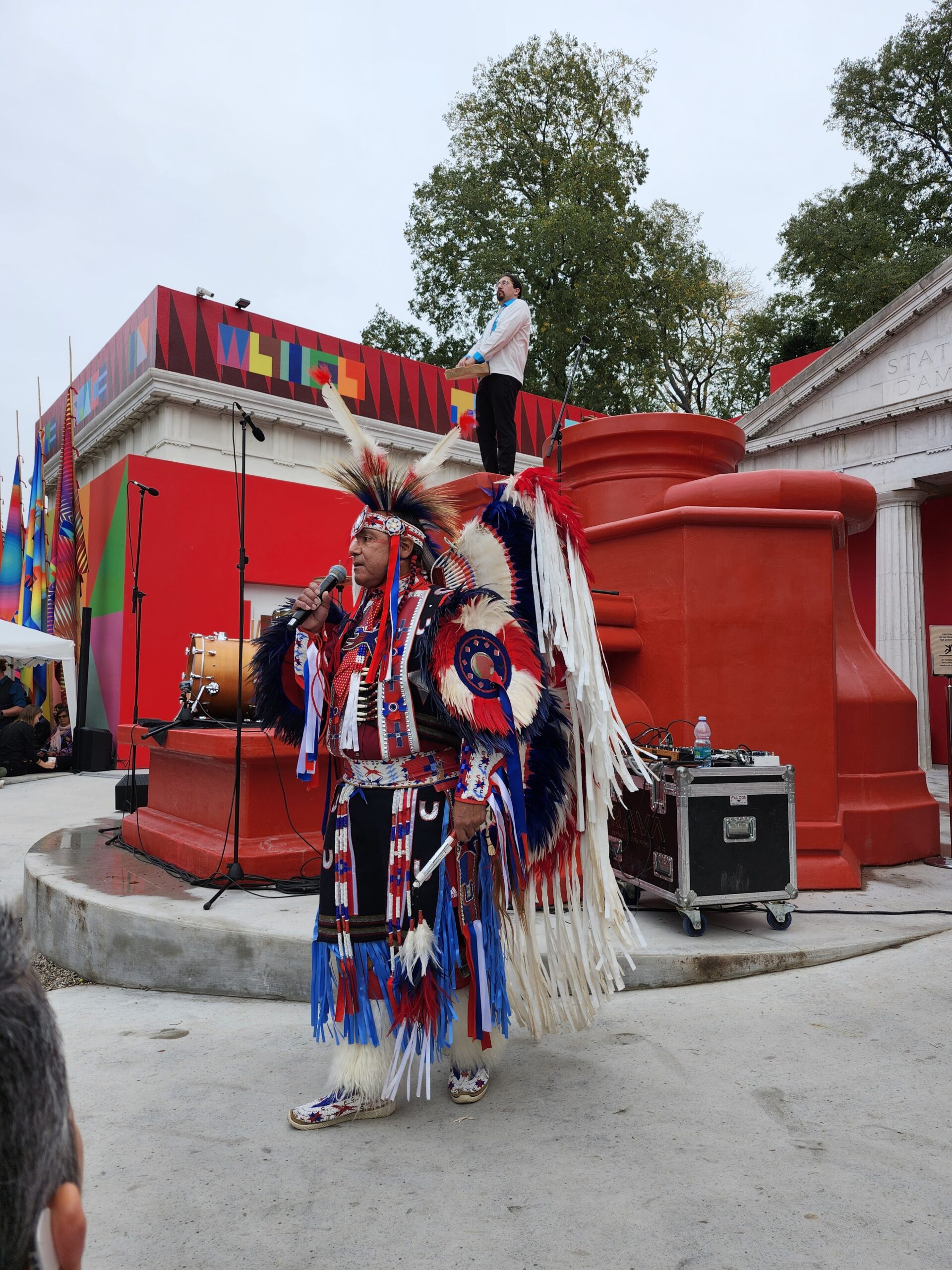
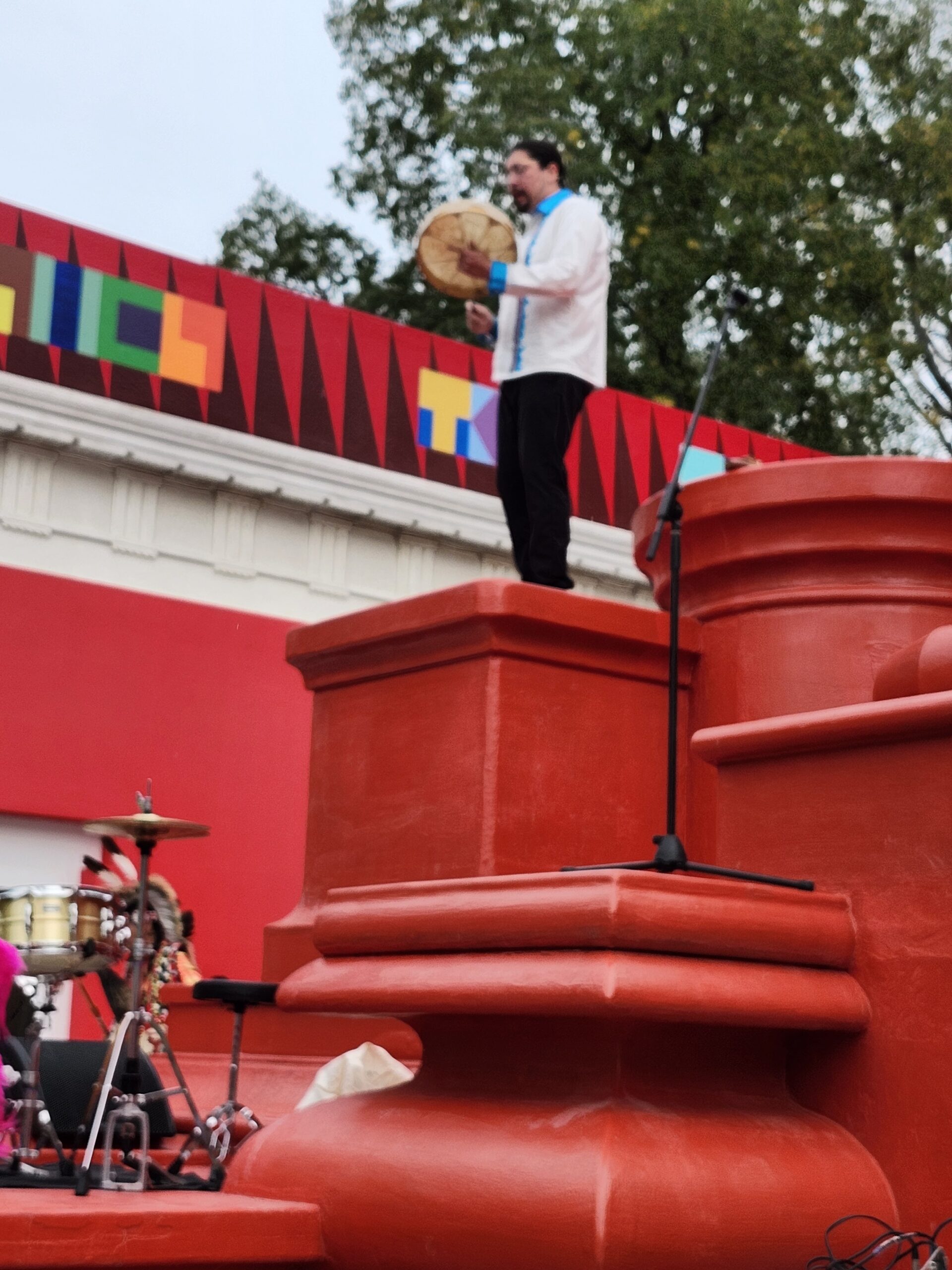
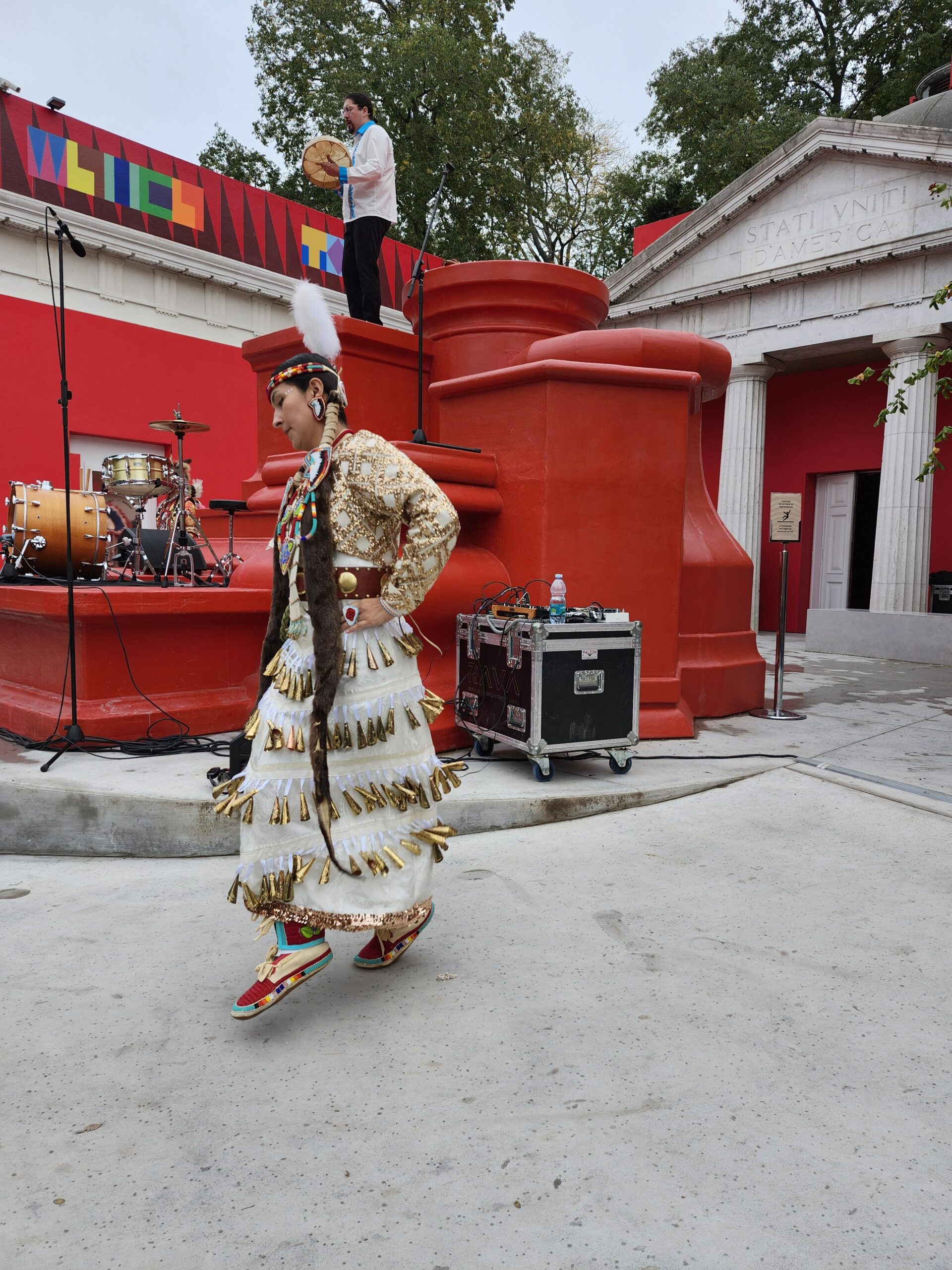
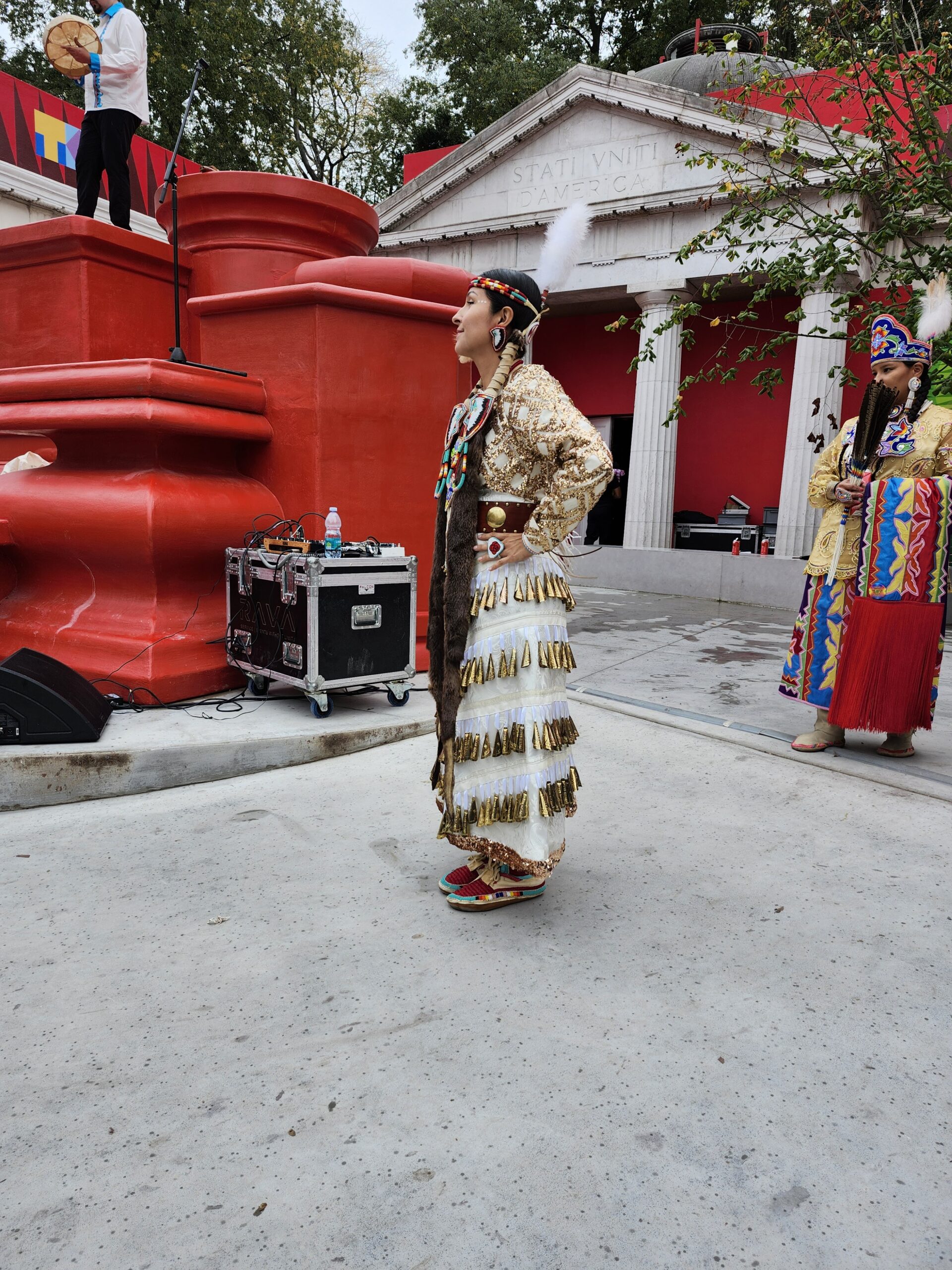
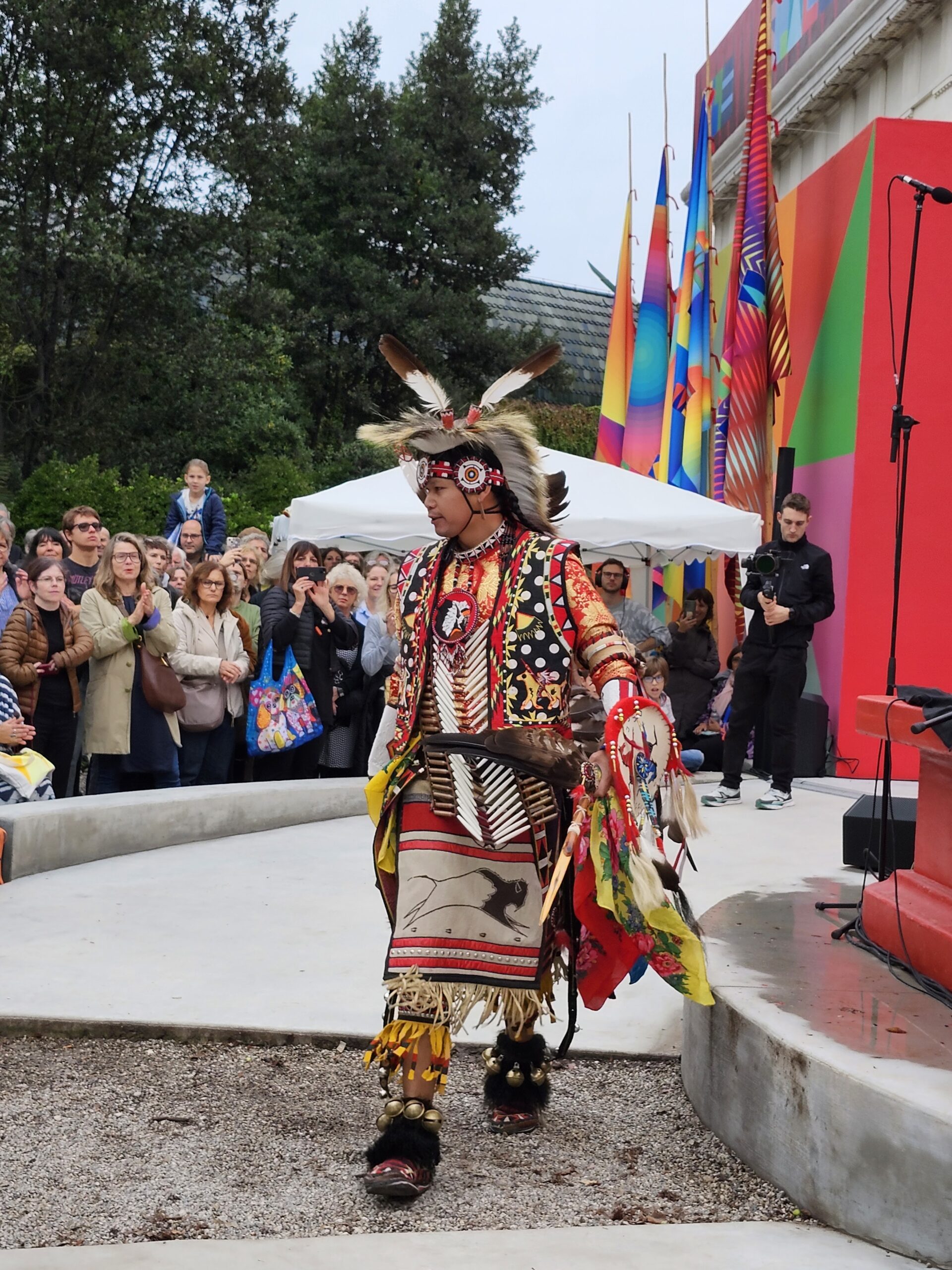
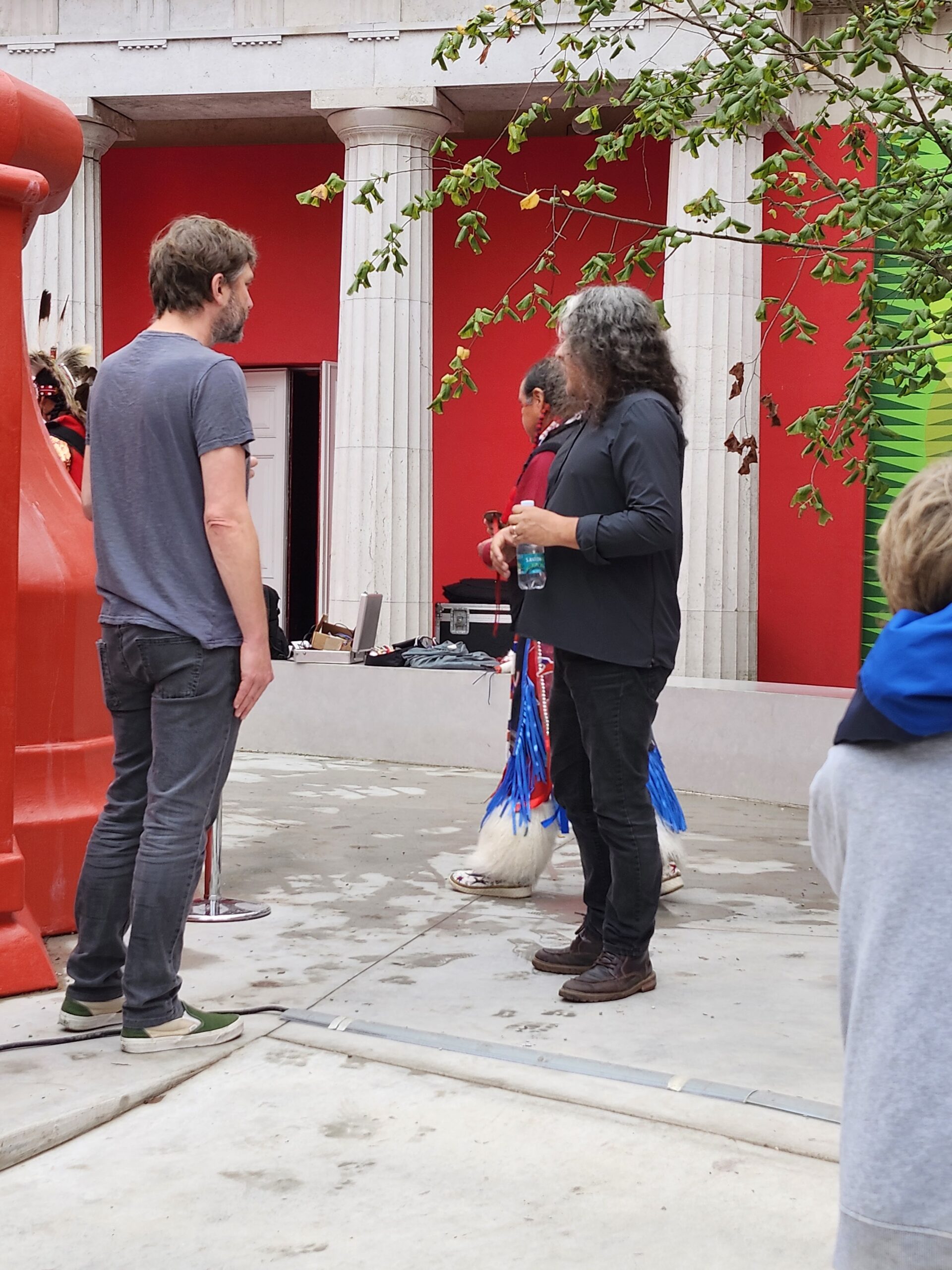
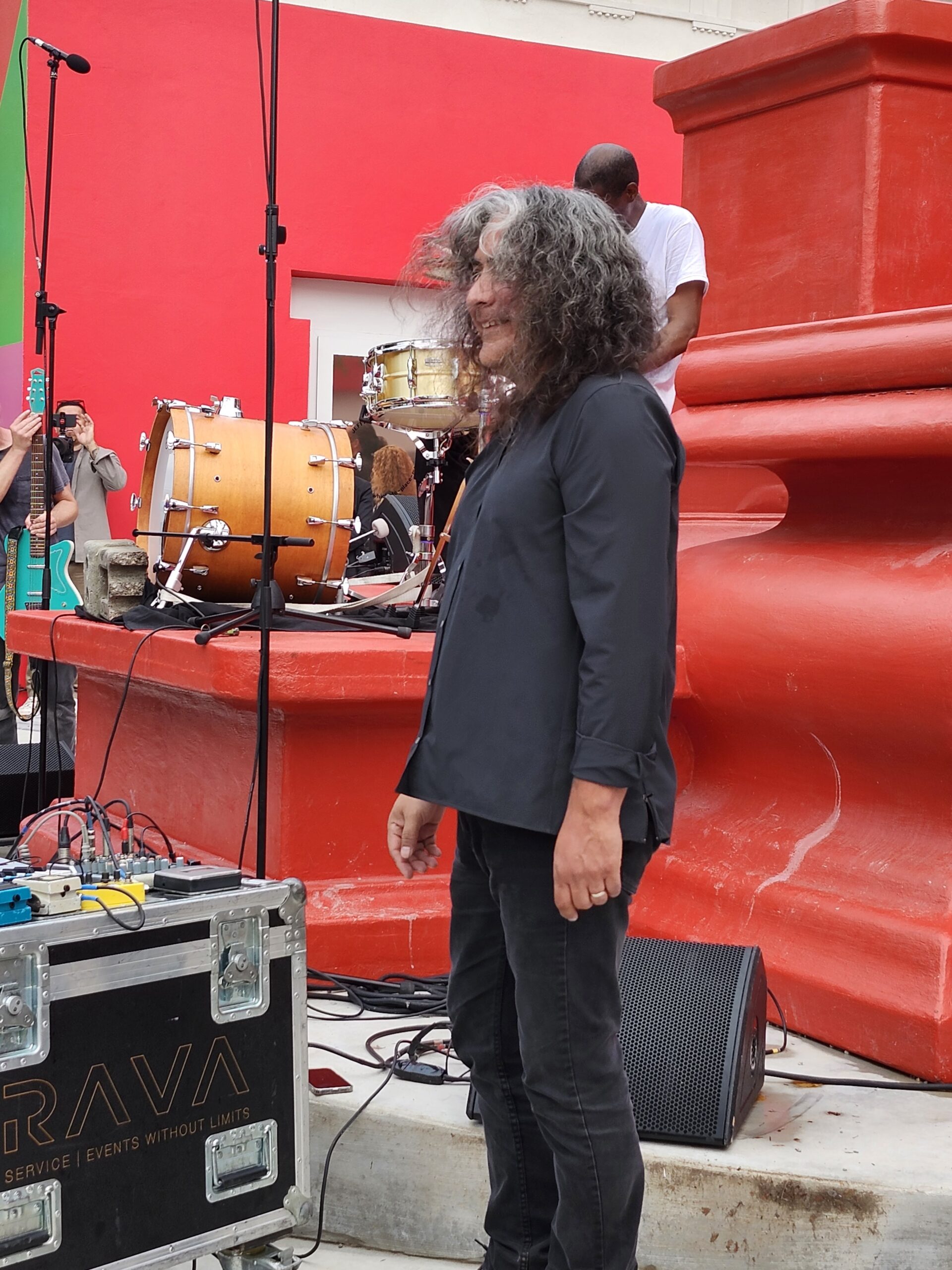
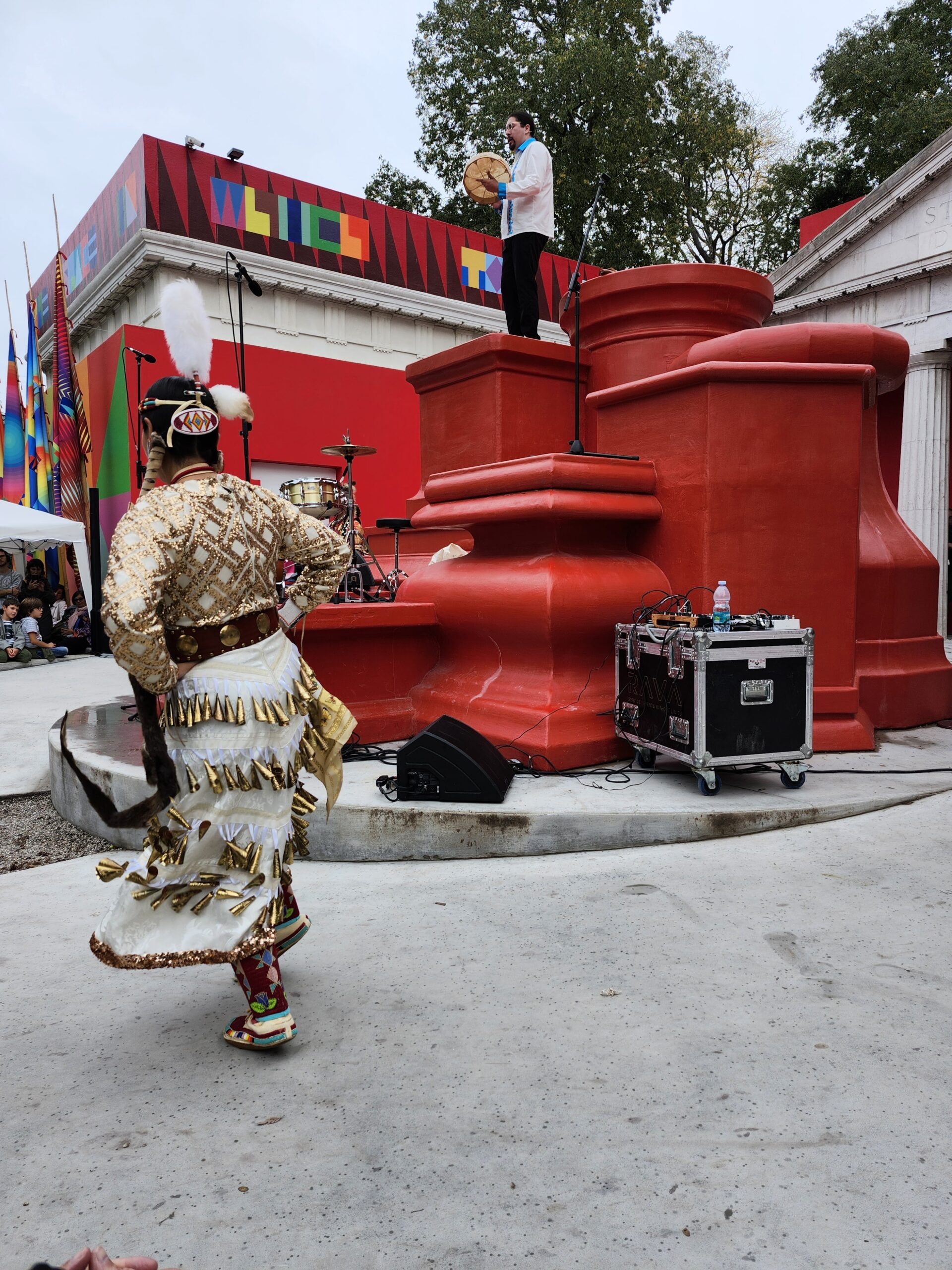
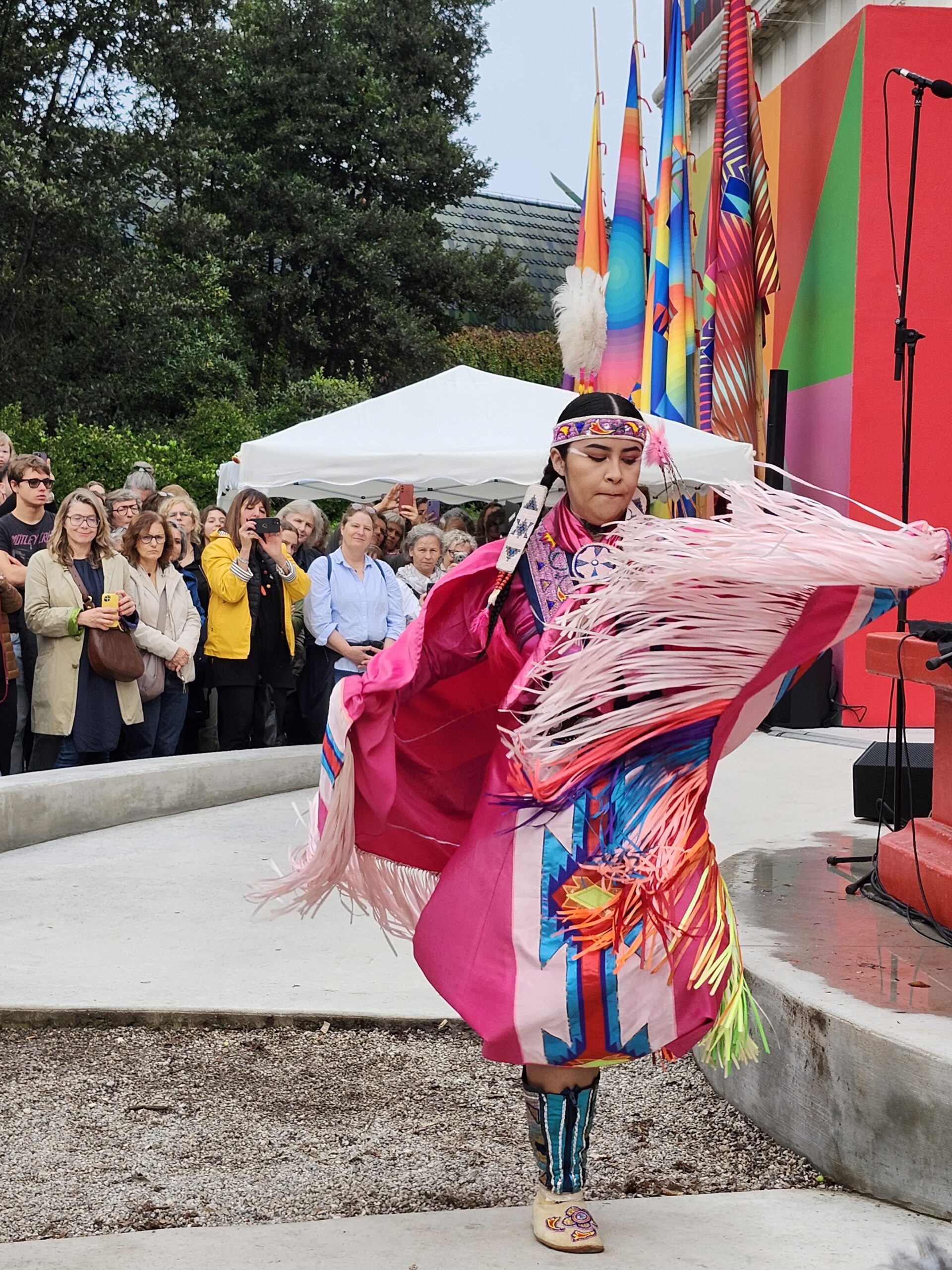
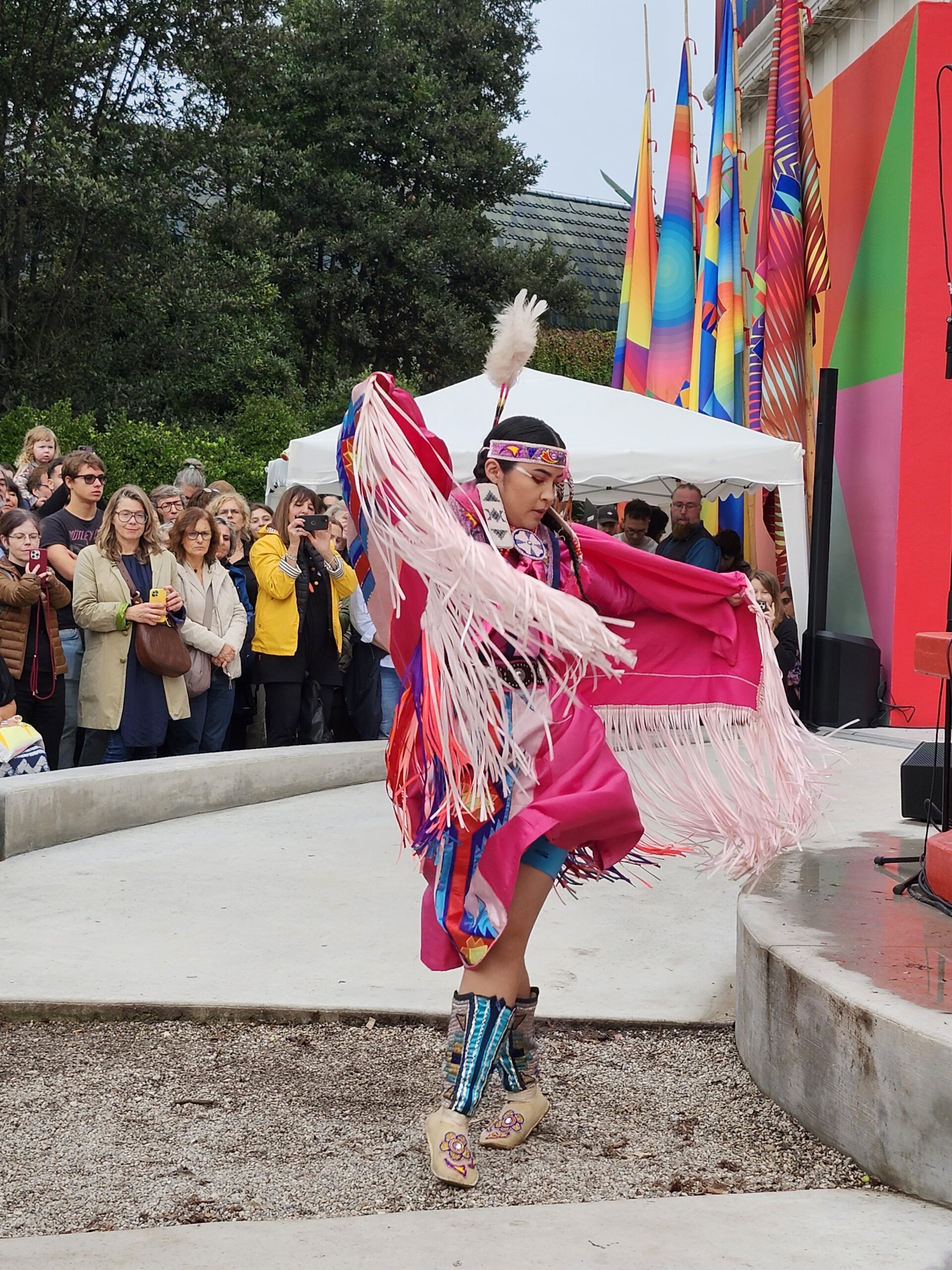
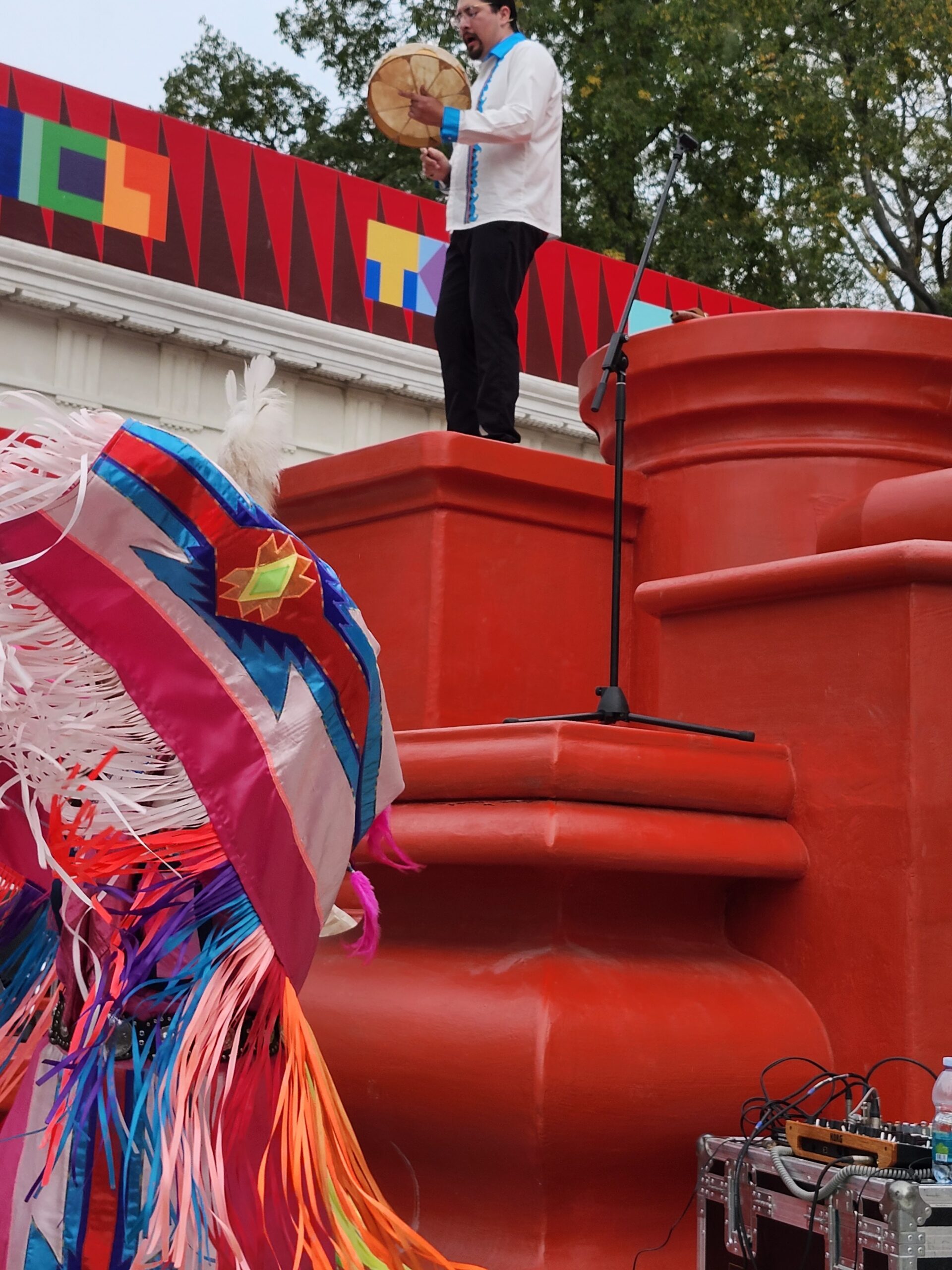
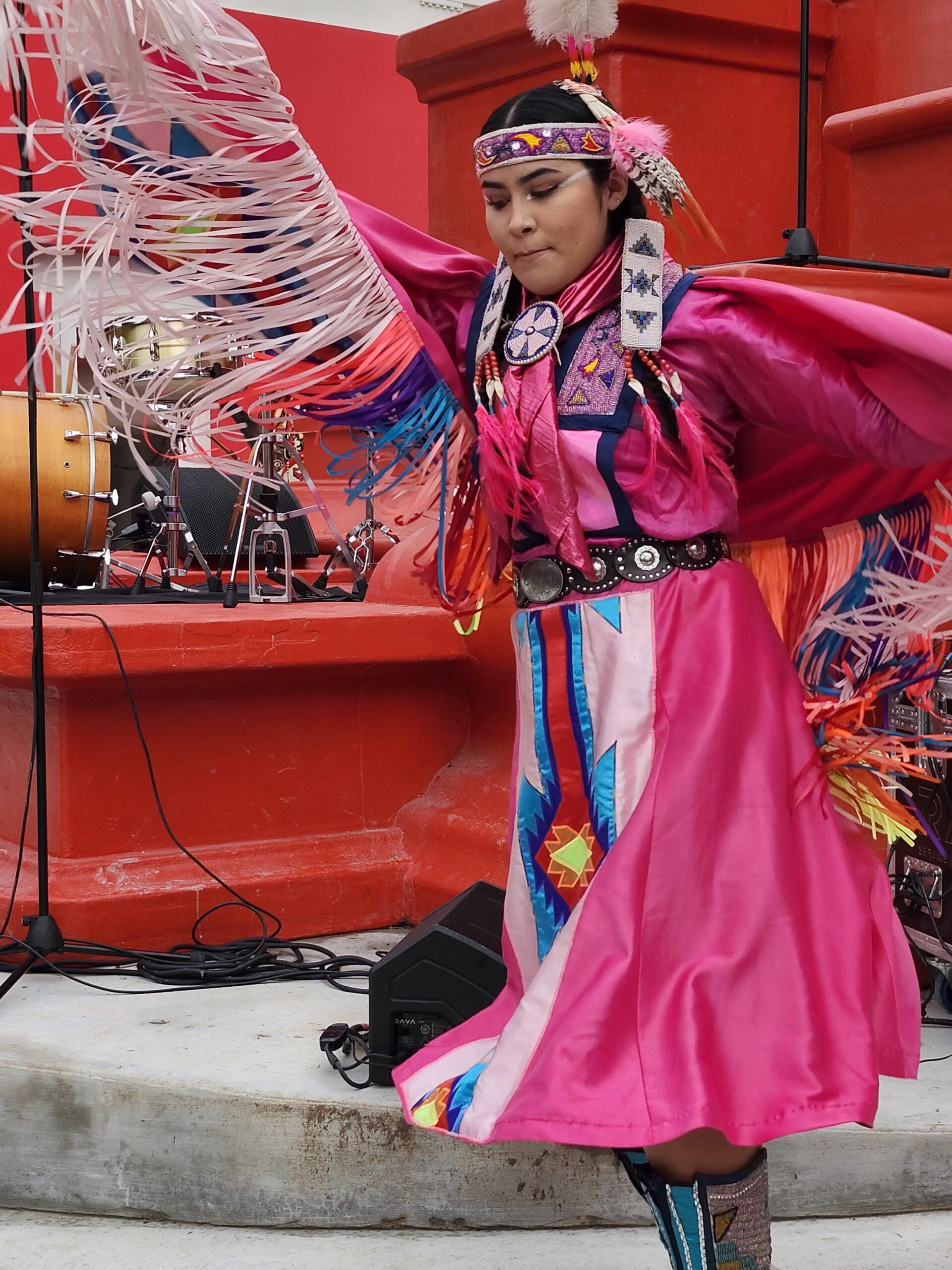
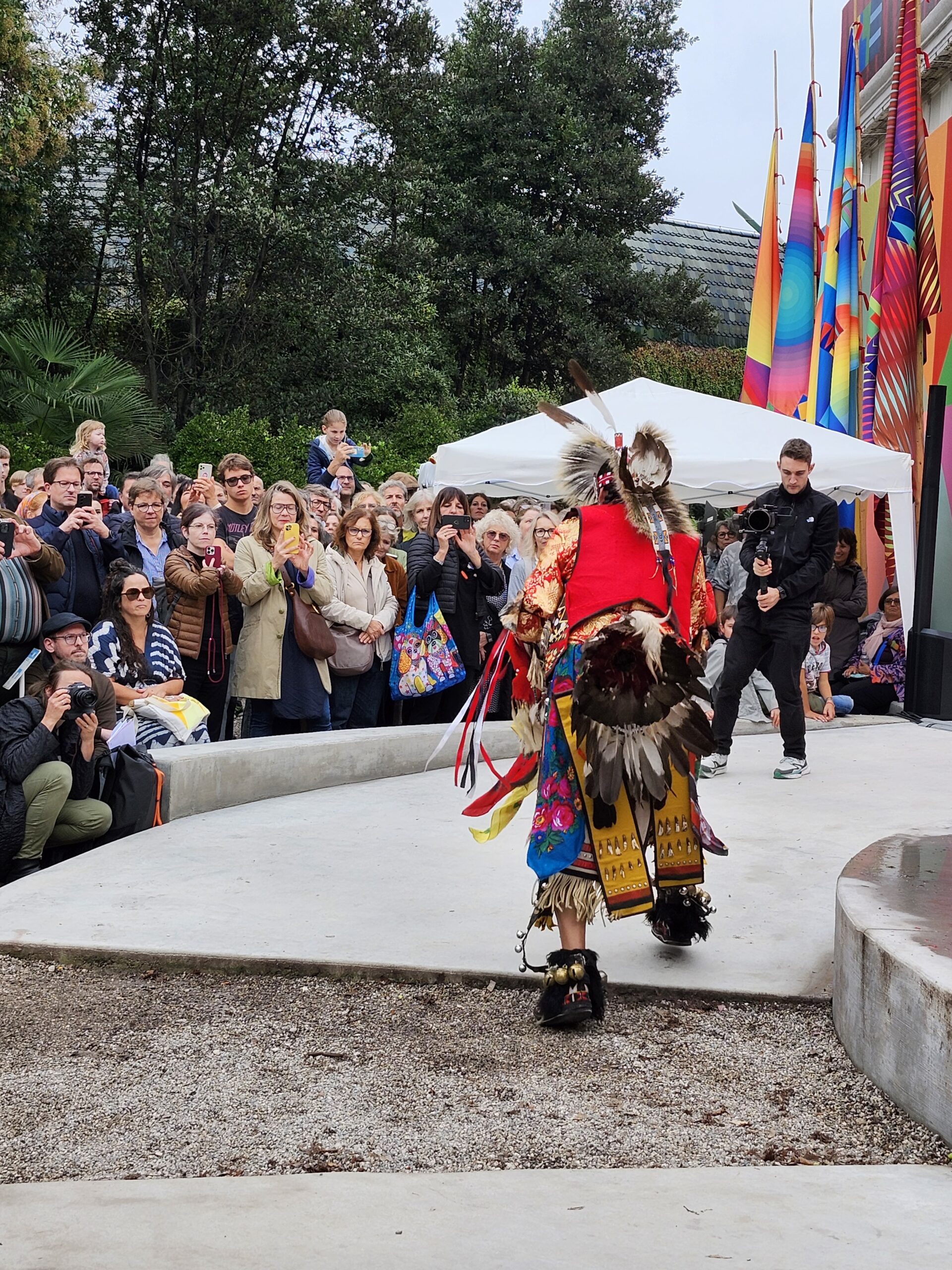
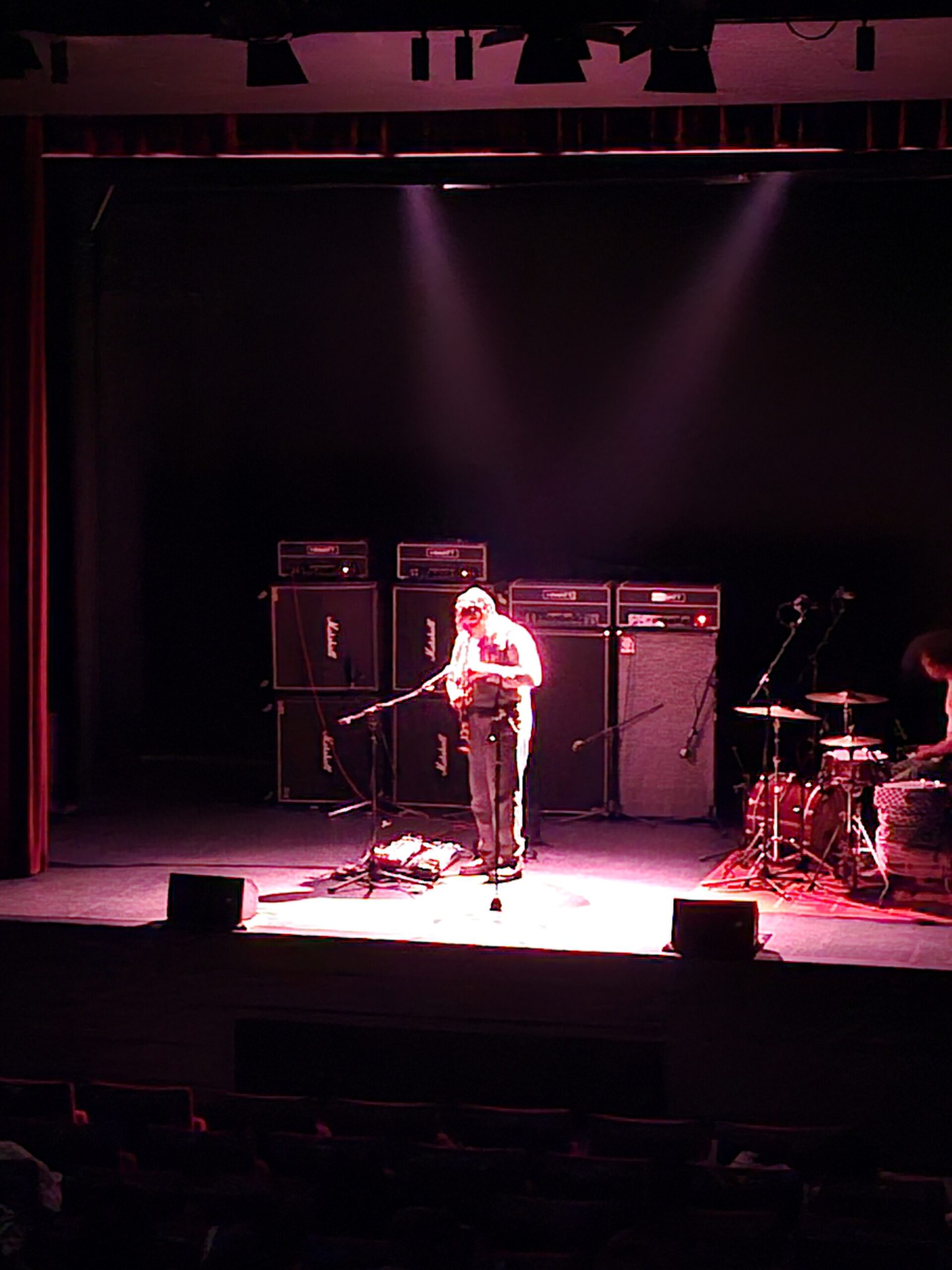
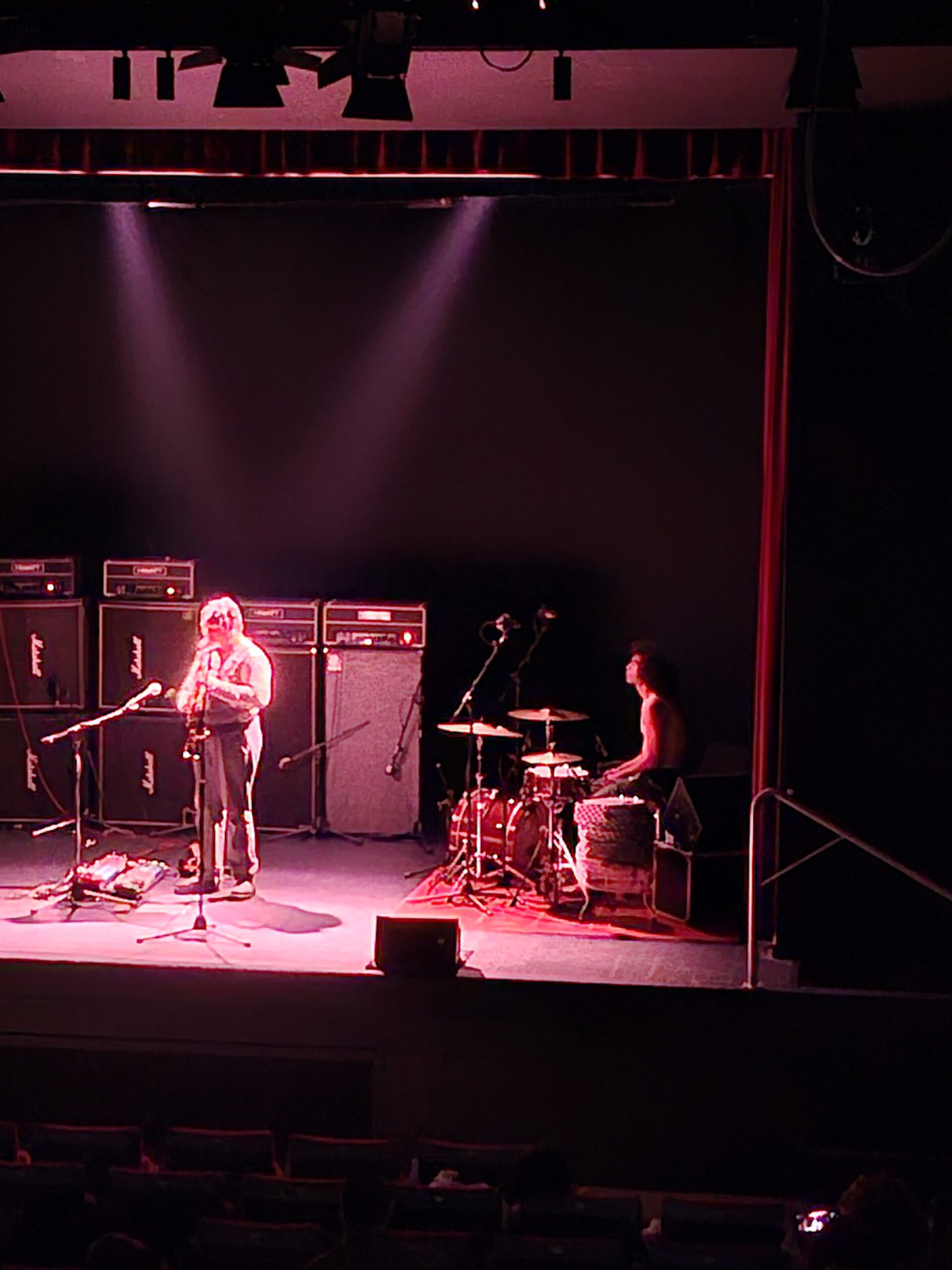
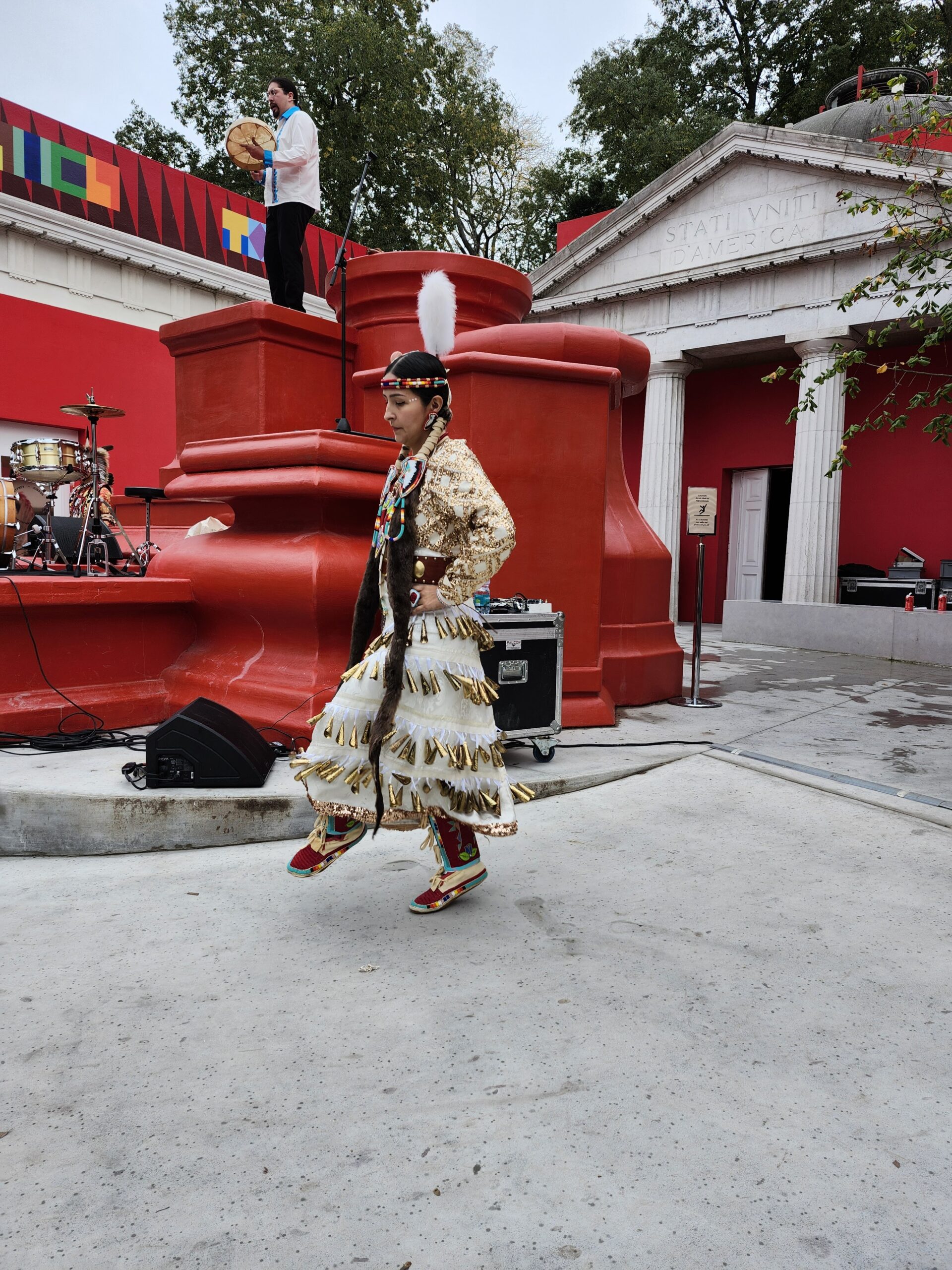
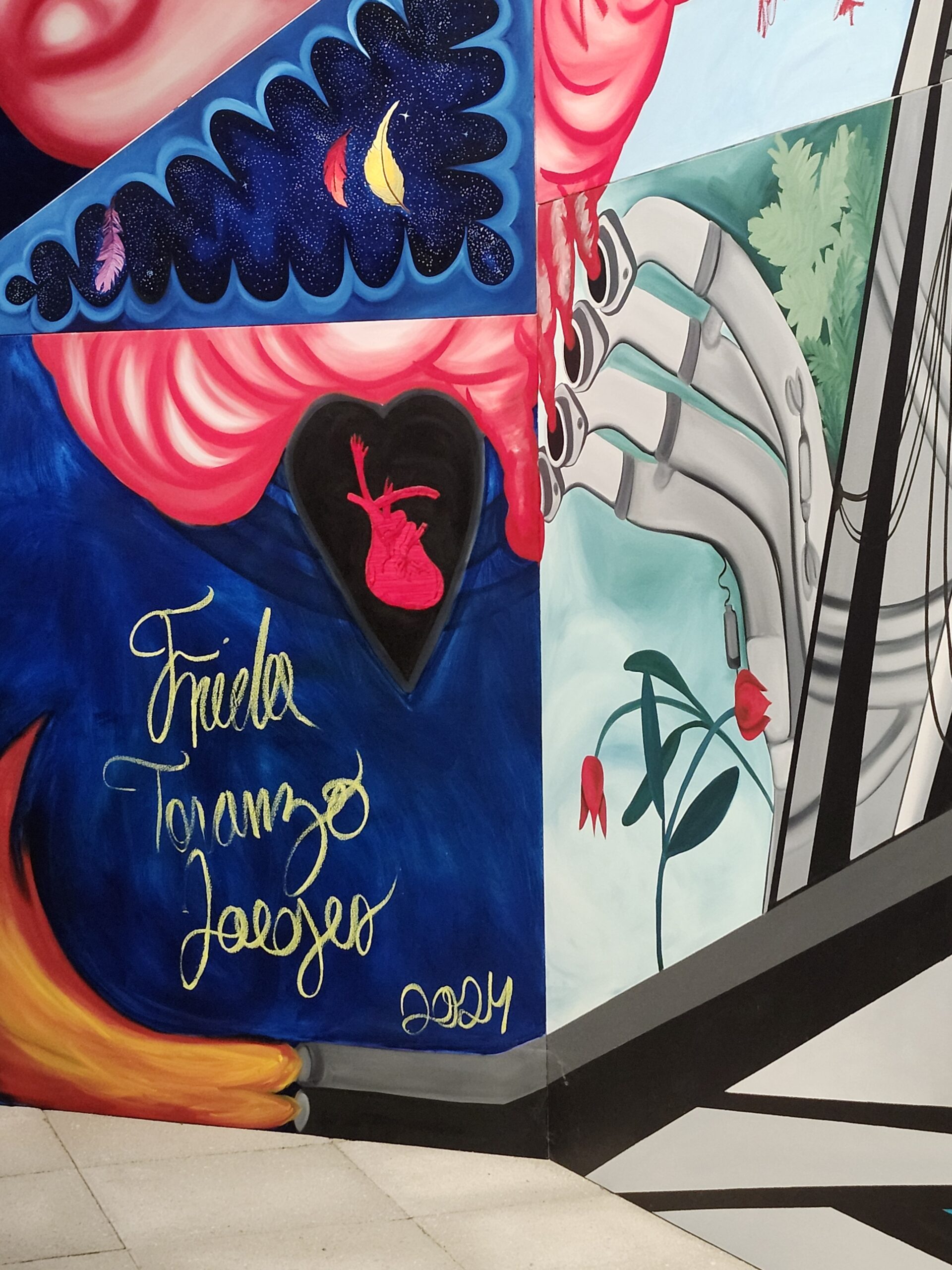
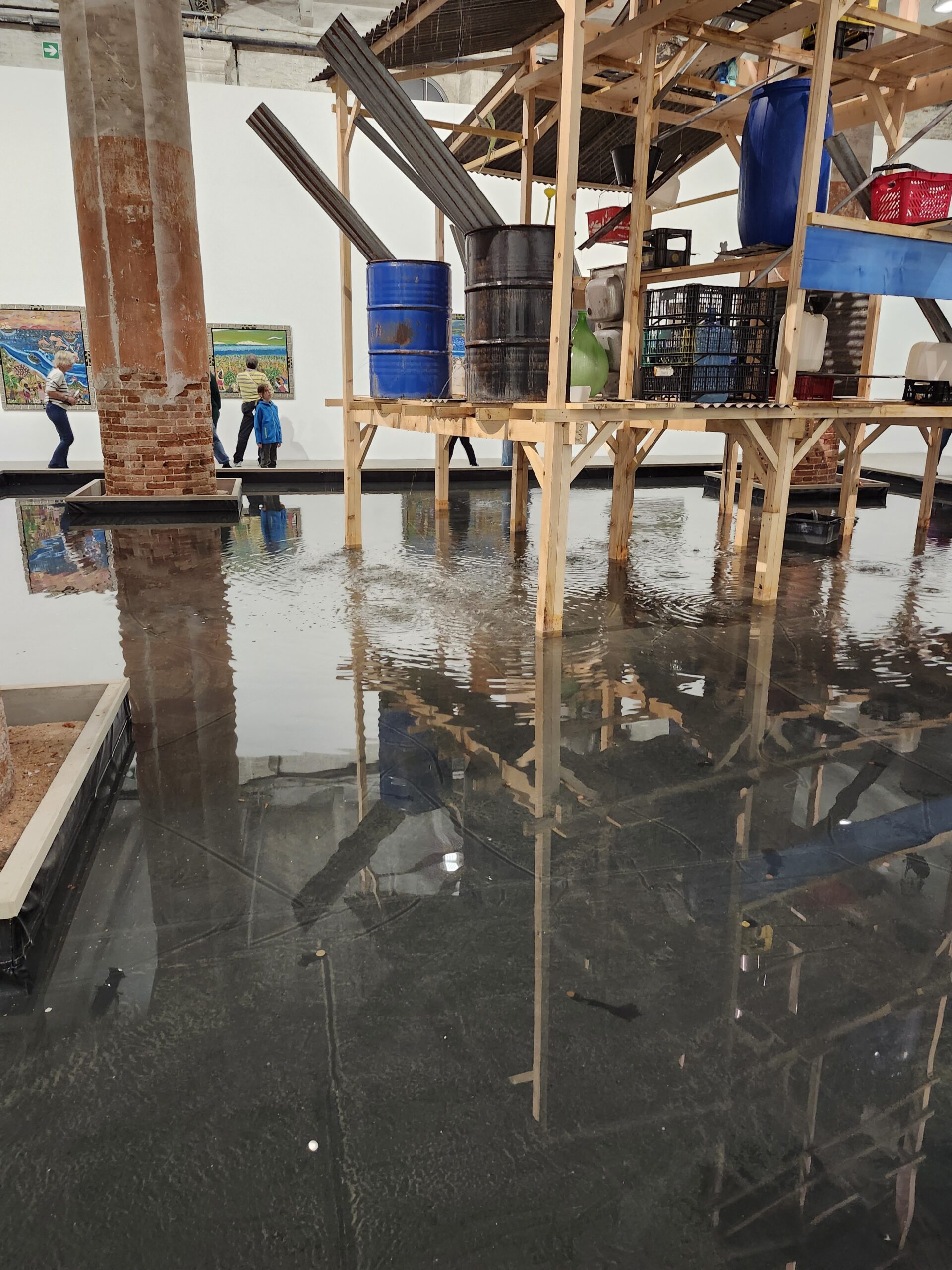
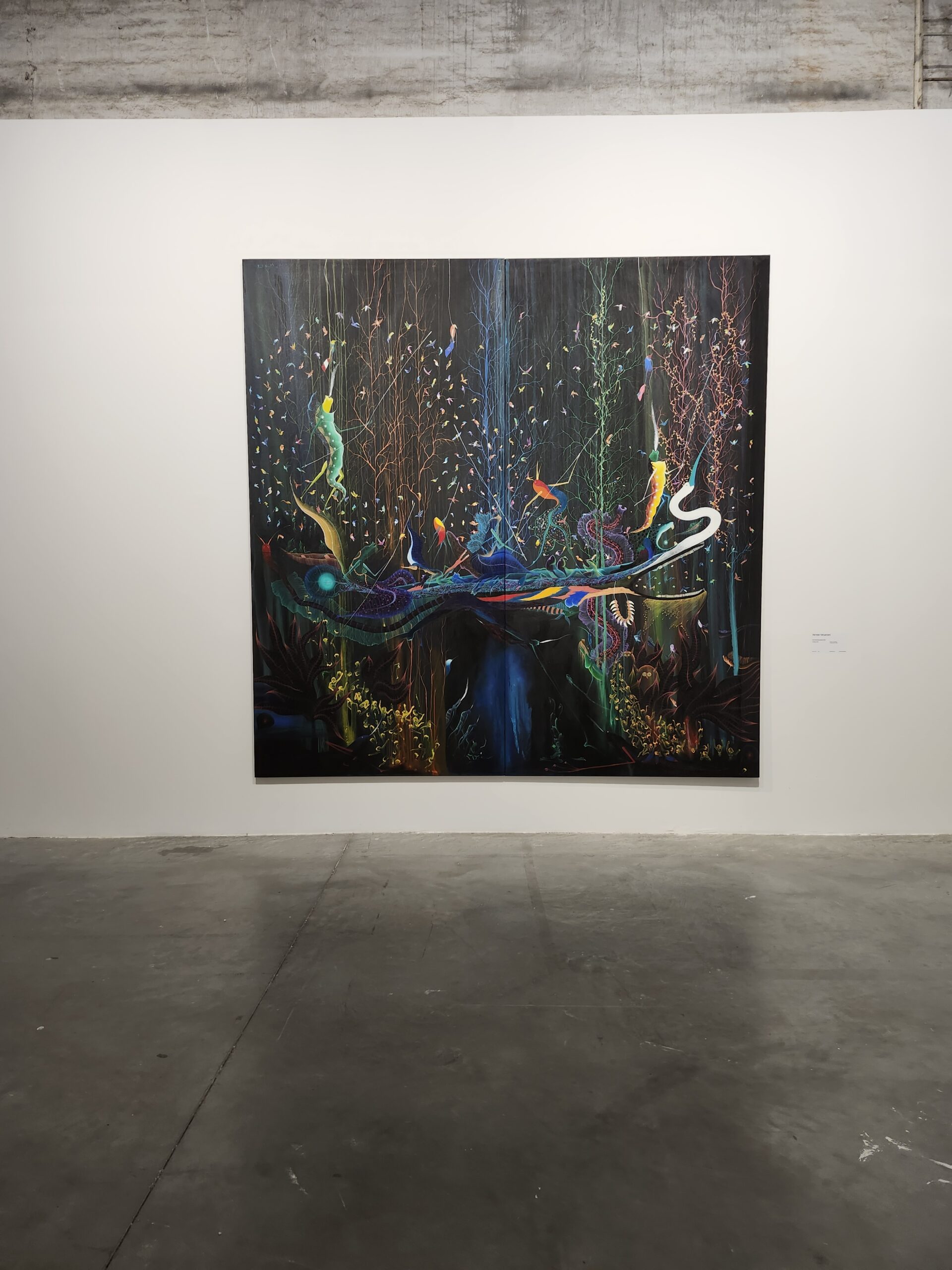
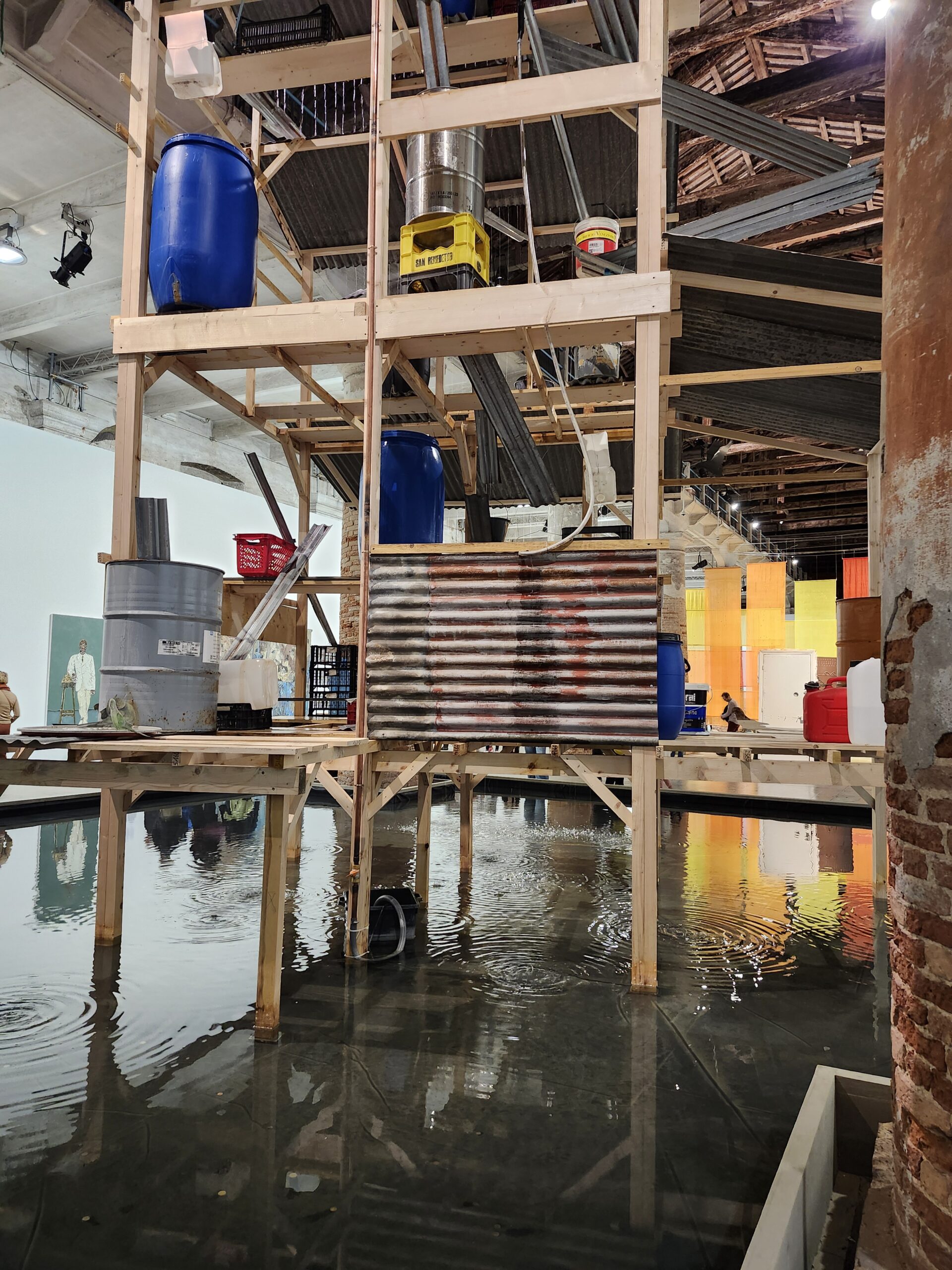
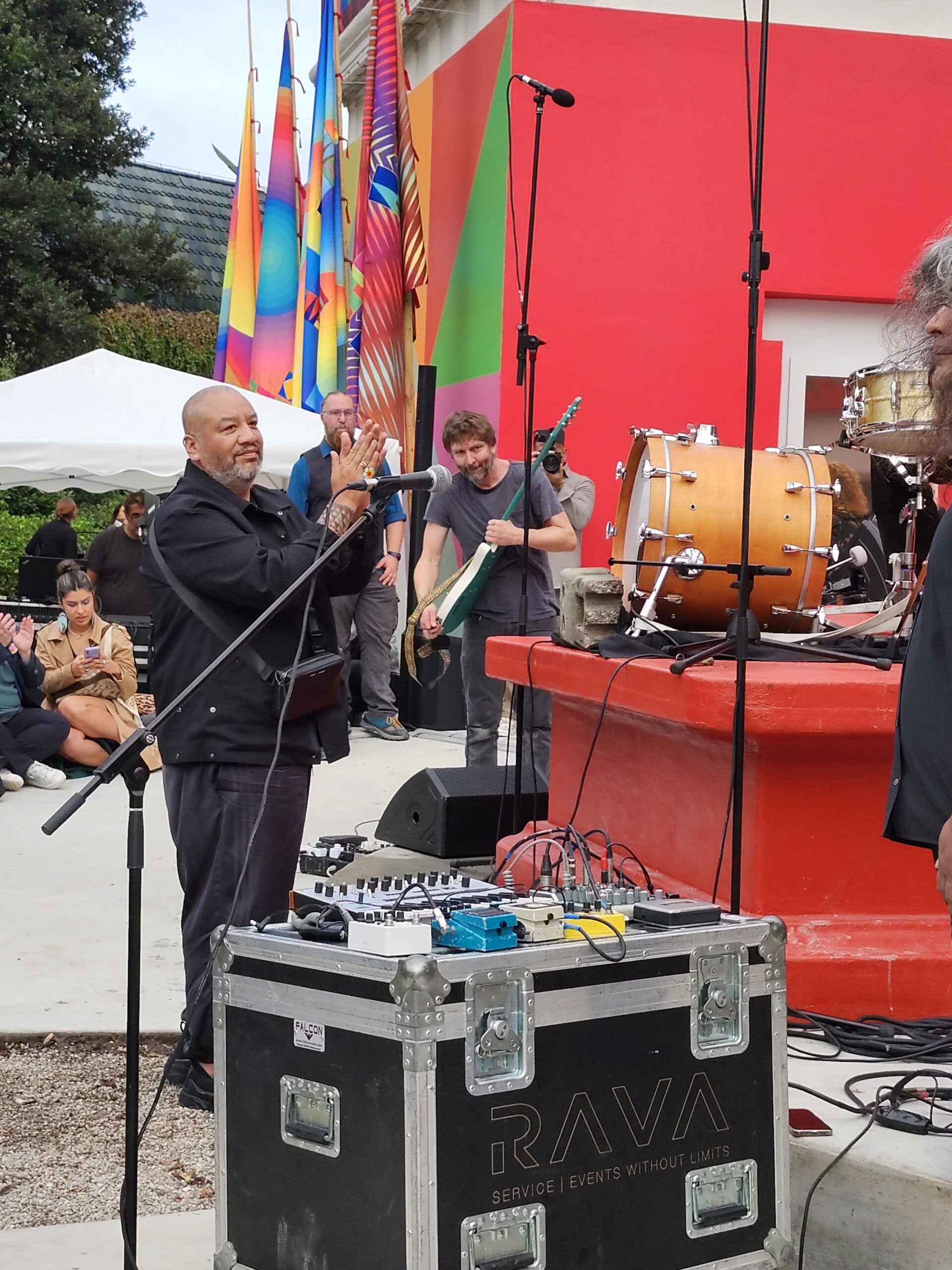
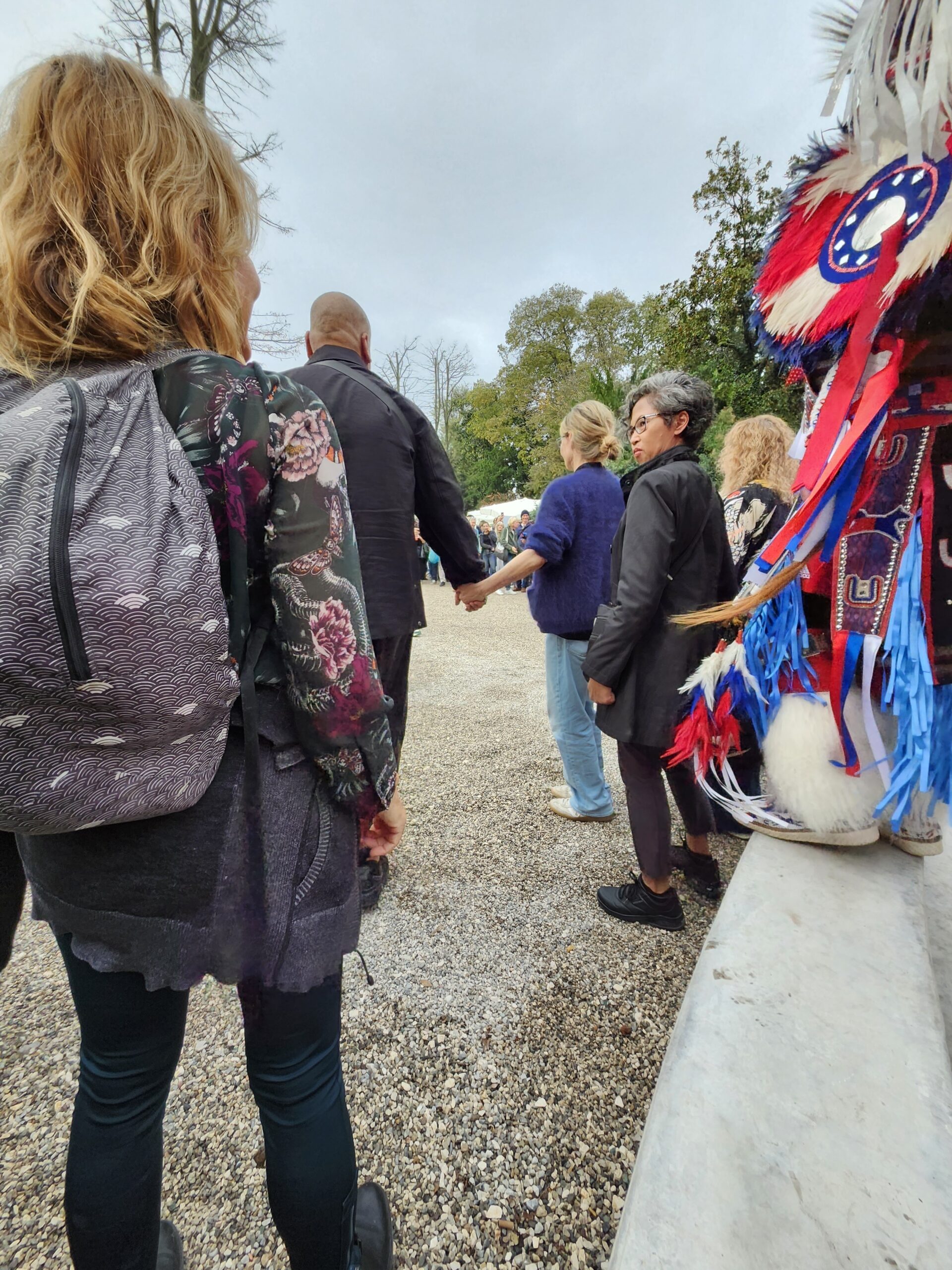
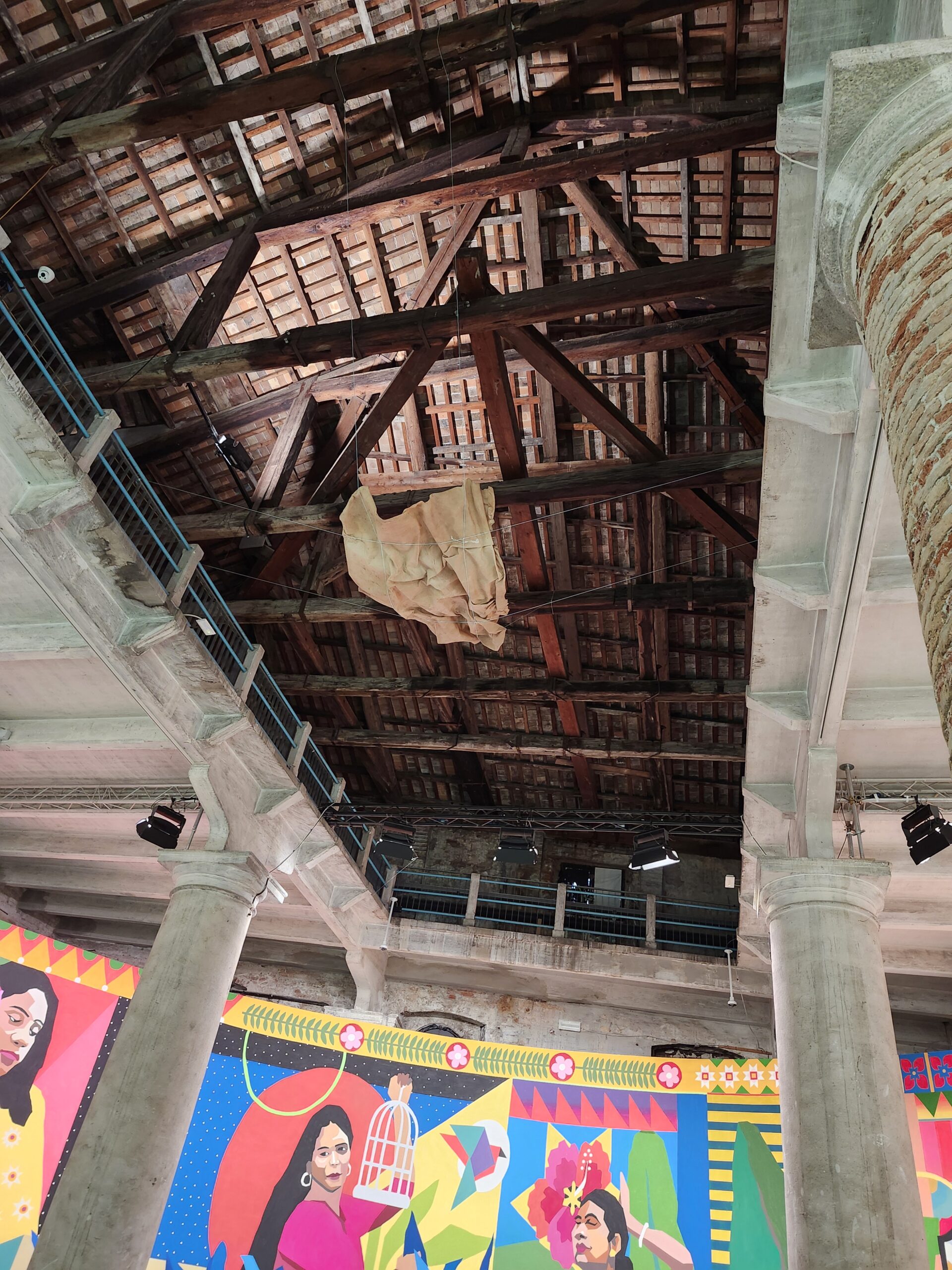
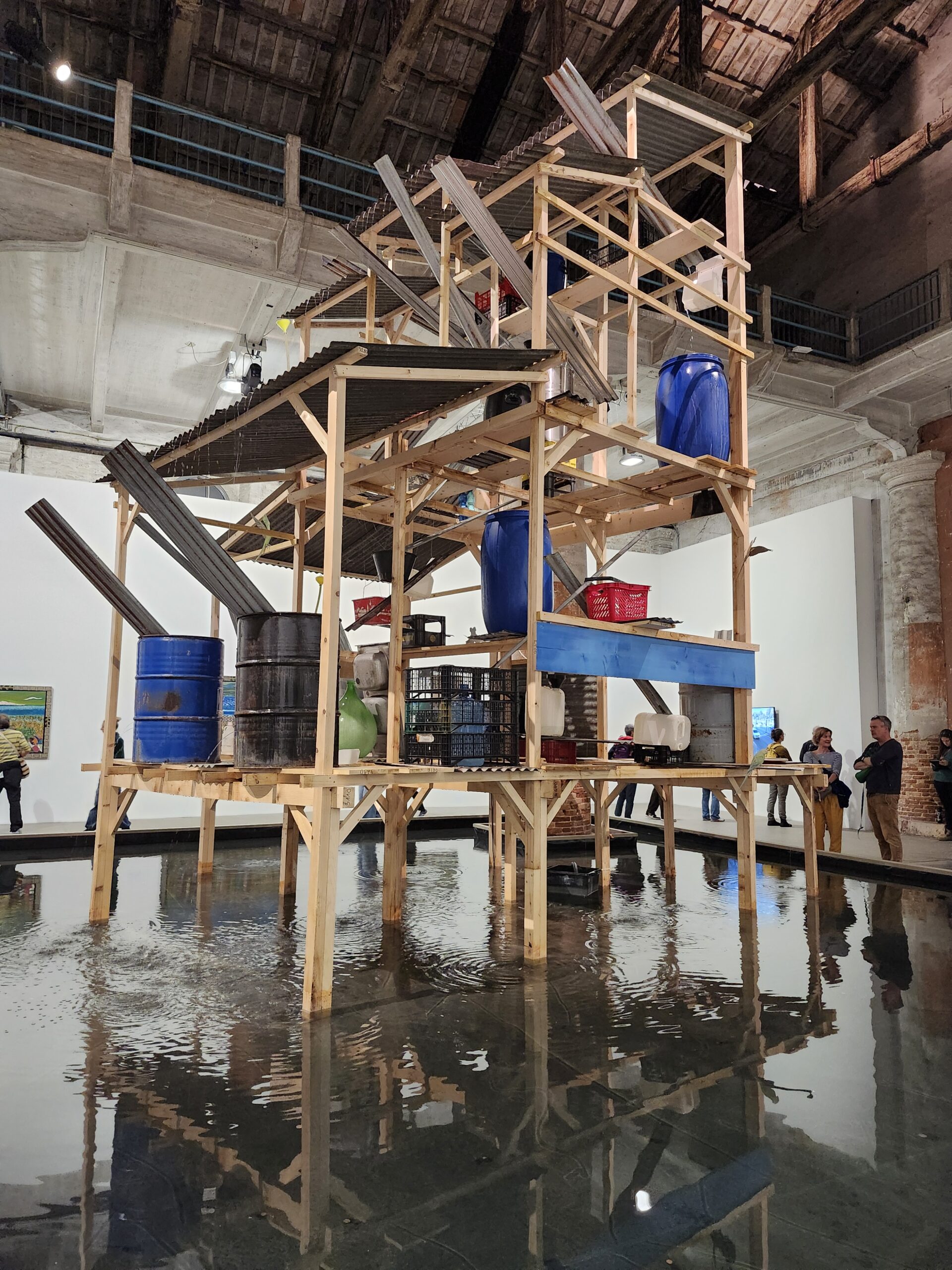
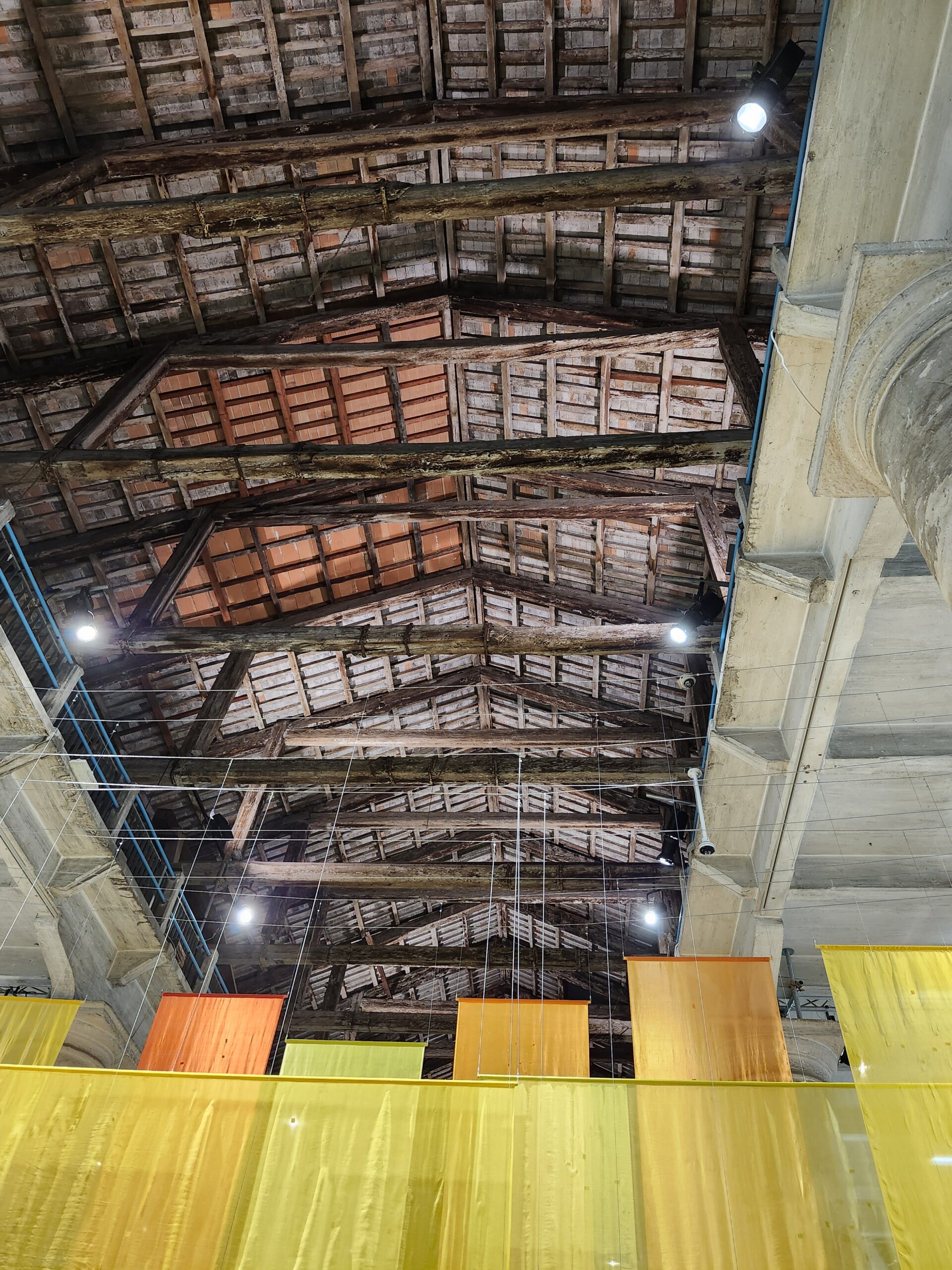
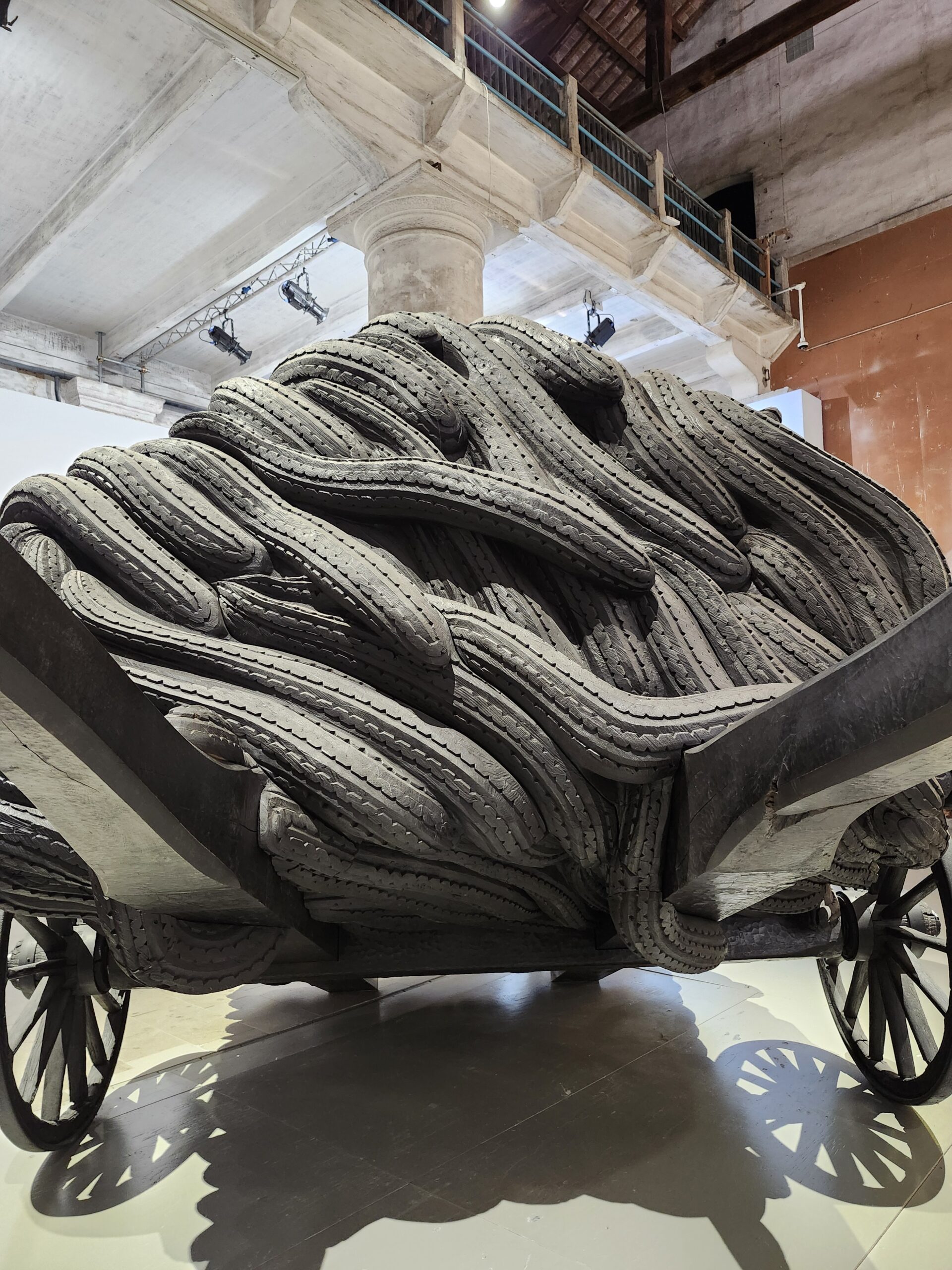
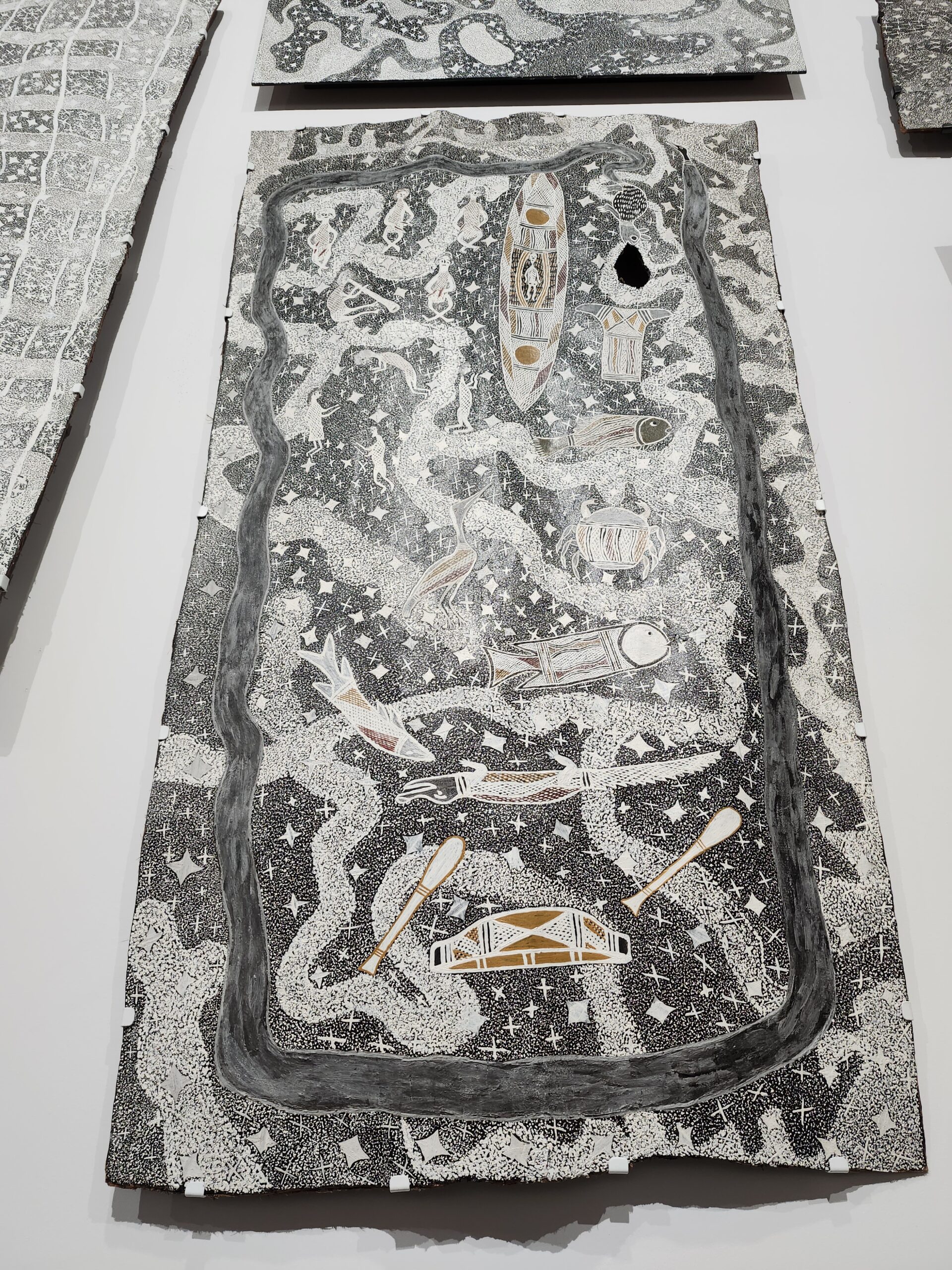
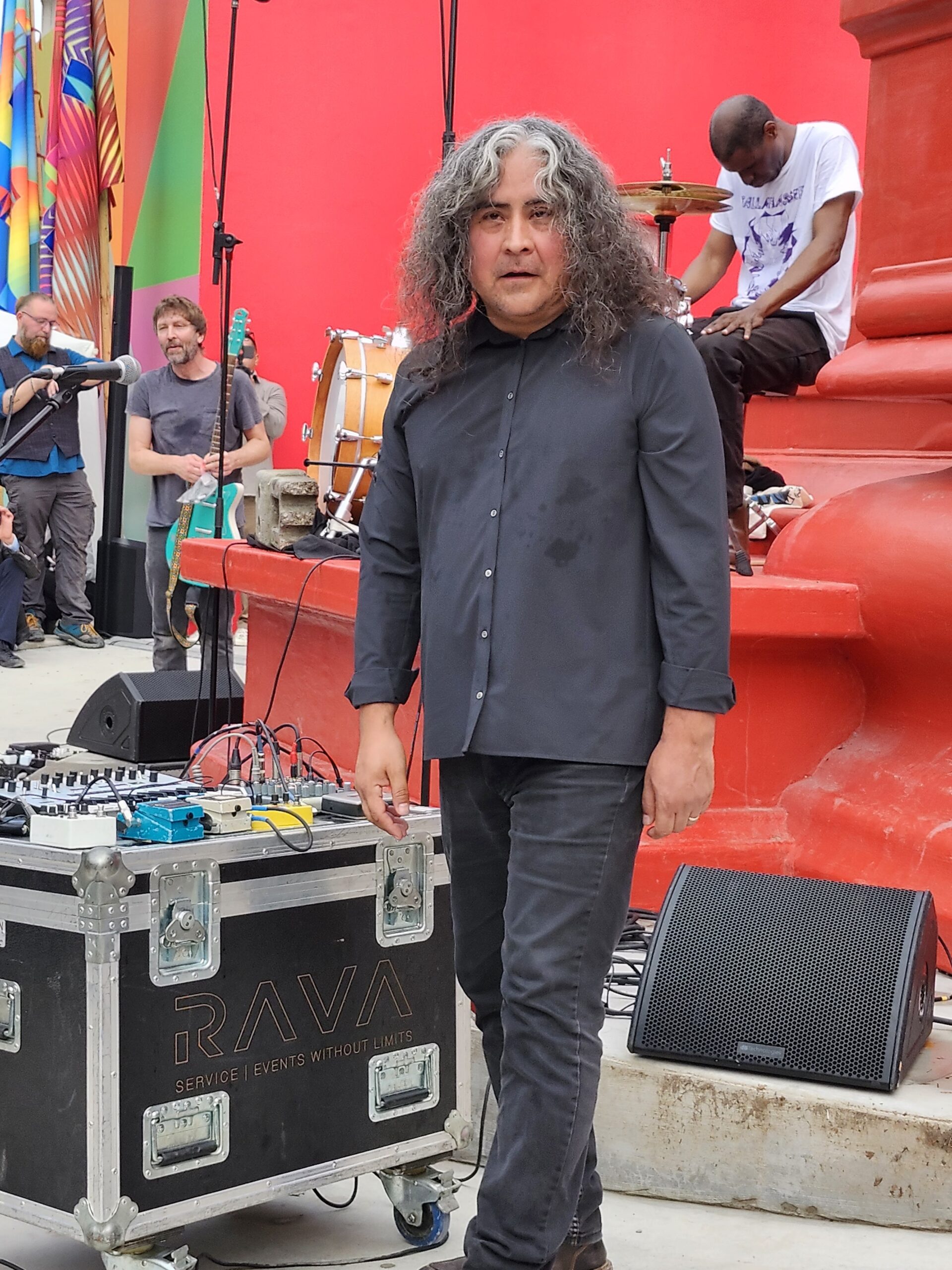
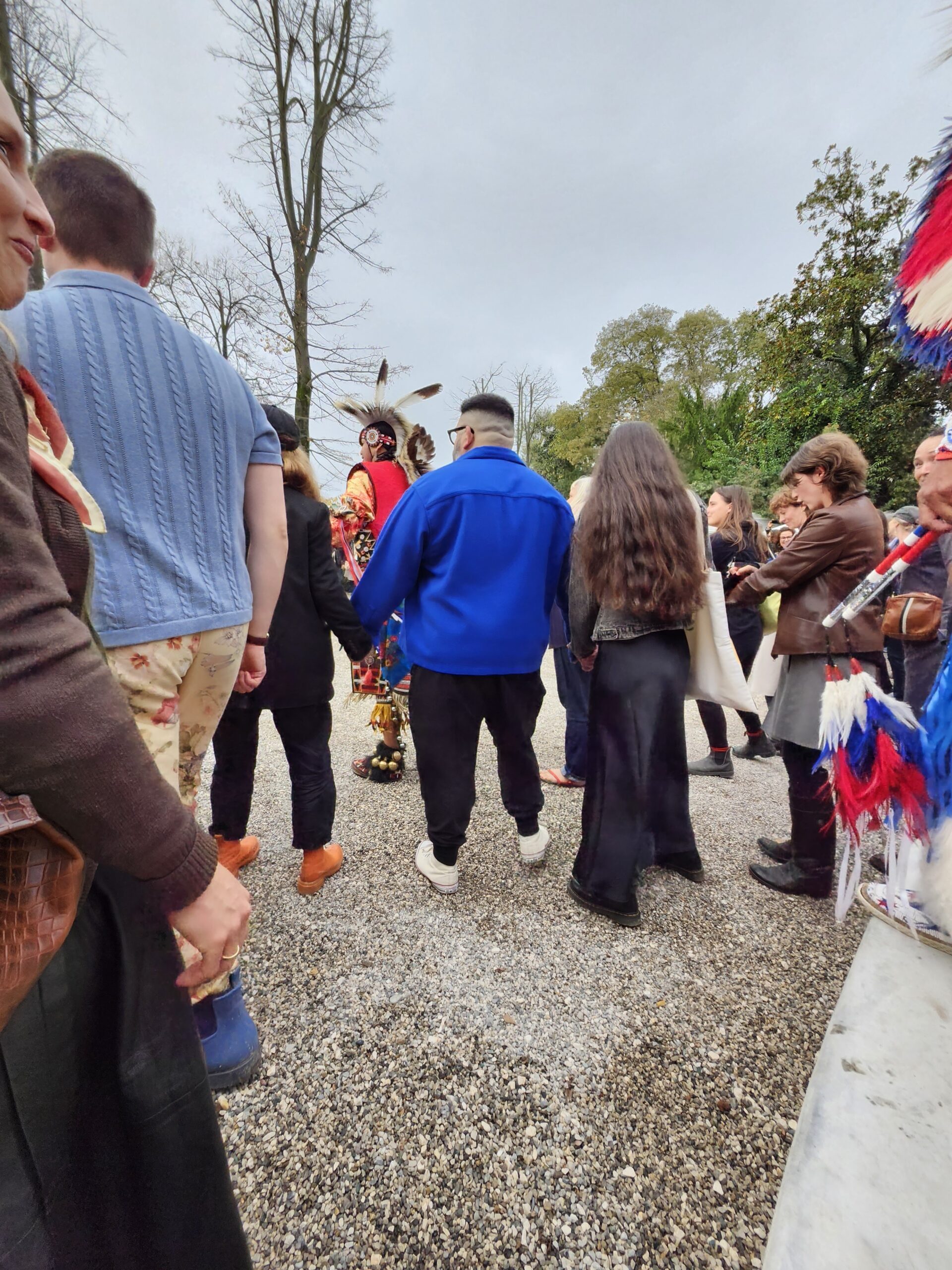
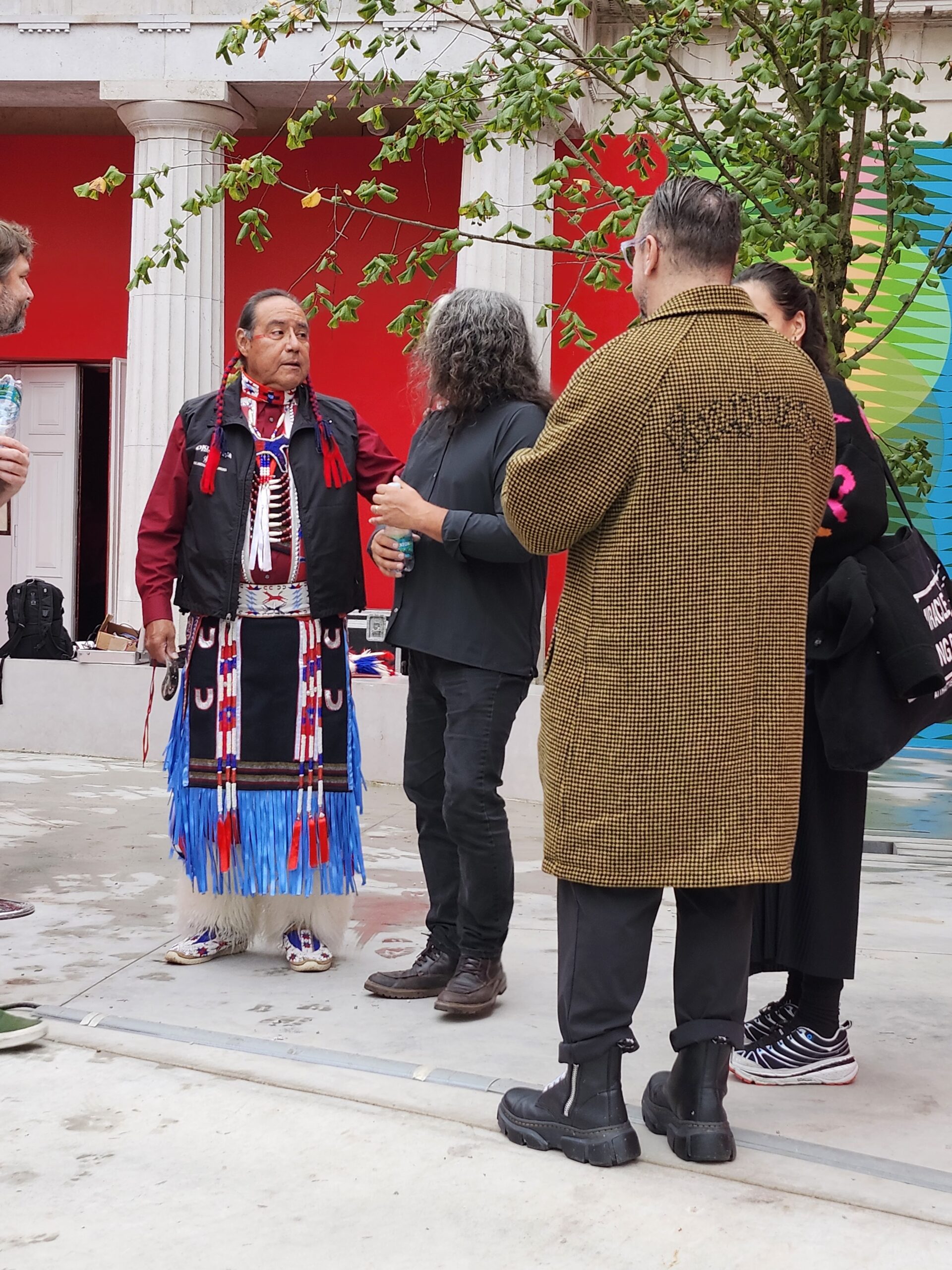
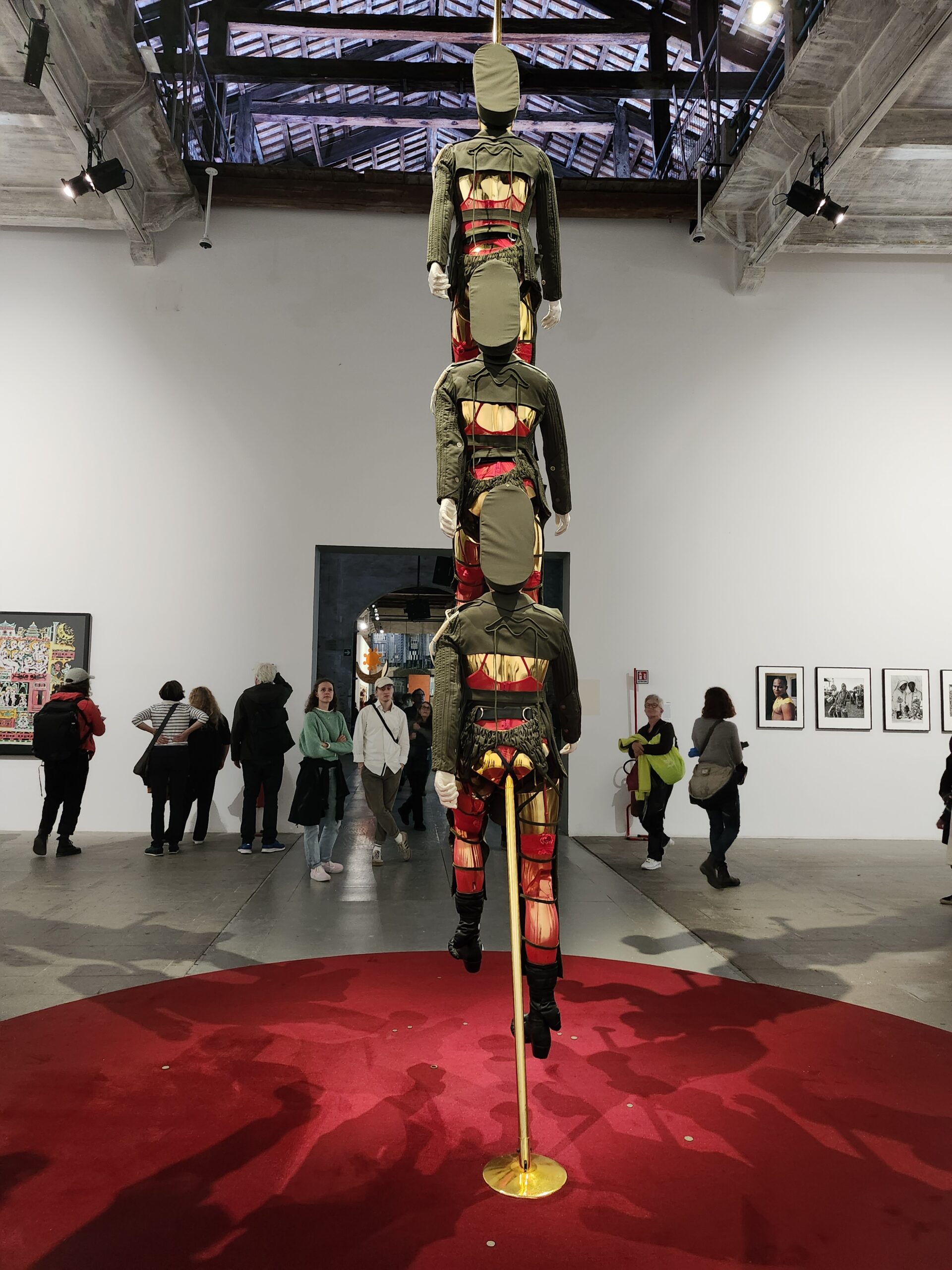
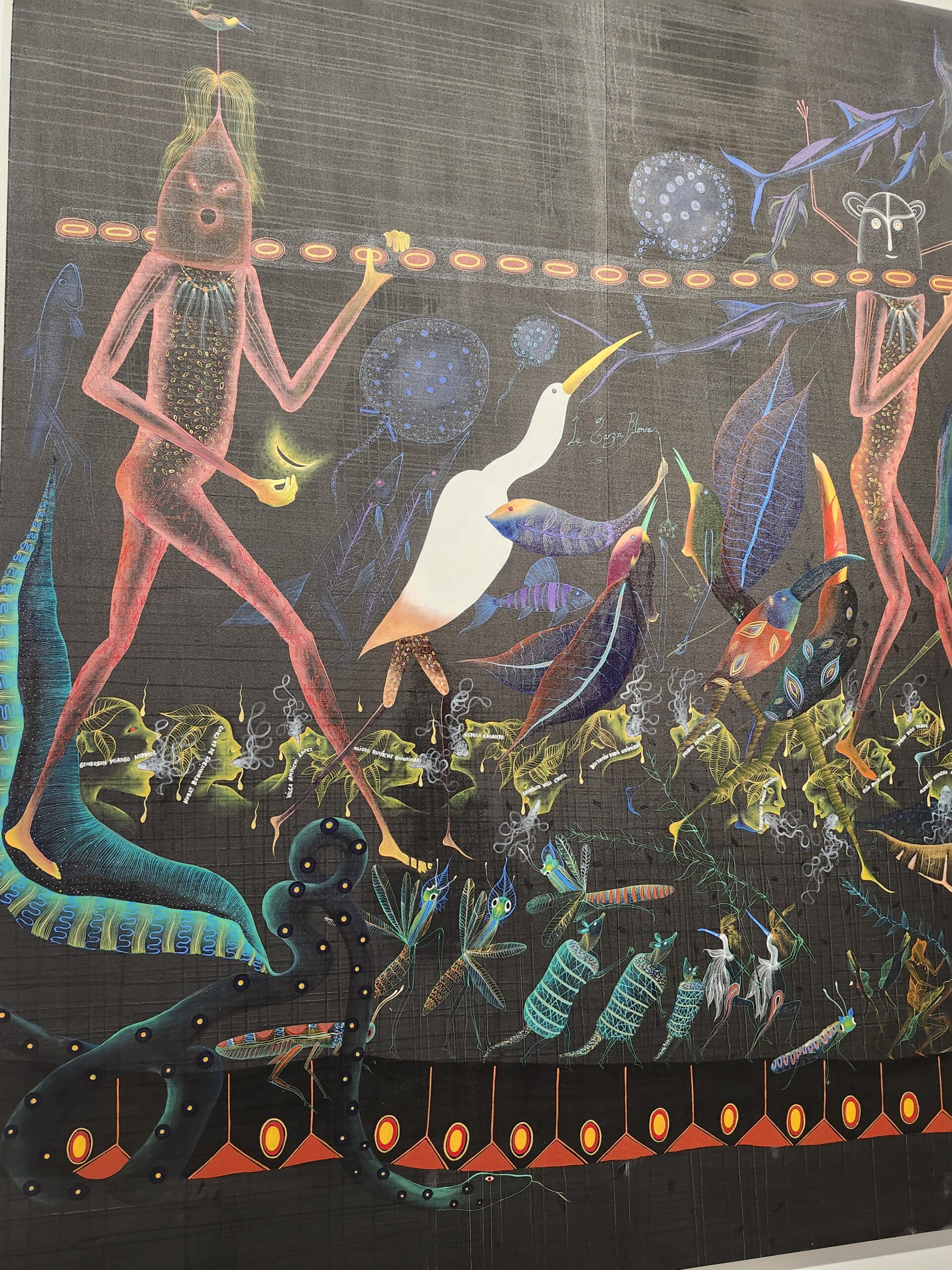
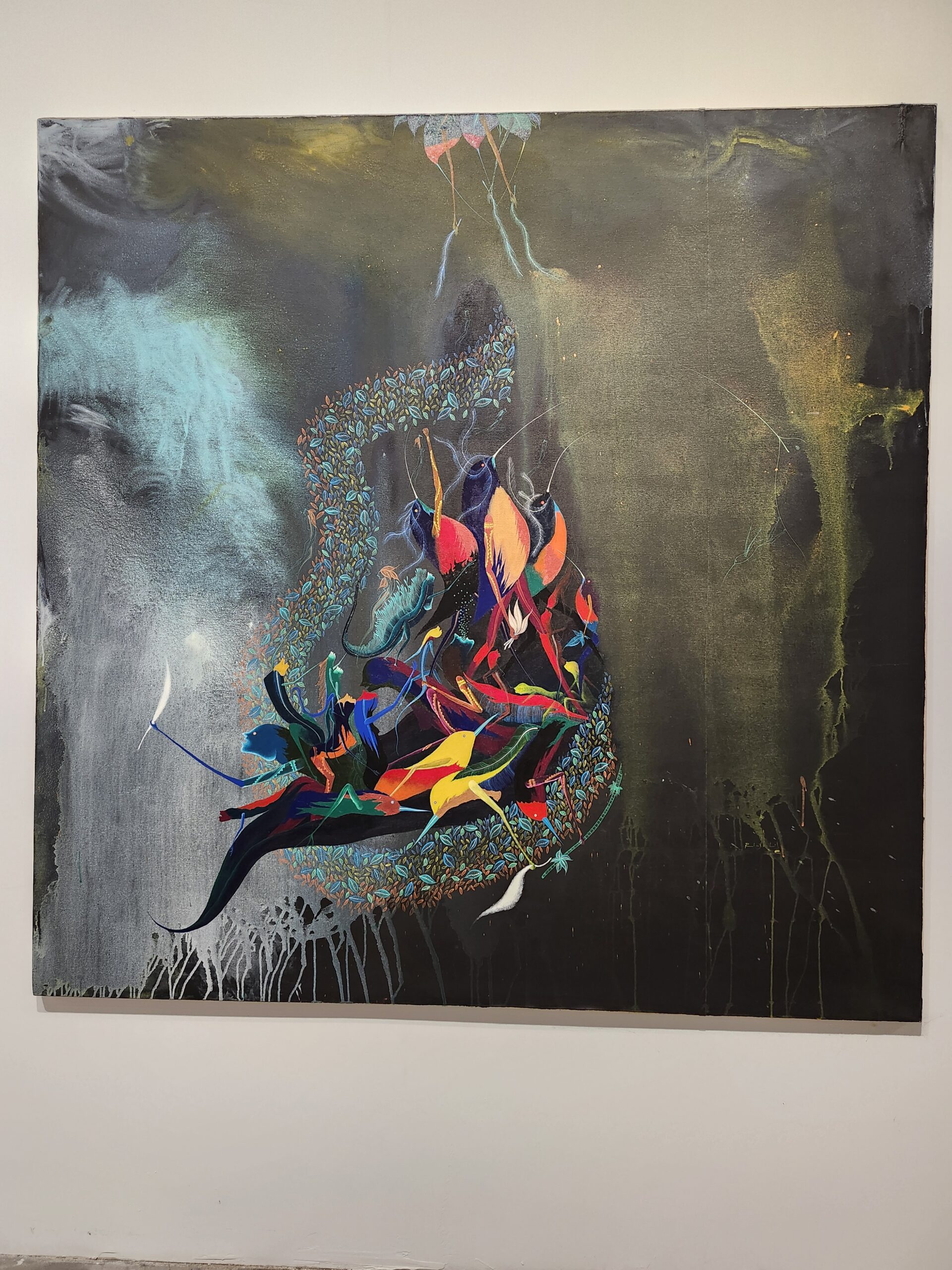
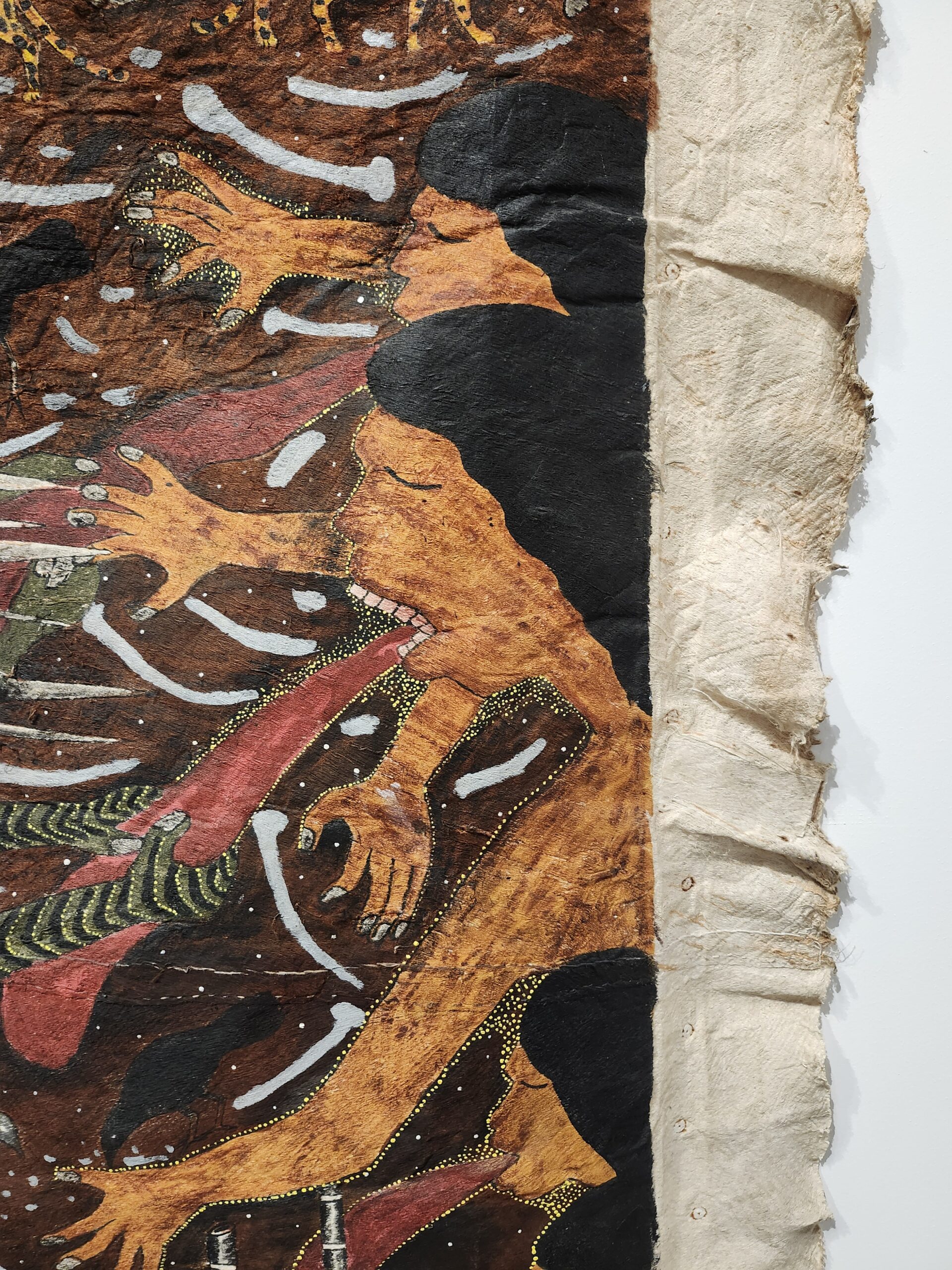
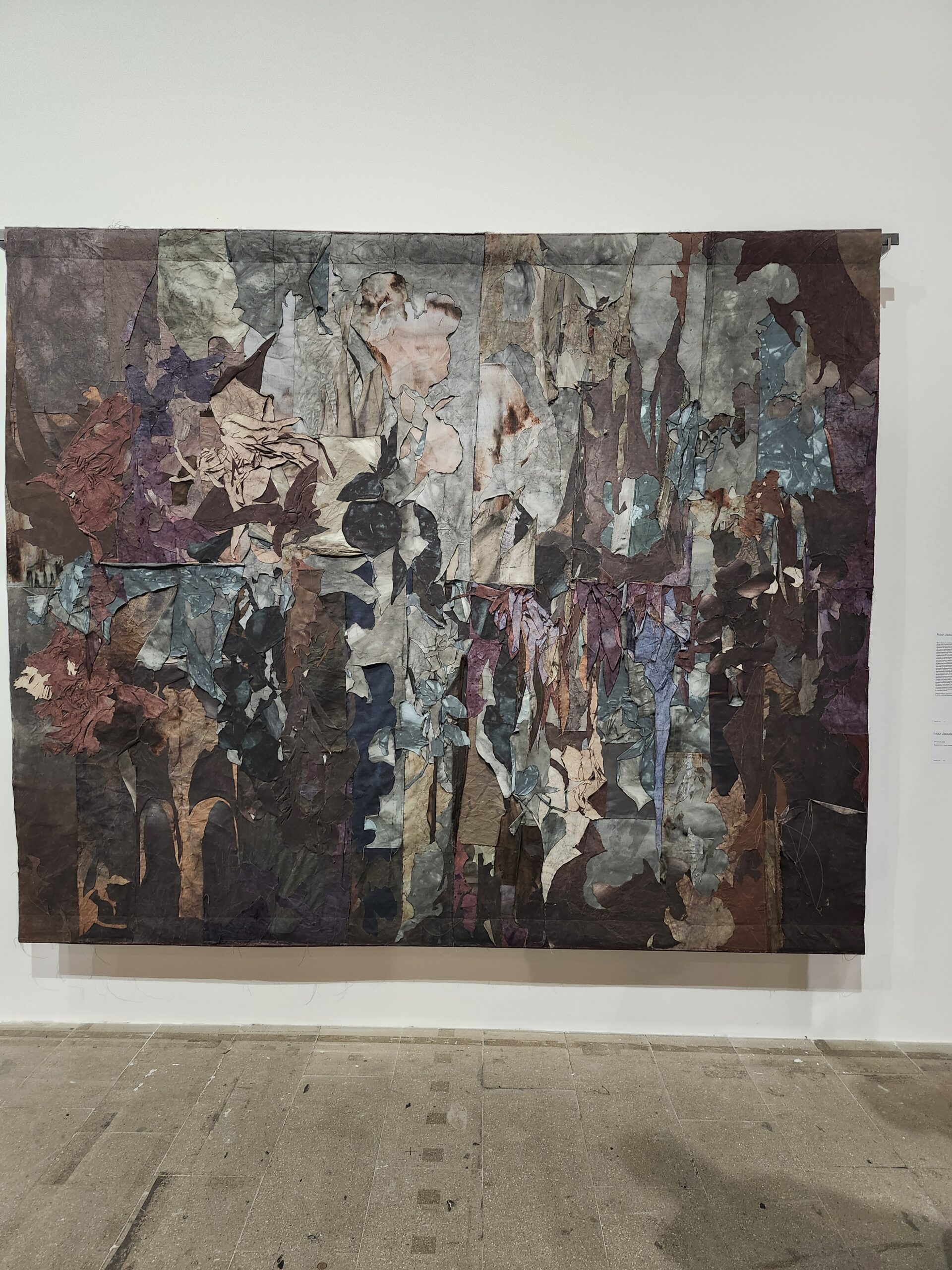
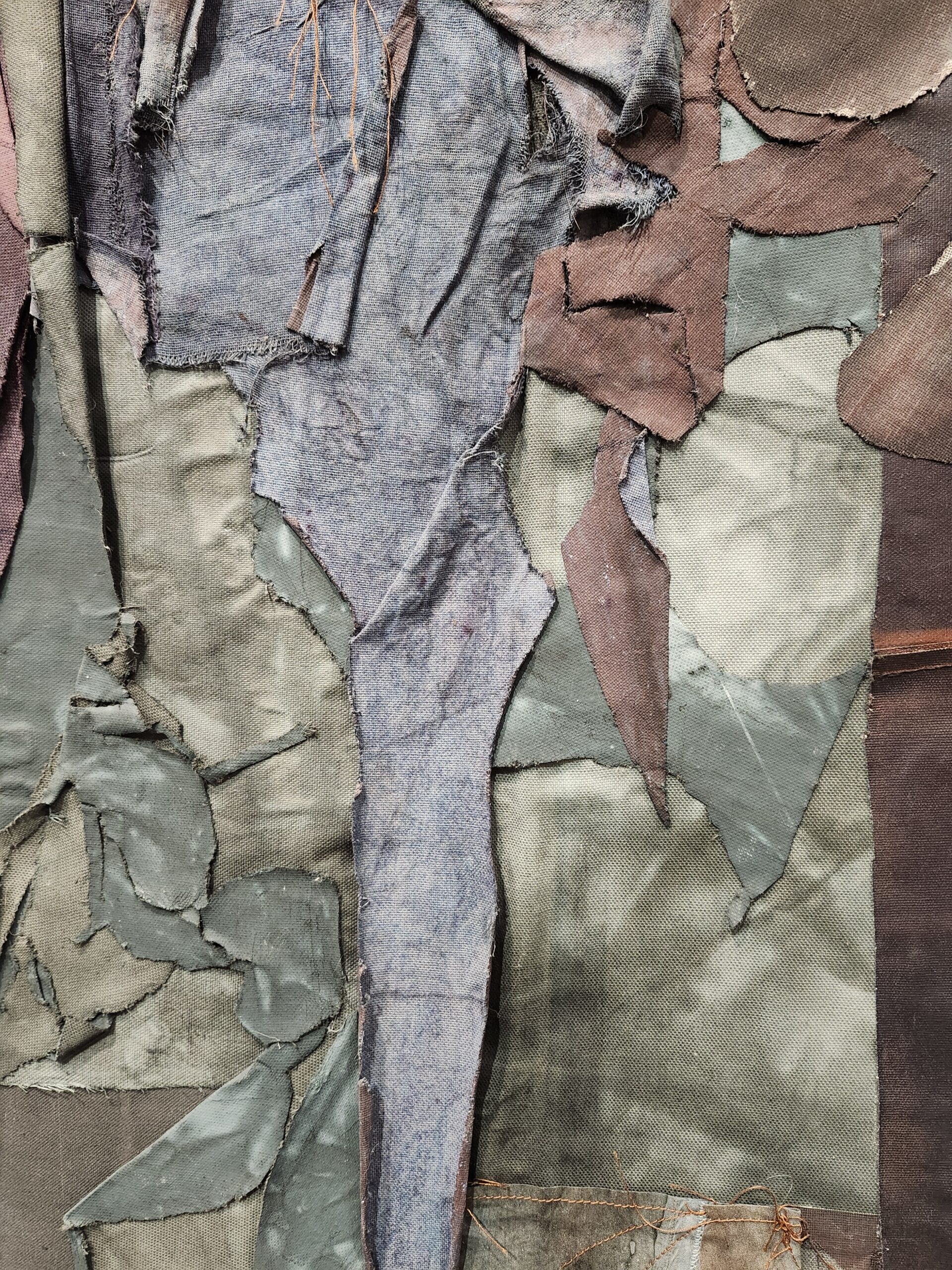
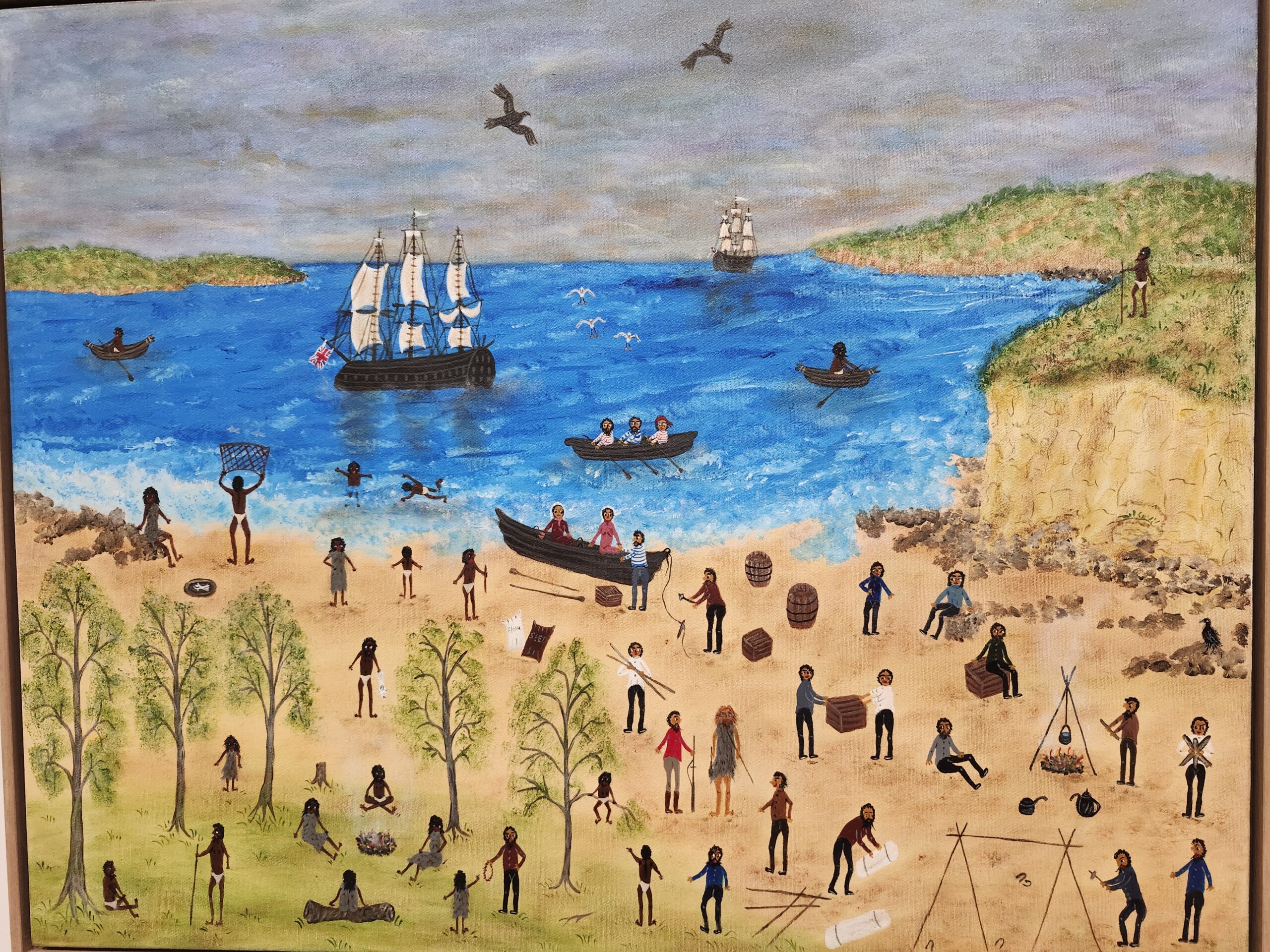
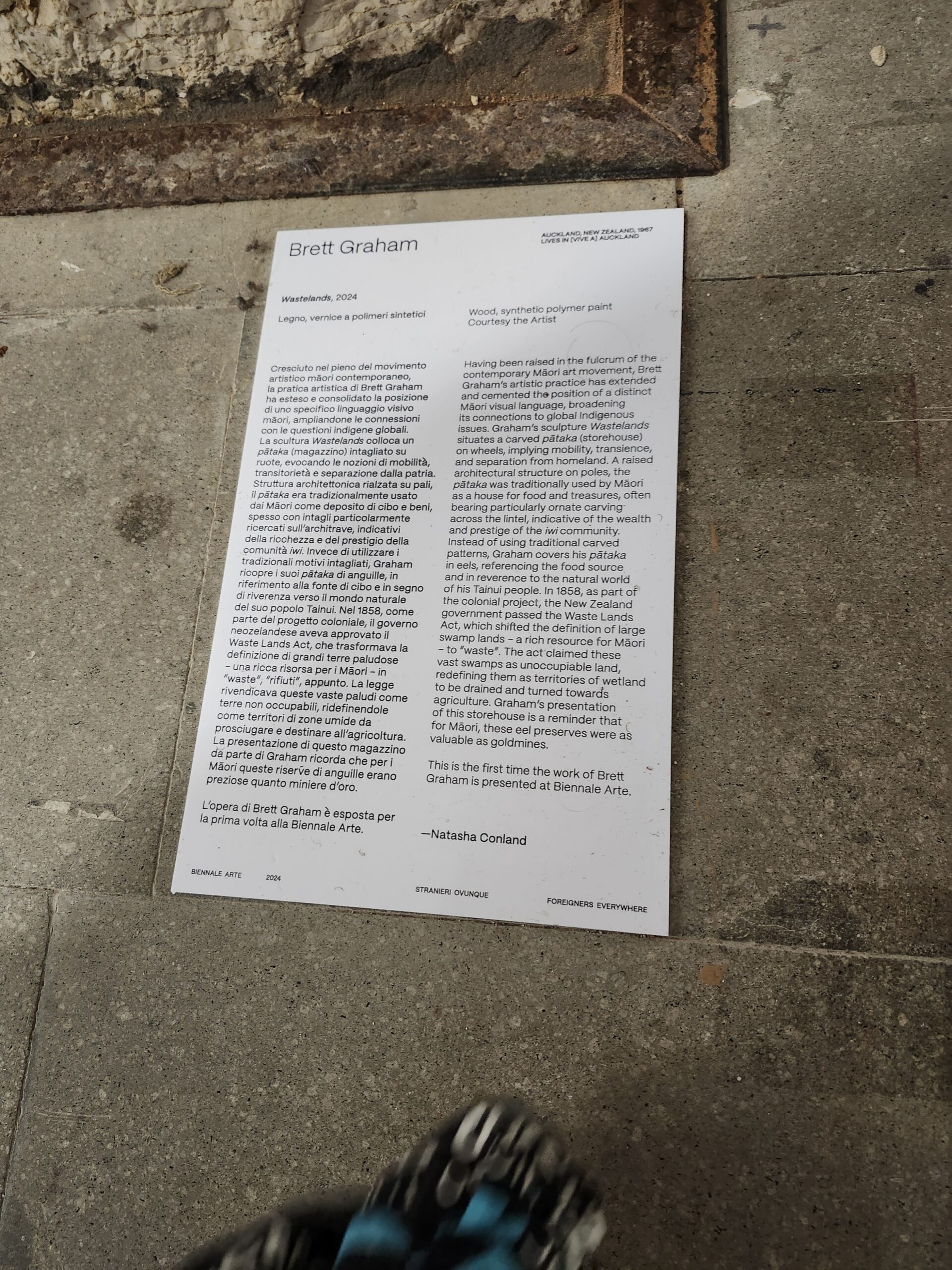
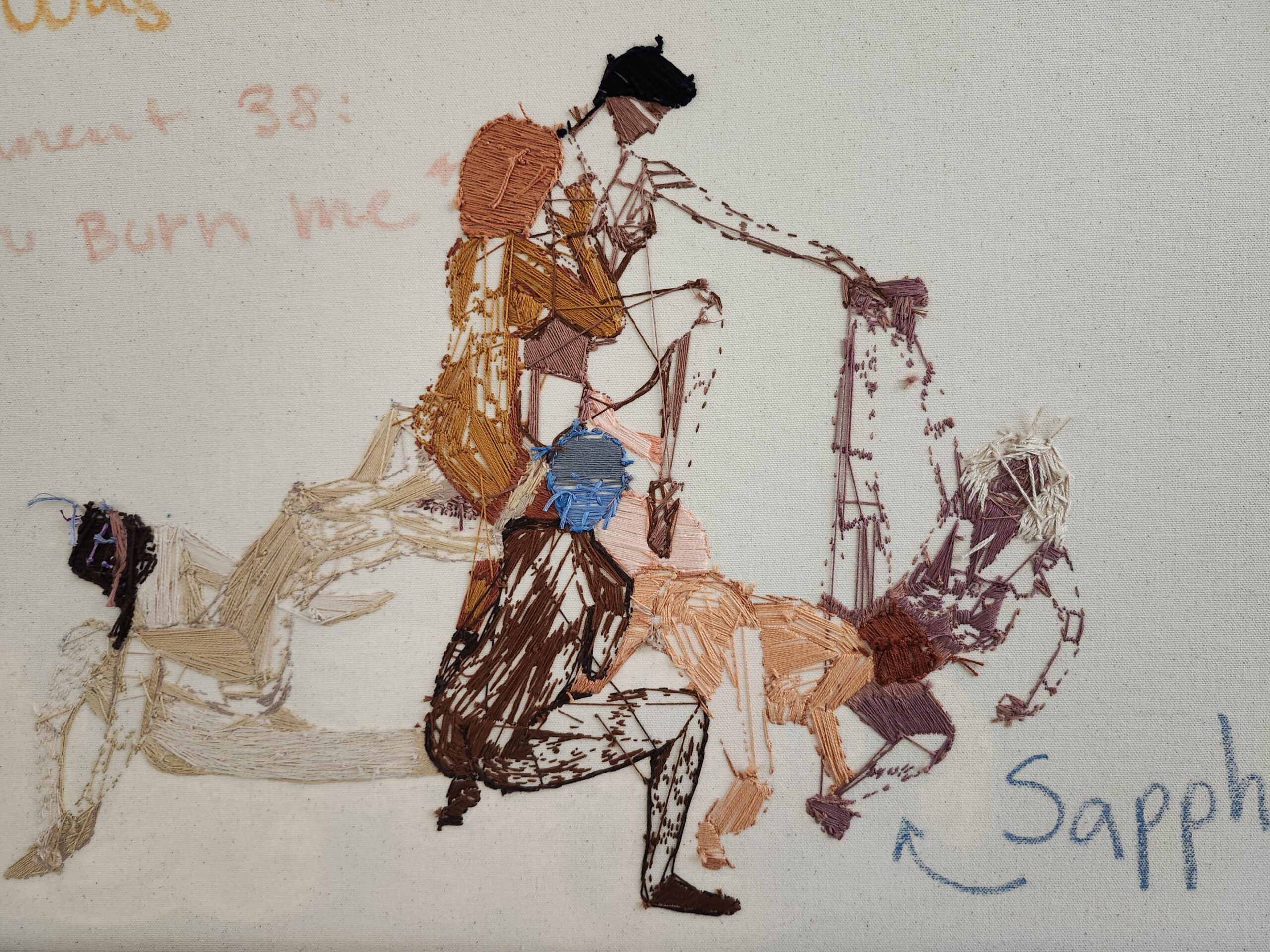
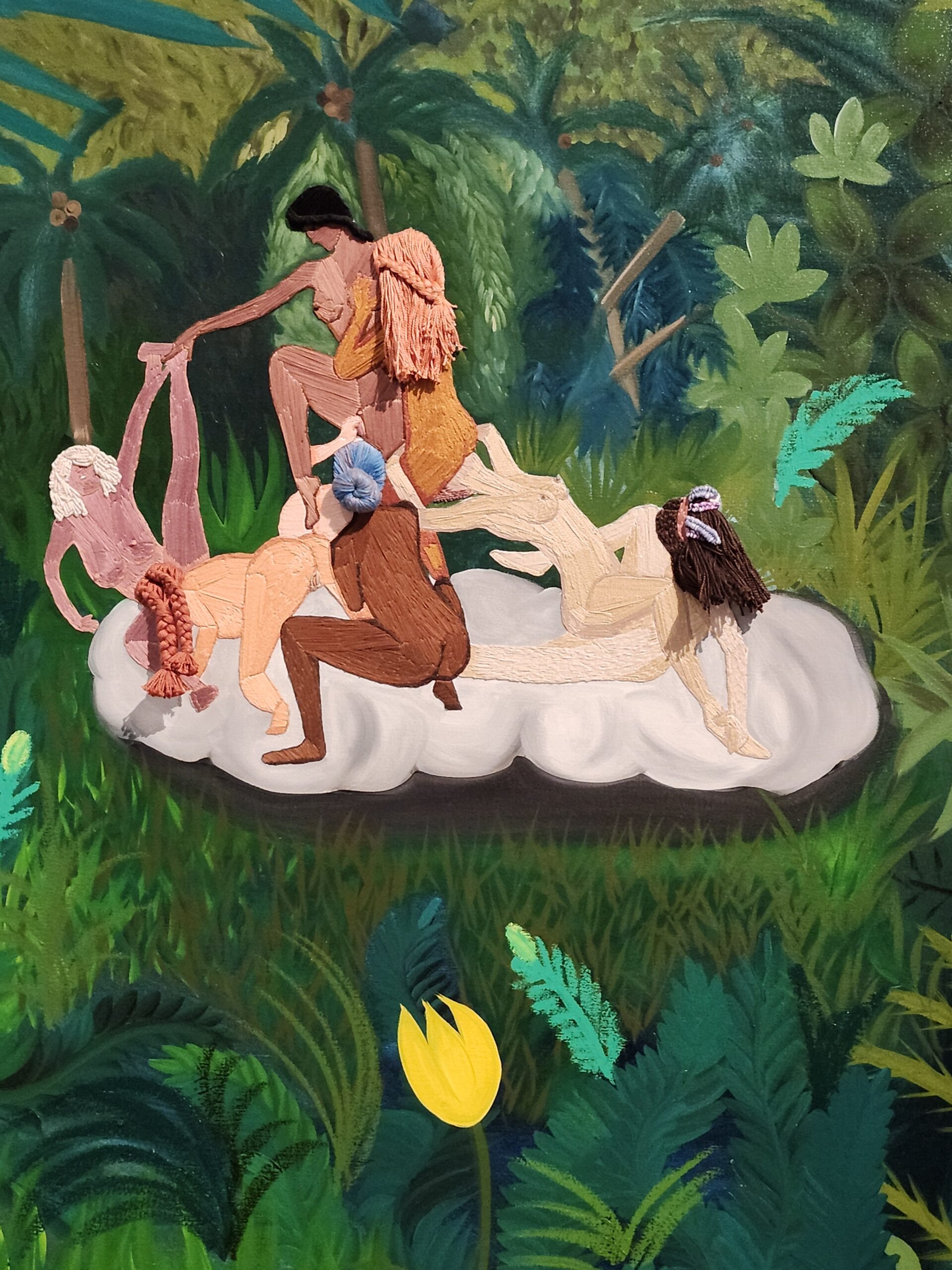
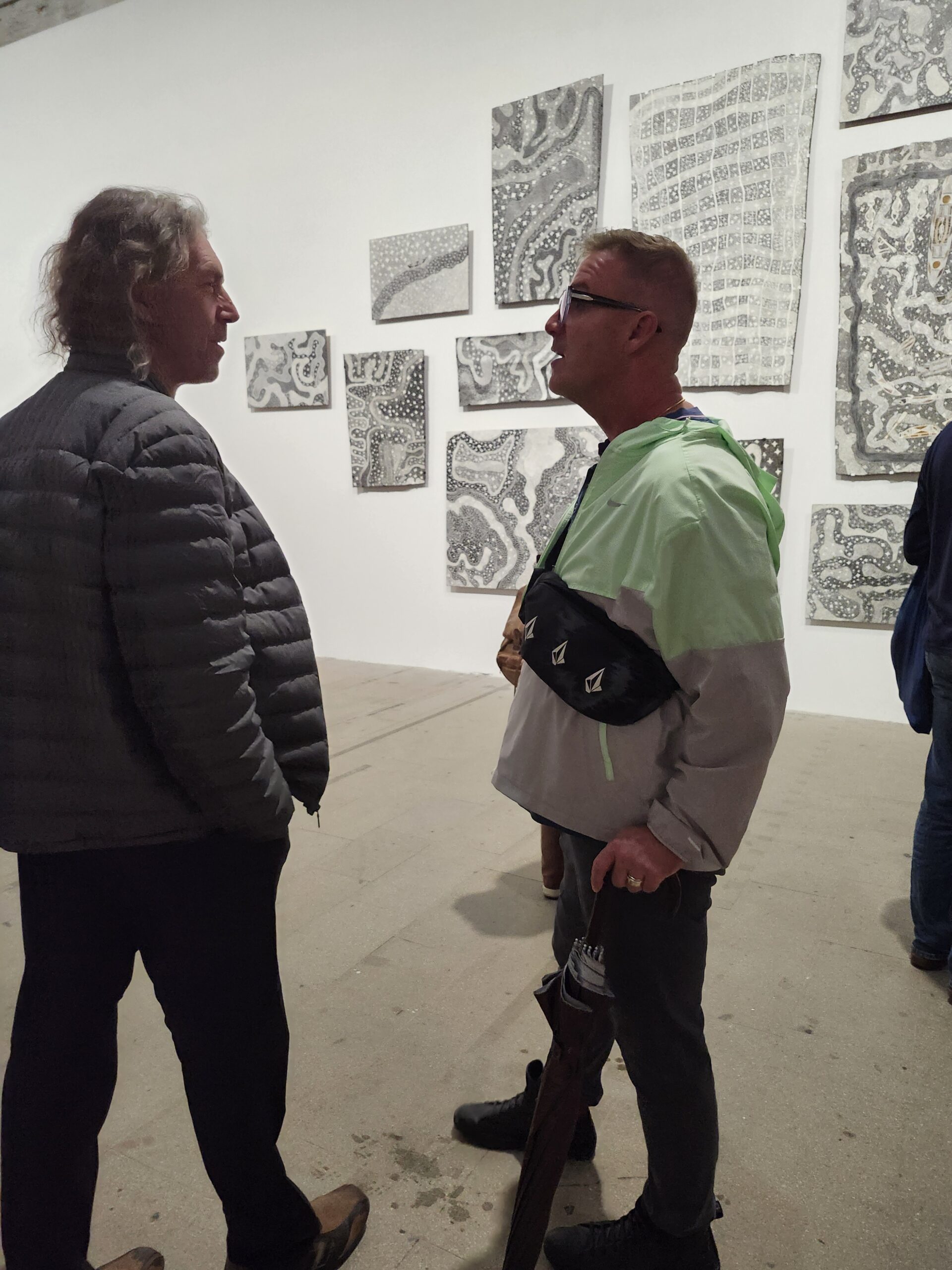
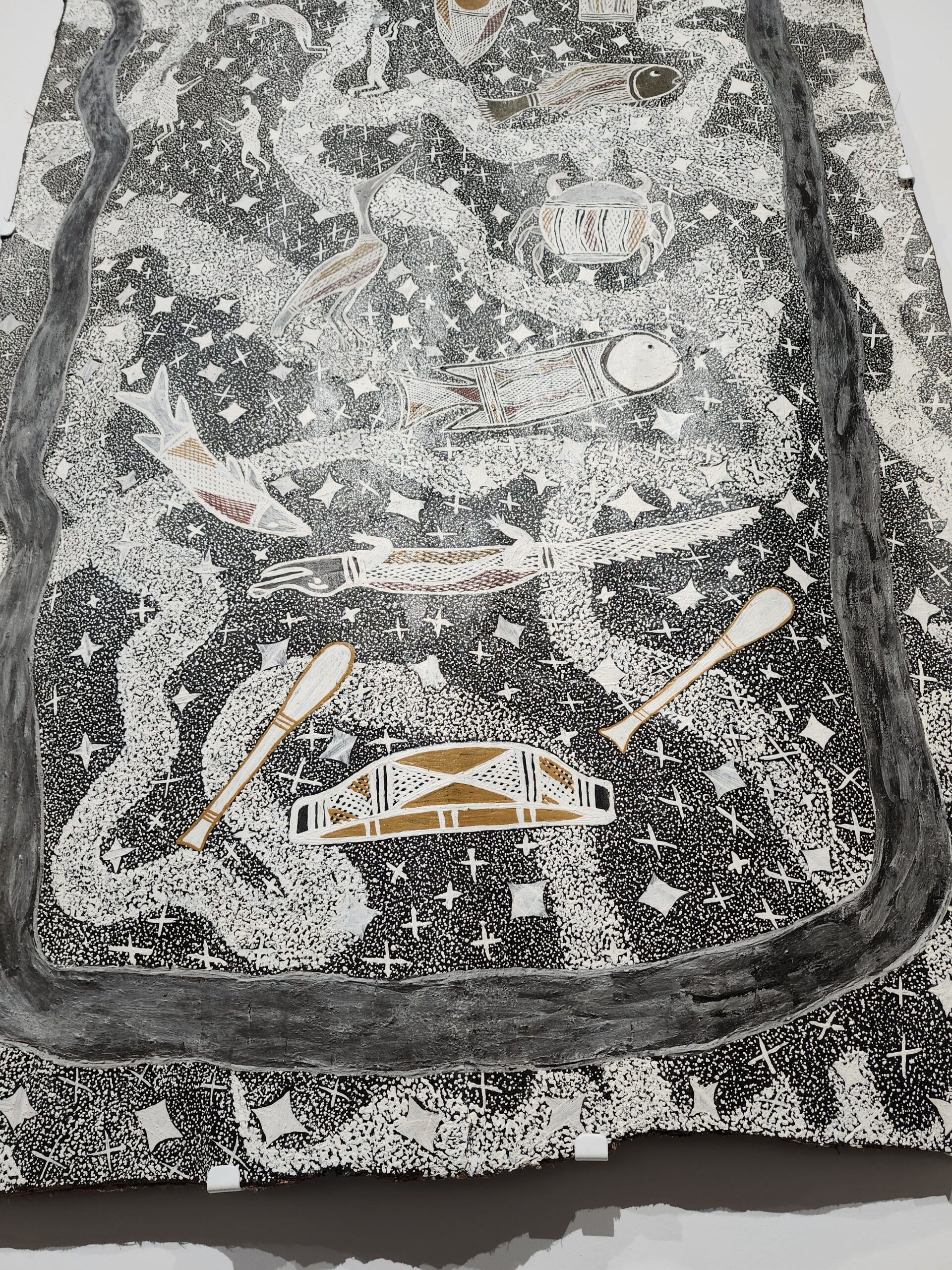
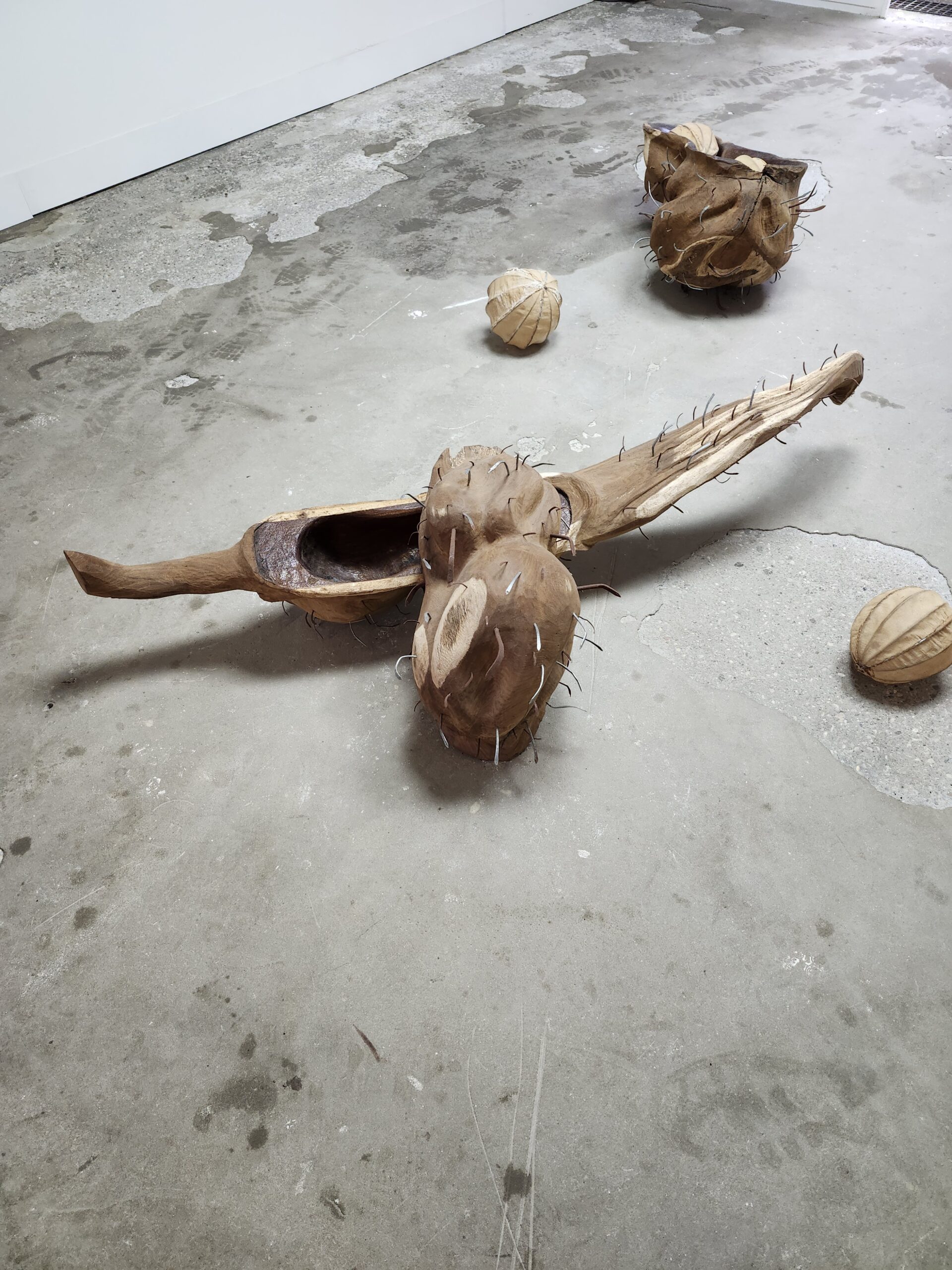
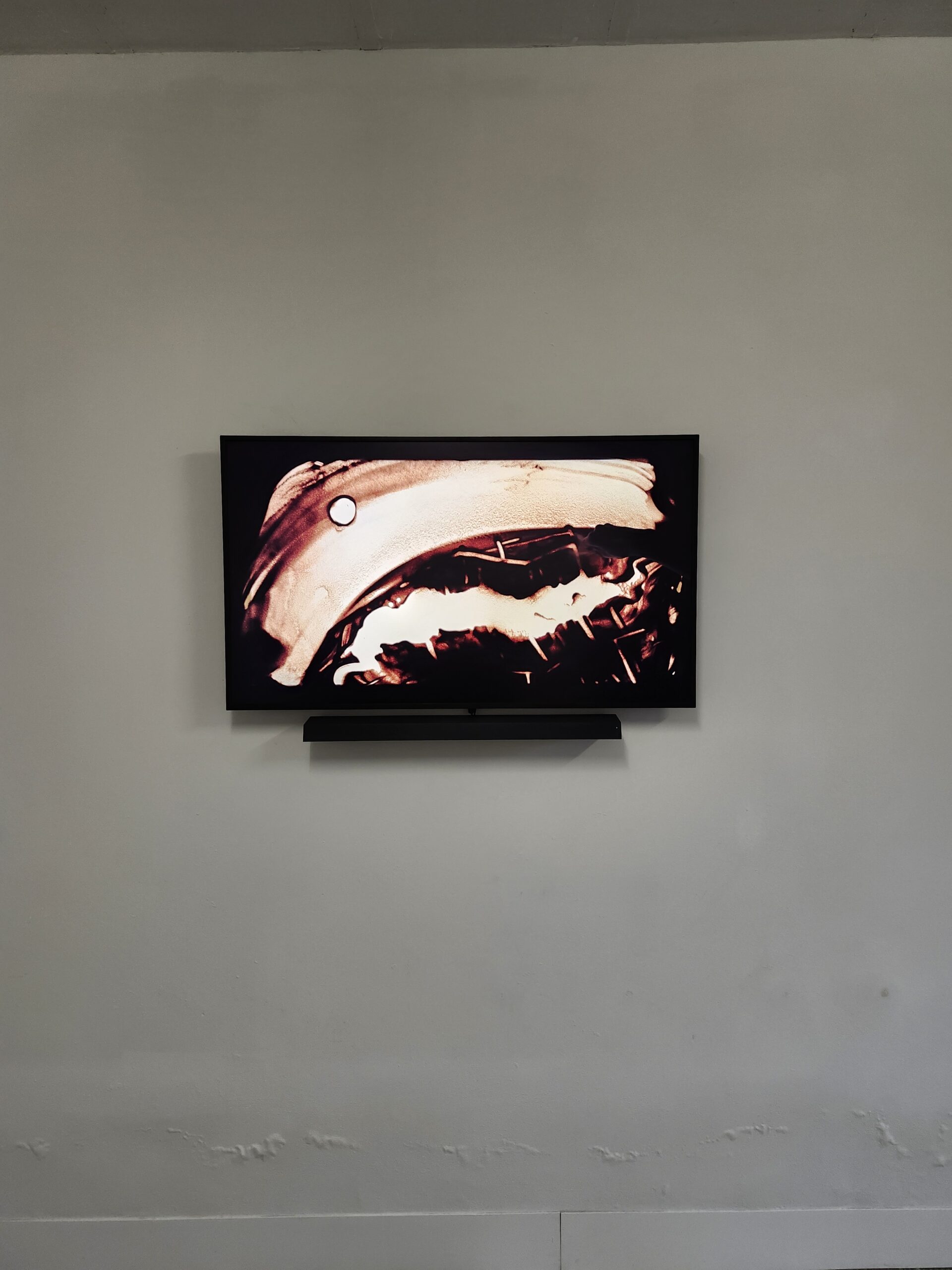
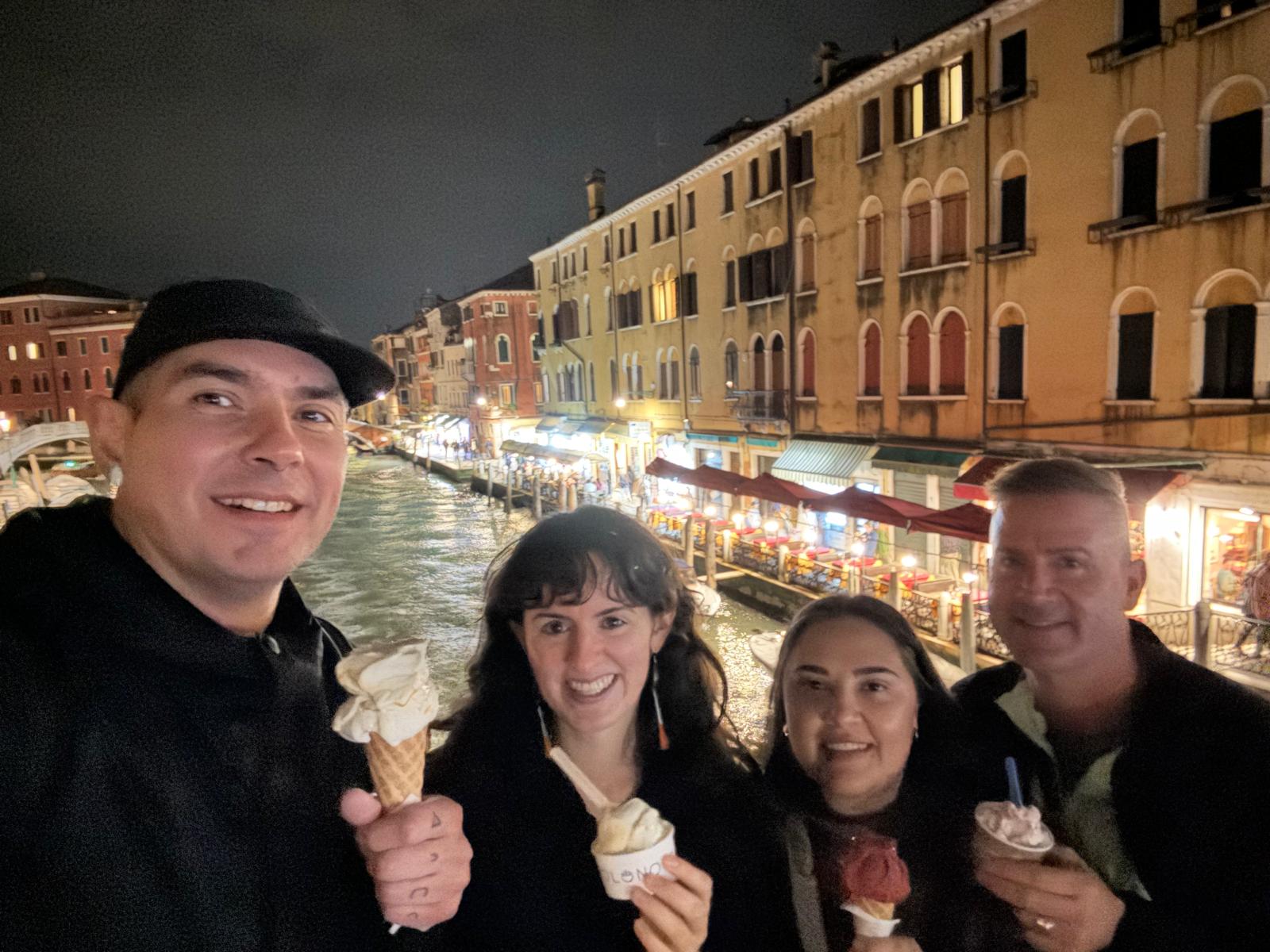
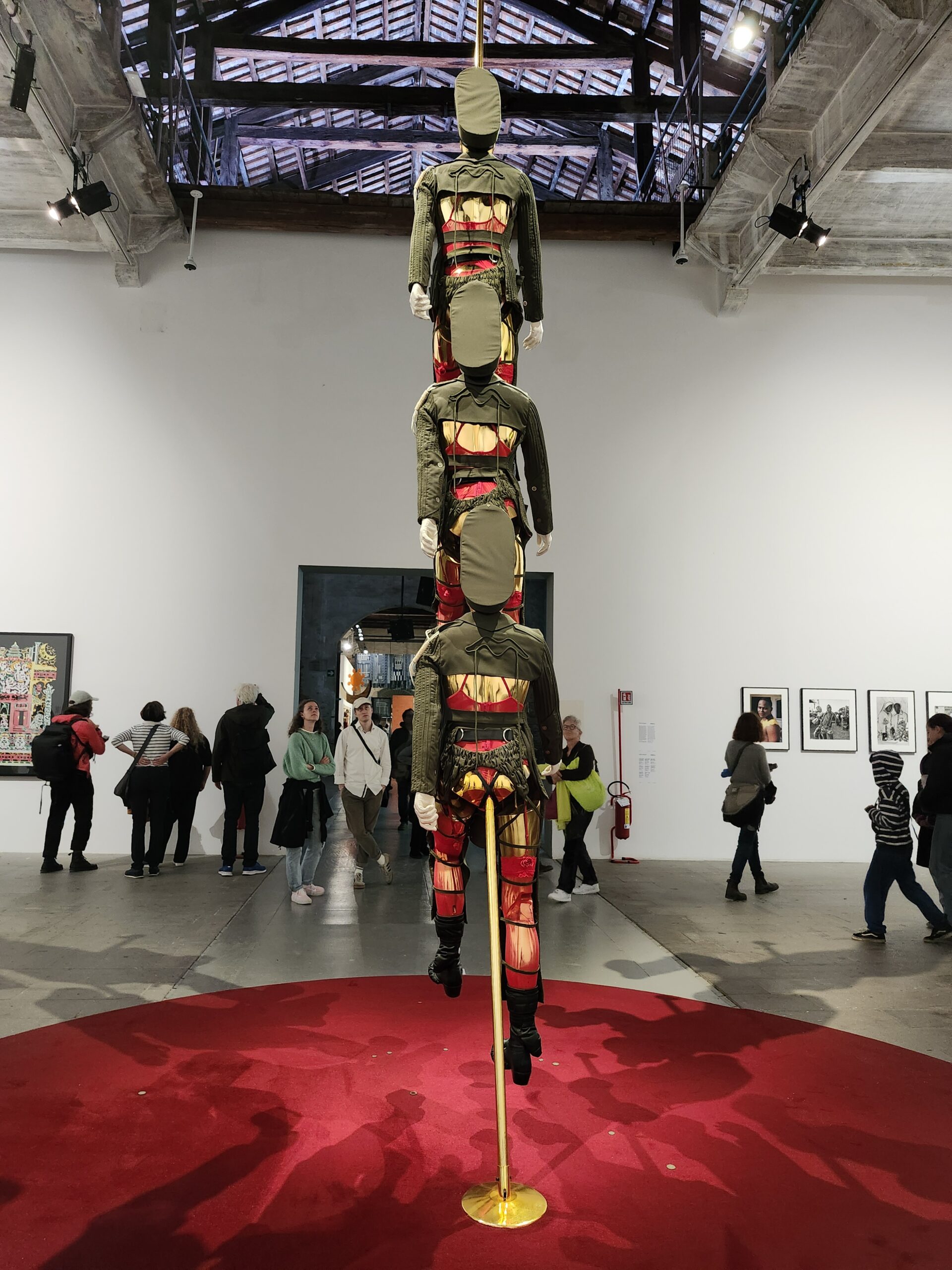
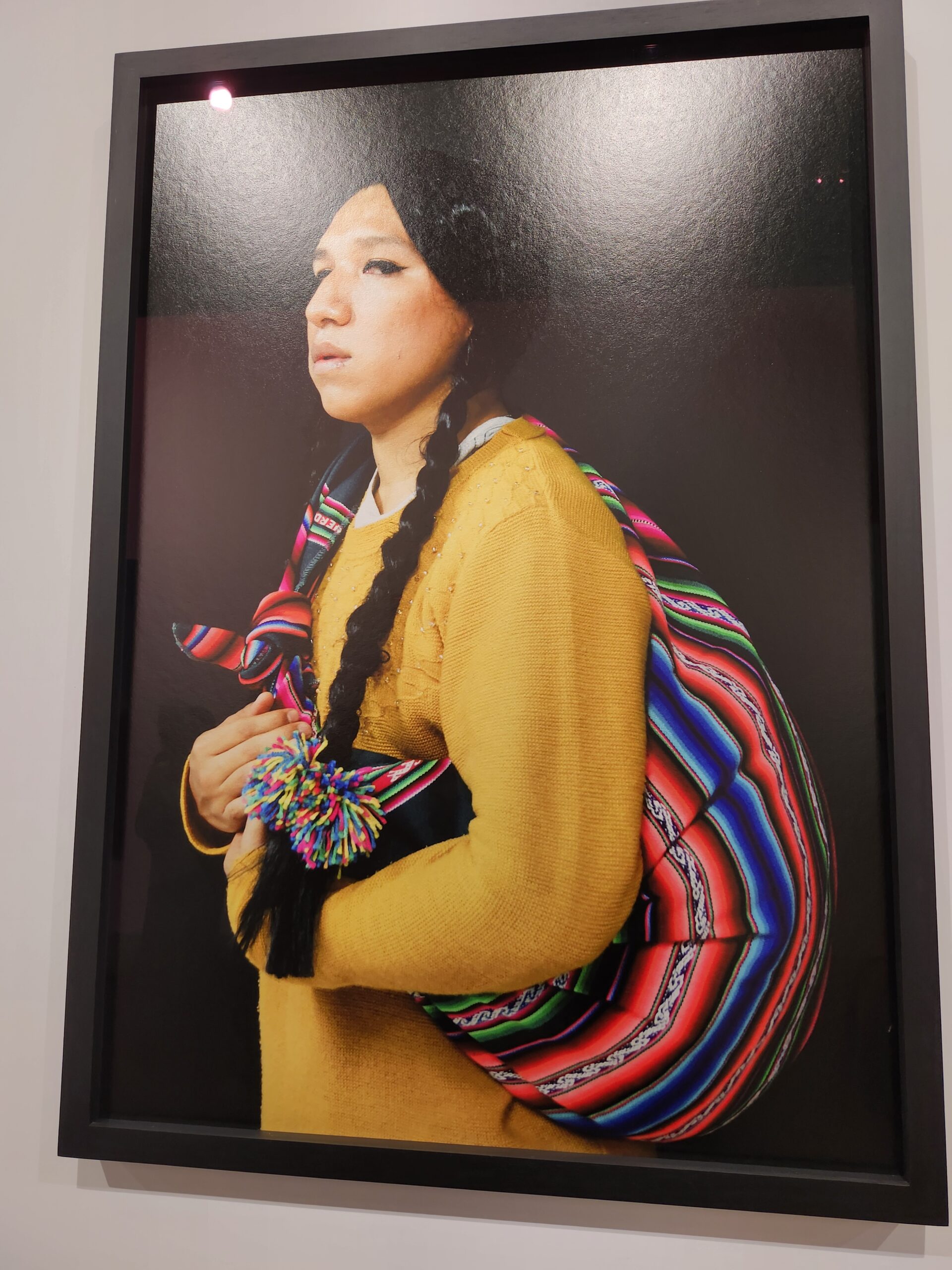
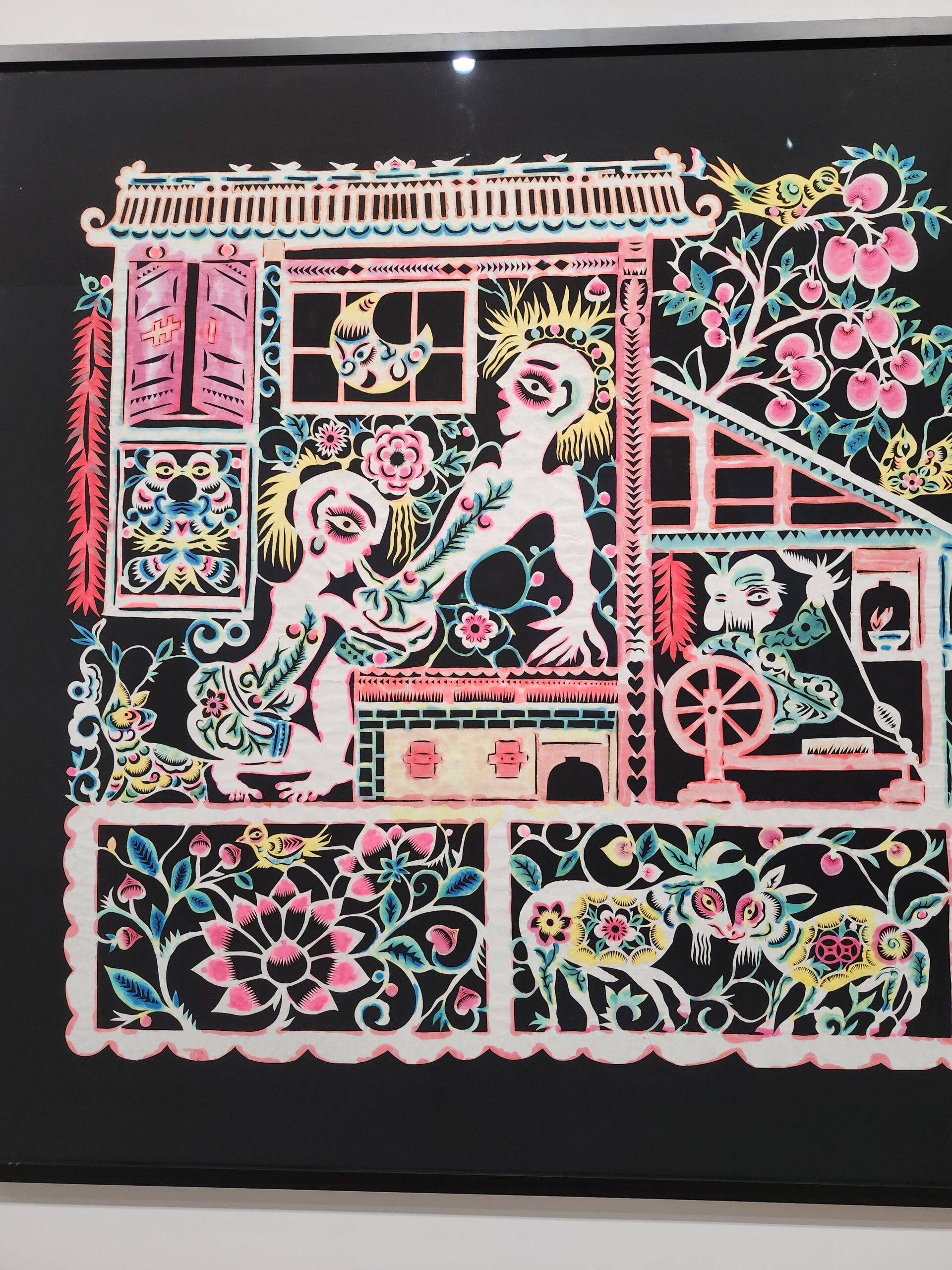
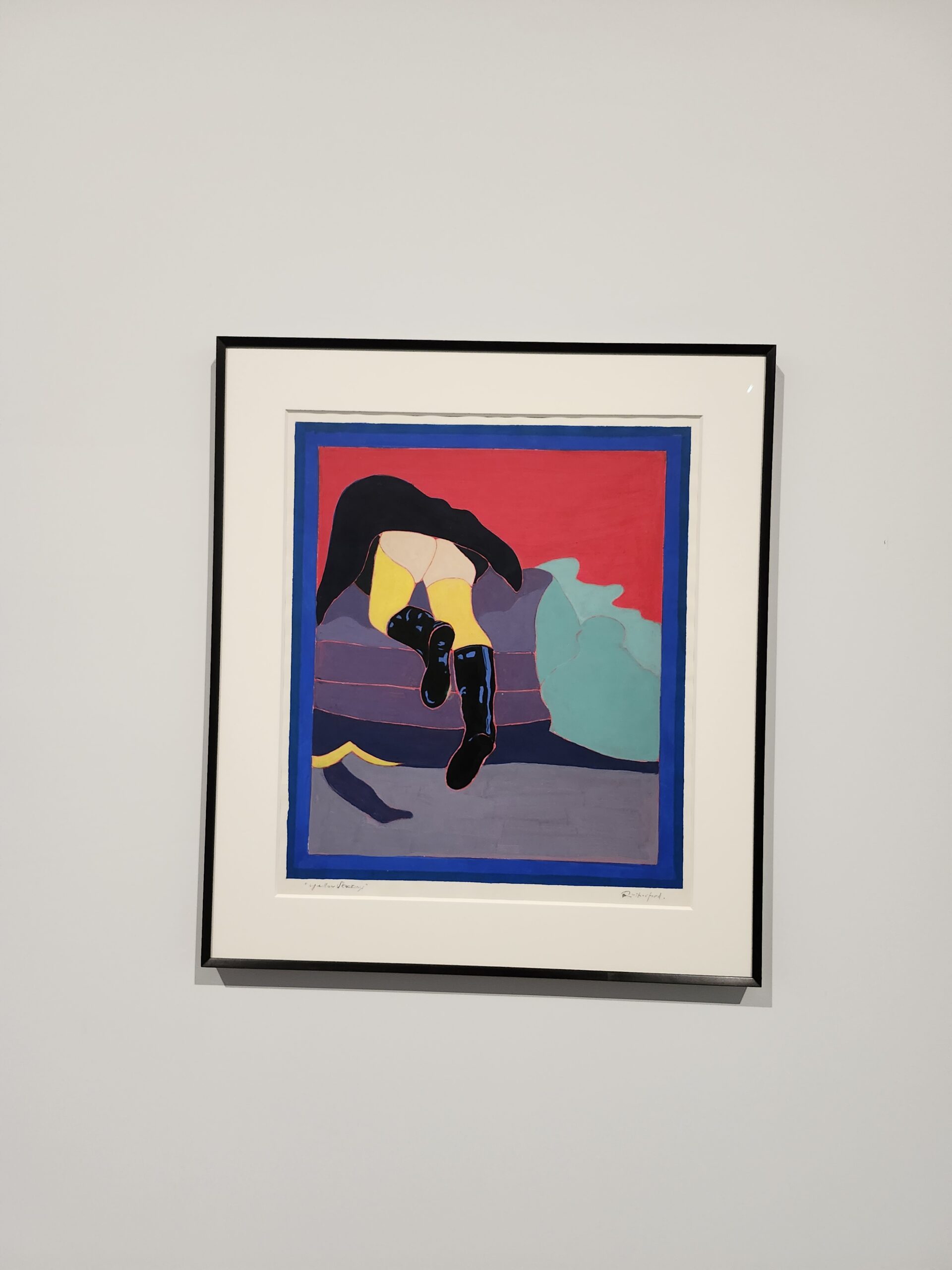


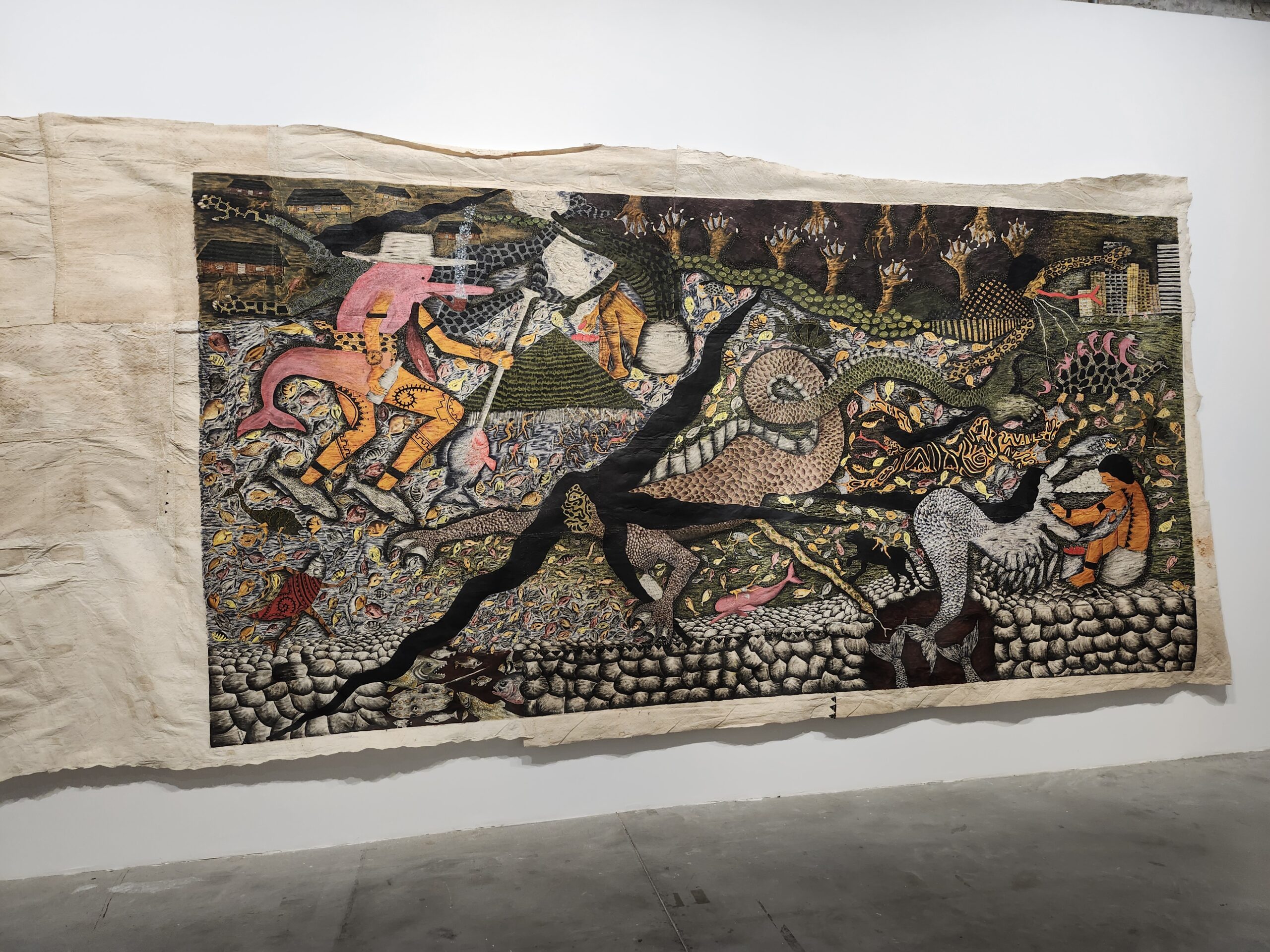
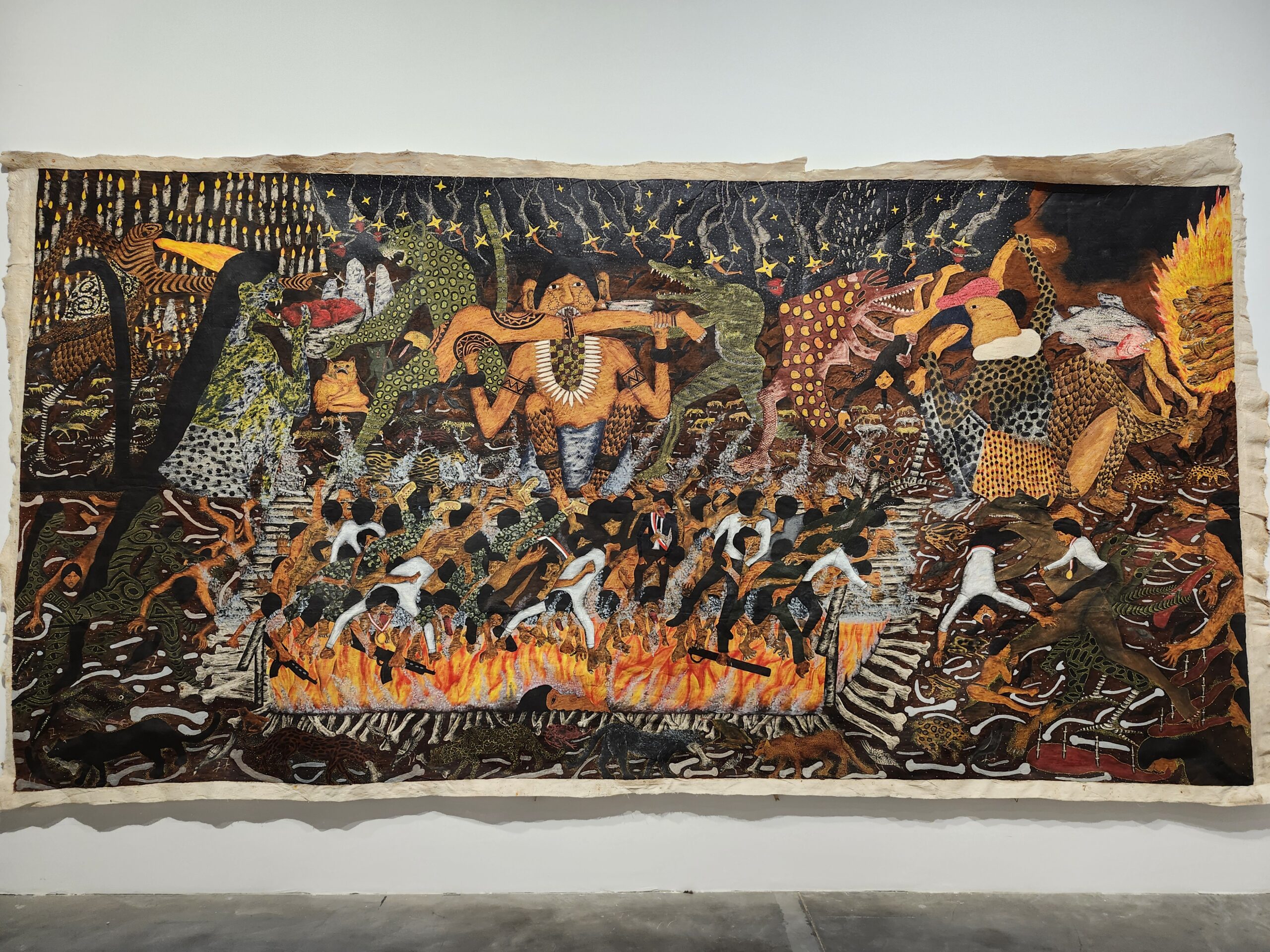
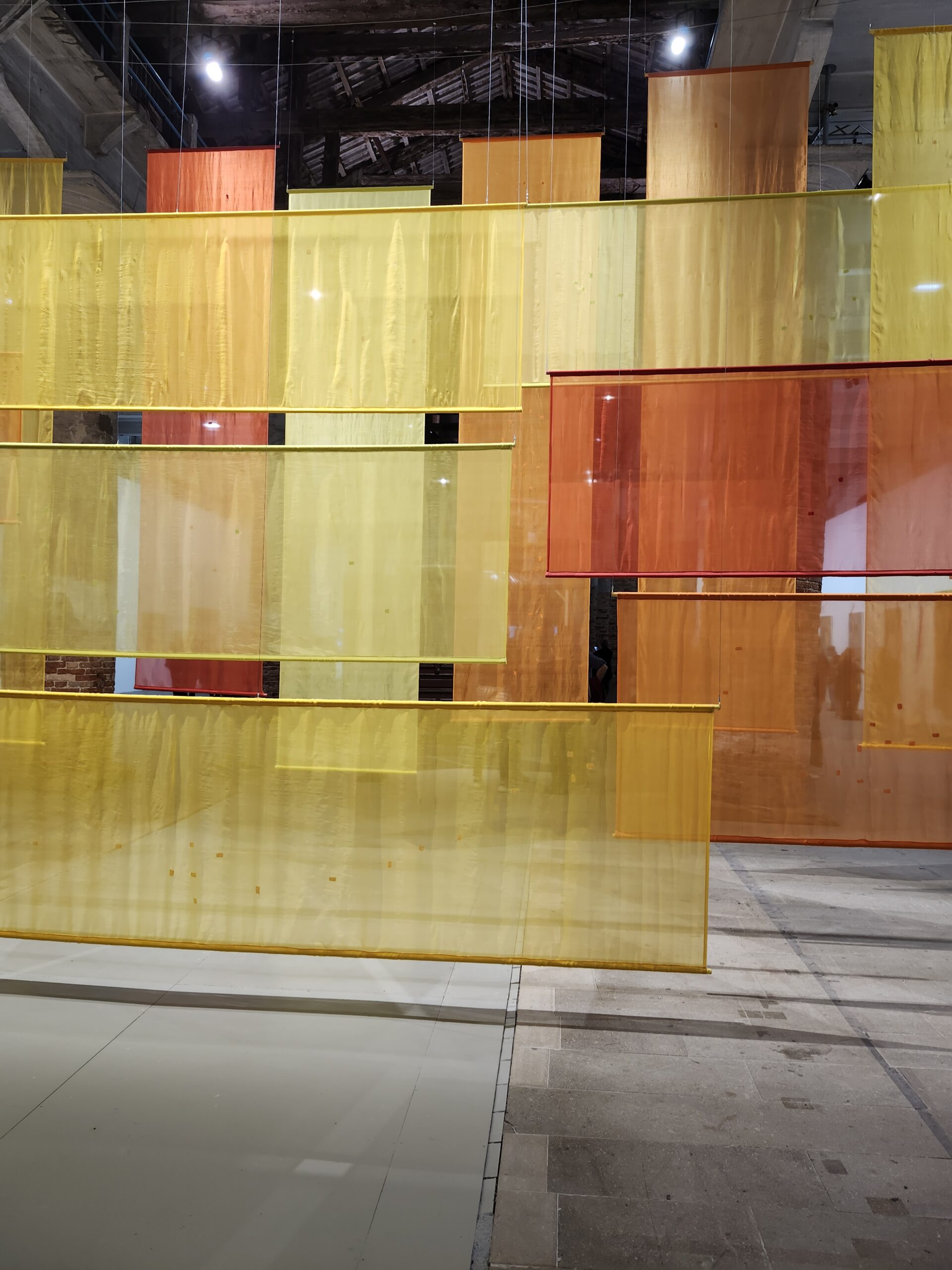
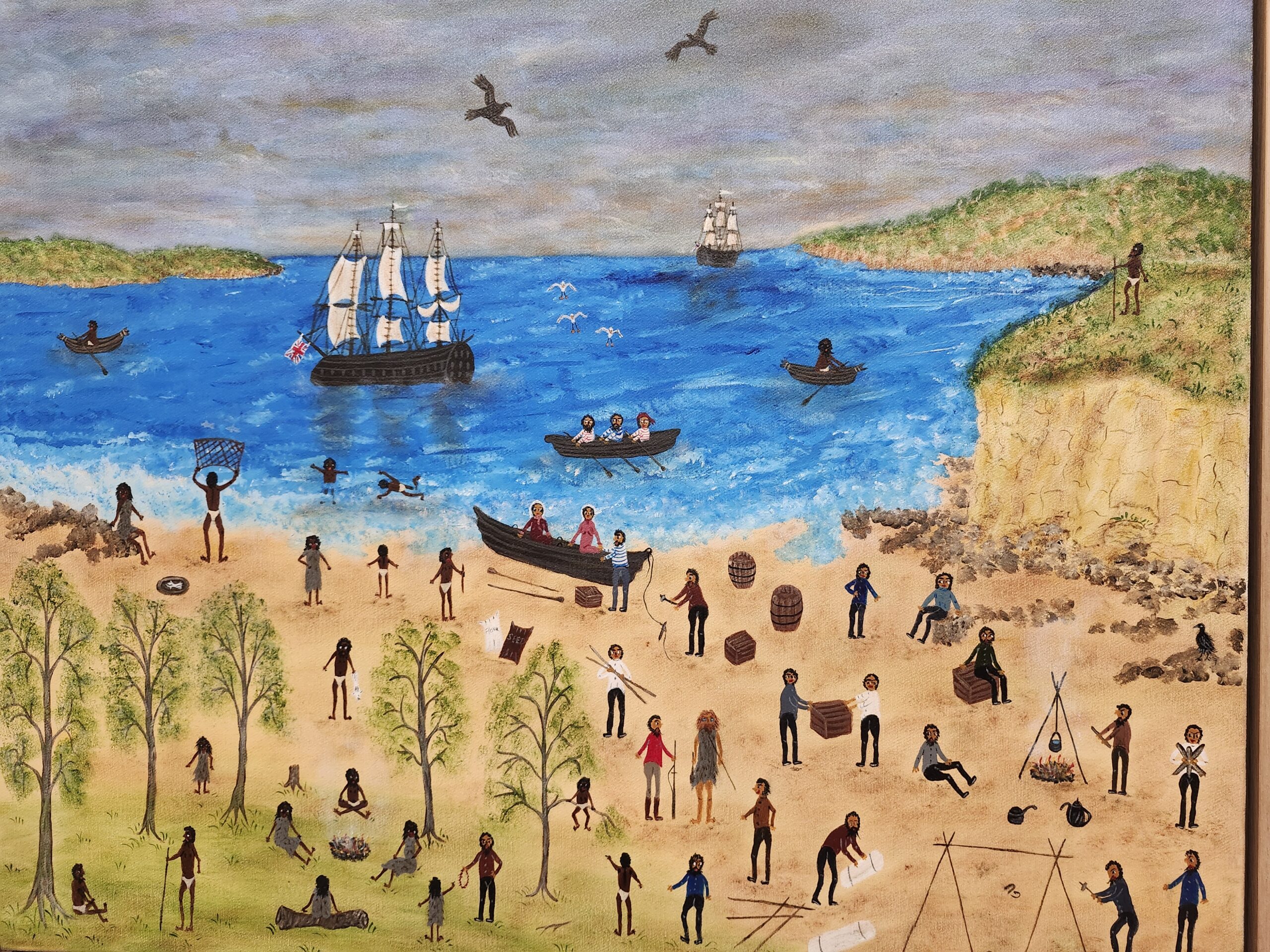
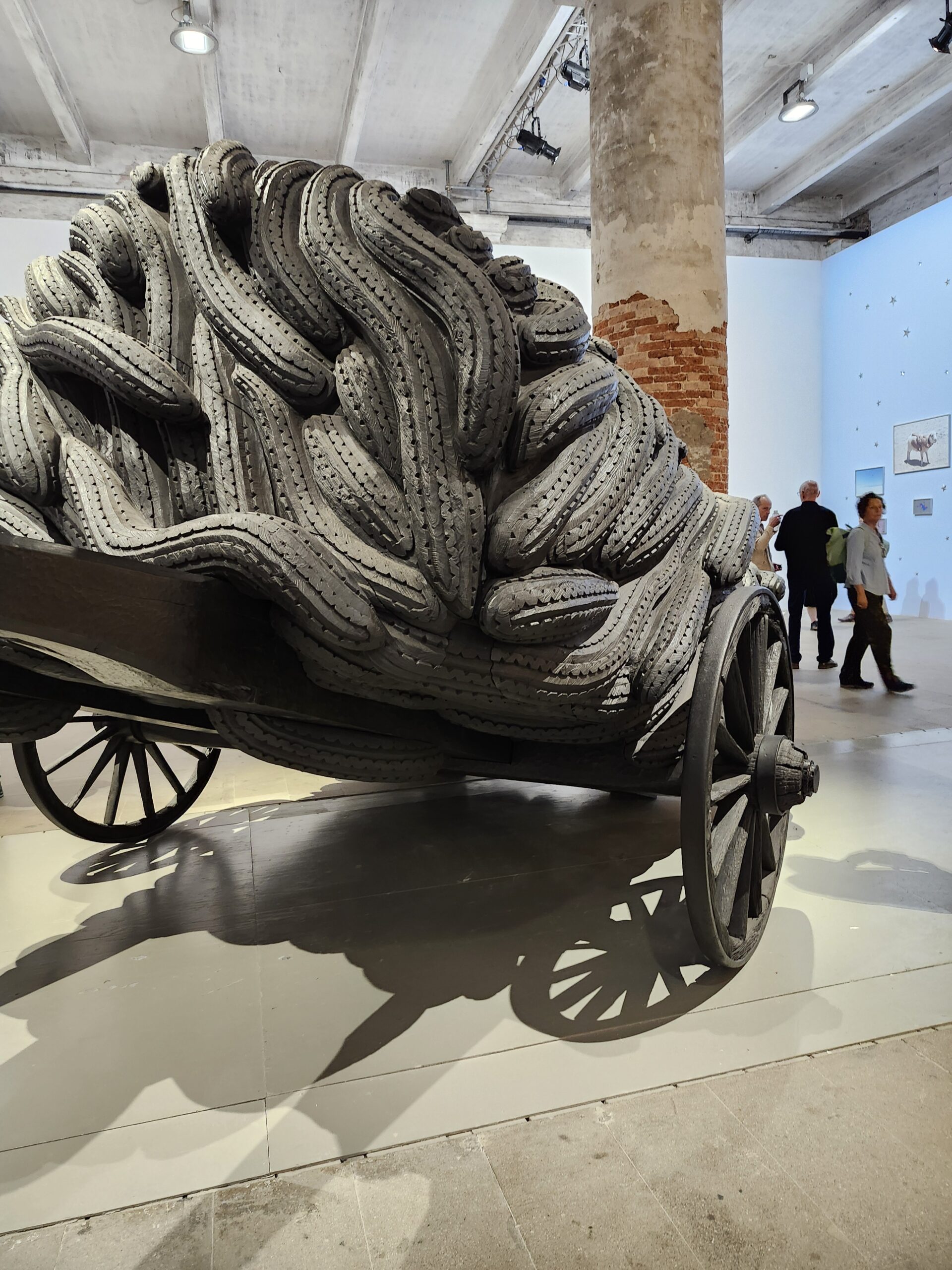
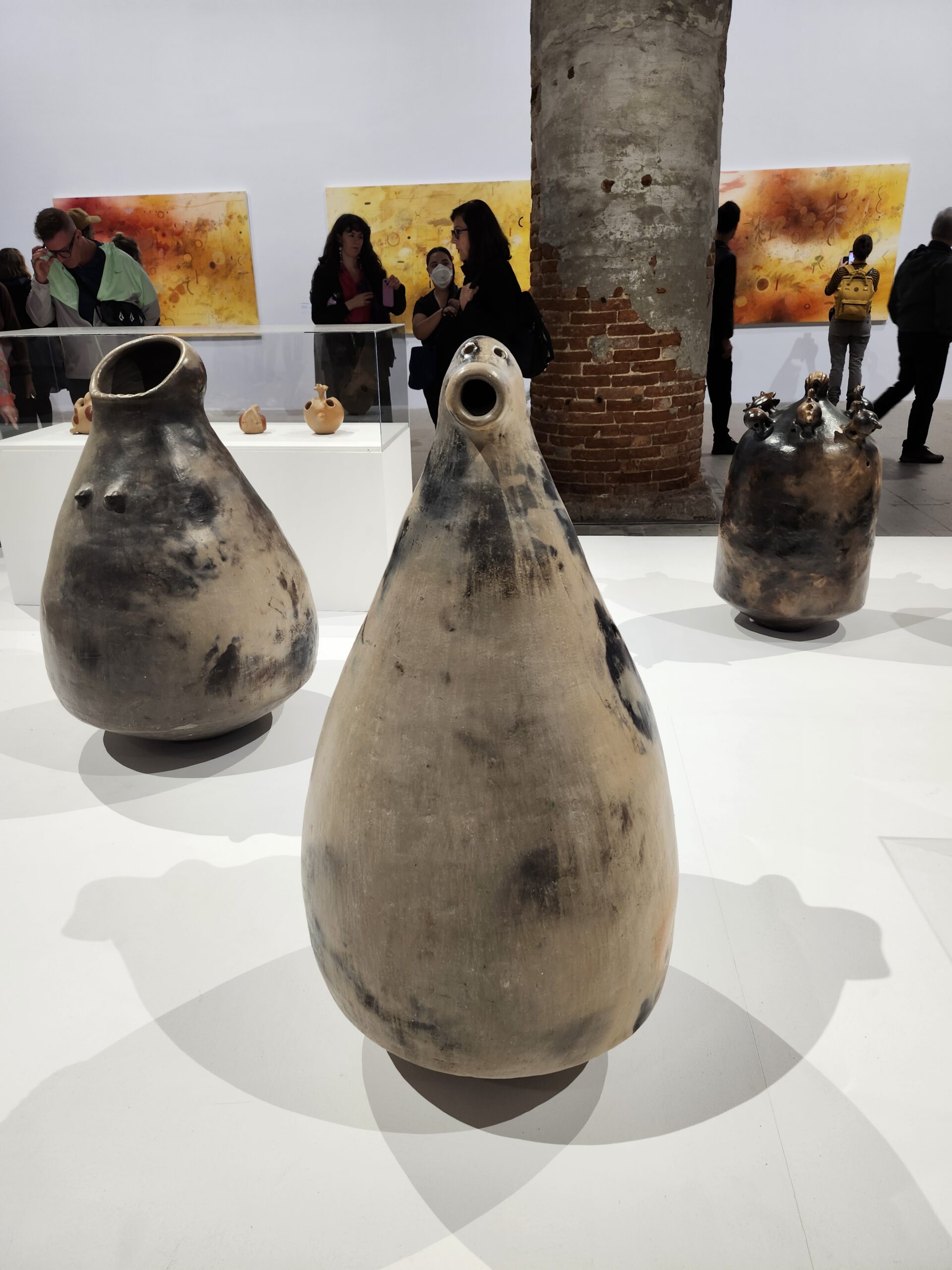
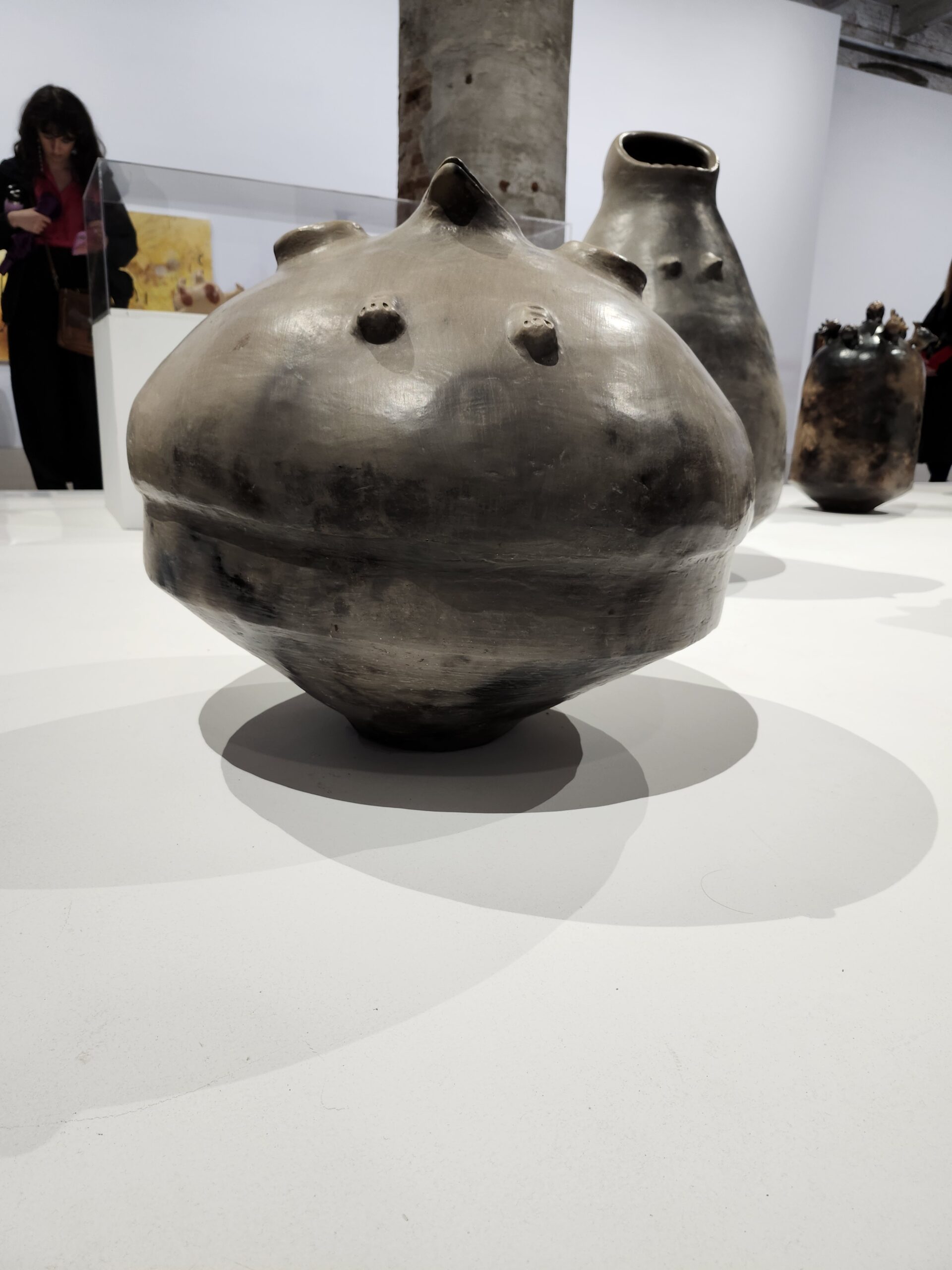
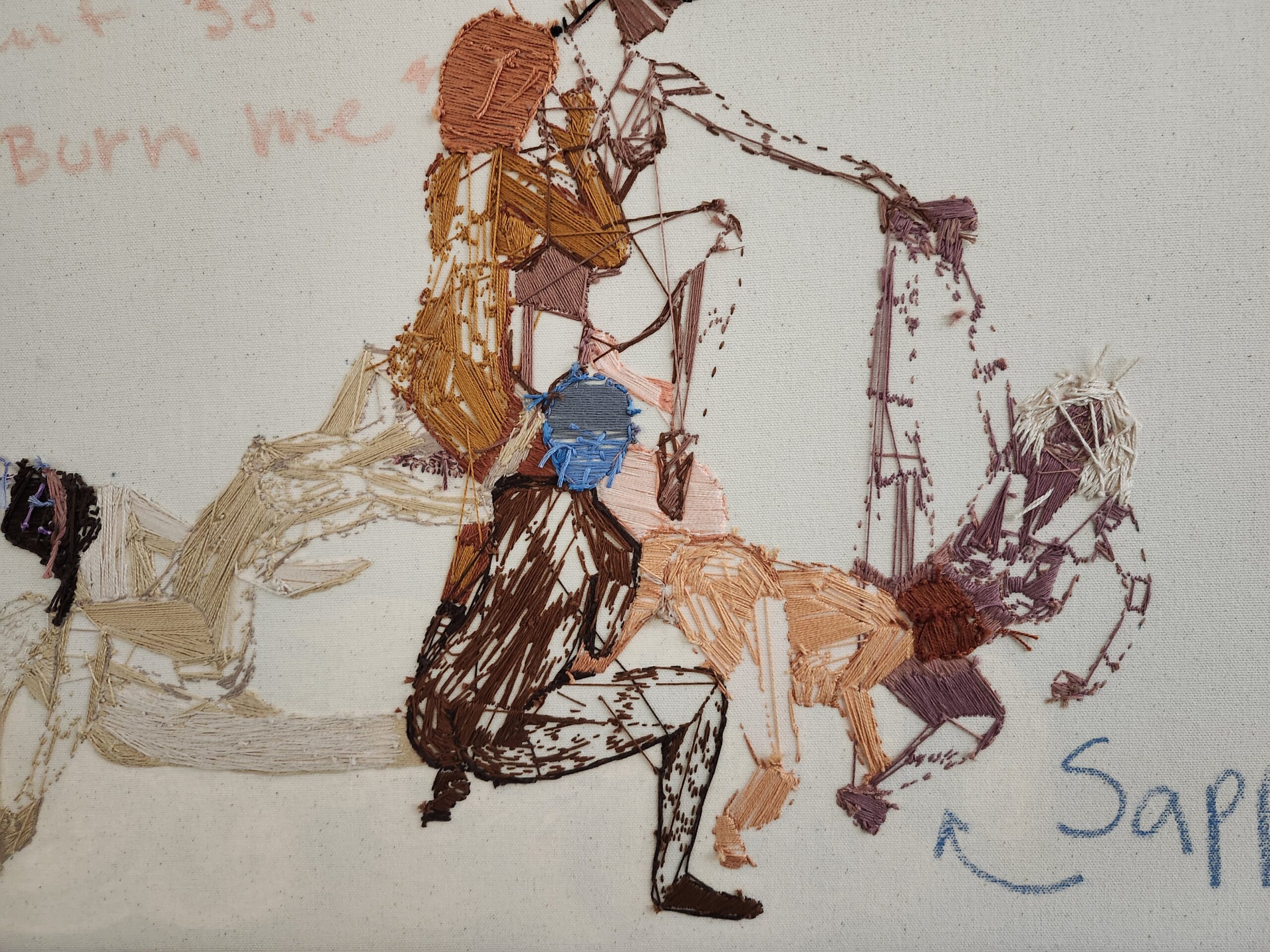
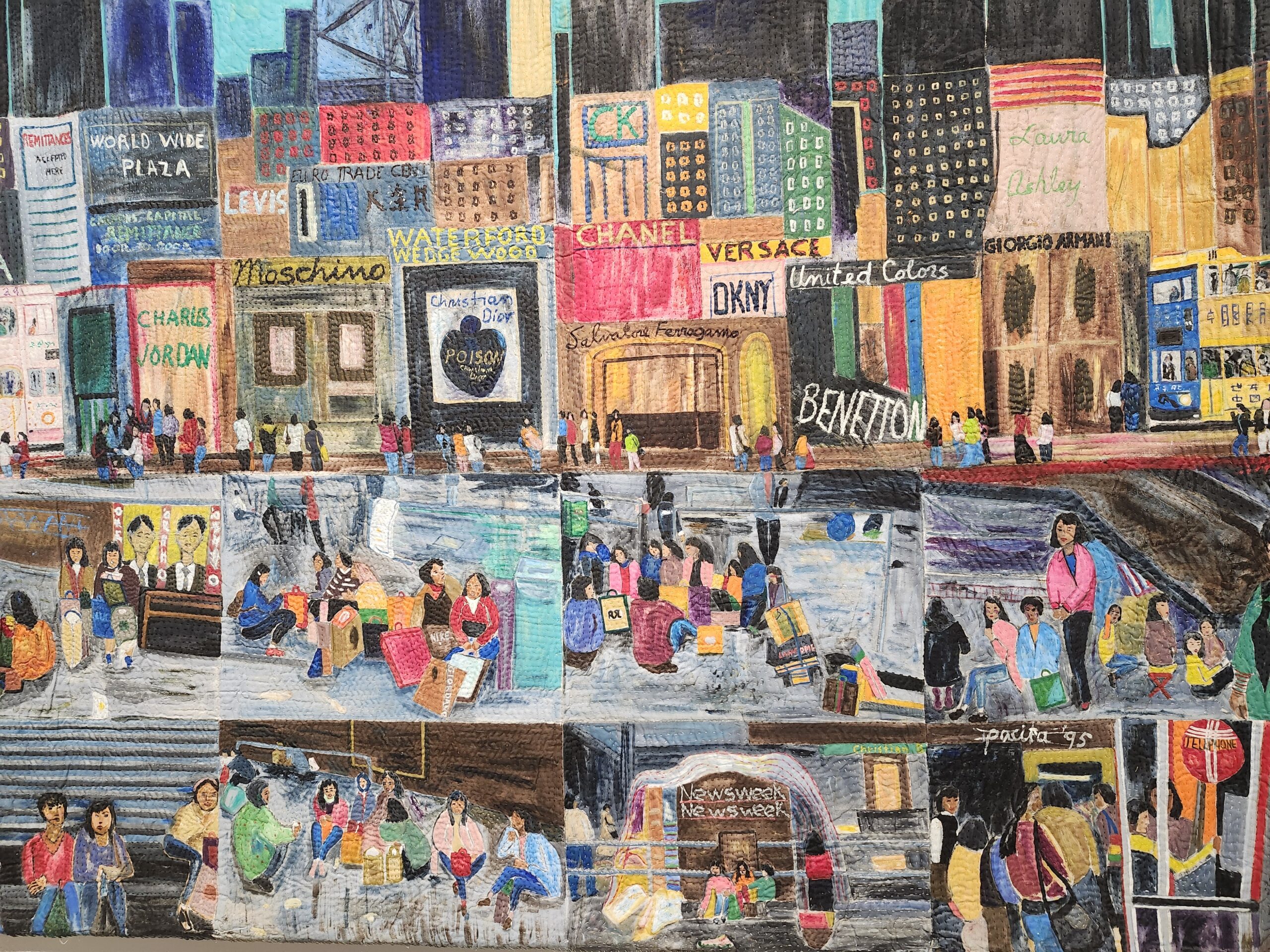

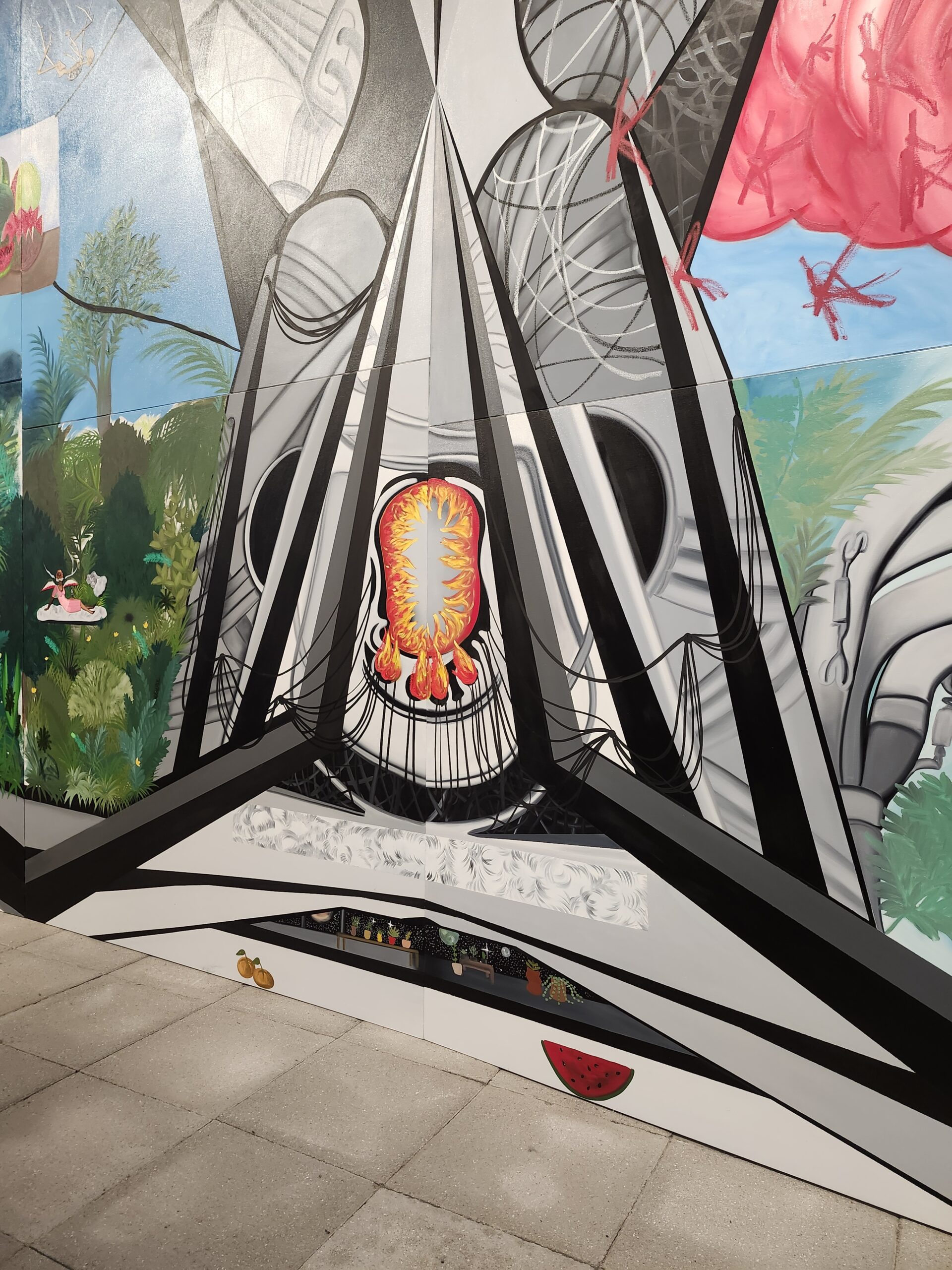
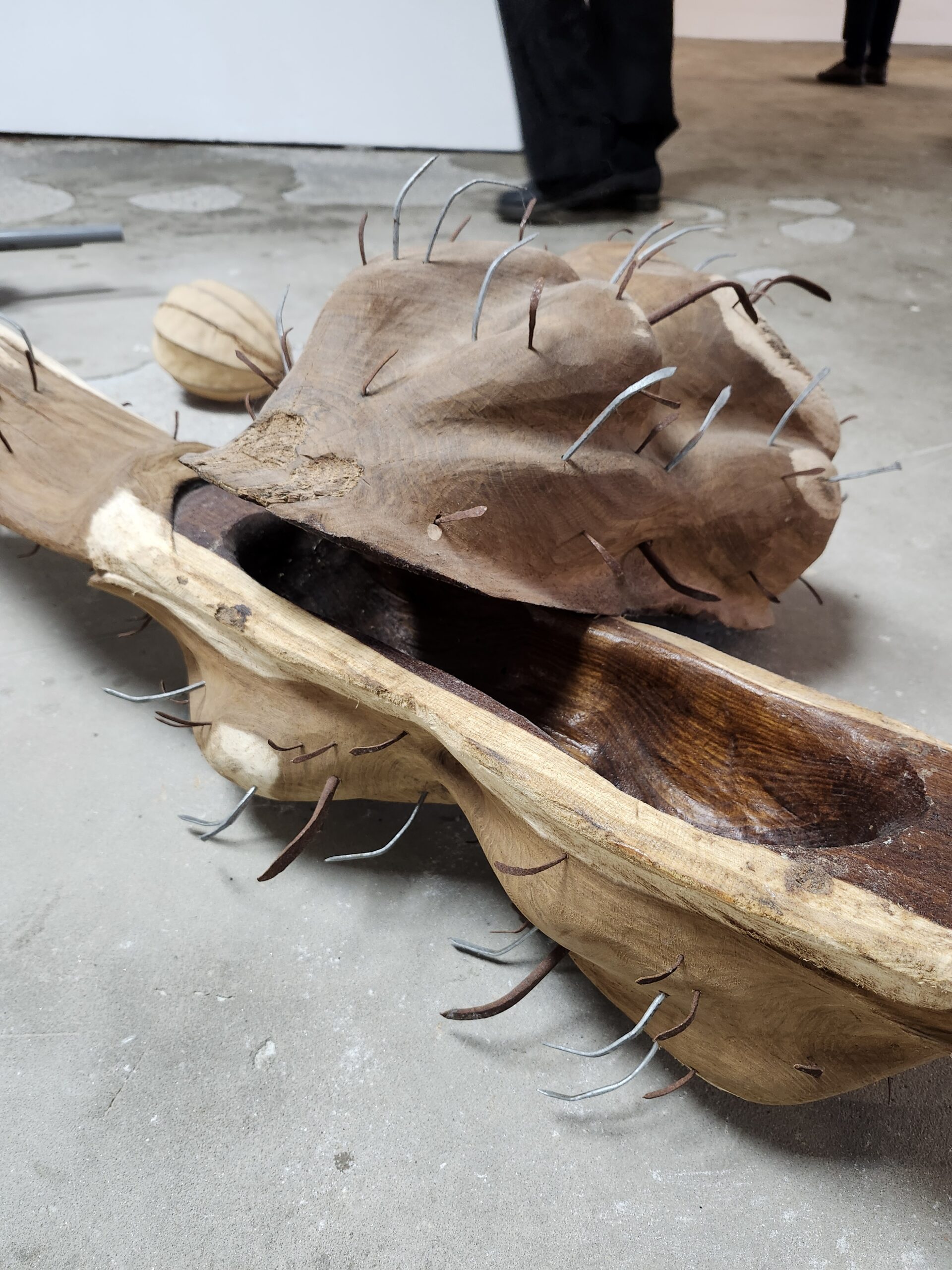
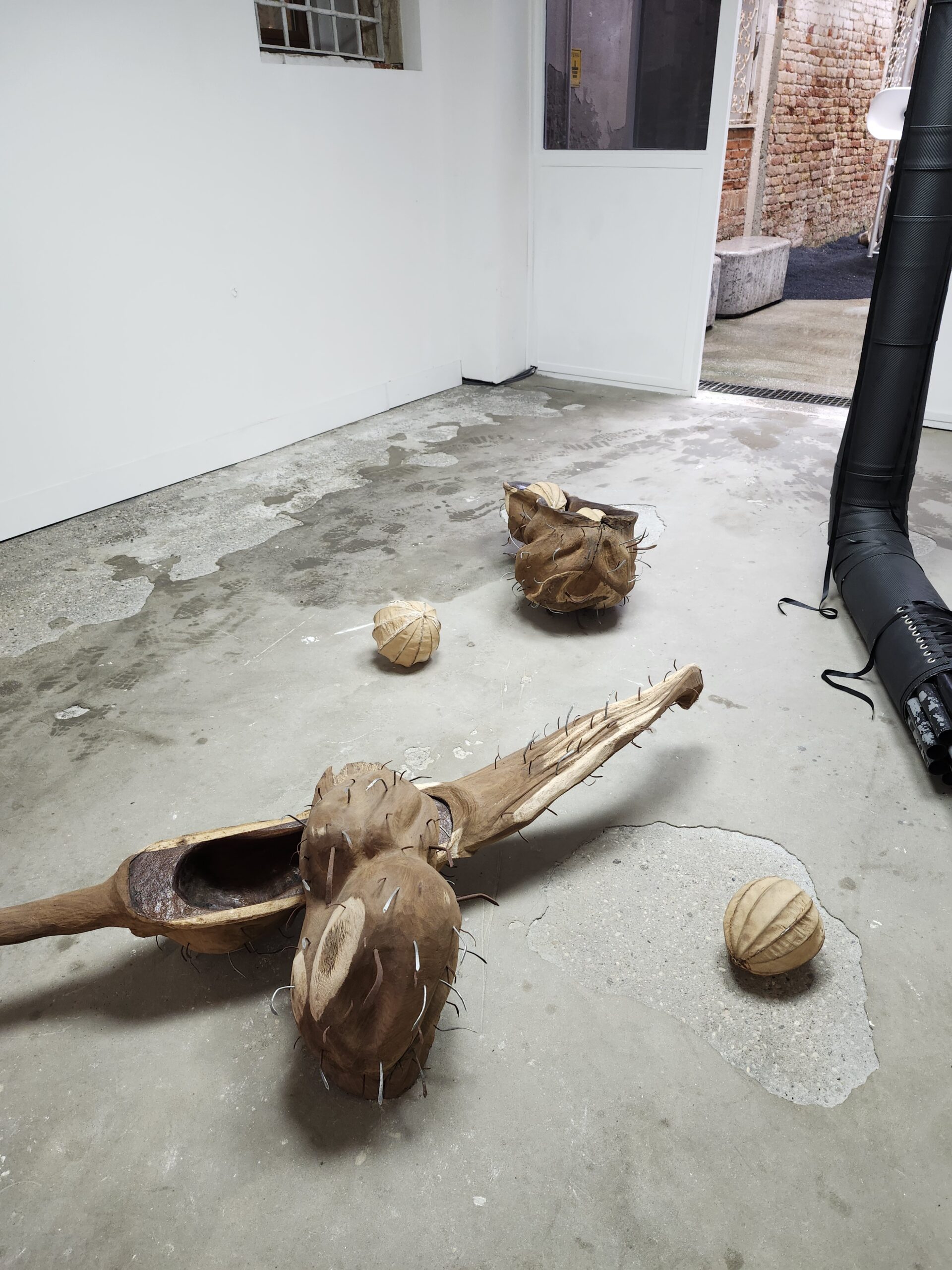
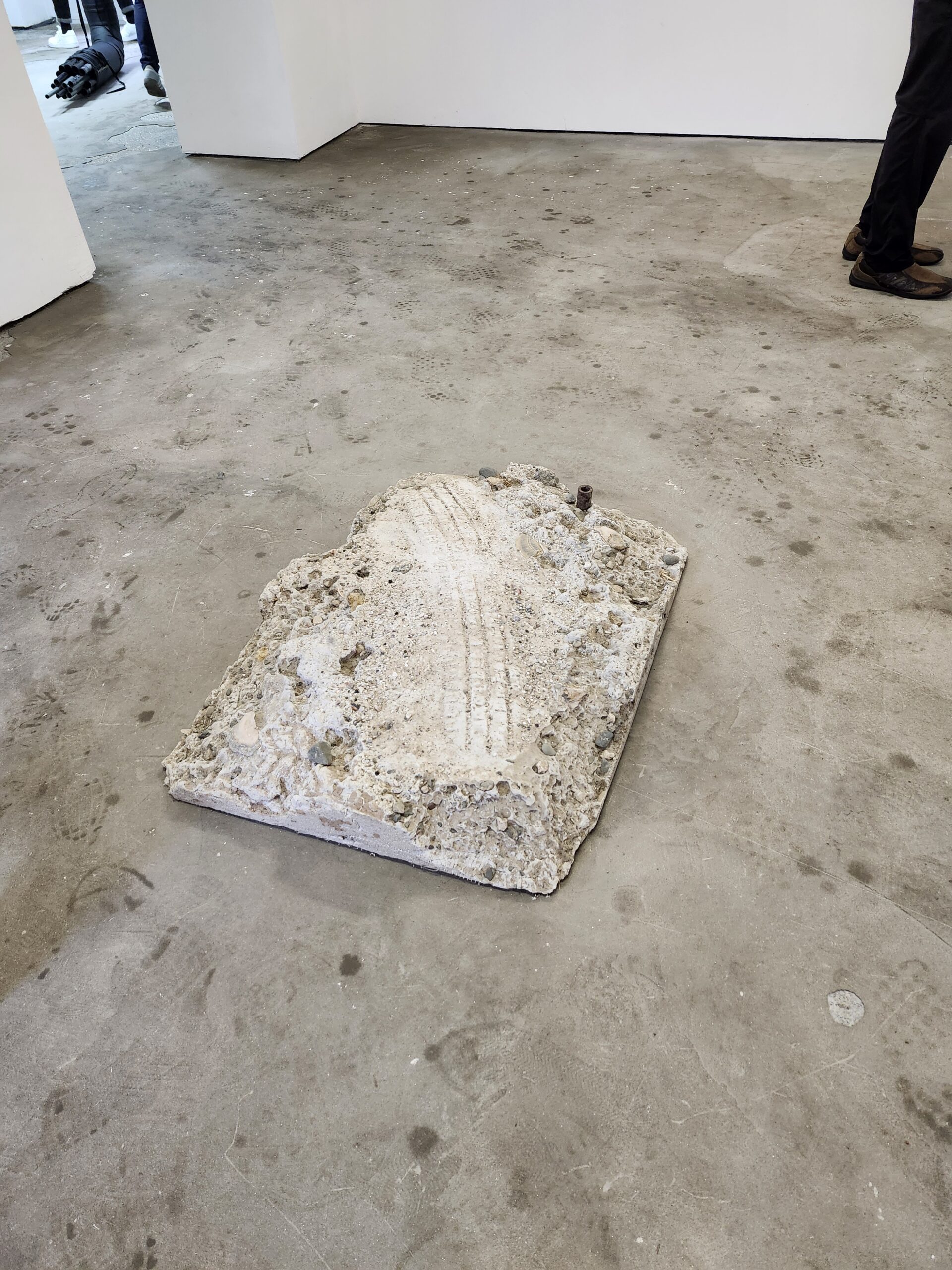
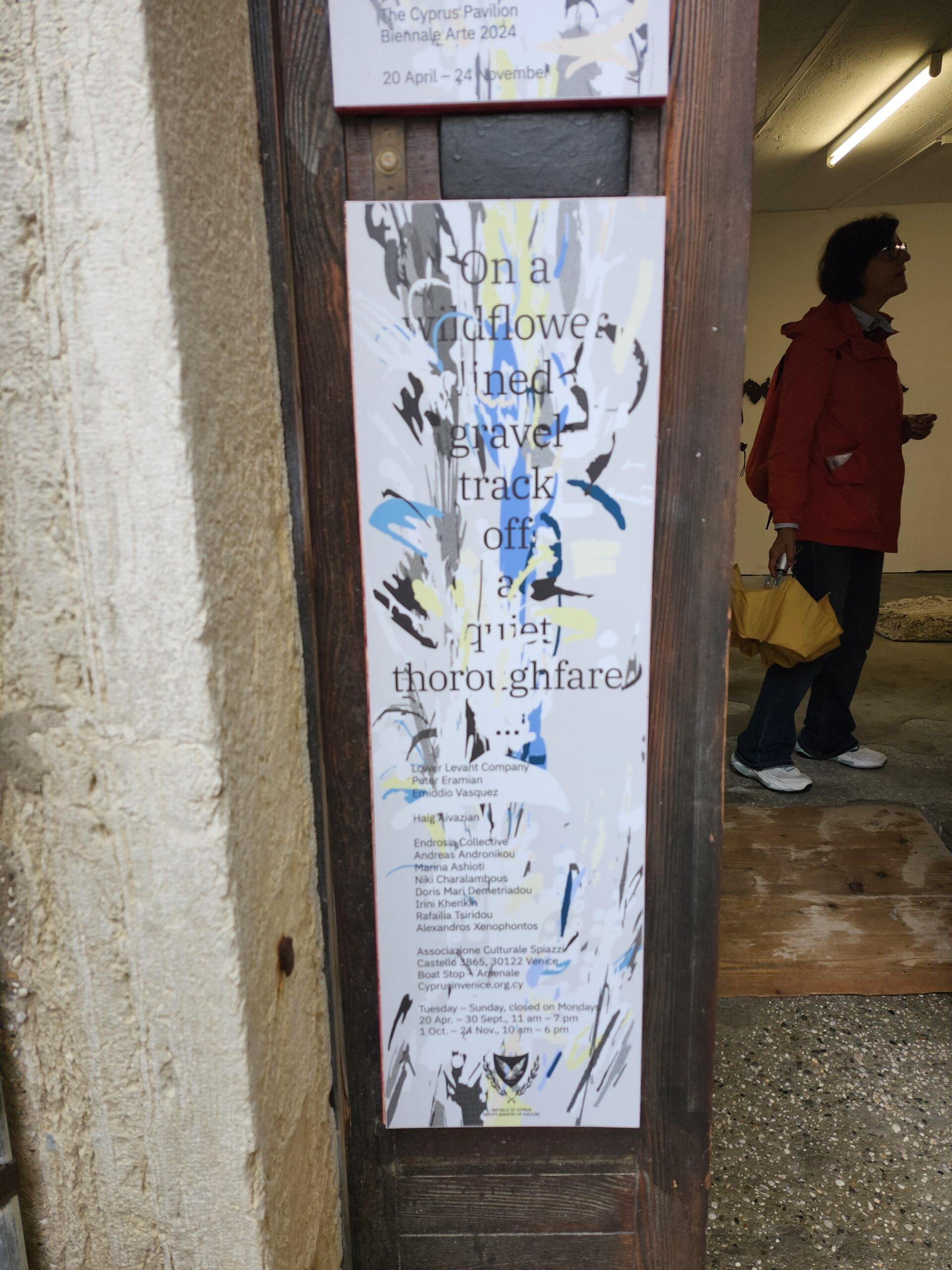
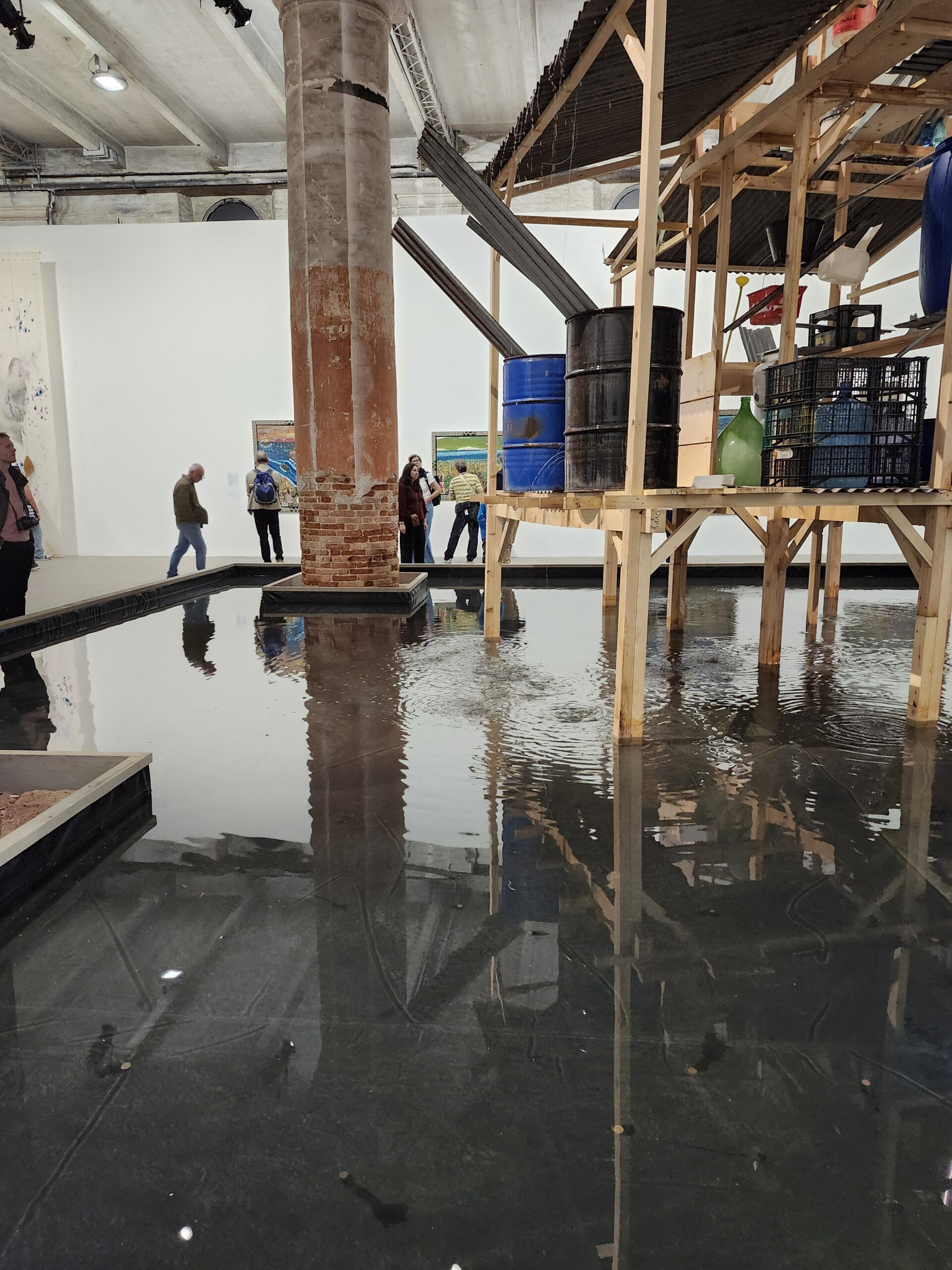
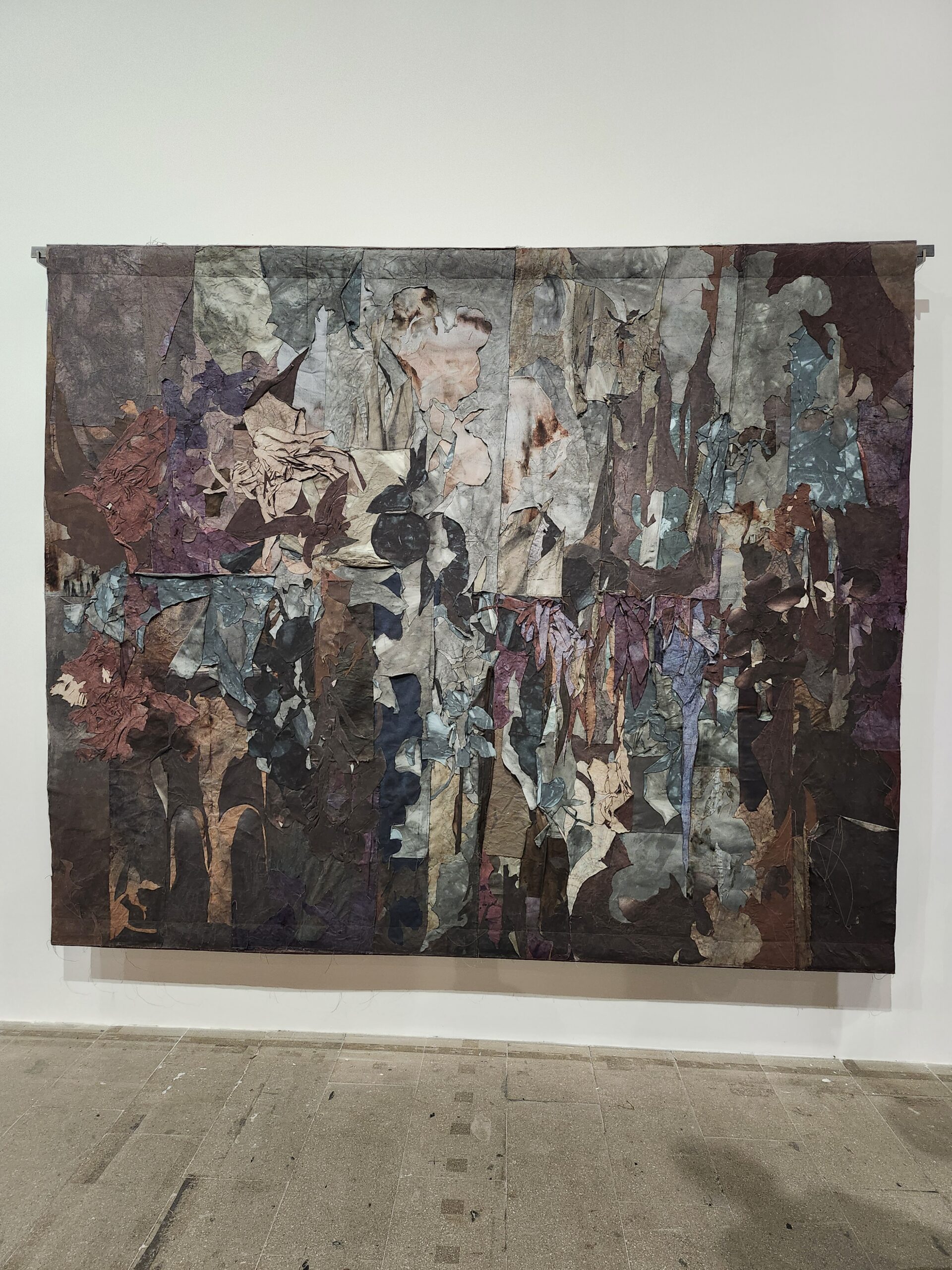
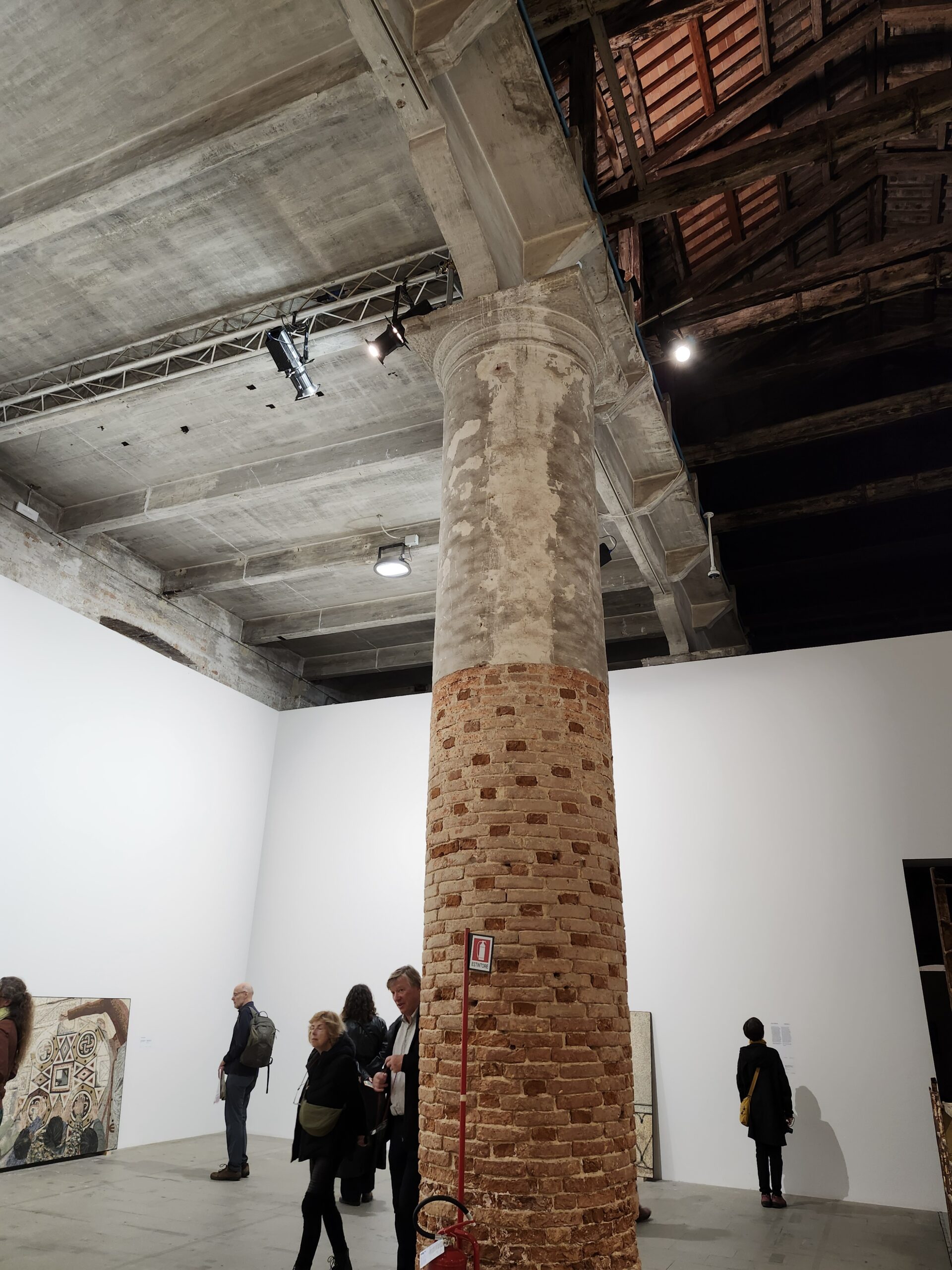

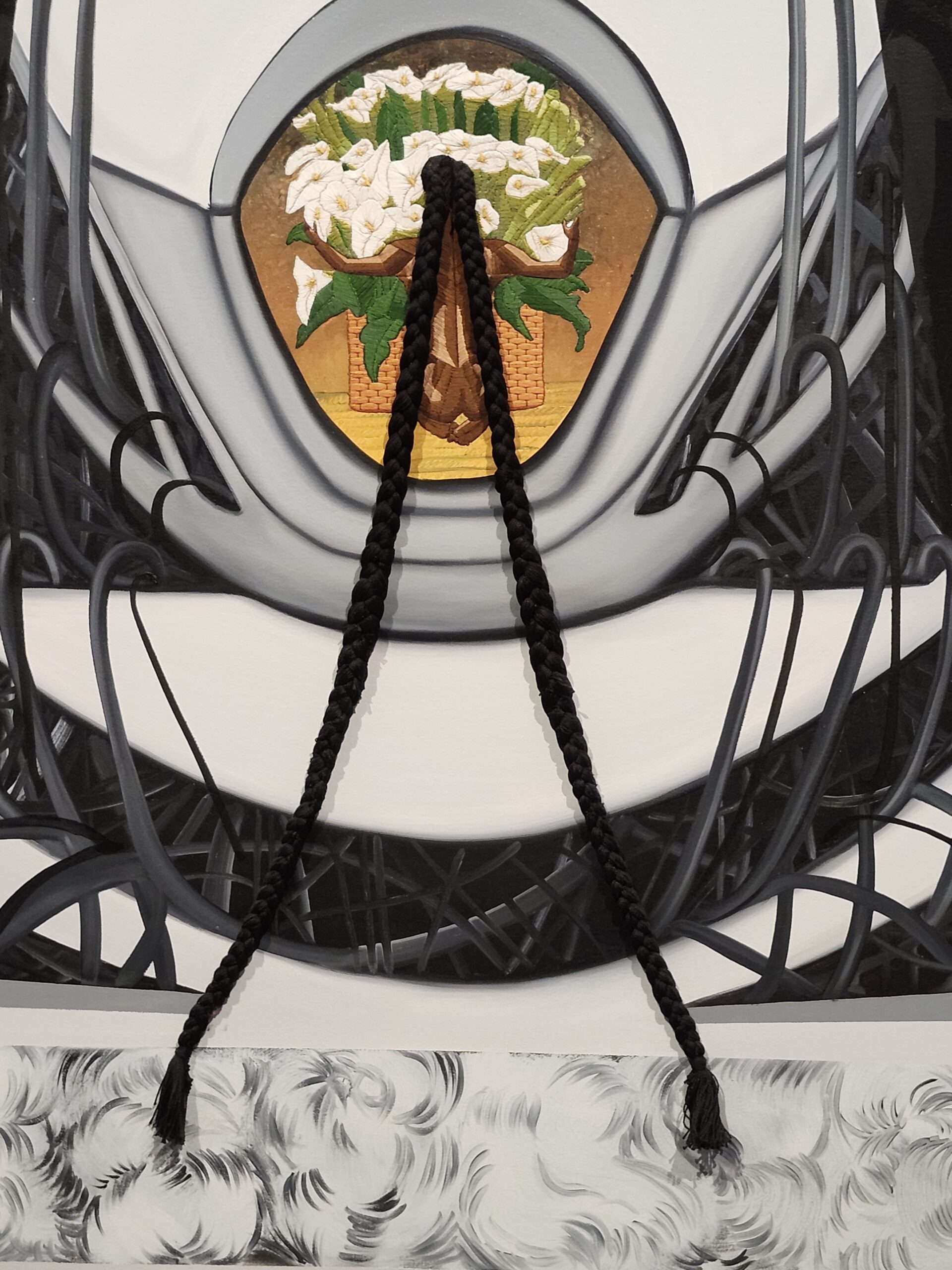
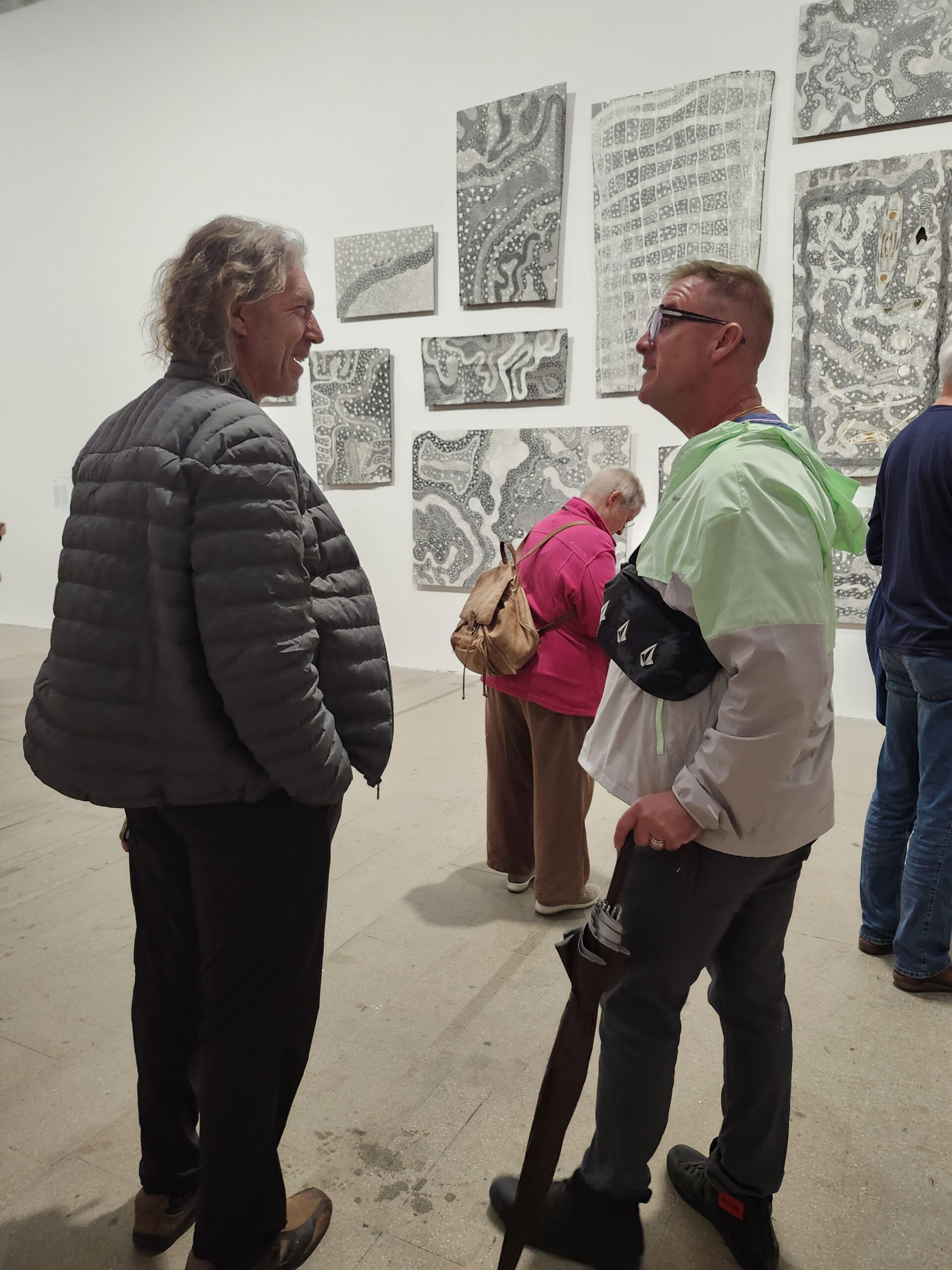
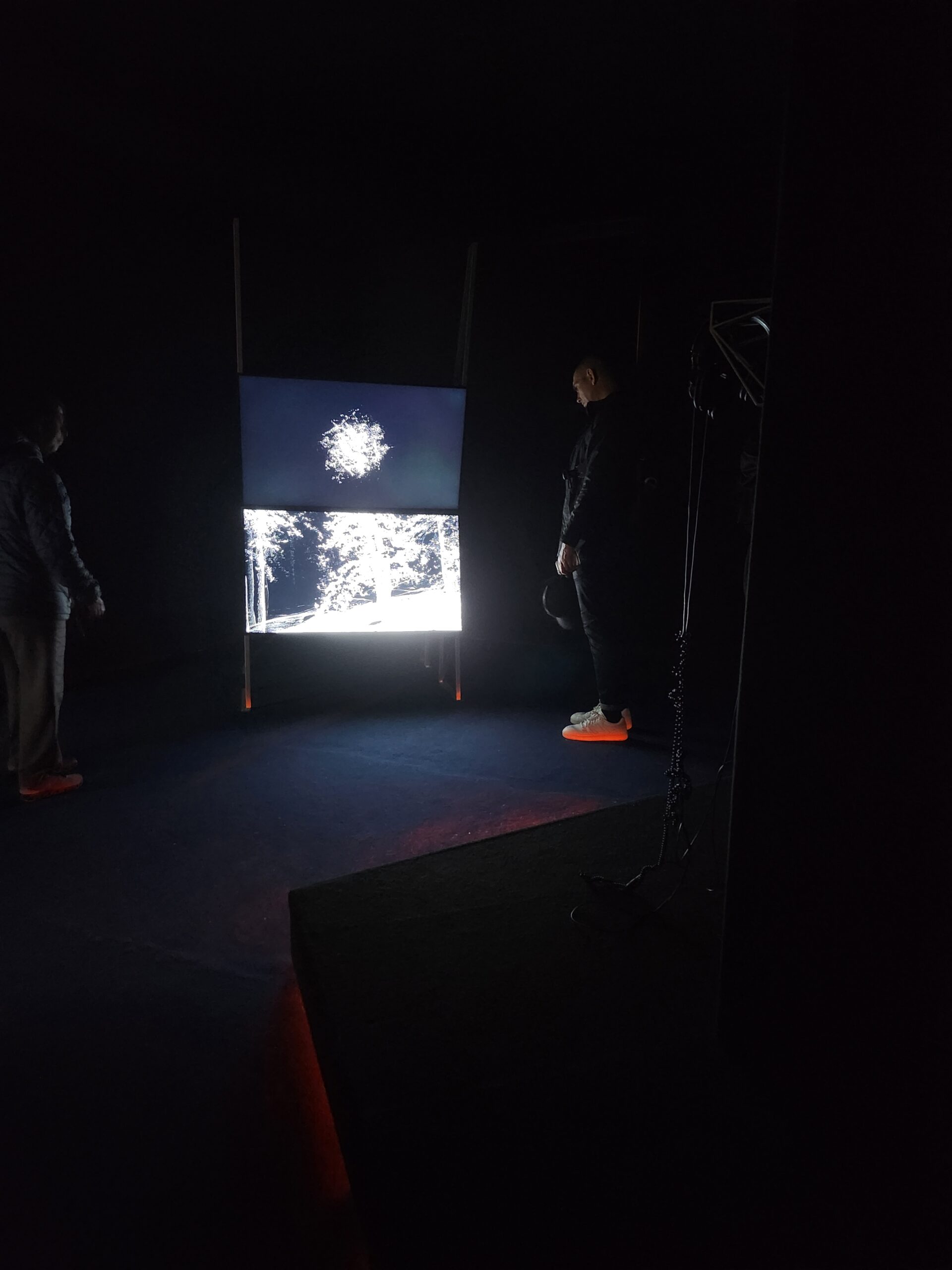
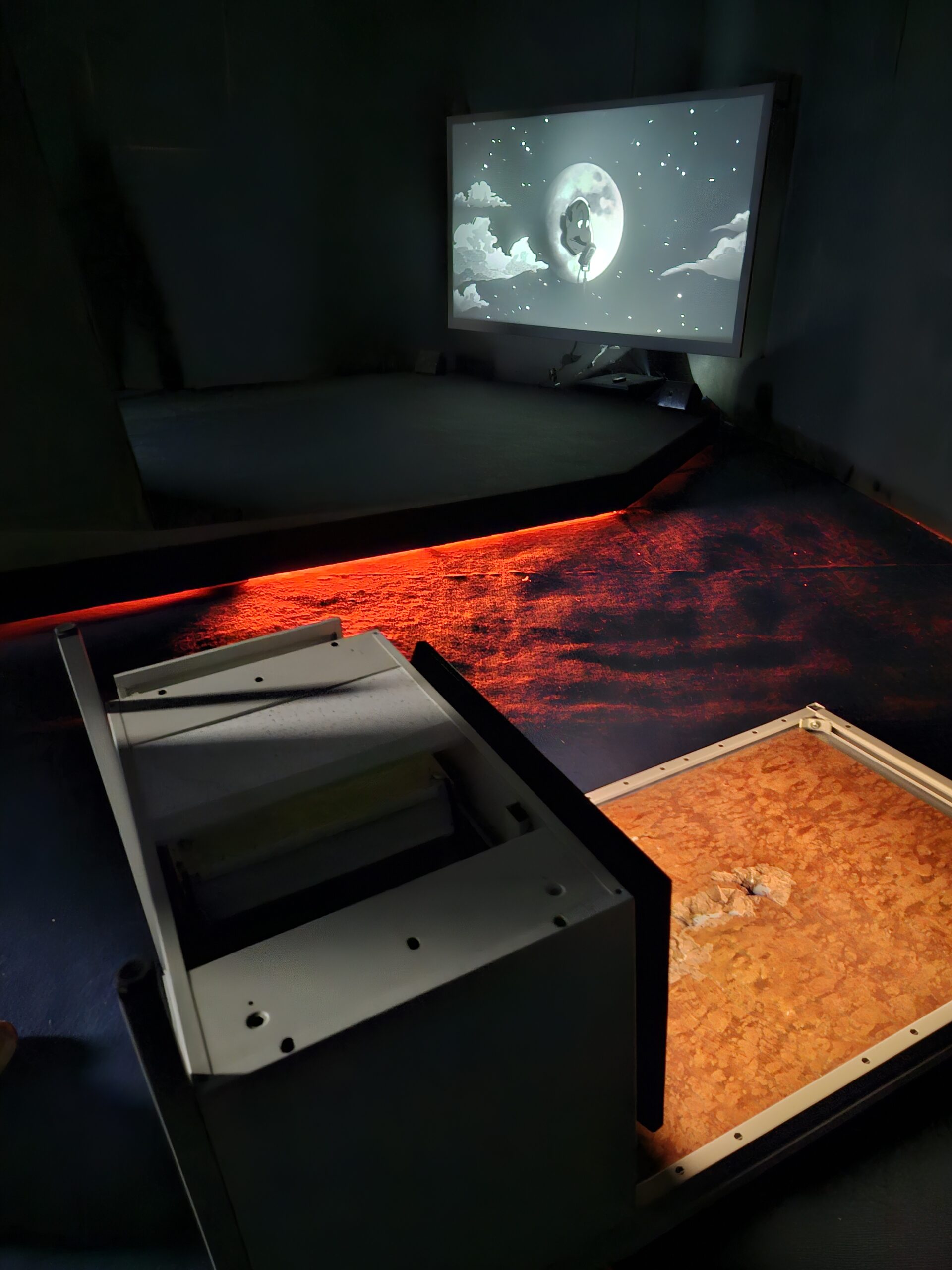
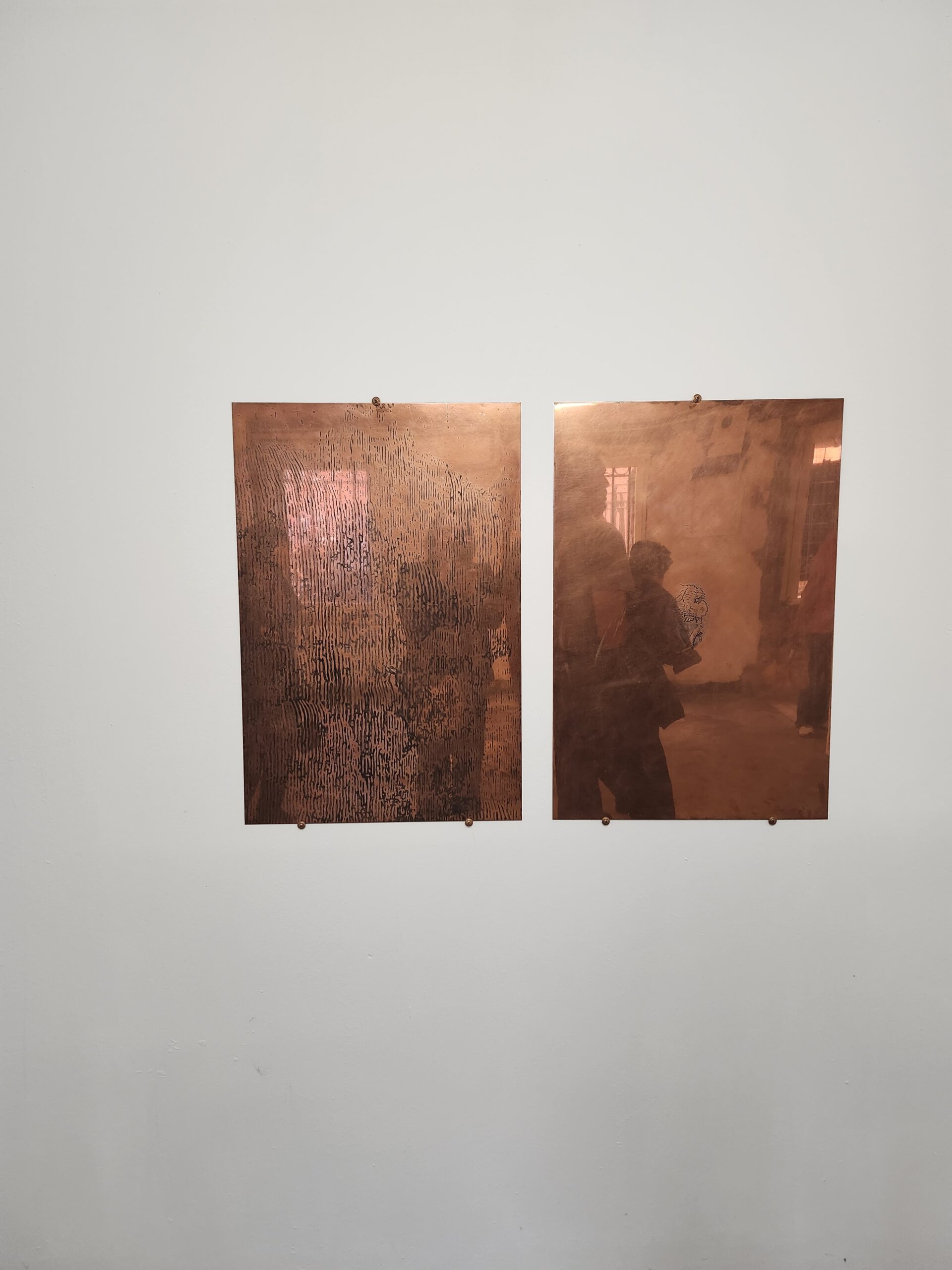
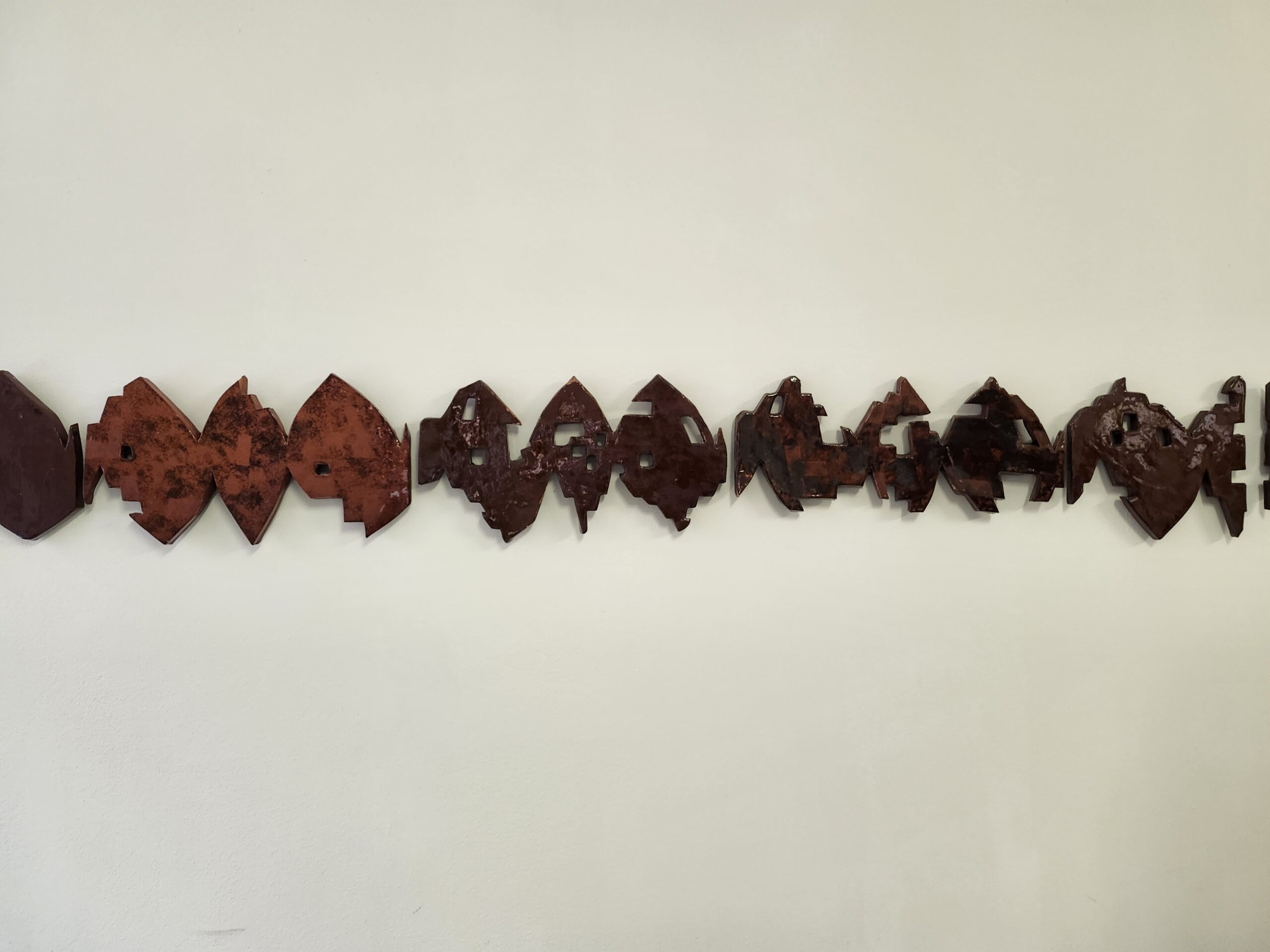
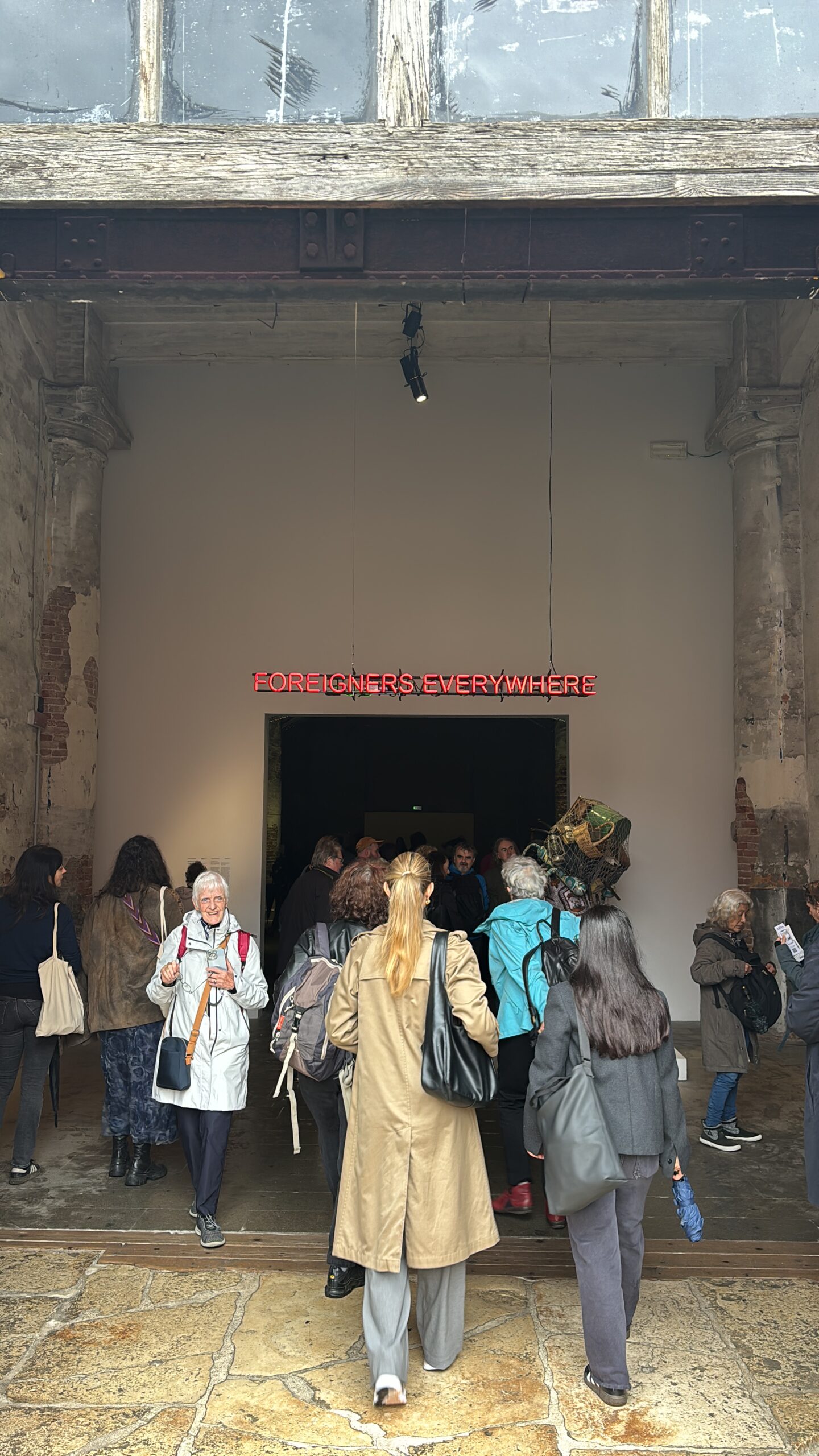
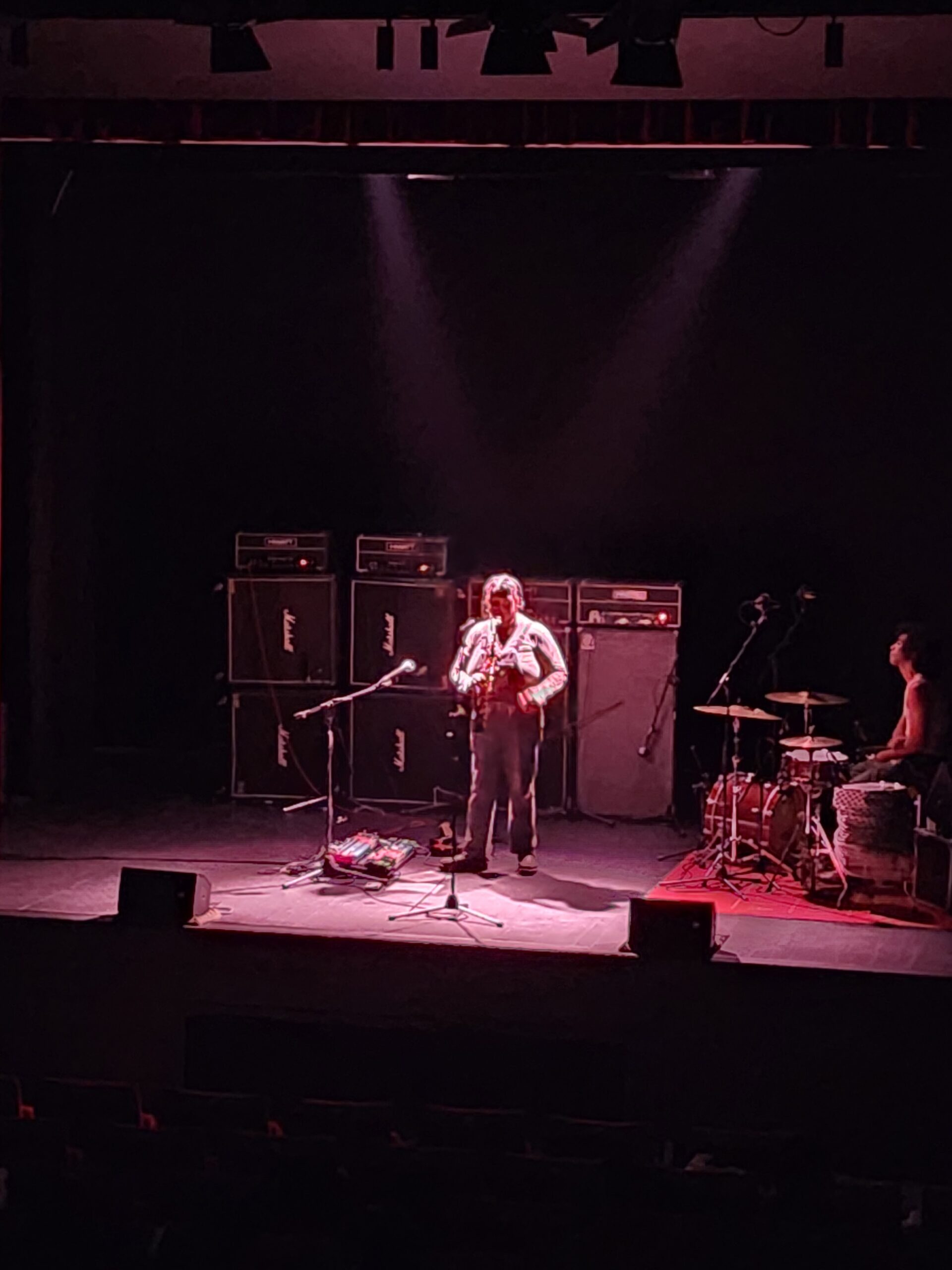
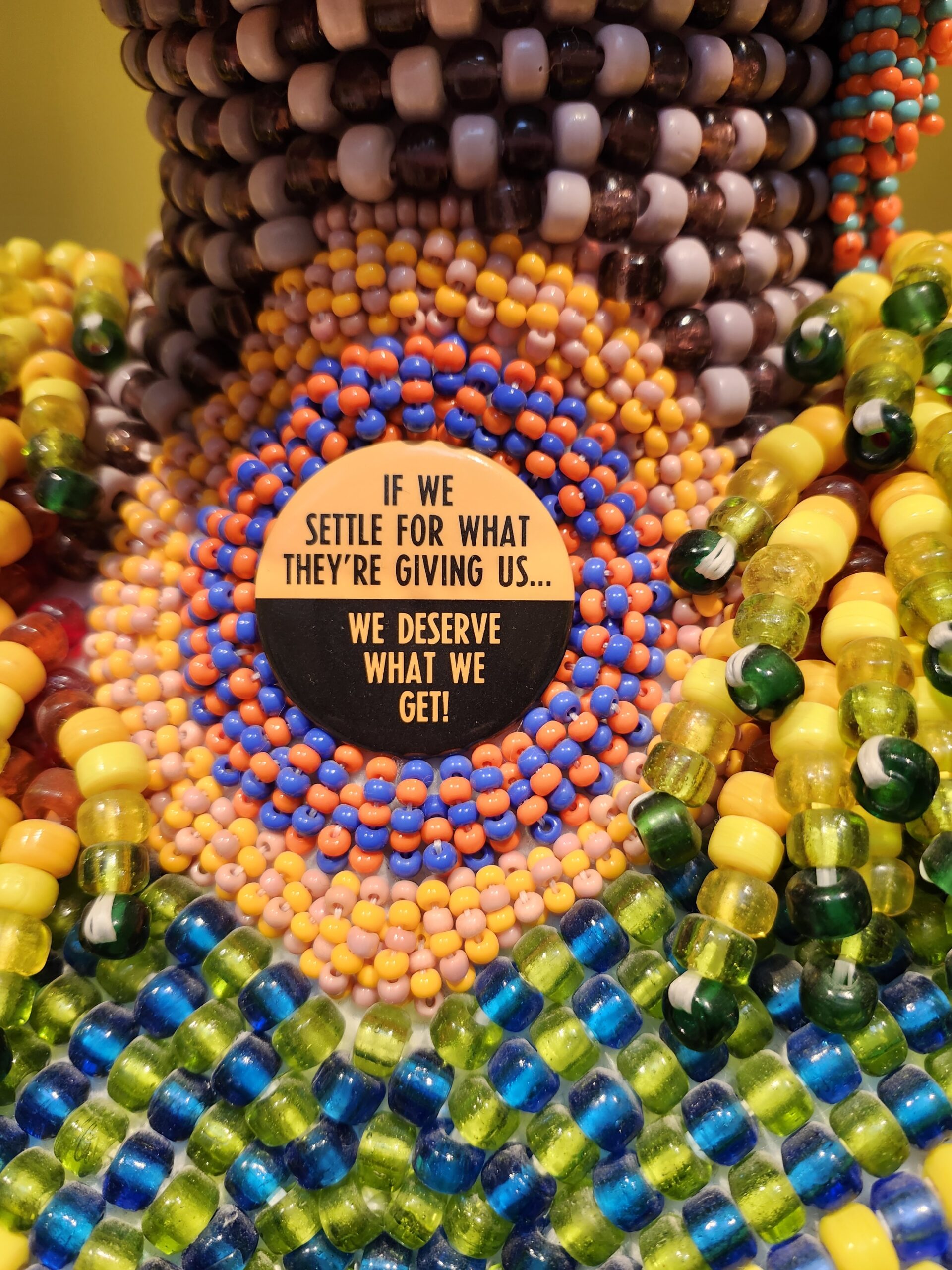
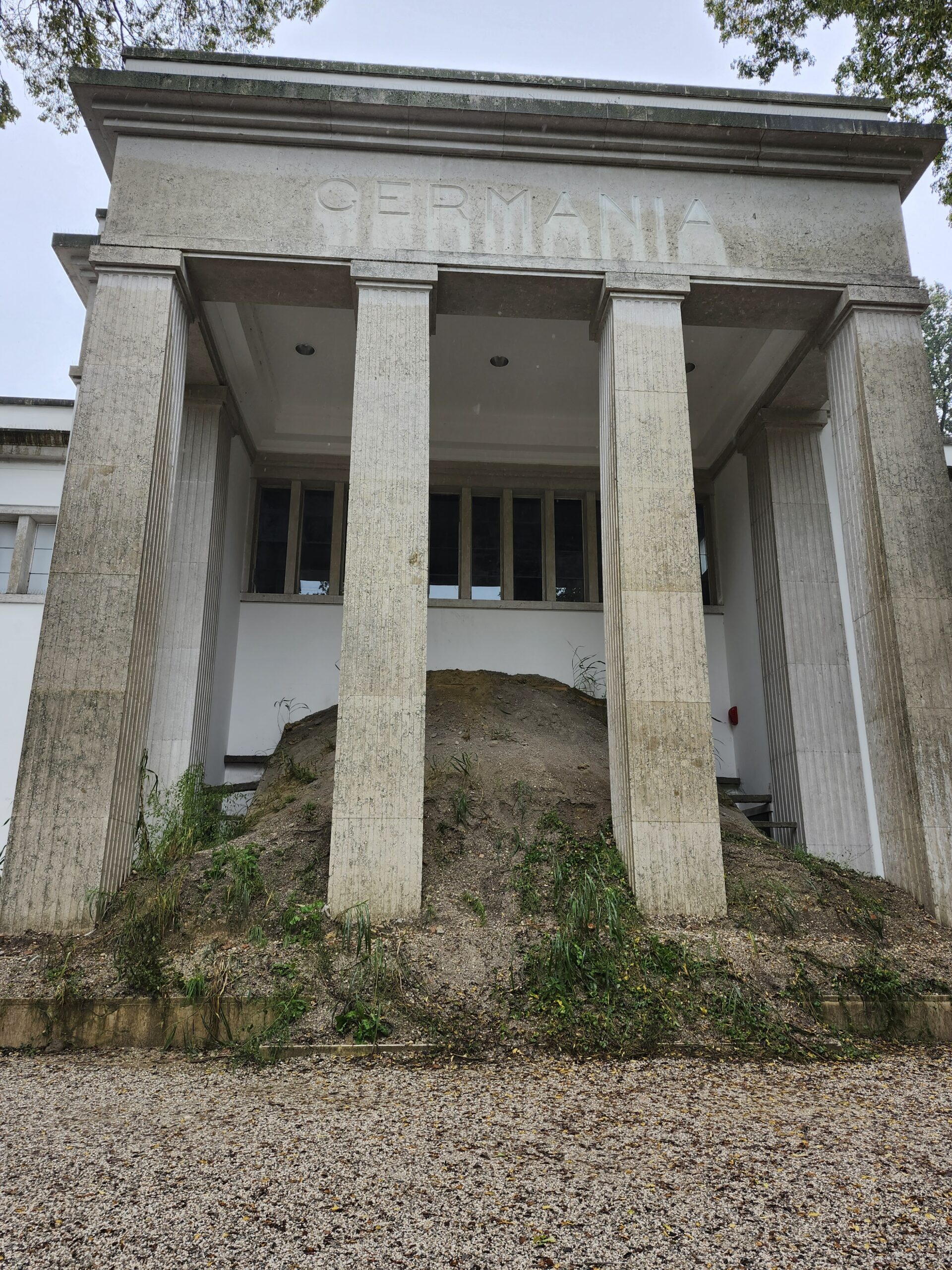
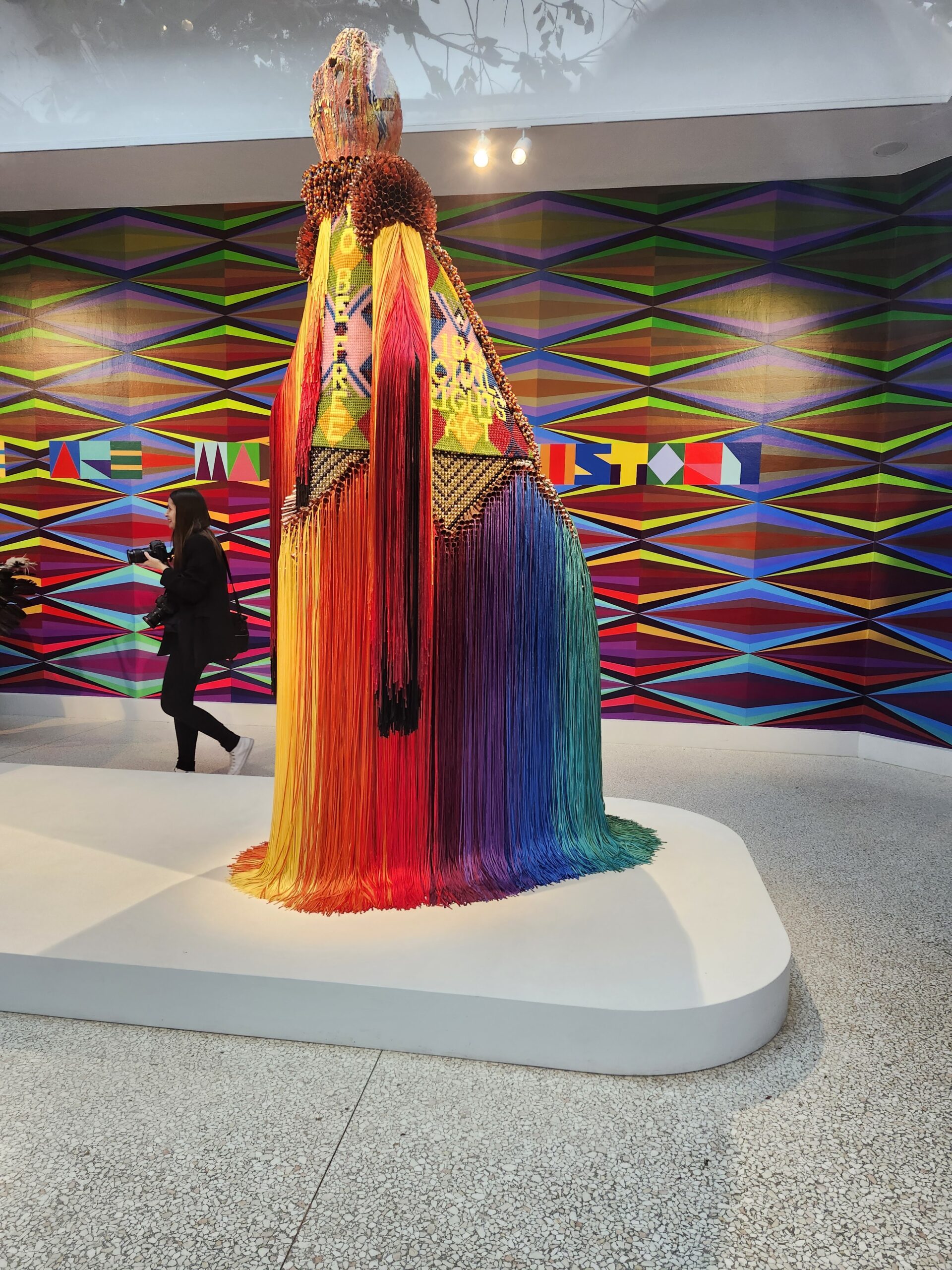
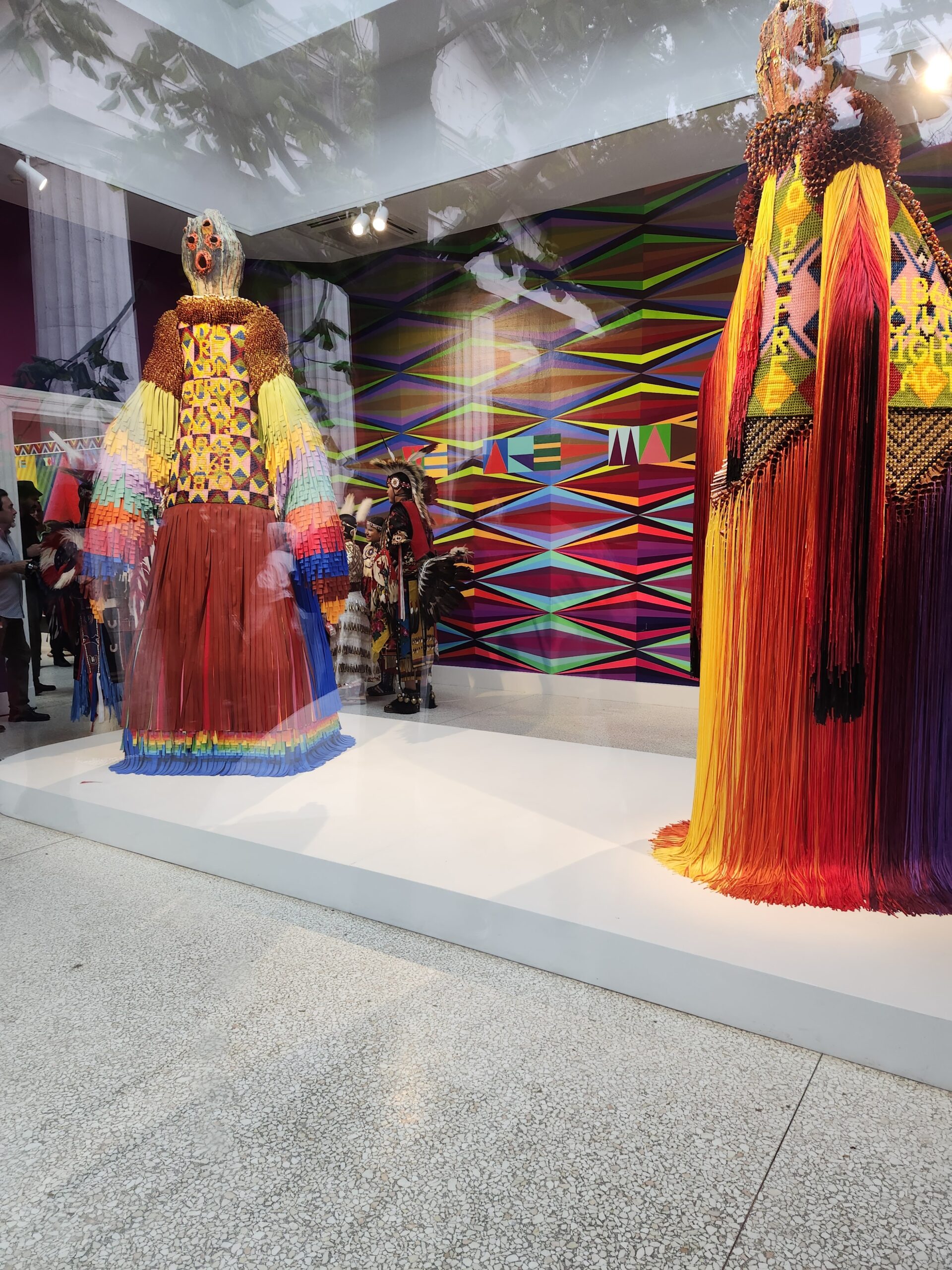
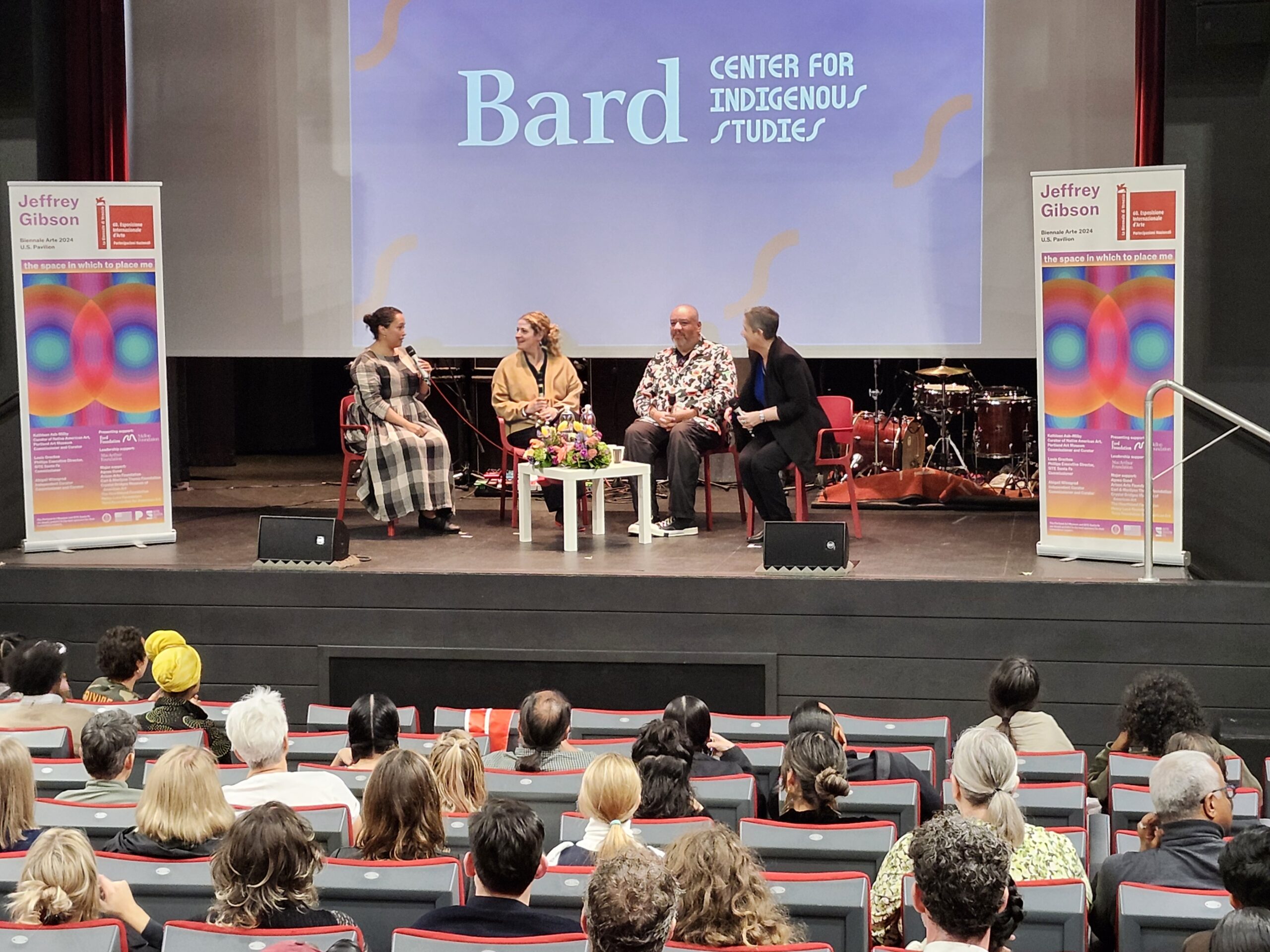
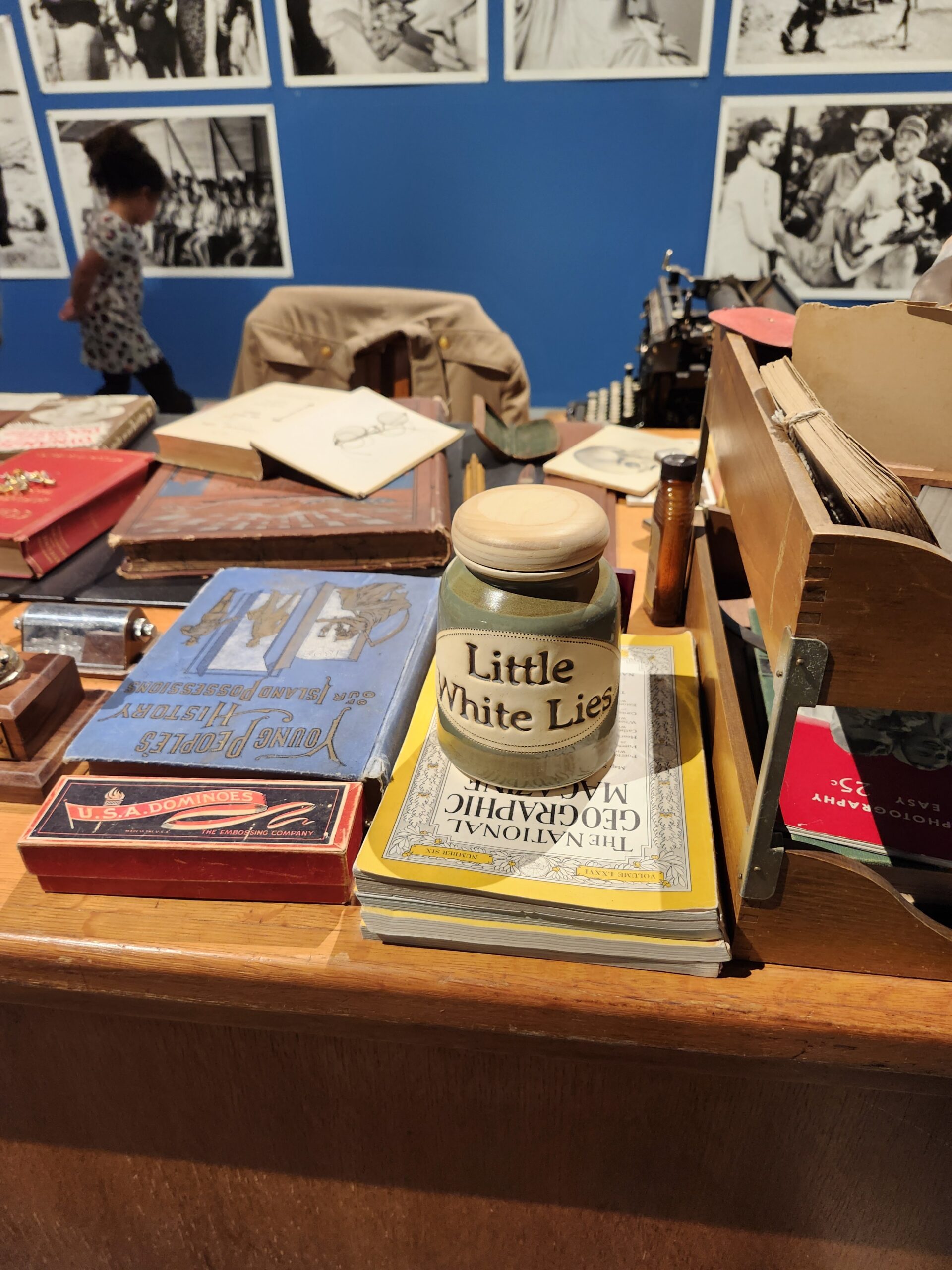
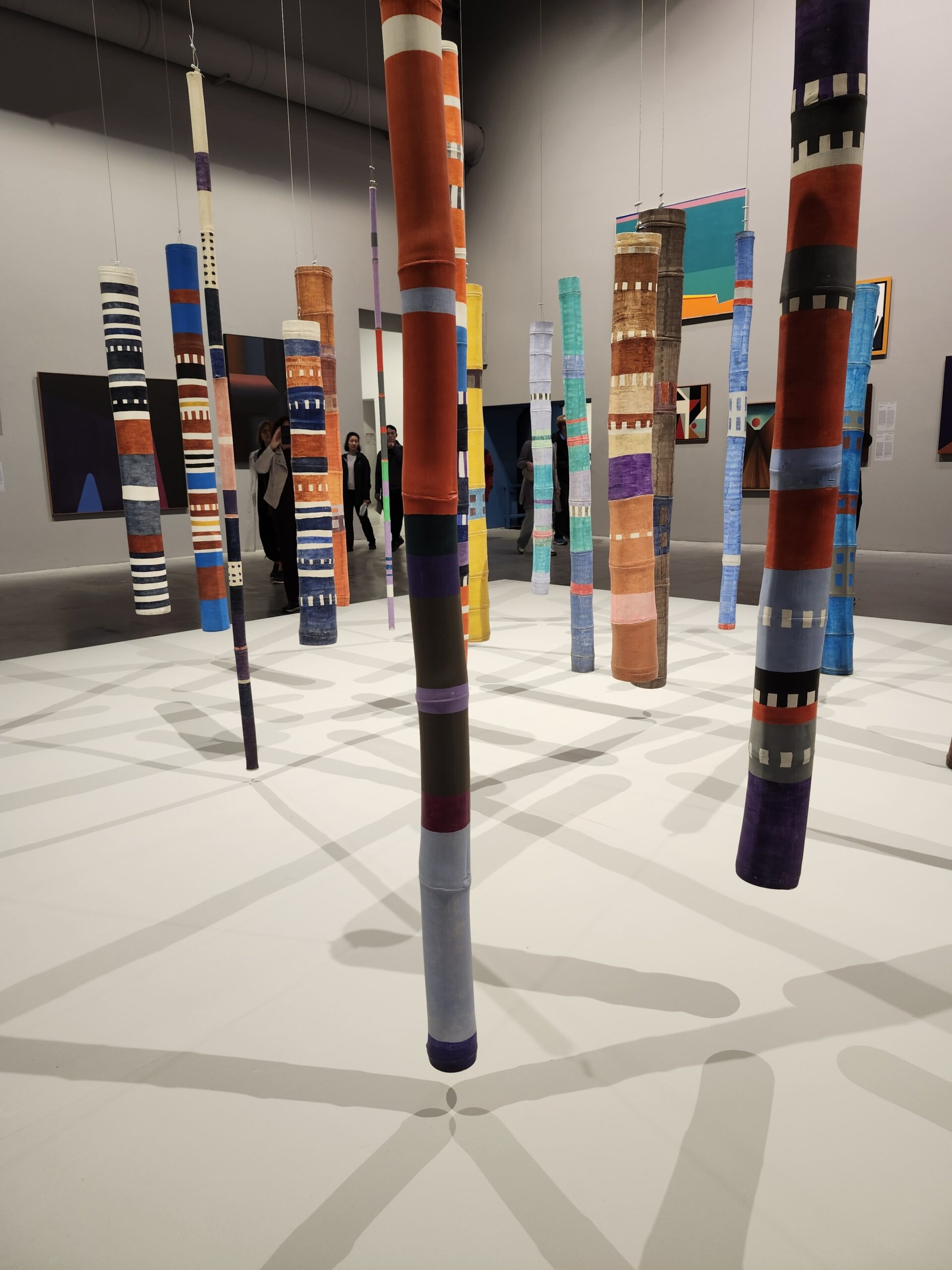
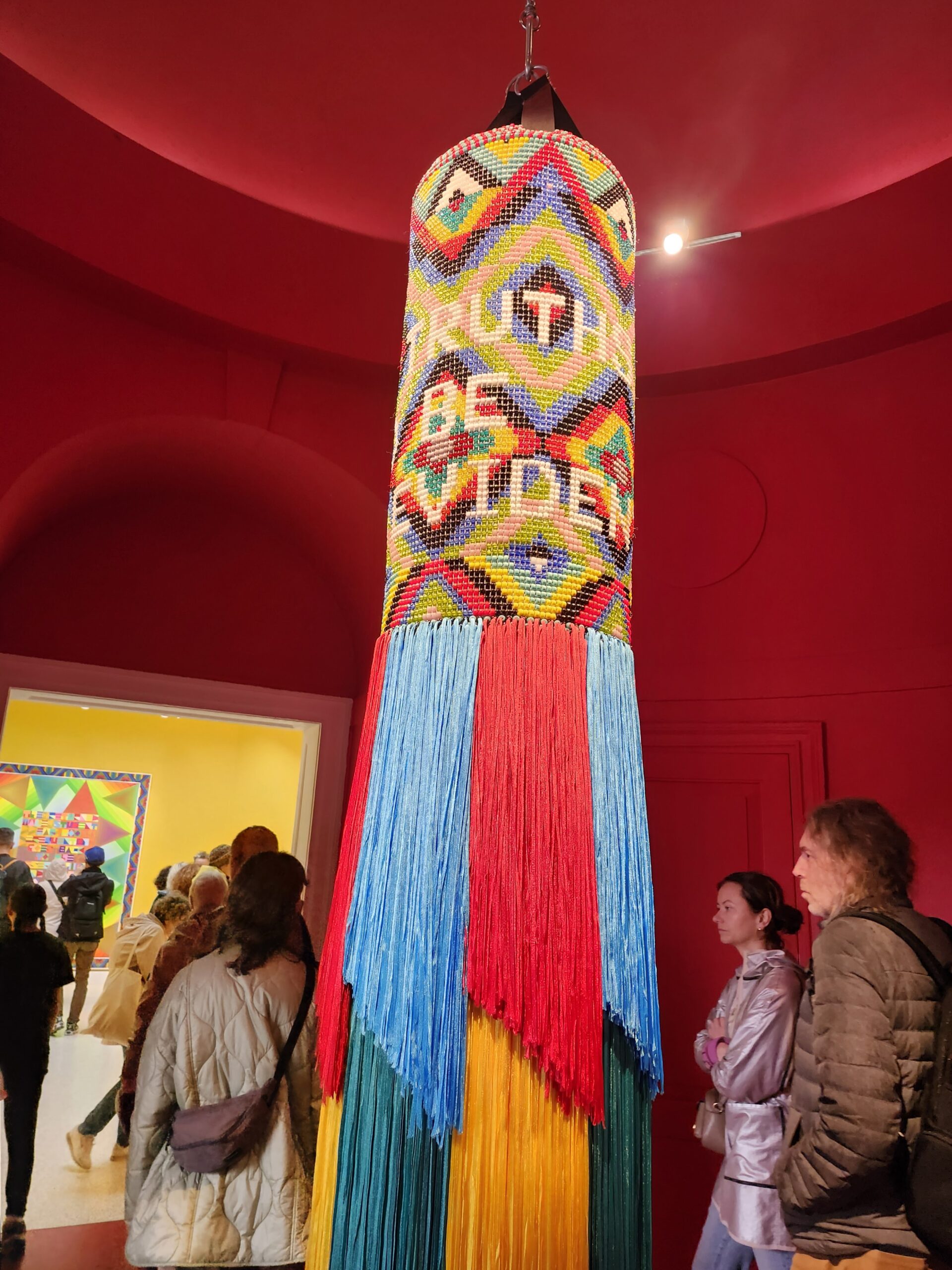
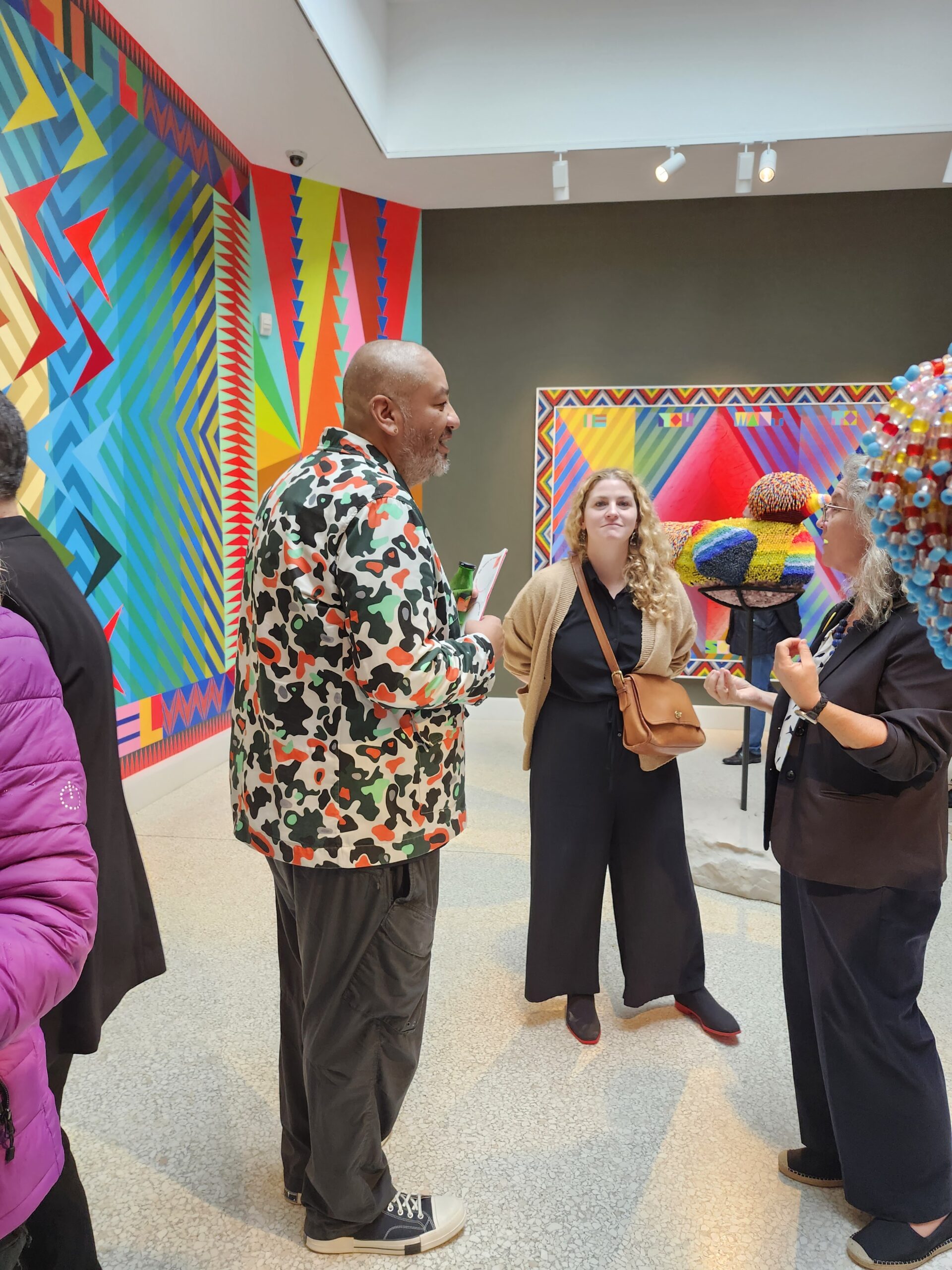
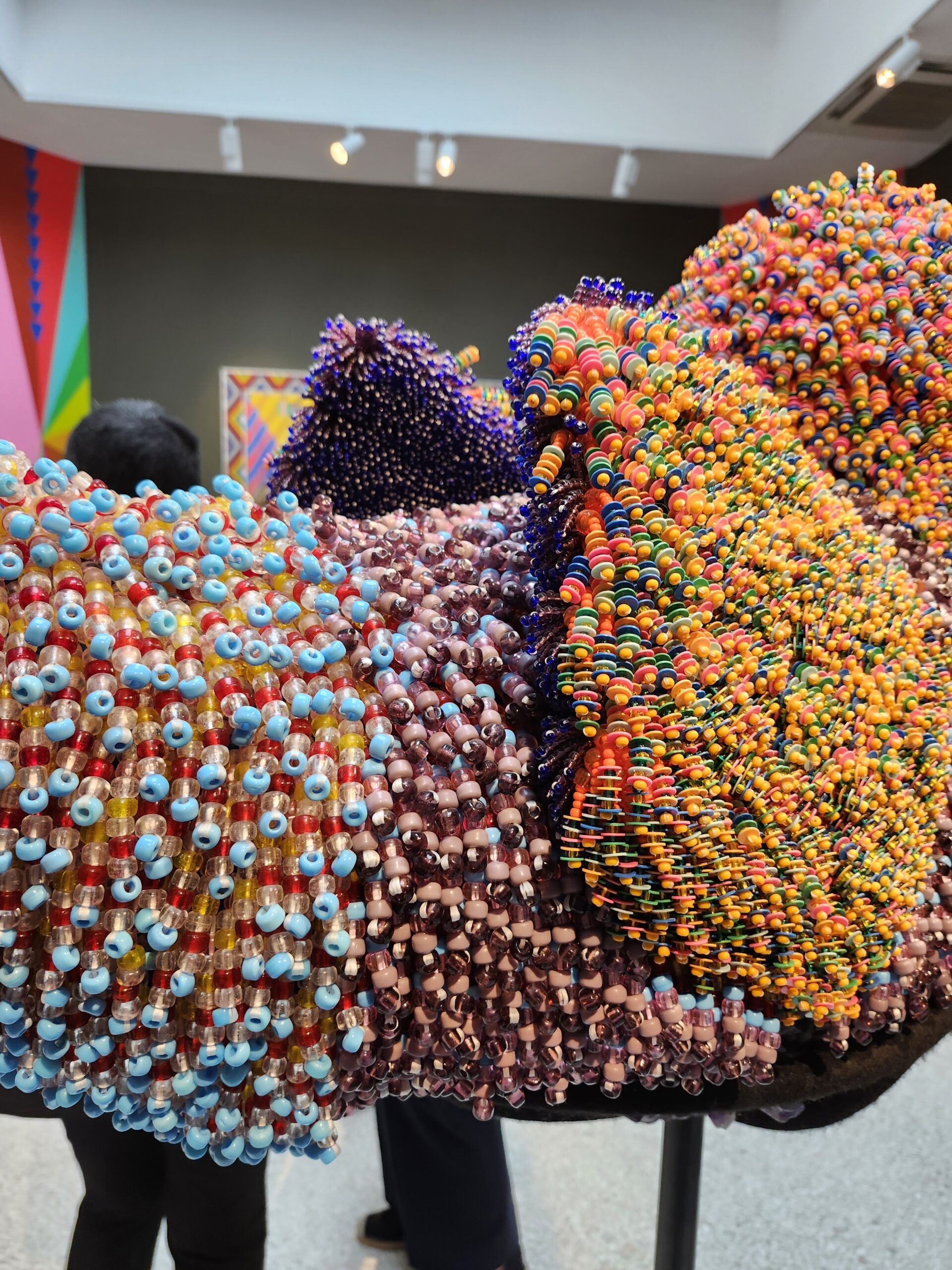
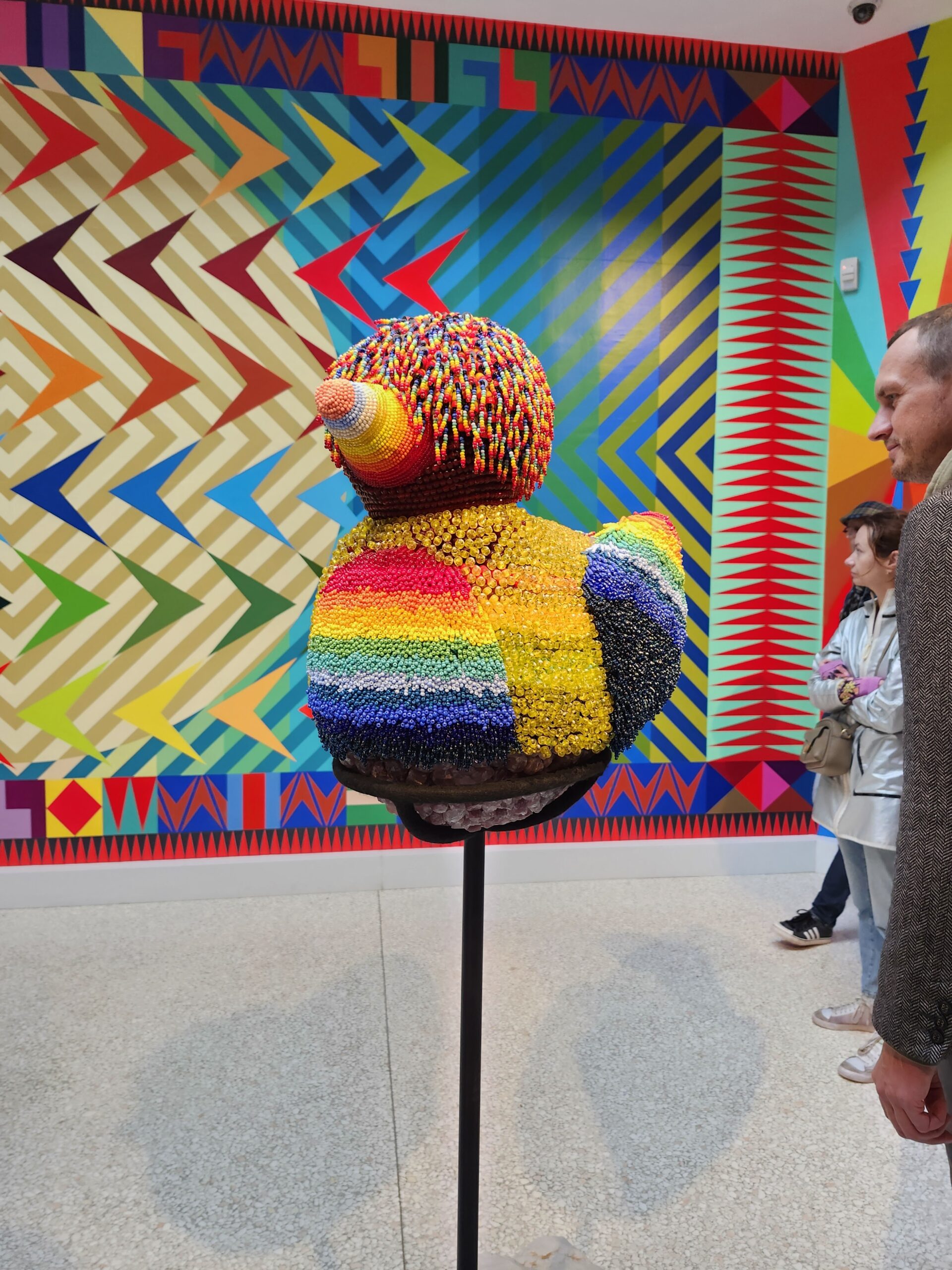
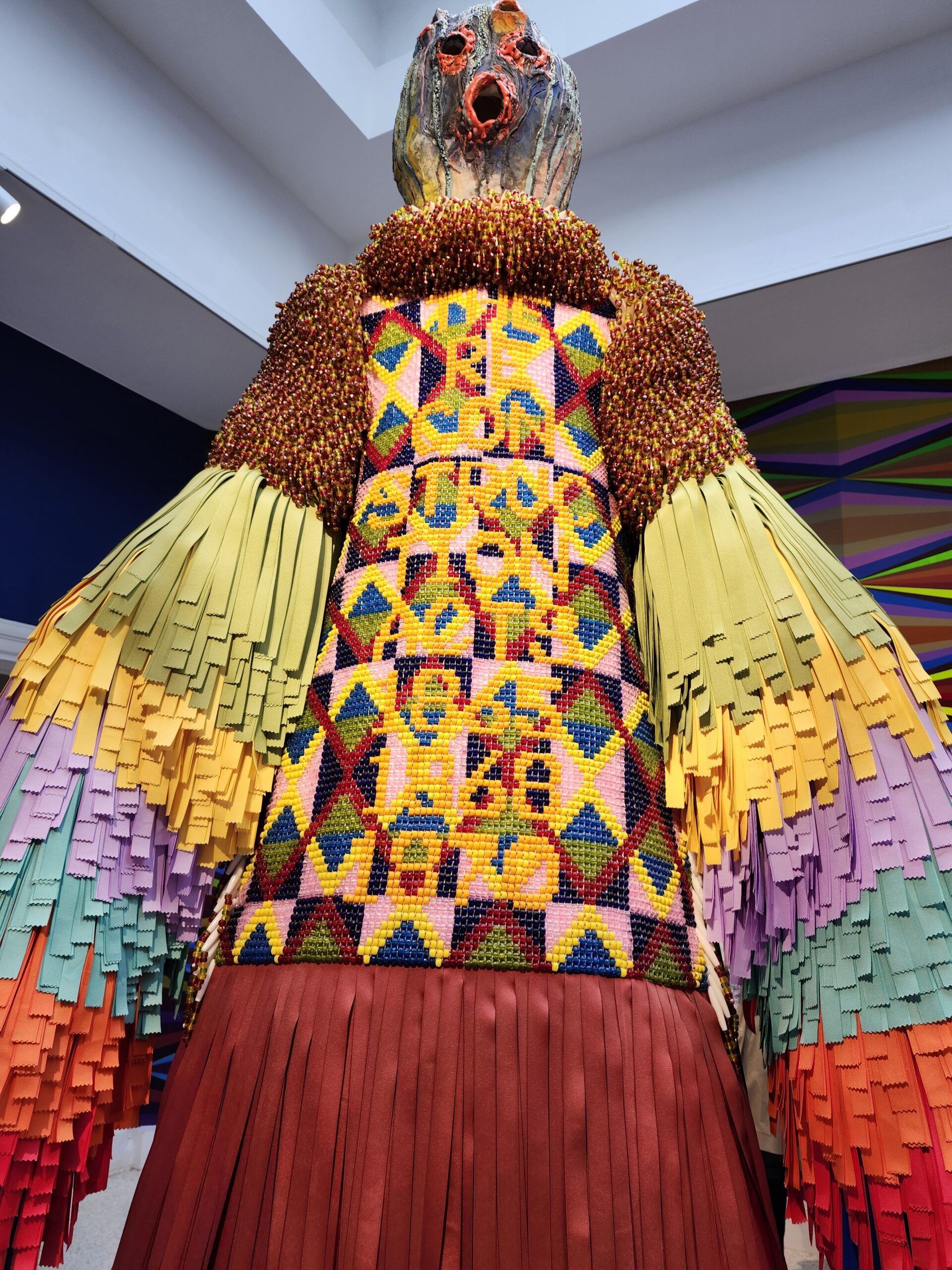

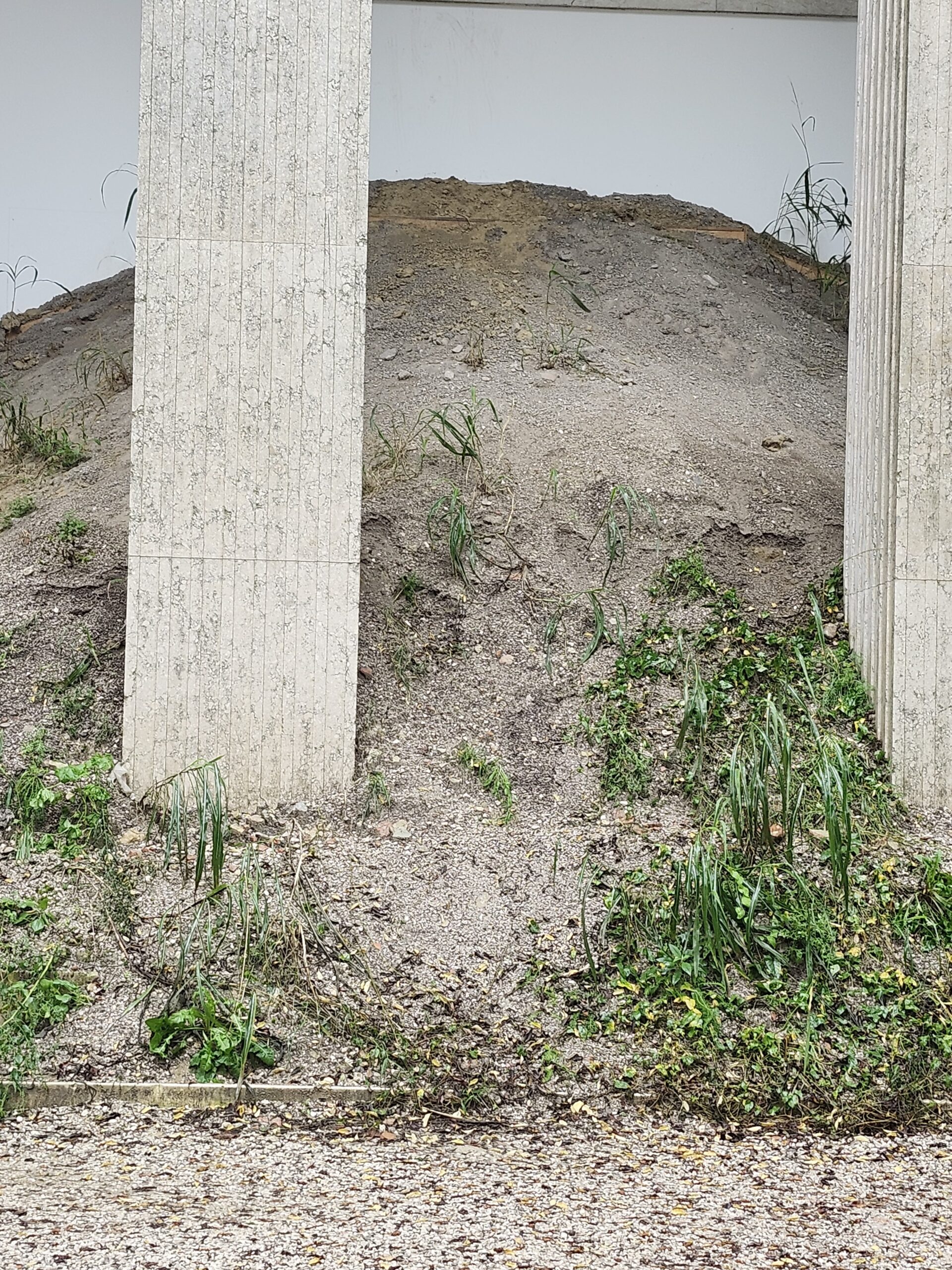
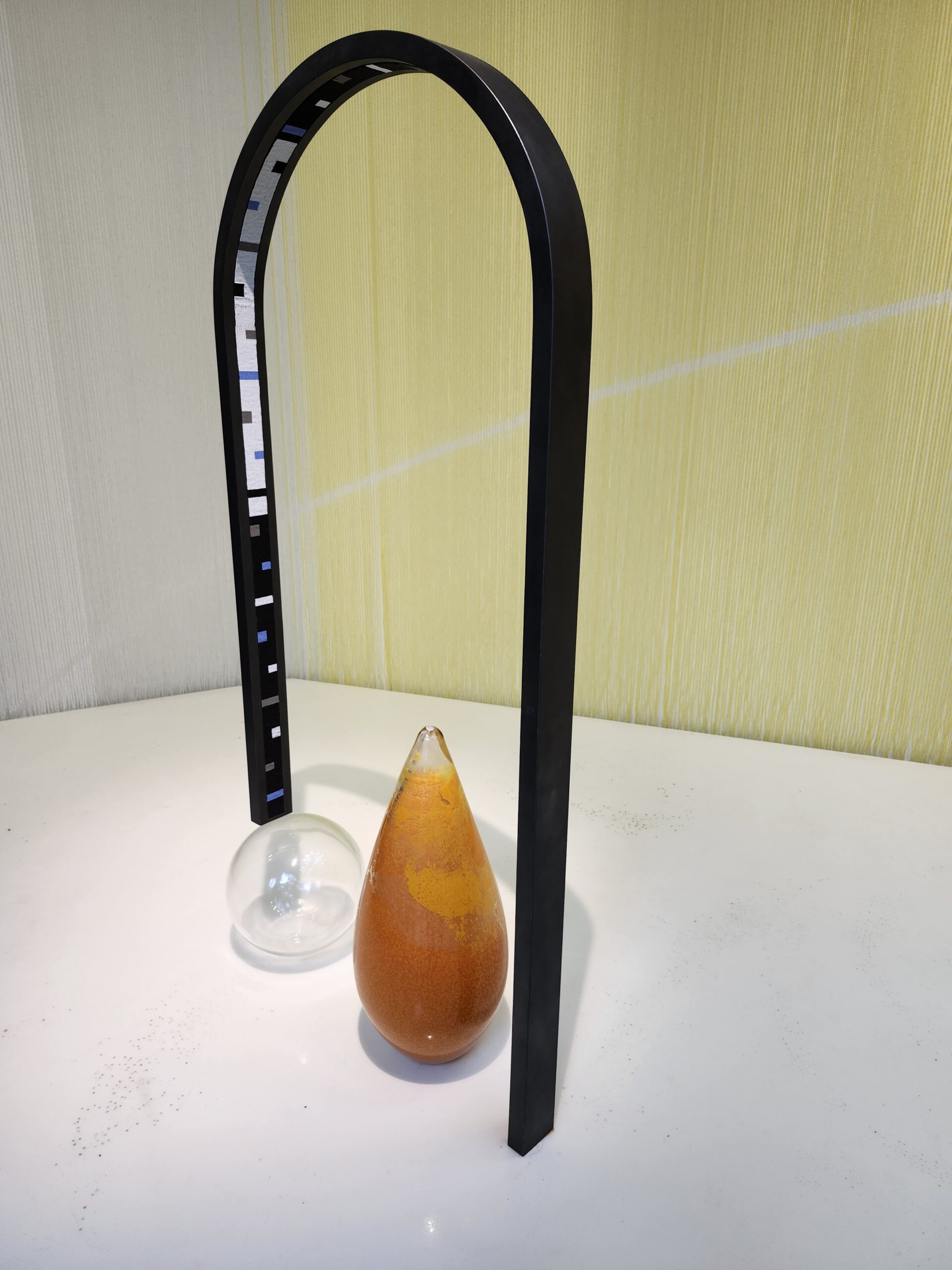
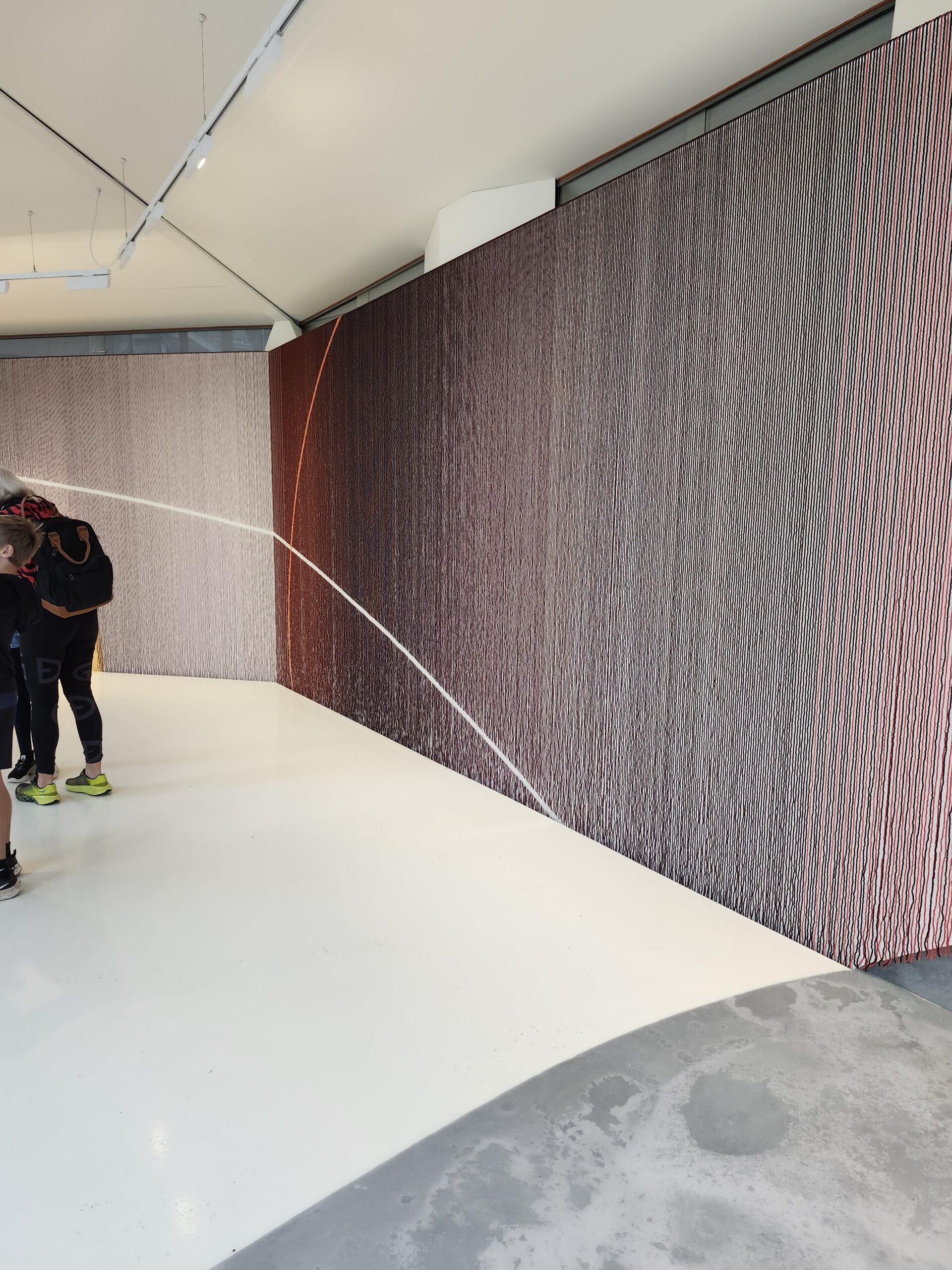
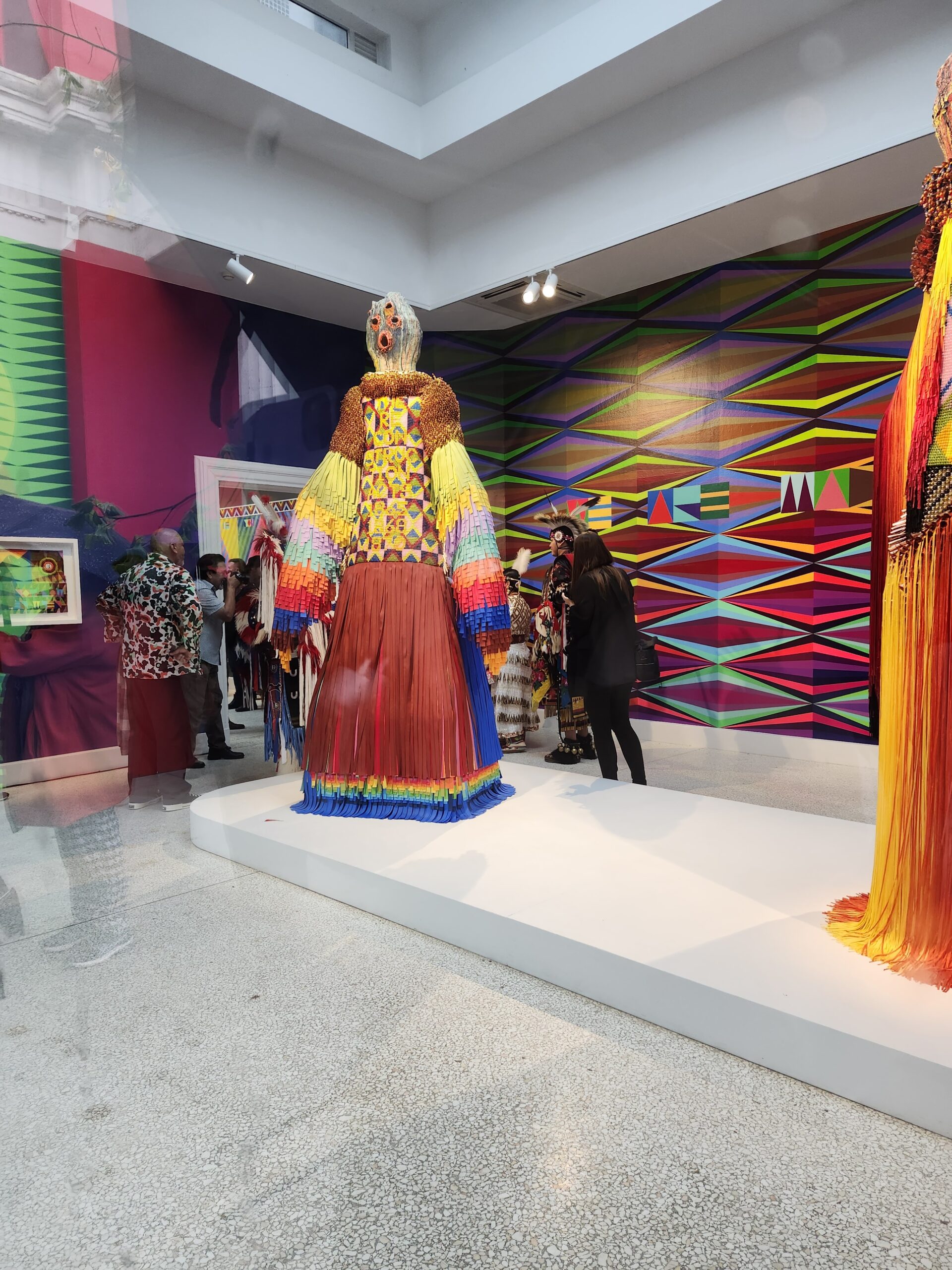
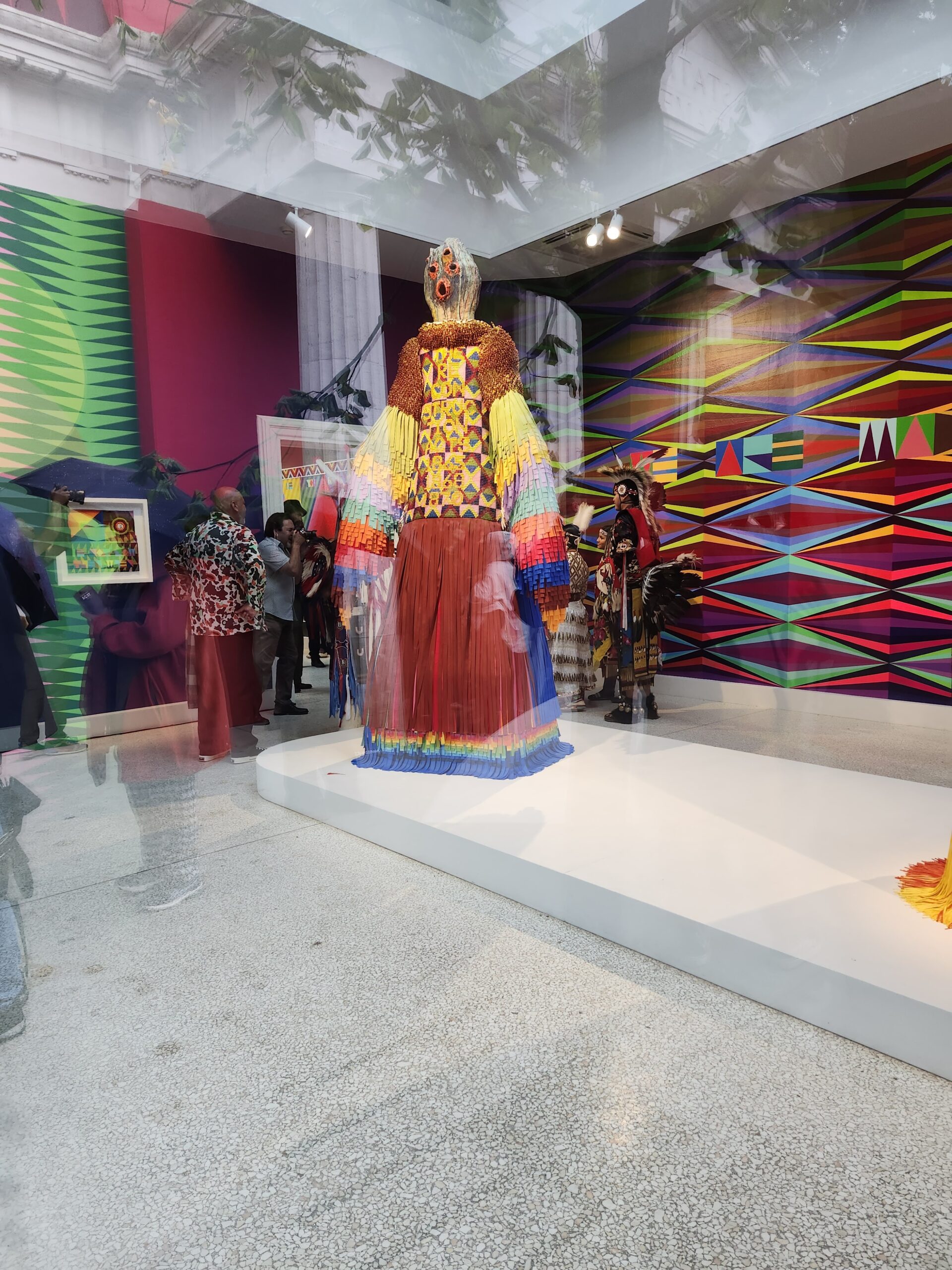
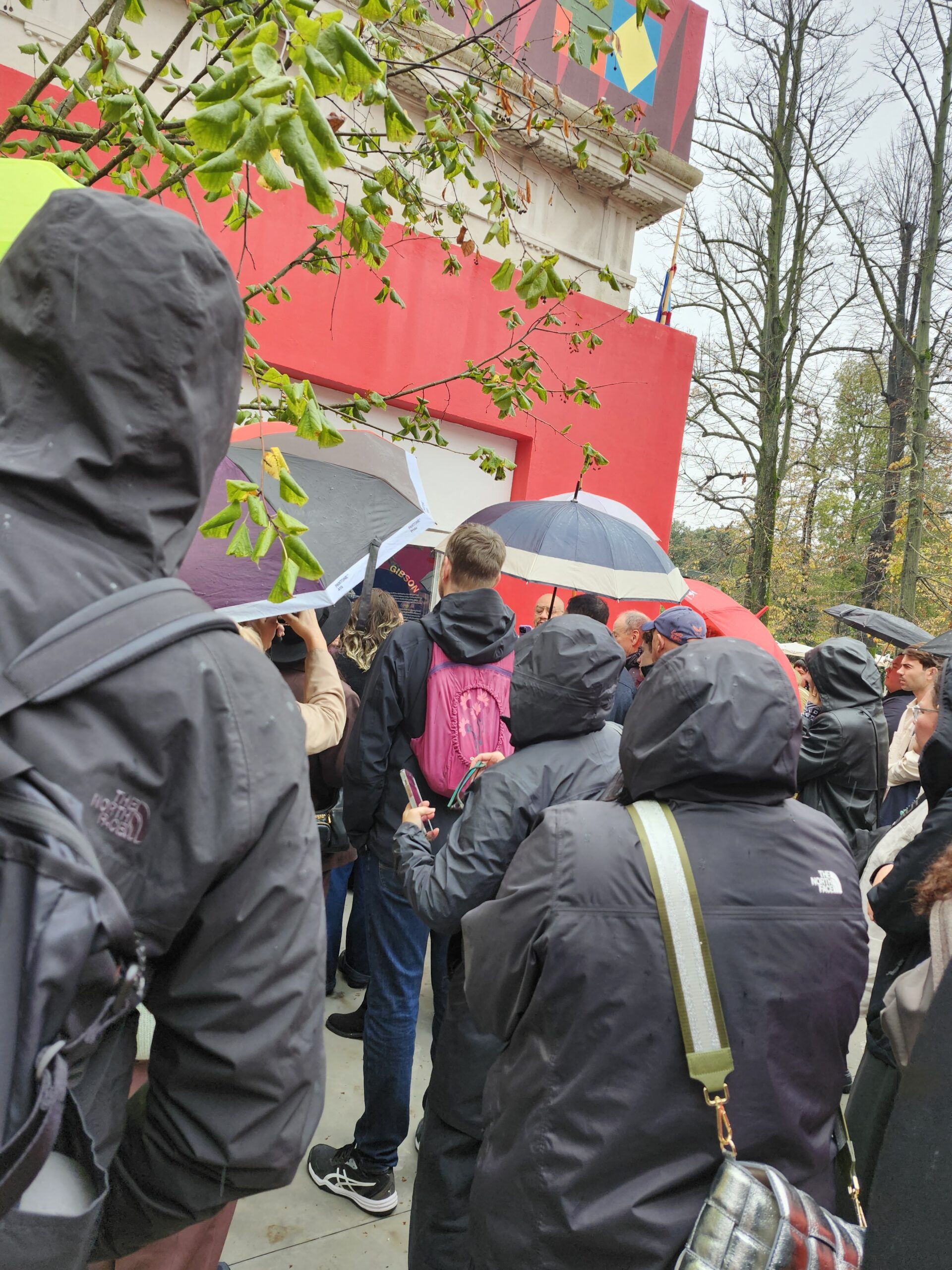
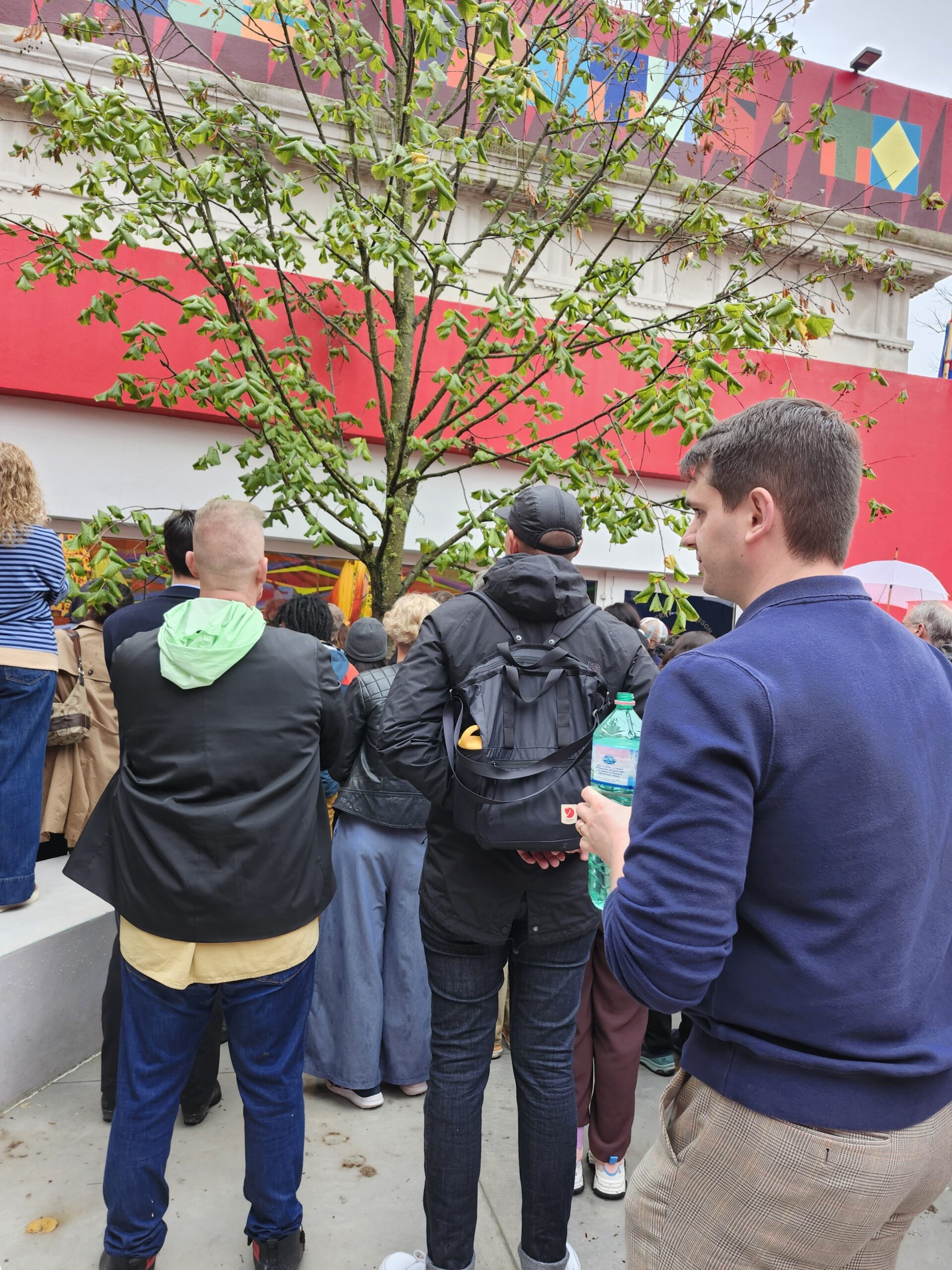
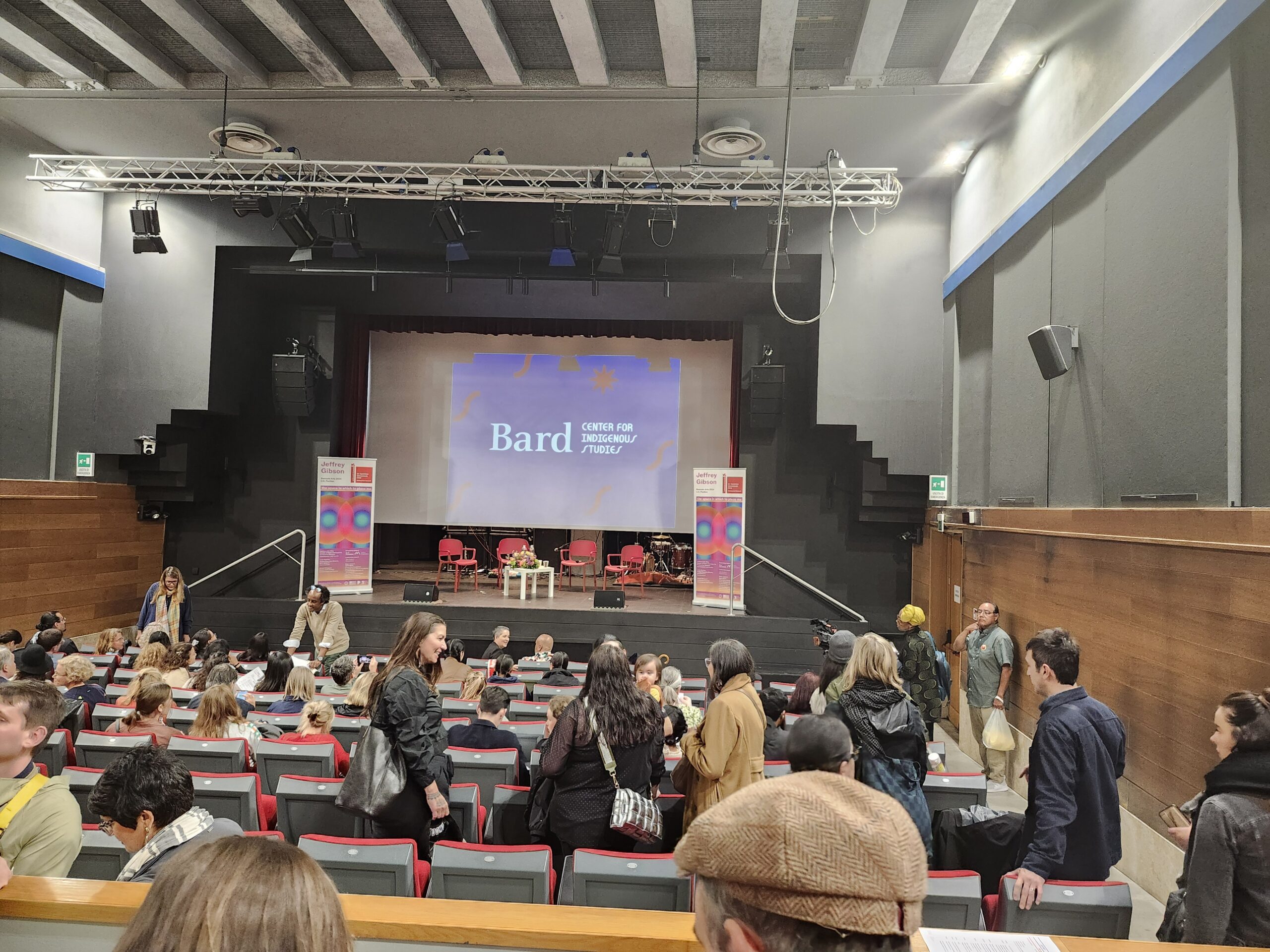
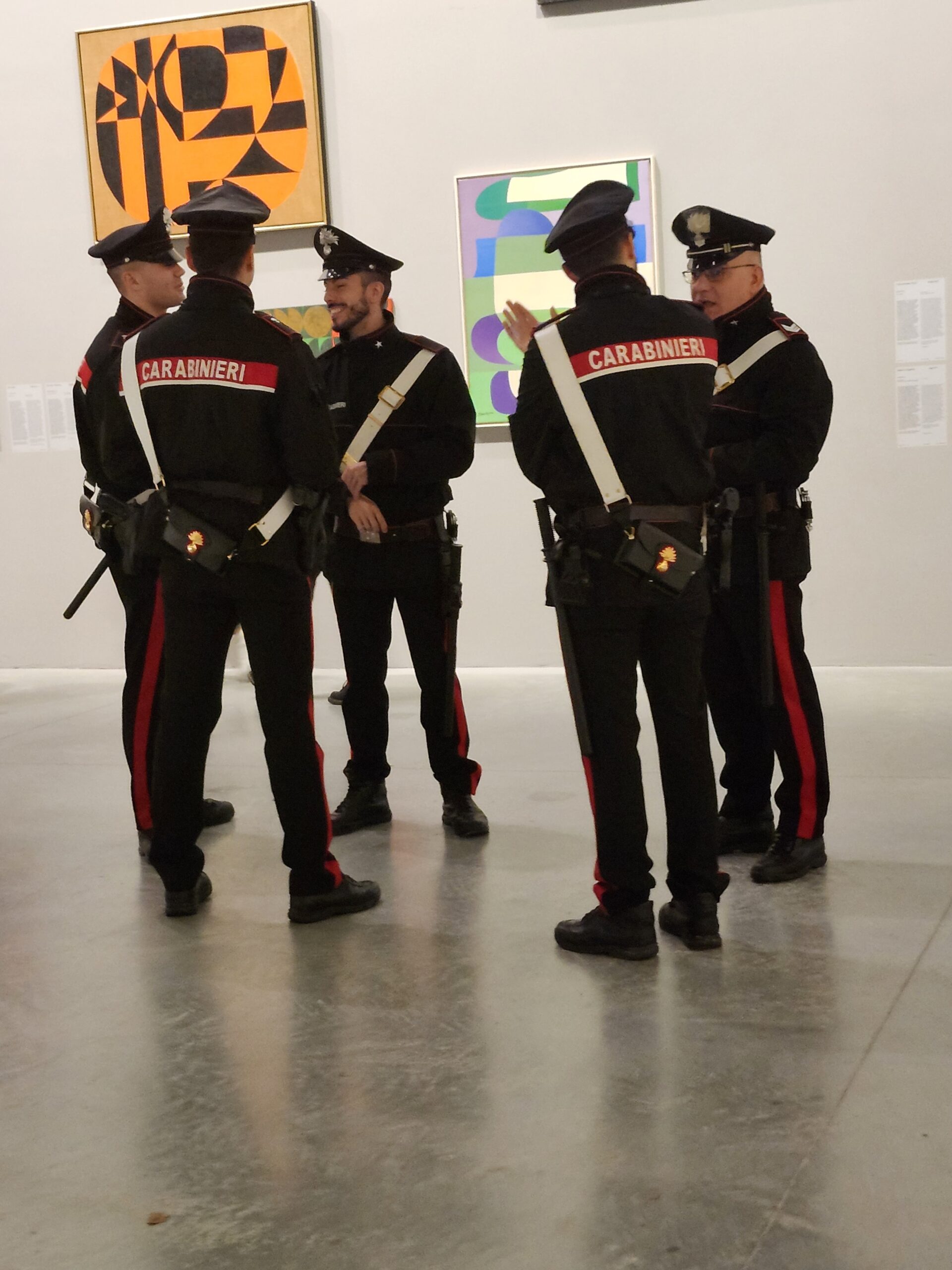
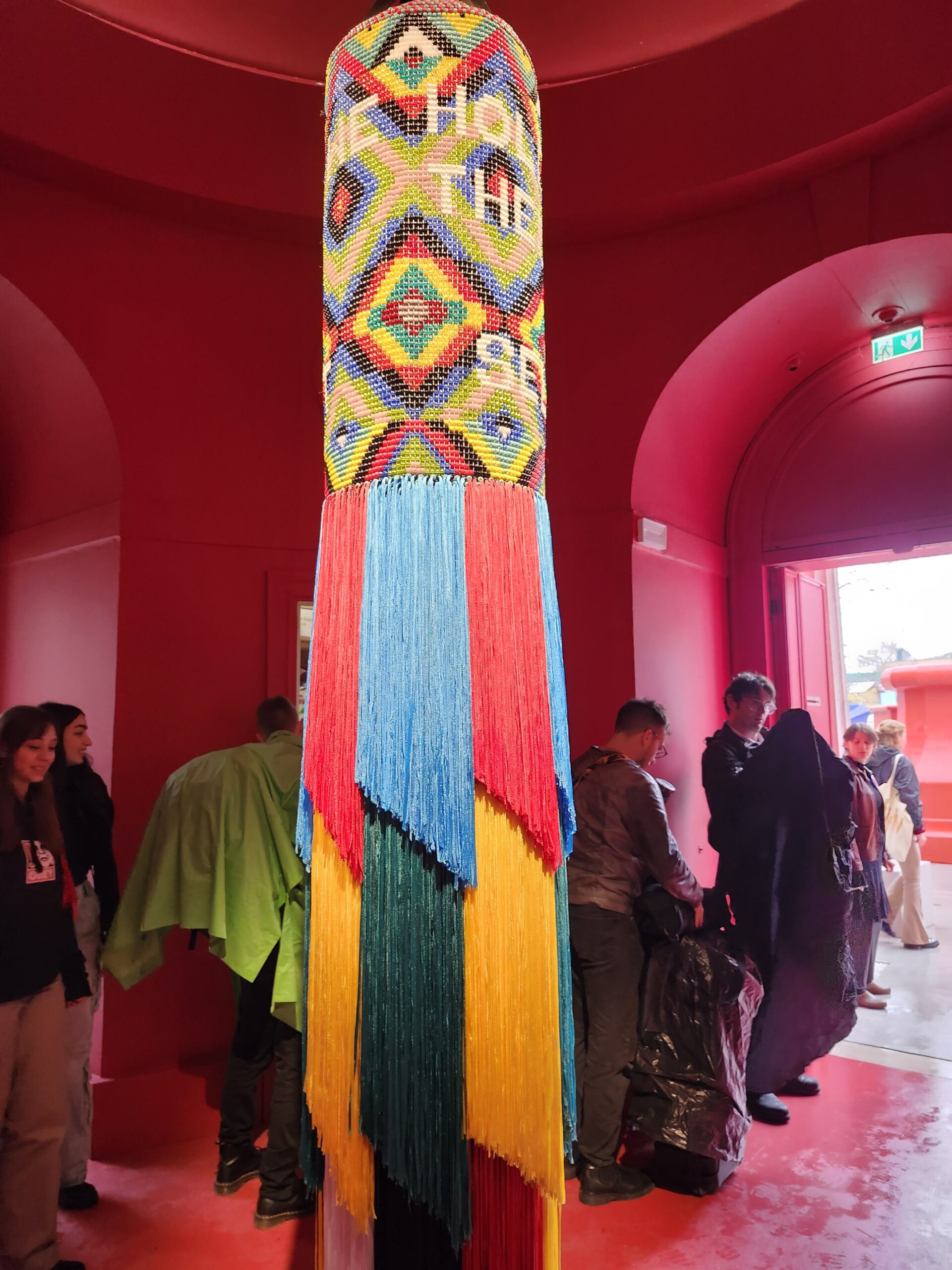
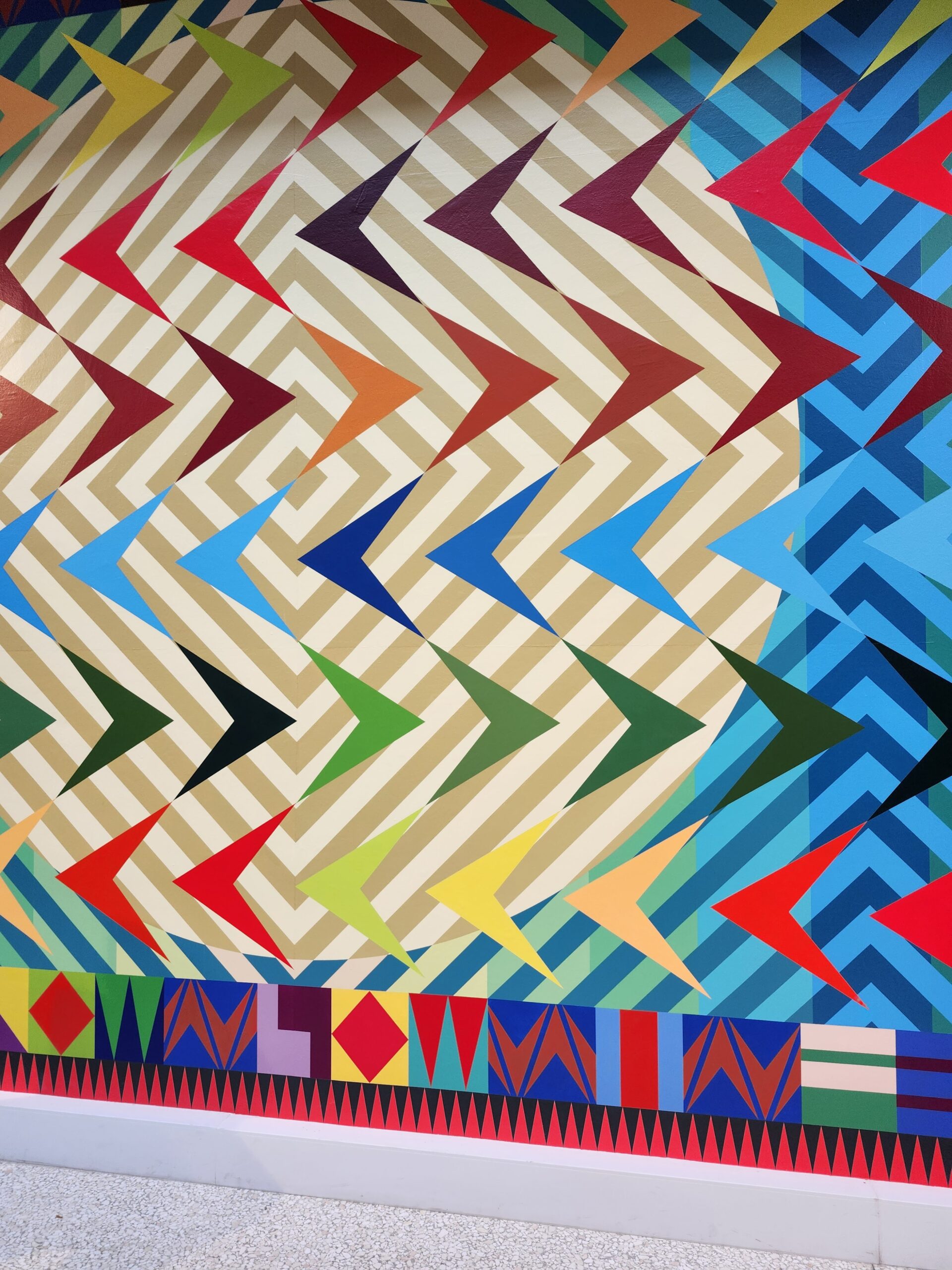
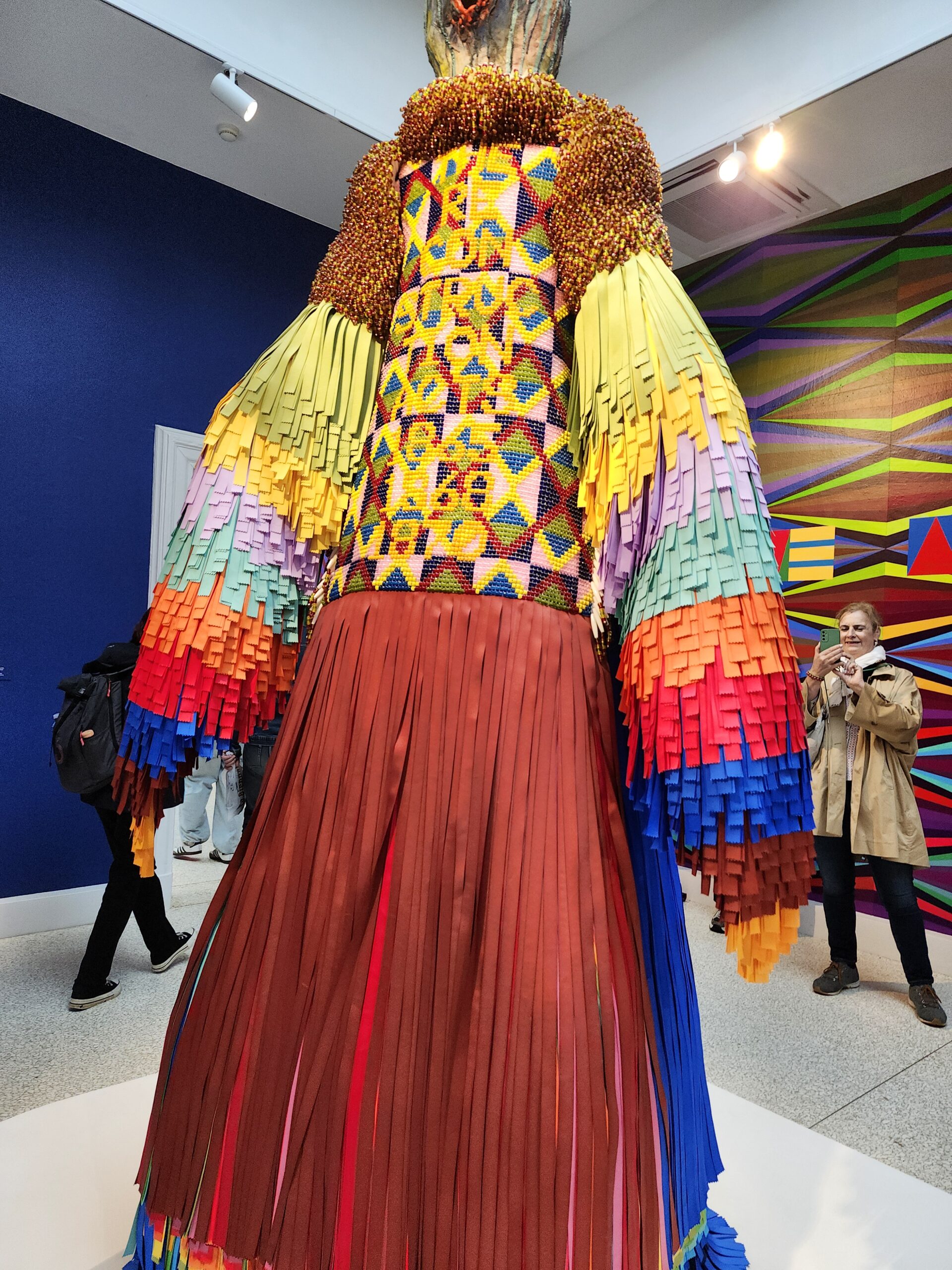

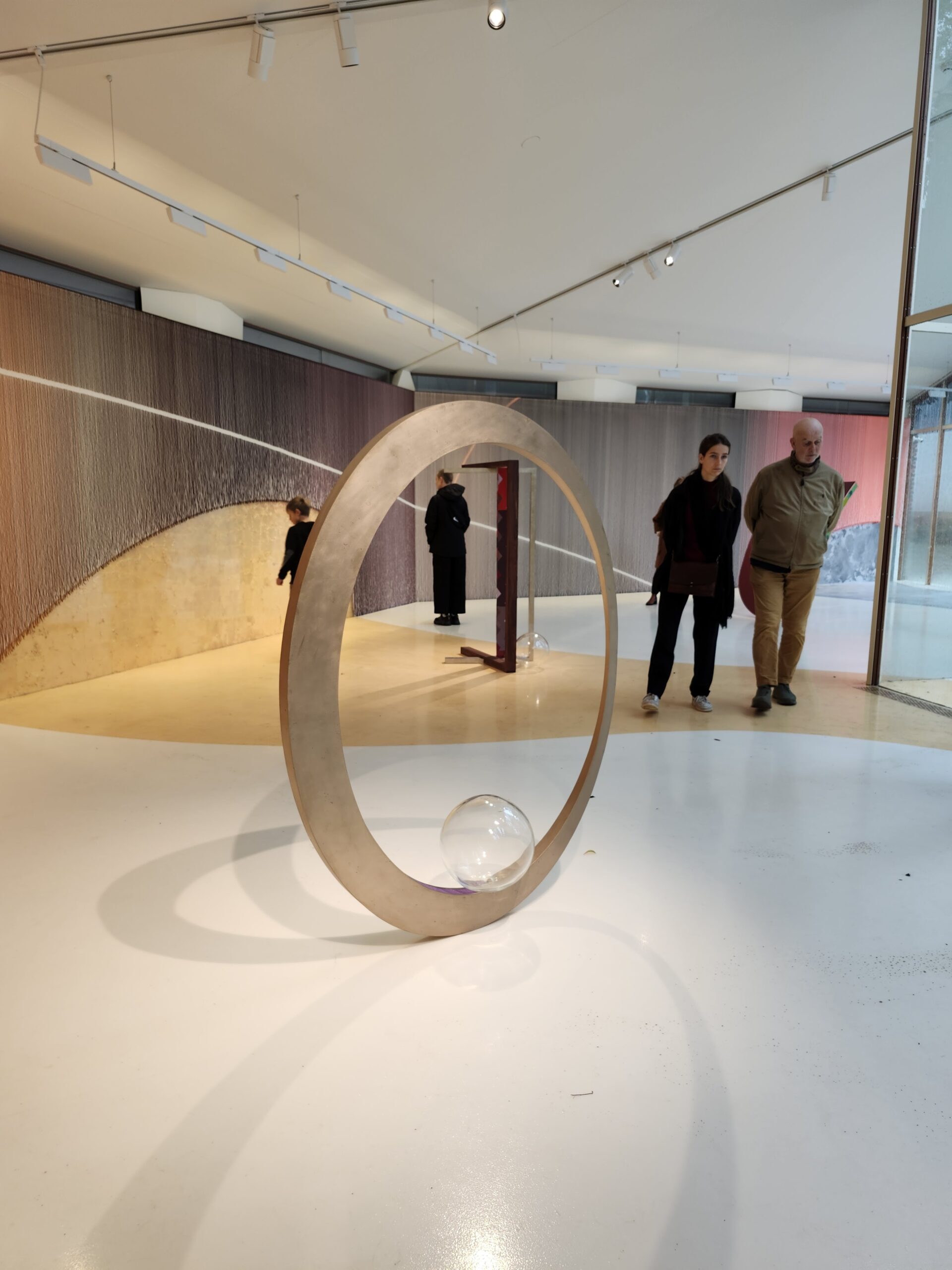

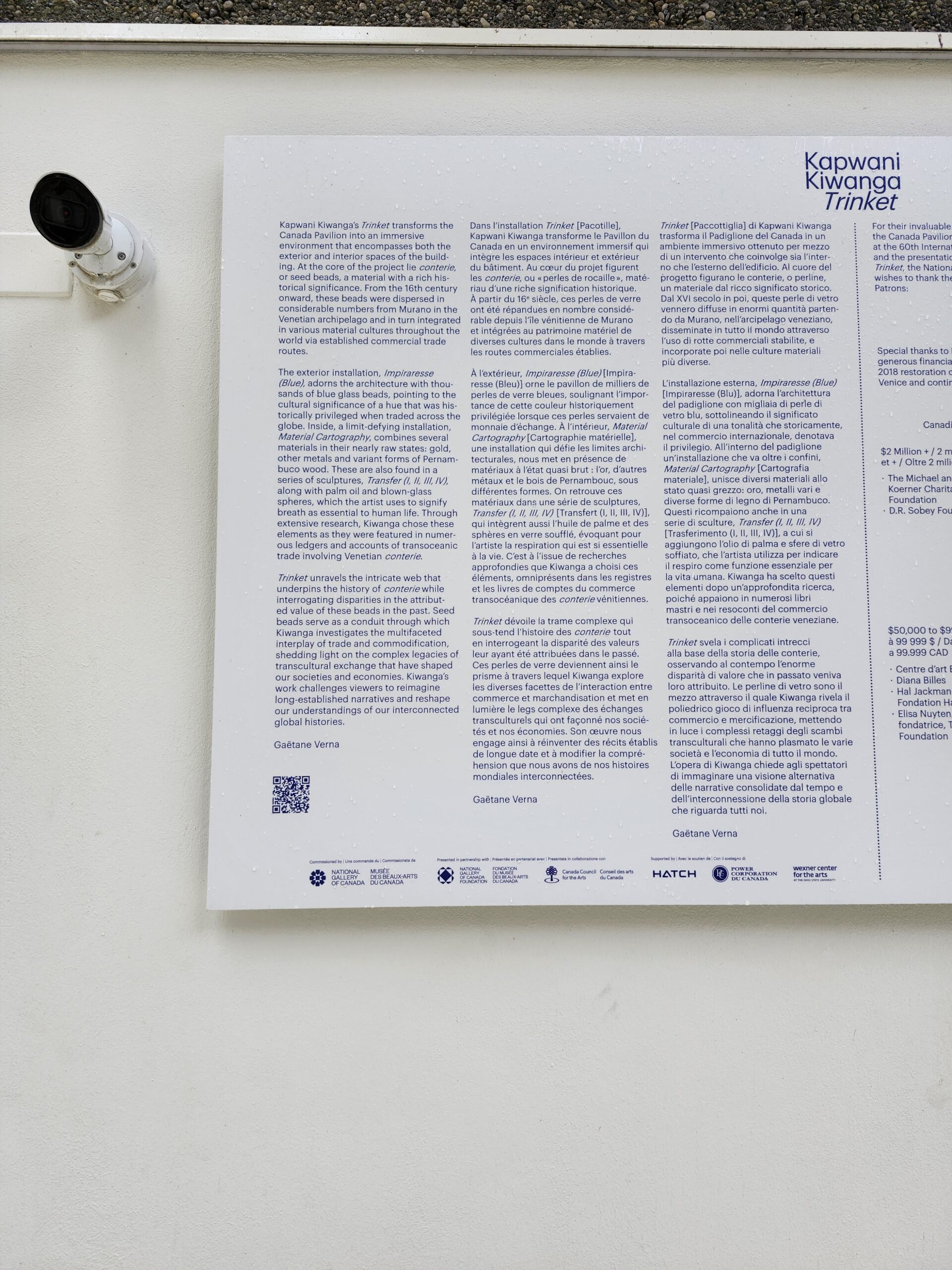
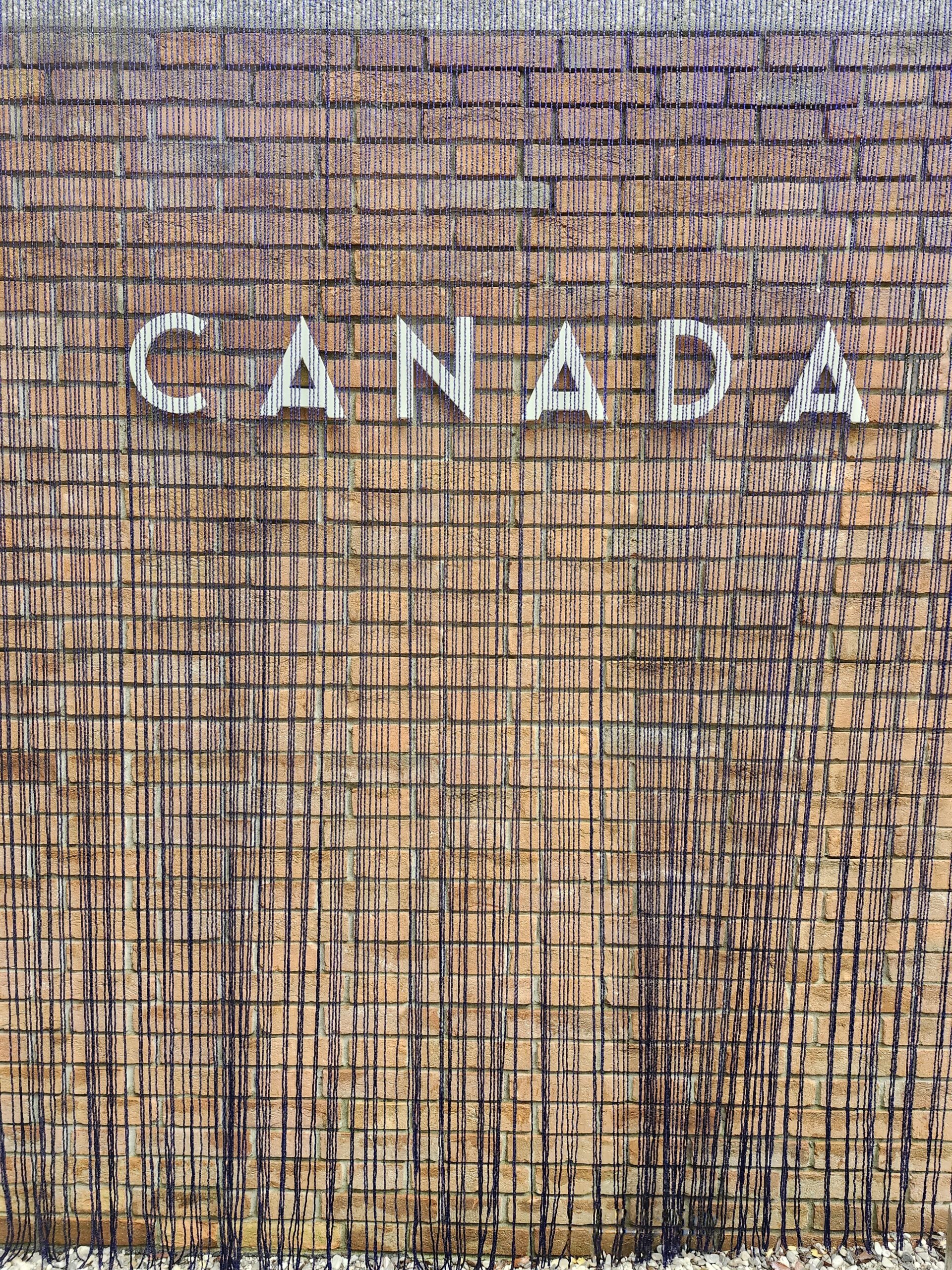
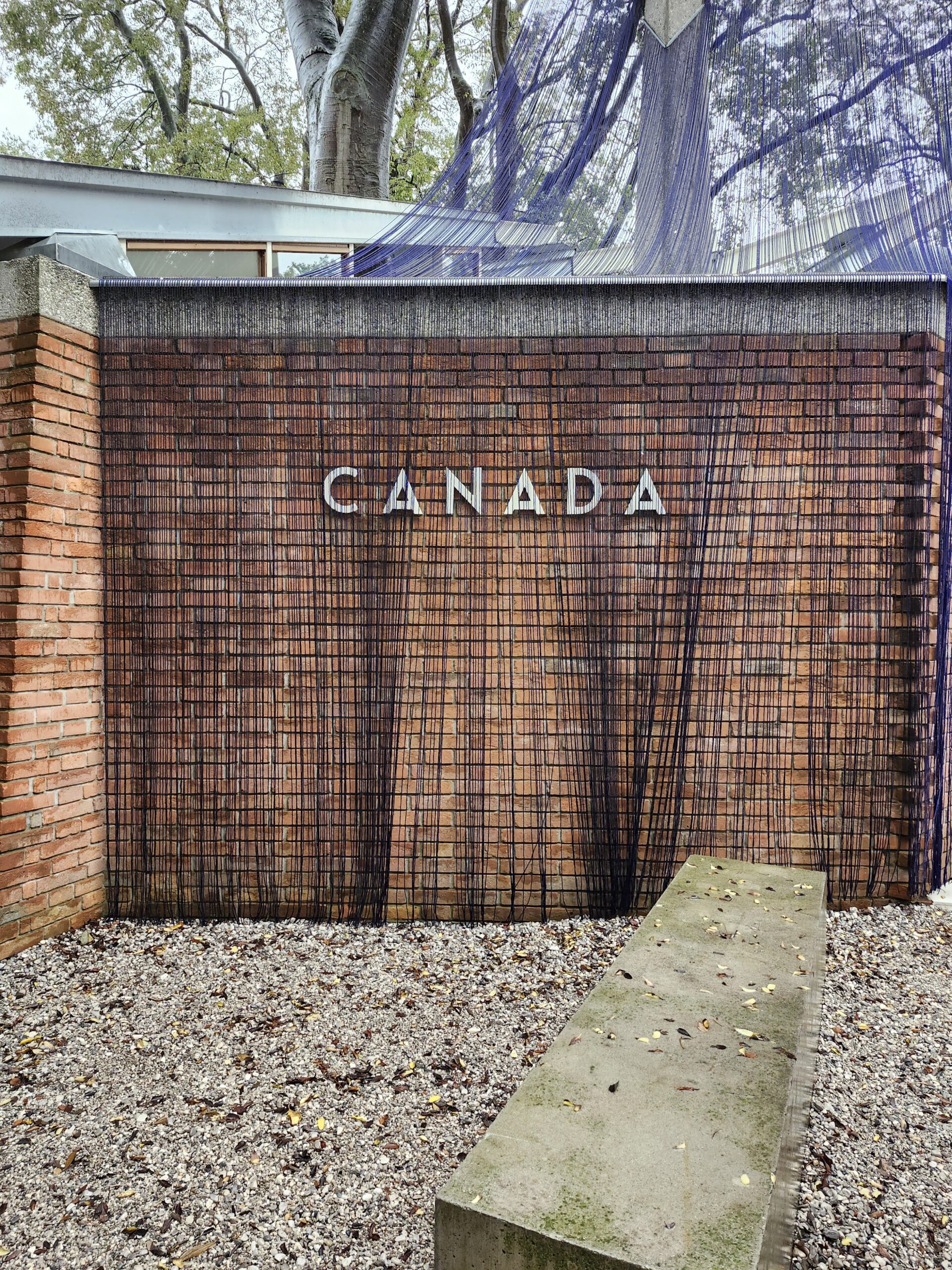
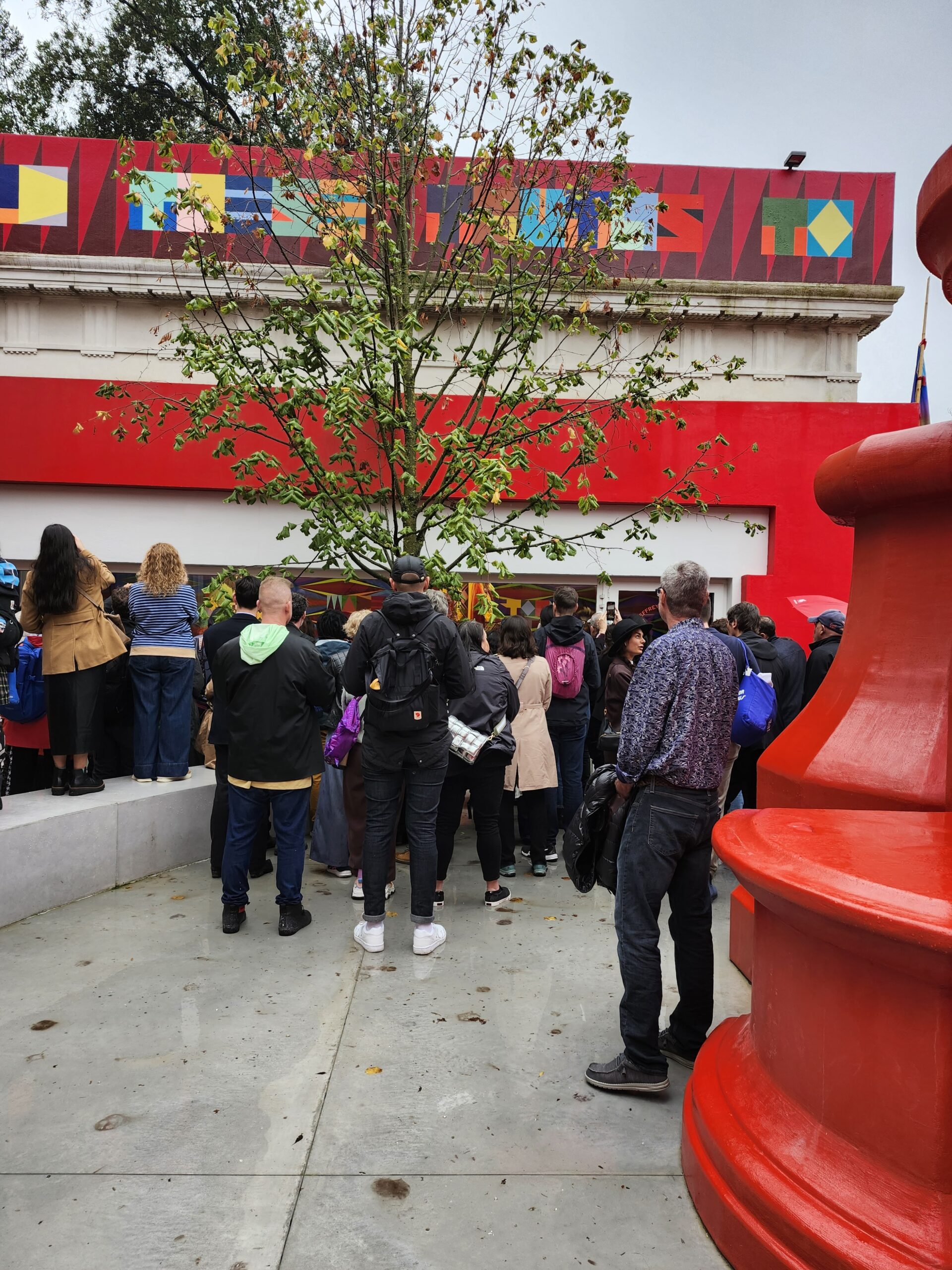
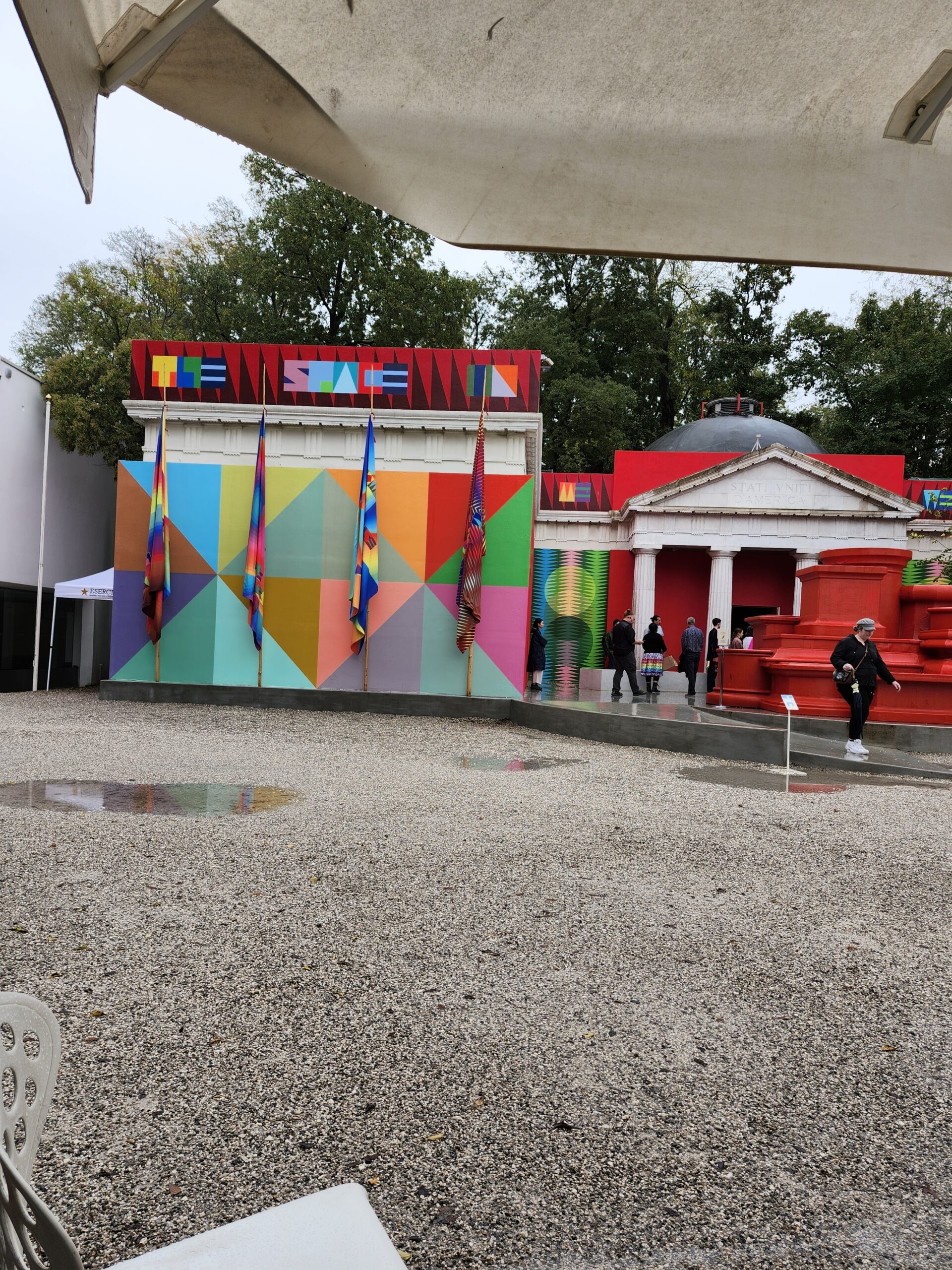
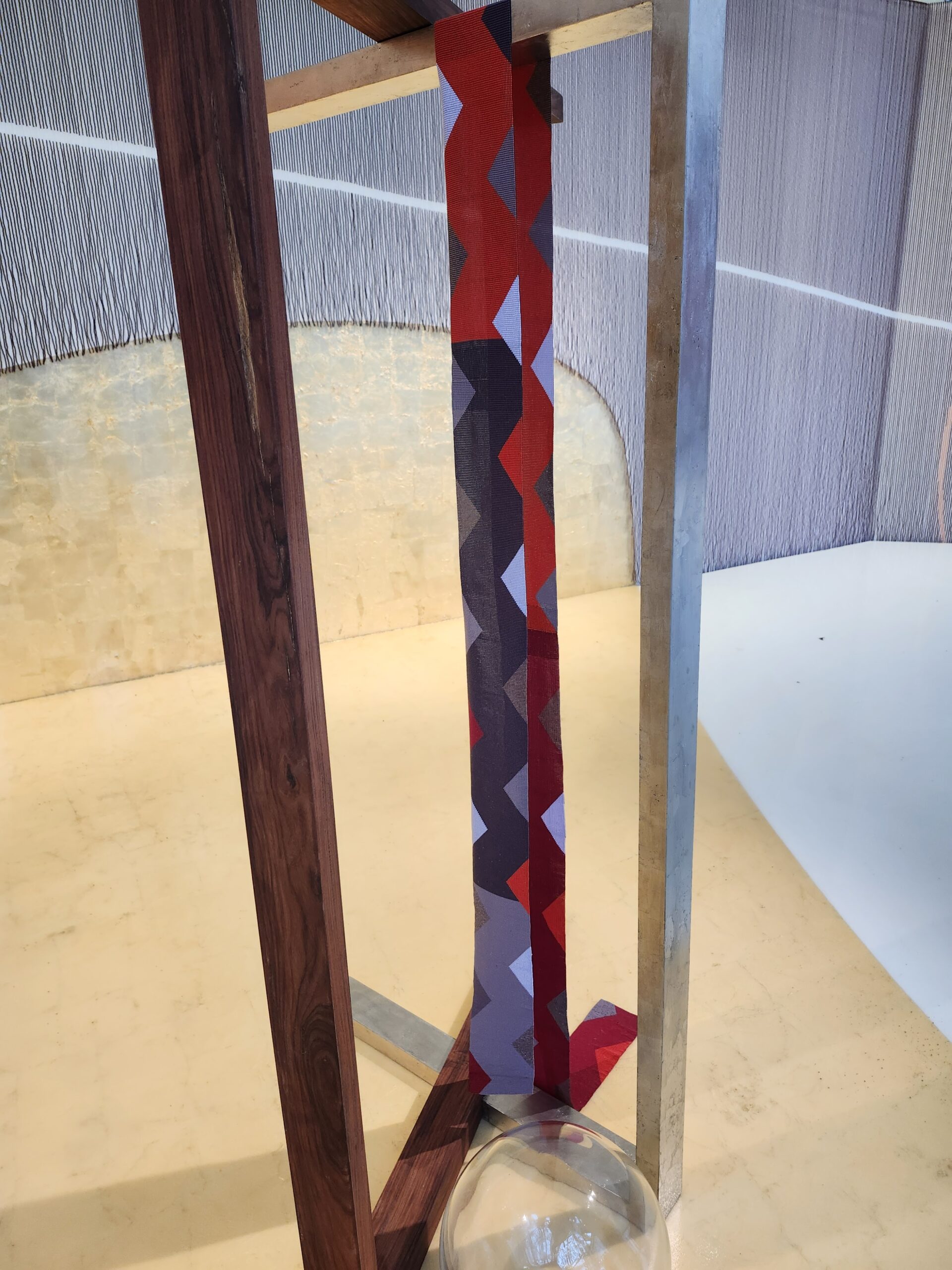
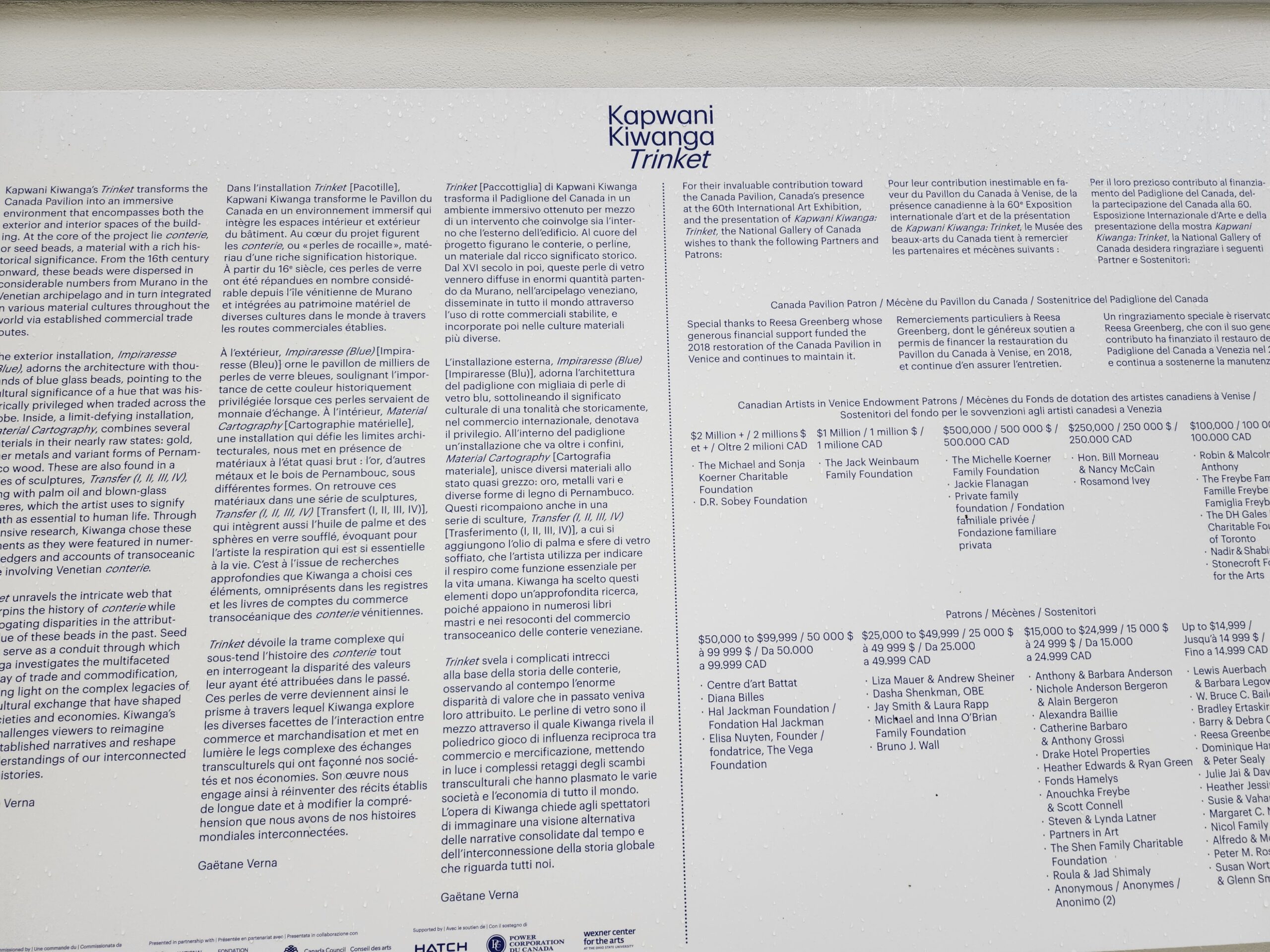
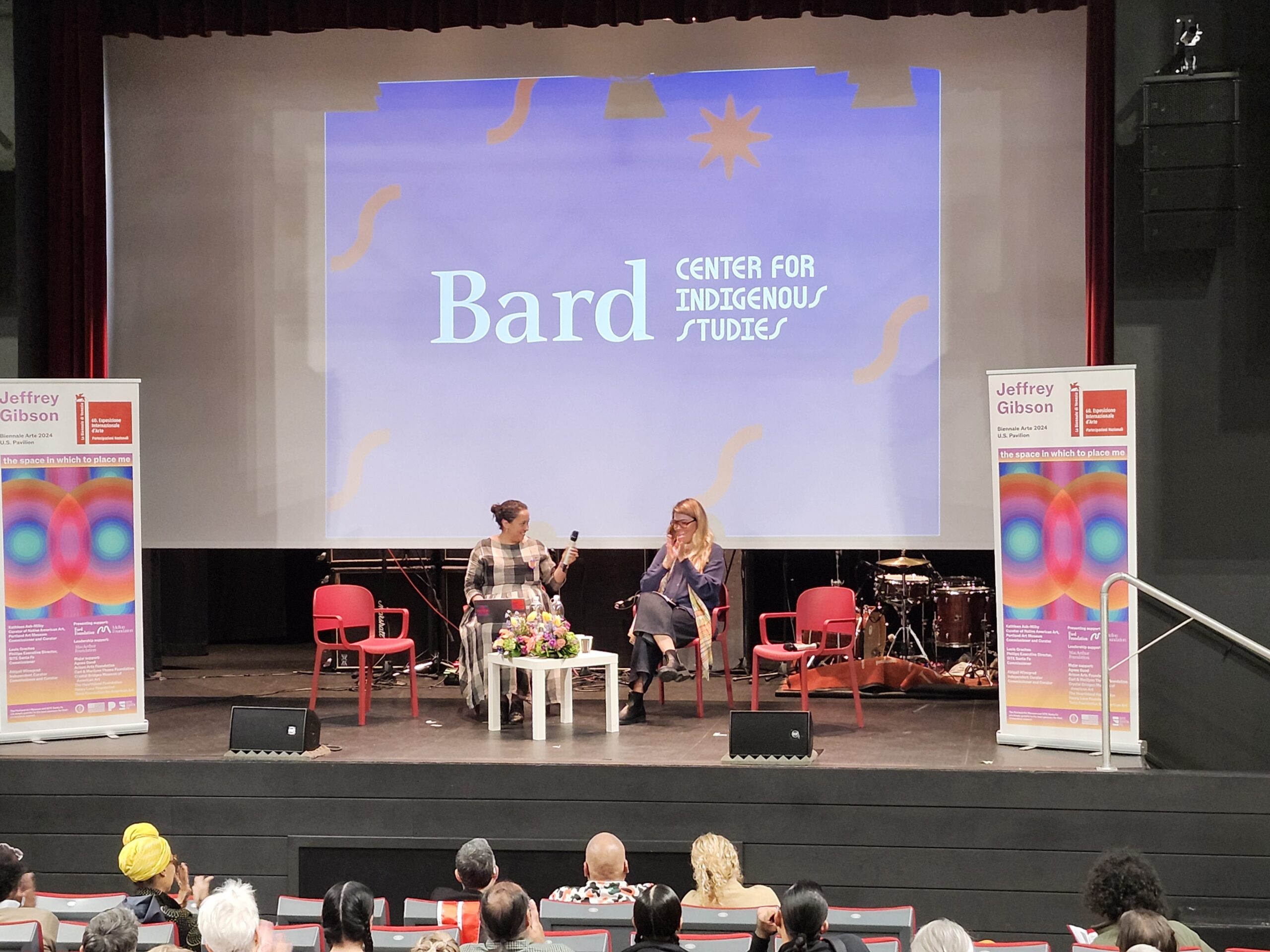
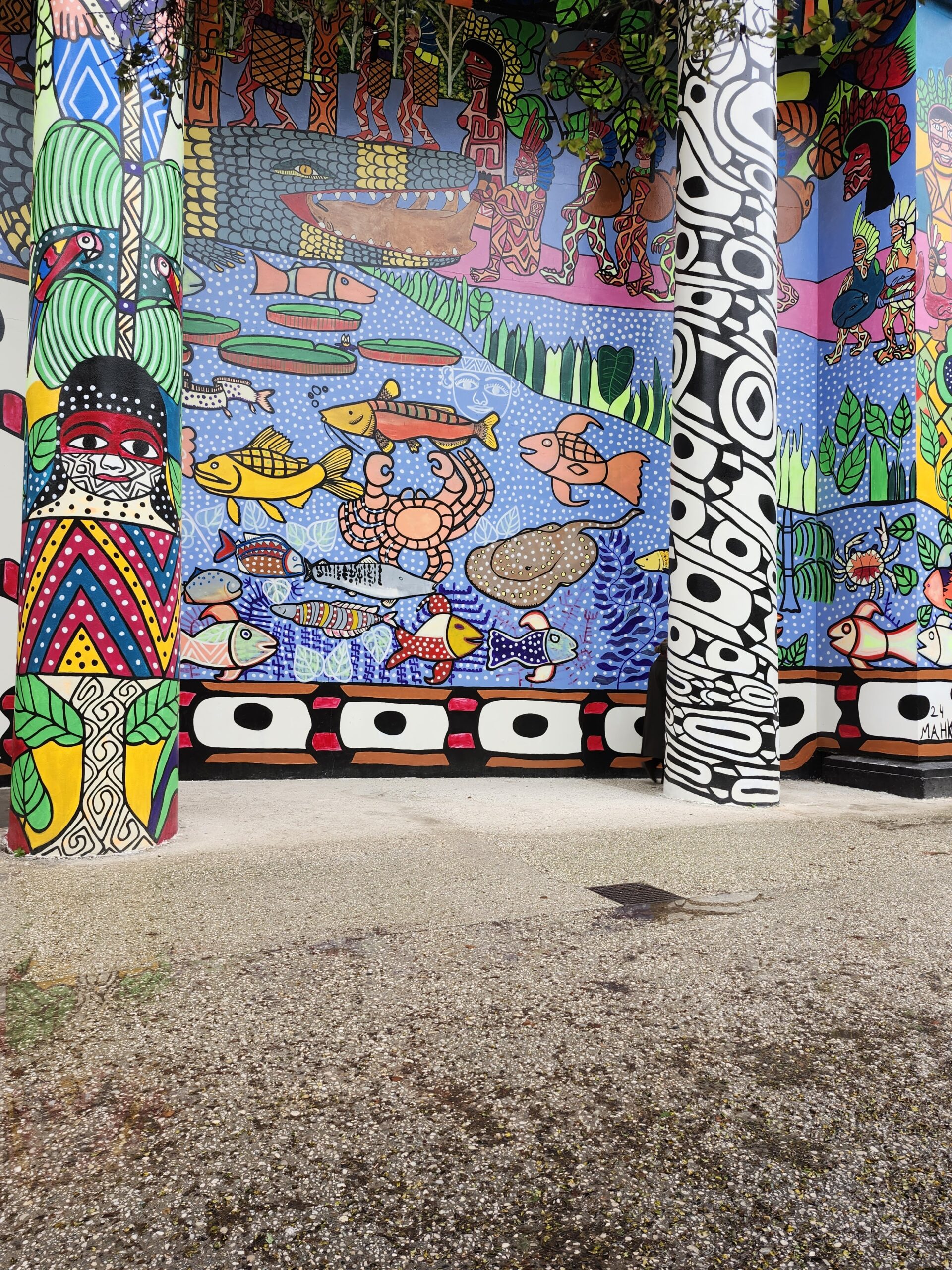
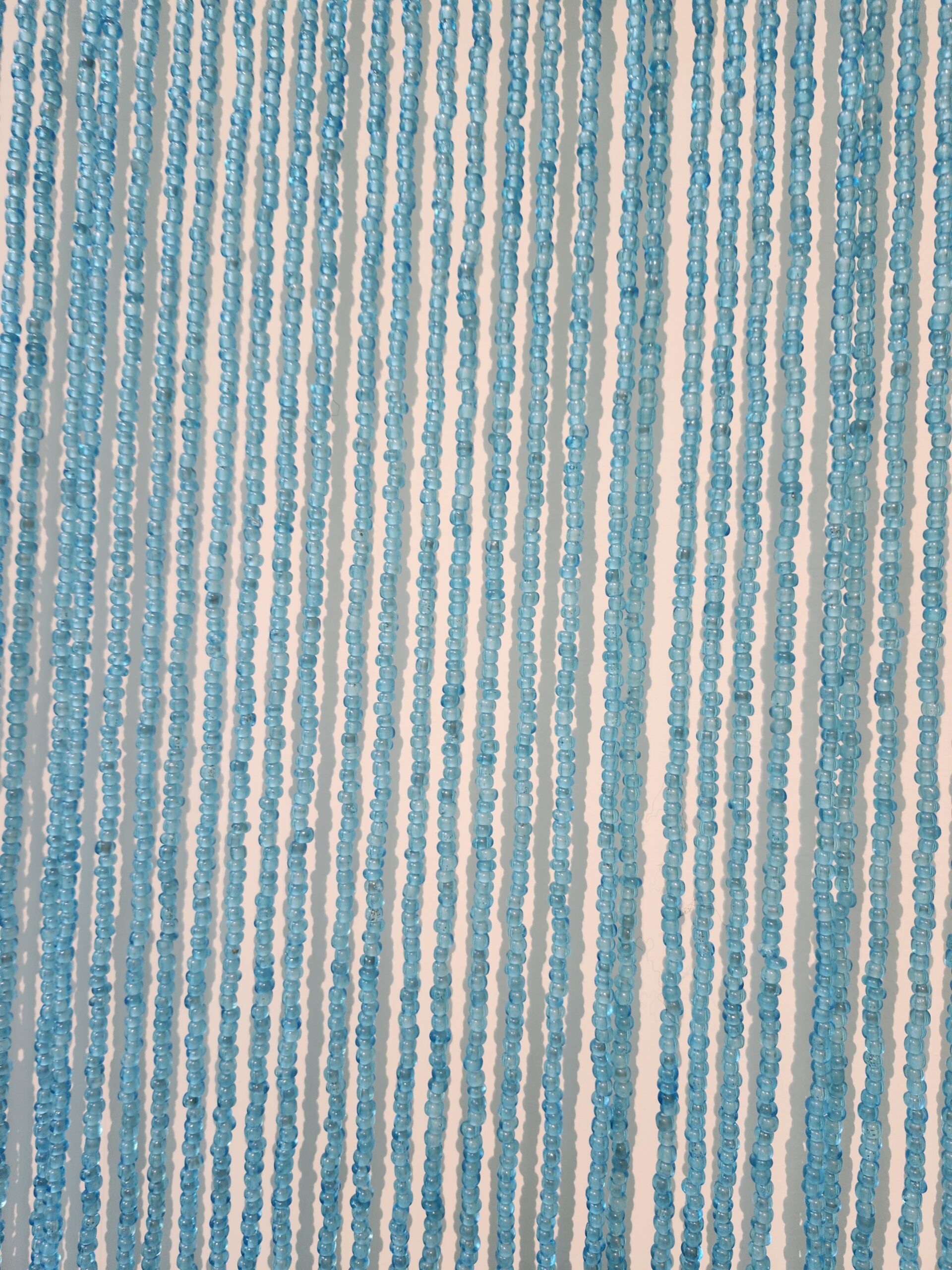
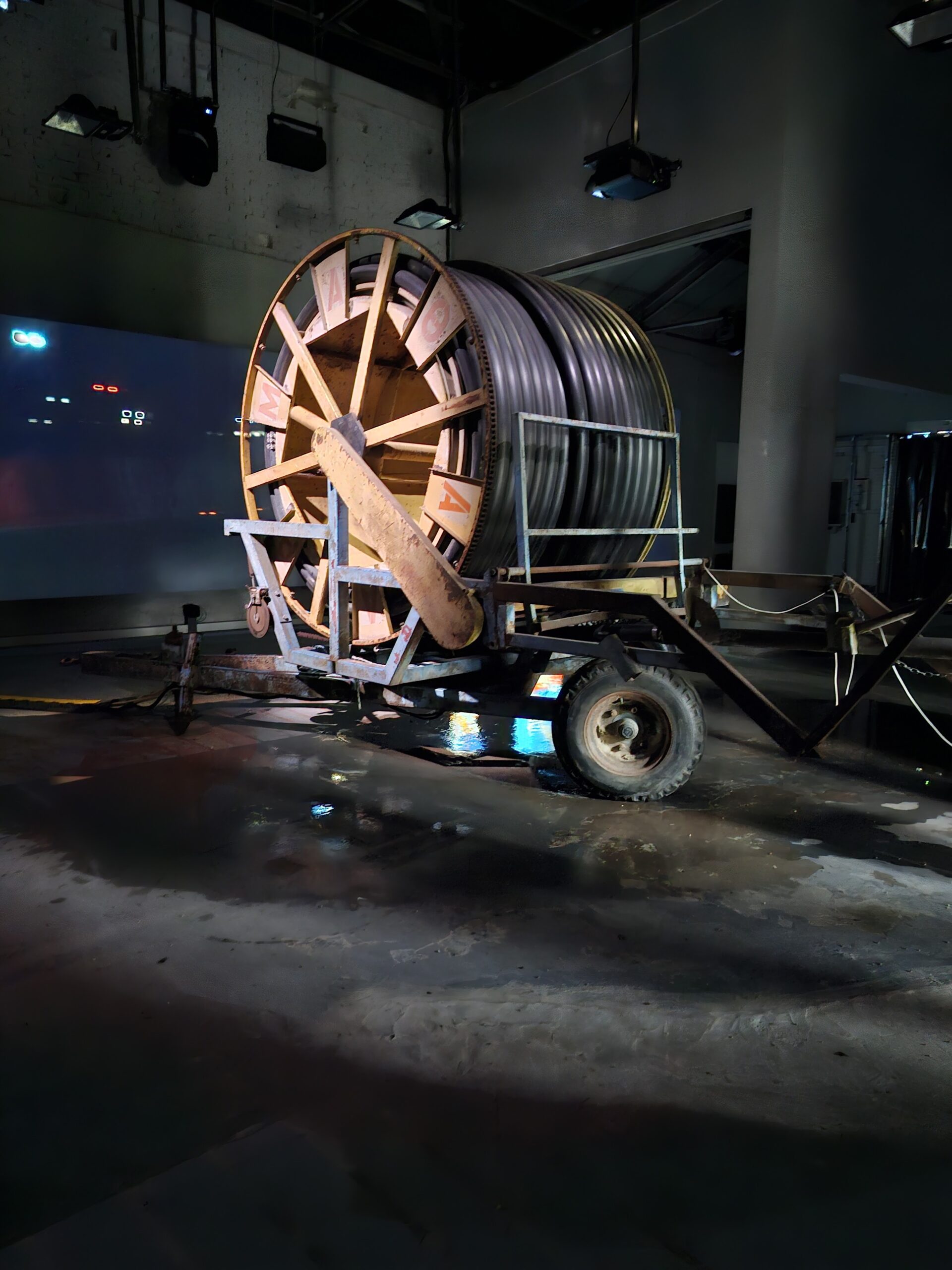
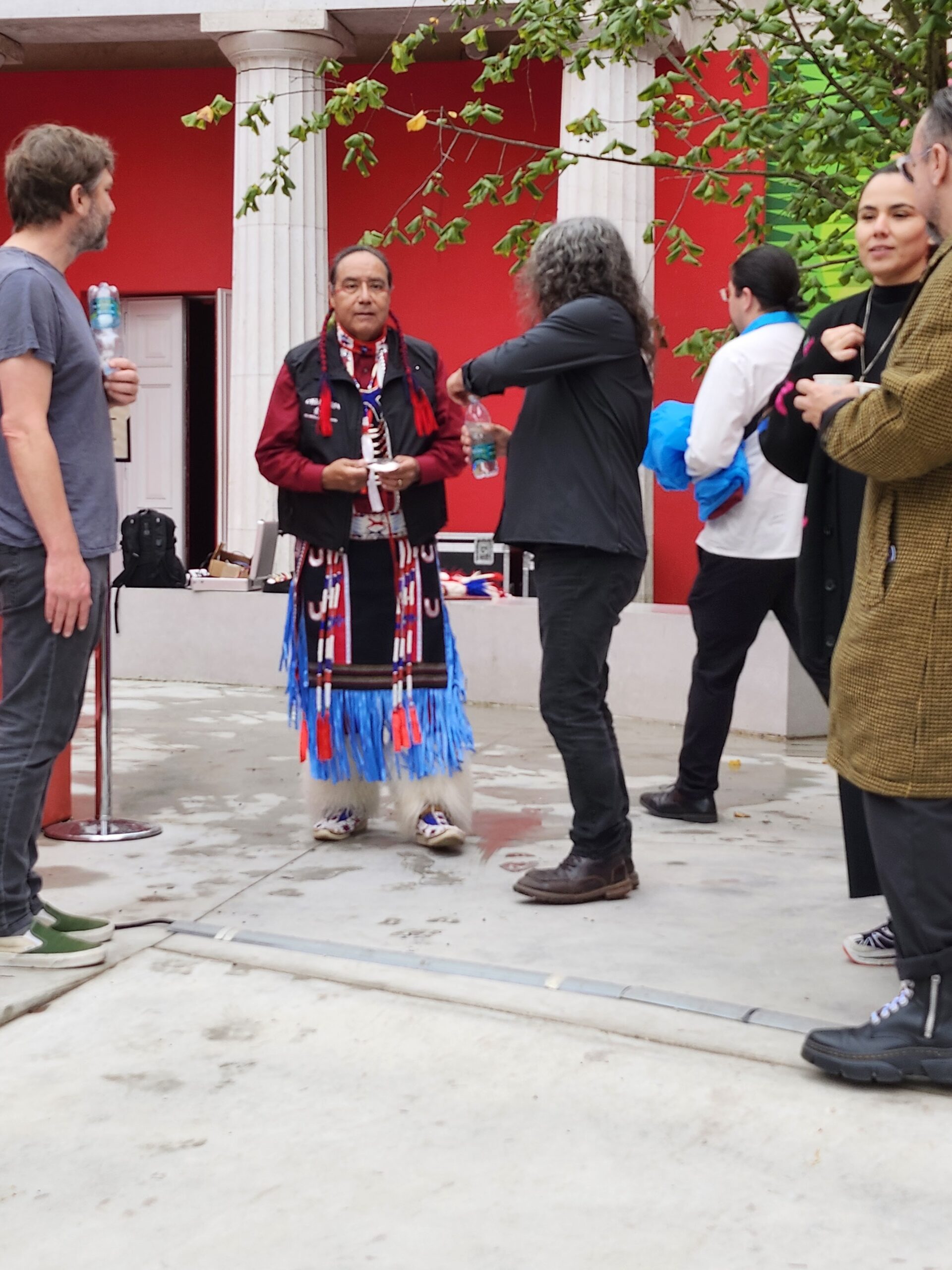
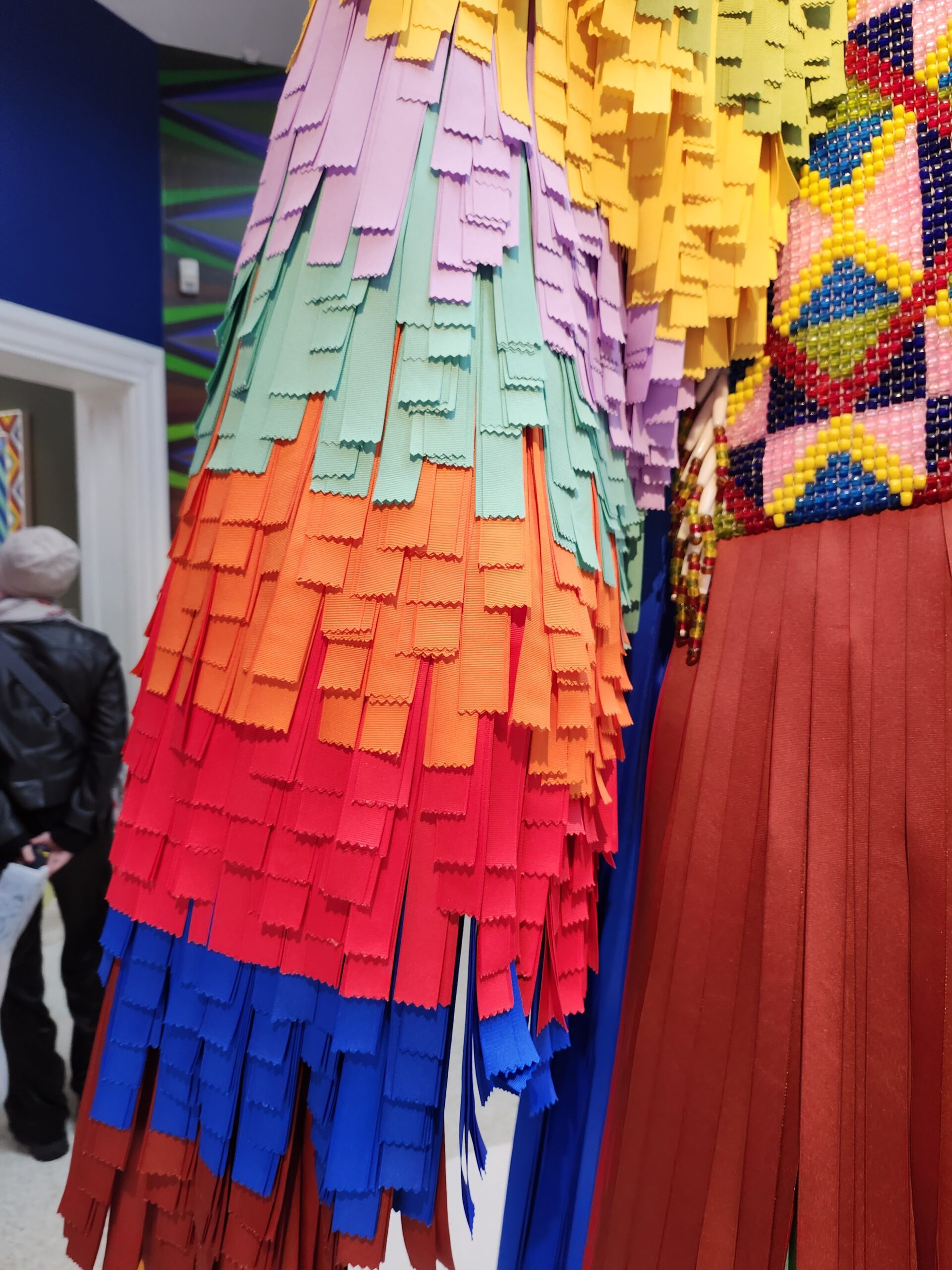
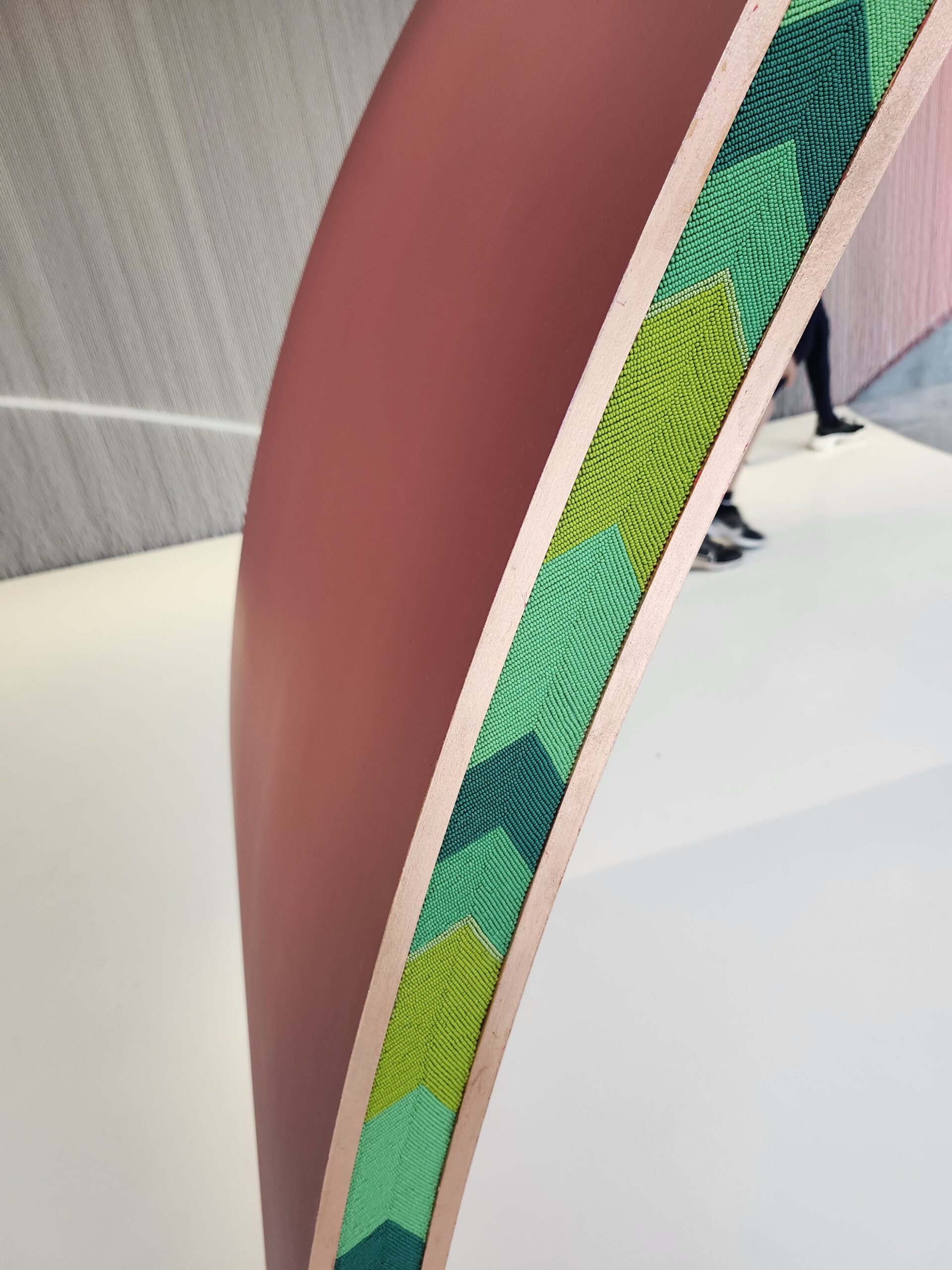
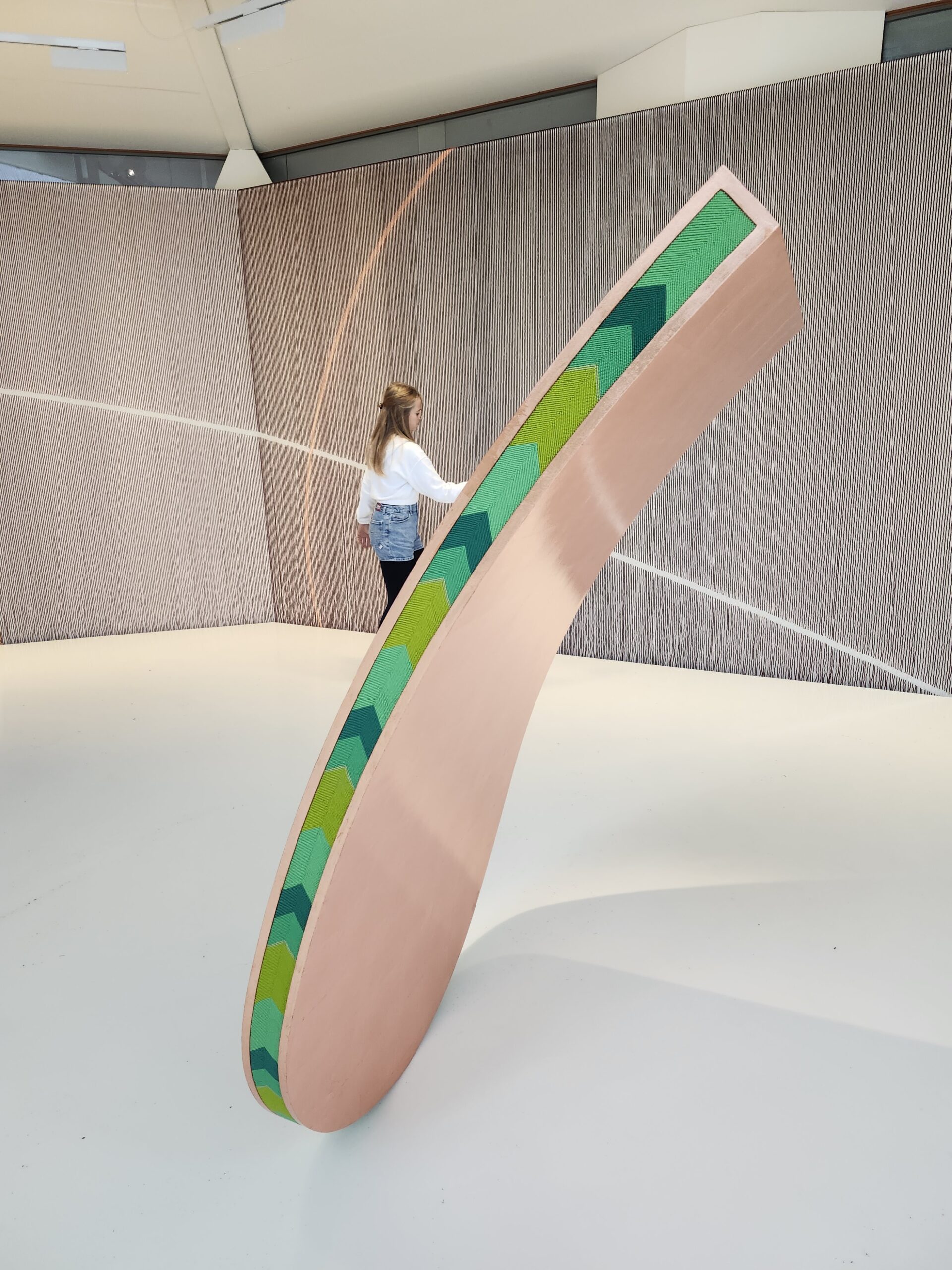
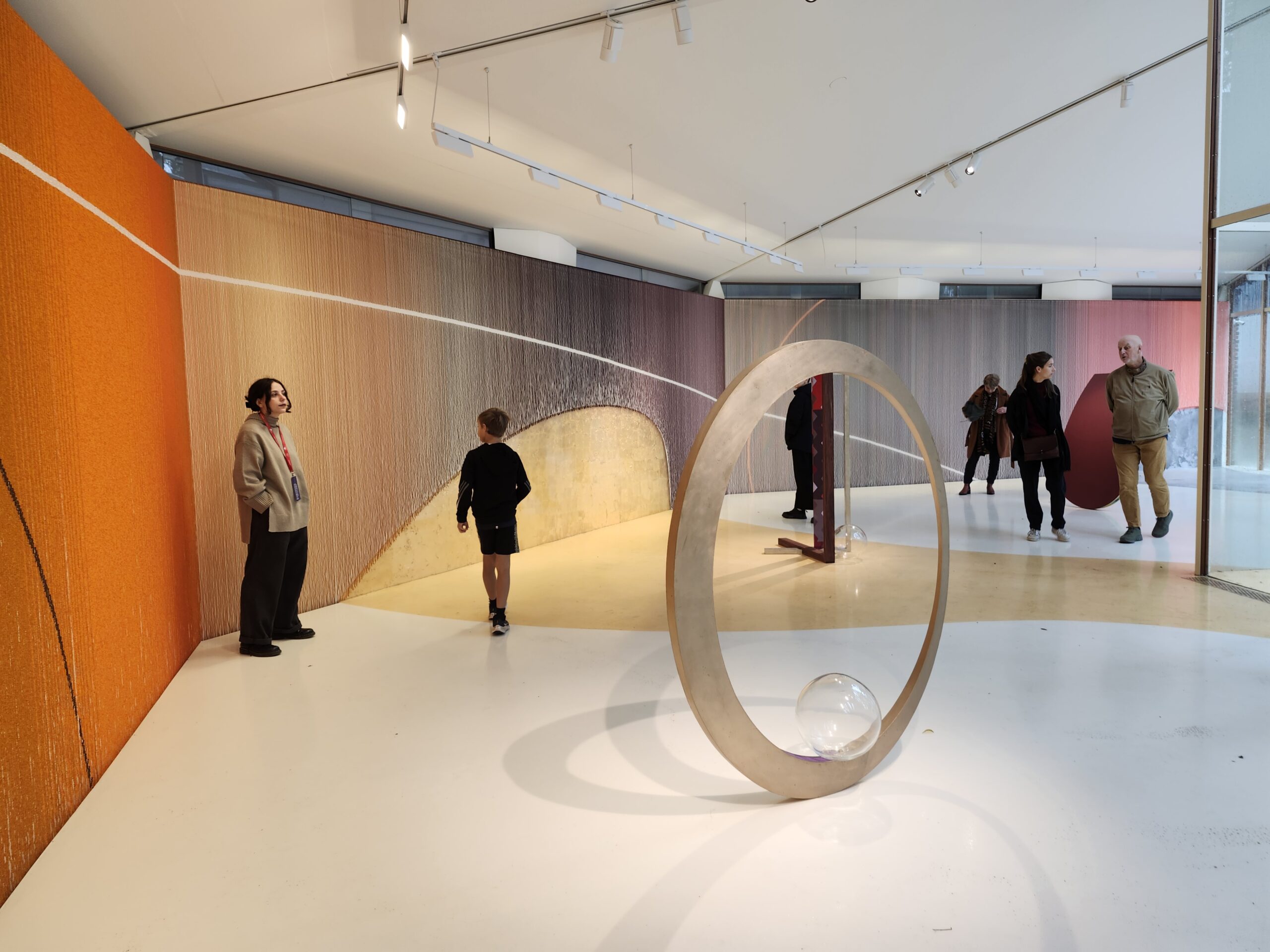
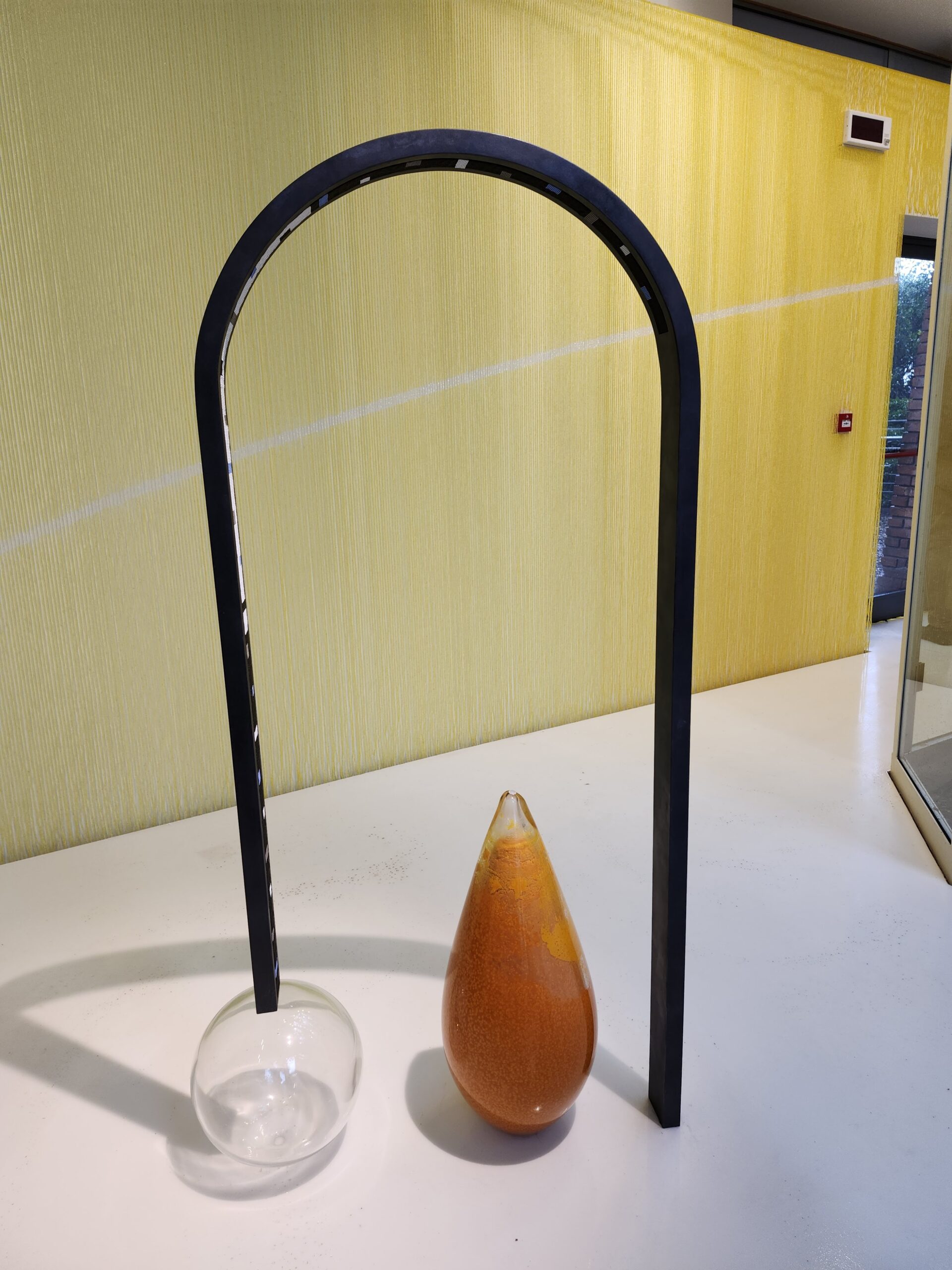
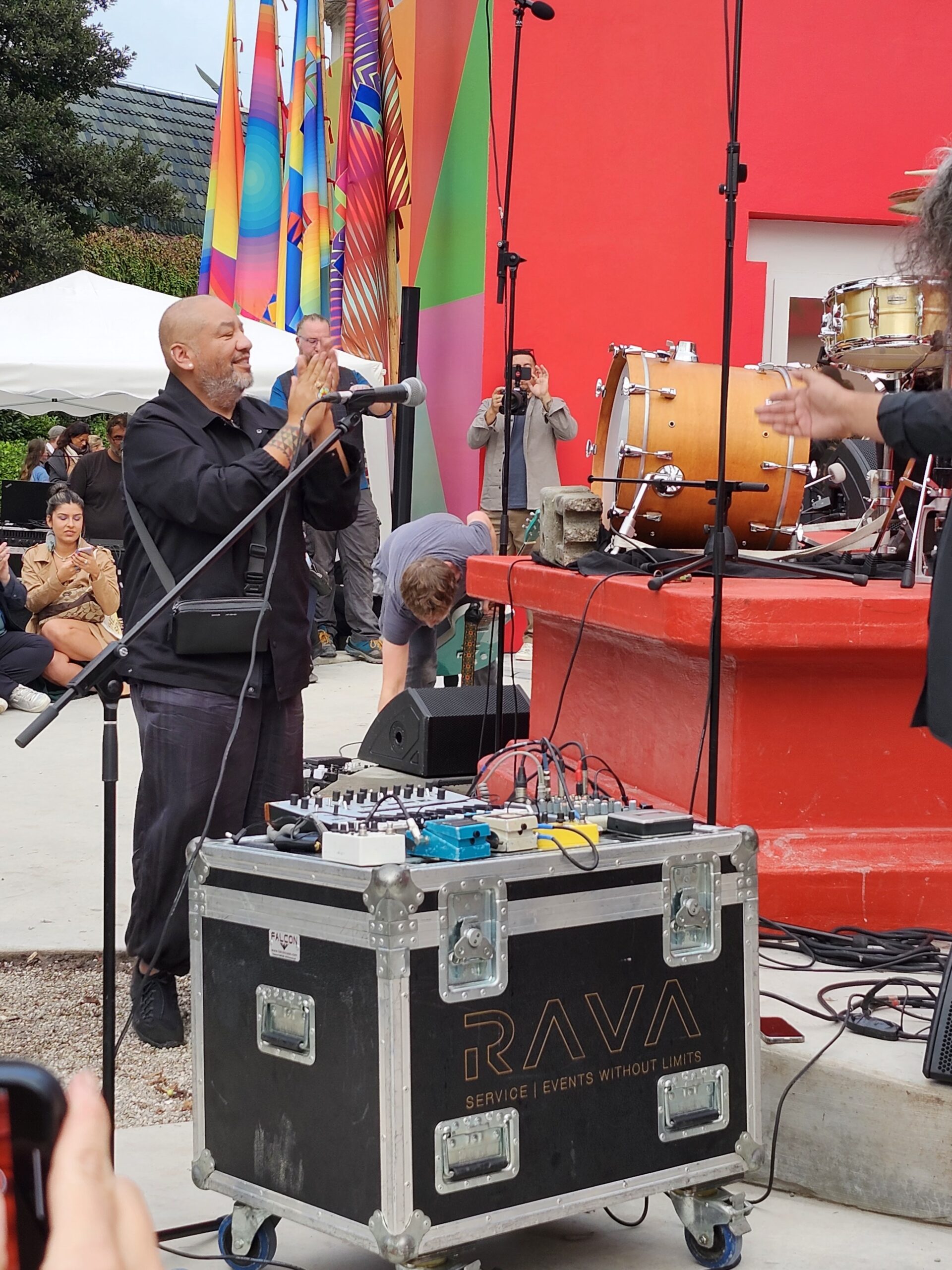
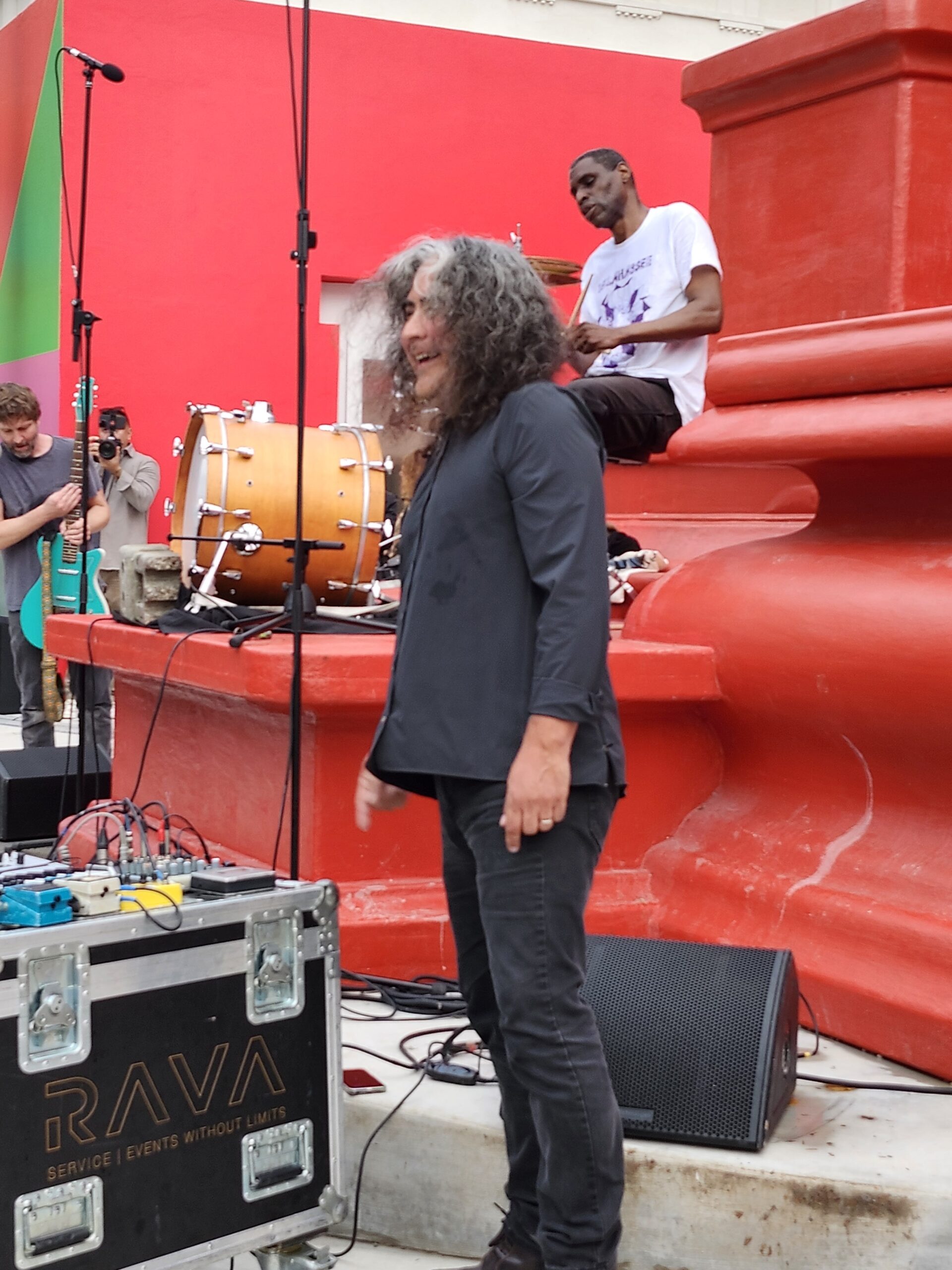
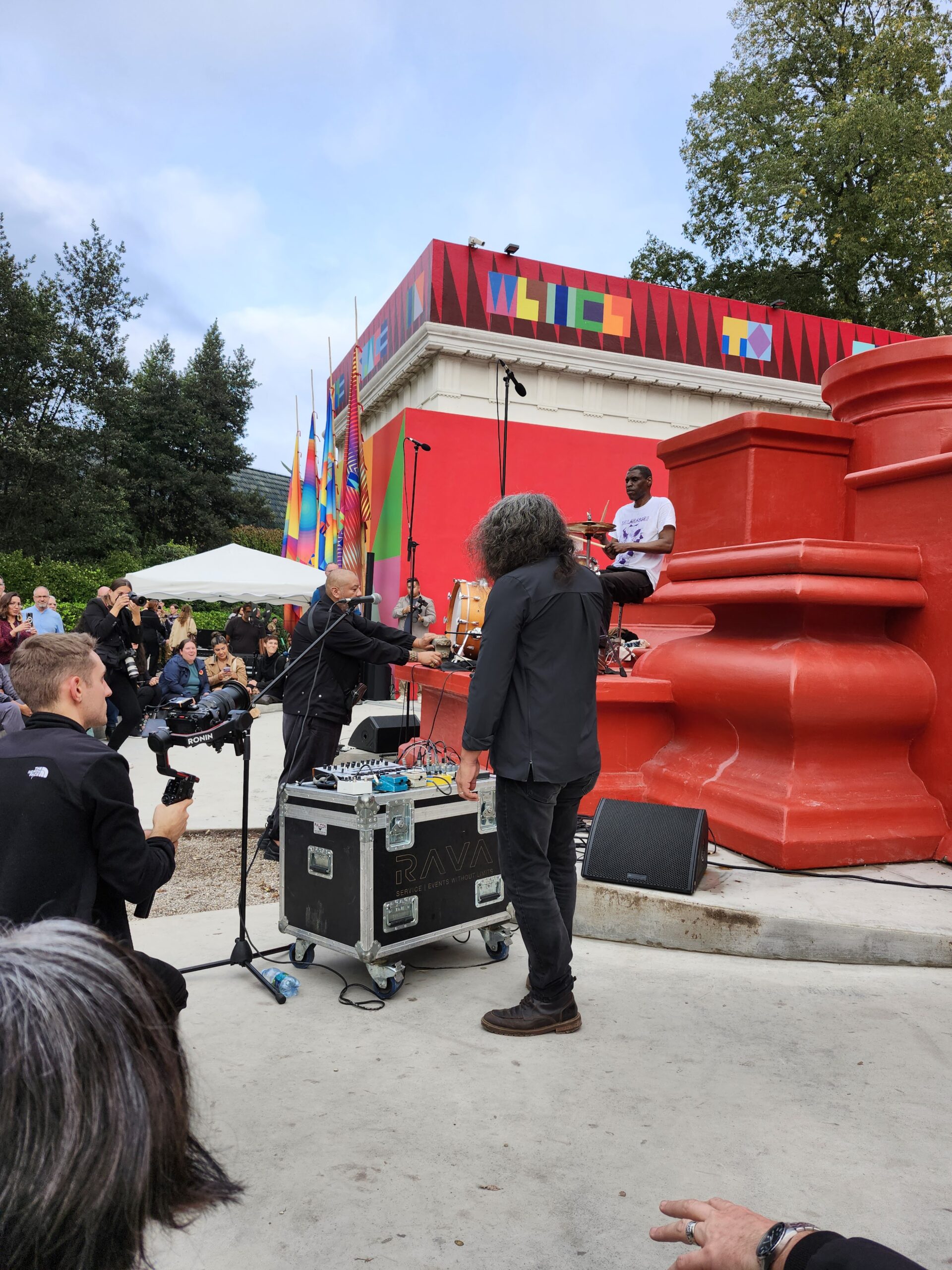
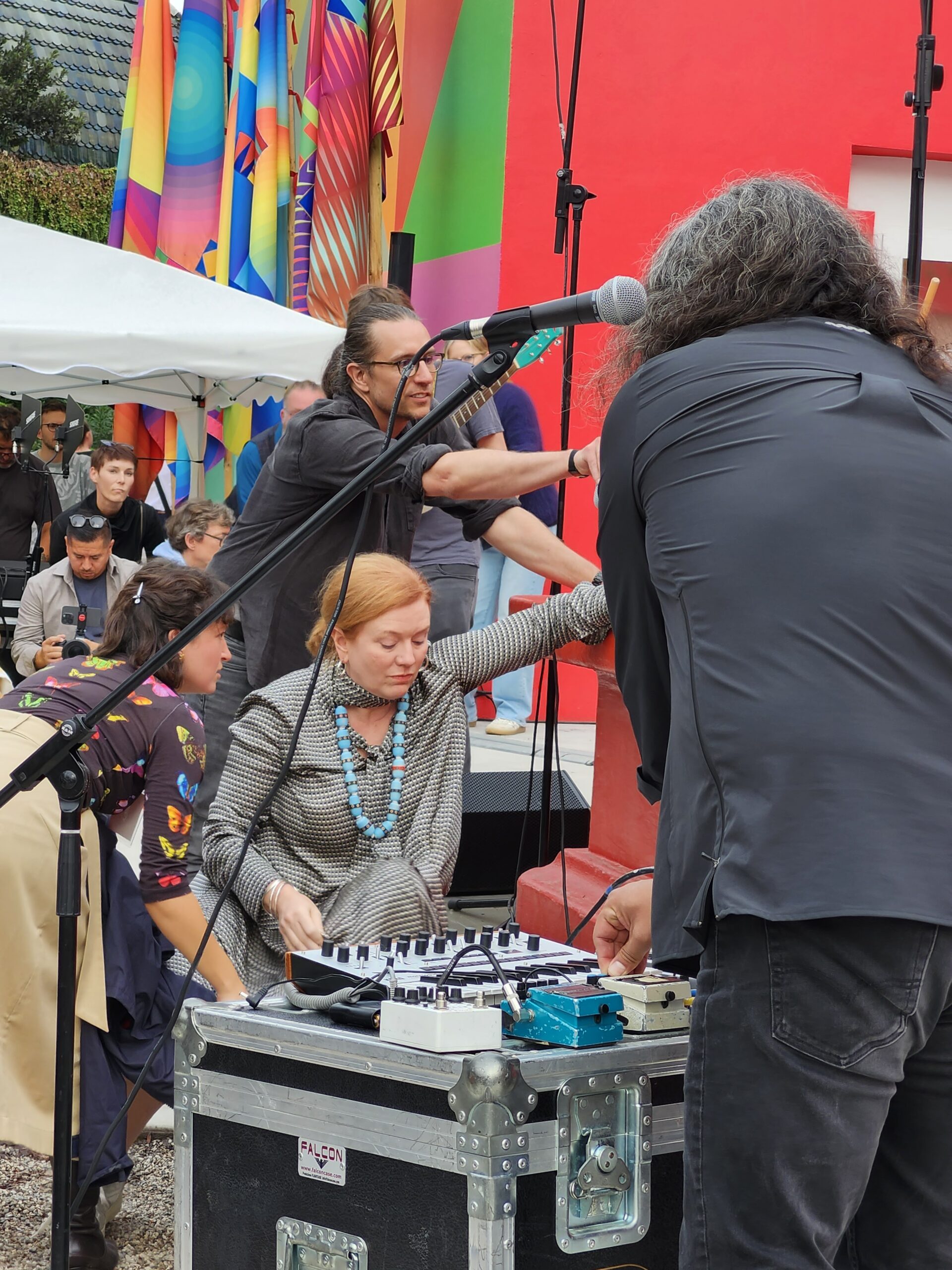
“I’m grateful for the chance to attend the Venice Biennale and Bard symposium as part of the October 2024 ICCA delegation. Walking away from the experience, I can see its impact on my growth as a writer, curator, and art historian.
Each day of the visit was filled with brilliant Indigenous art, performance, and discussion. It was fascinating to see how connections between the Biennale and the symposium conversations played out in my exhibition experiences — both within Jeffrey Gibson’s historic pavilion and beyond. I continue to reflect on the varied and moving approaches to Indigenous art/curation I saw during the trip.
I also enjoyed connecting with the cohort members and ICCA staff members. Over long walks, exhibition visits, and shared meals, we discussed our practices, reflections on the Biennale, and our hopes for future projects. I look forward to staying in touch with everyone!
Miigwech to the ICCA, the Canada Council for the Arts, and my fellow cohort members for an unforgettable and enriching experience.”
– Lois Taylor Biggs
“I would like to express my heartfelt gratitude to the Canada Council for the Arts and the Indigenous Curatorial Collective for the opportunity to participate in the curators’ delegation and witness the exceptional symposia and performance program organized by Bard University. This experience was both enlightening and engaging, allowing us to immerse ourselves in the Venice Biennale at a pivotal moment when colonial critique resonated throughout many national pavilions.
I would also like to take a moment to honor the legacy of past board member Kathleen Ash Milby, whose curatorial contributions to Jeffery Gibons’ installation and performance program for the American Pavilion were particularly meaningful.Finally, I am grateful for the chance to reconnect with old colleagues and forge new relationships within the international field.Teniki / Maarsii /Thank you for making this valuable experience possible.”– Jason Baerg
Meet the Hawai’i Delegates
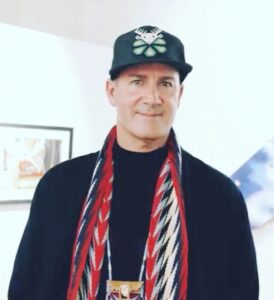 Jason Baerg is a registered member of the Métis Nation of Ontario, originally from The Red River but raised in Prince Albert, Saskatchewan. He is an Indigenous activist, curator, educator, and interdisciplinary artist. Baerg holds a Bachelor of Fine Arts from Concordia University and a Master of Fine Arts from Rutgers University. He is The Assistant Professor in Indigenous Practices in Contemporary Painting and Media Art at OCAD University. Baerg co-founded The Shushkitew Collective and The Métis Artist Collective, demonstrating a strong commitment to the community. He has also volunteered as chair for organizations such as the Indigenous Curatorial Collective and the National Indigenous Media Arts Coalition. Baerg currently serves on the board of the Power Plant Gallery in Toronto. Notable curatorial / programming contributions include the Metis Arts Program for the Vancouver Olympics in 2010 and the 2024 Harbour Collective’s Augmented Reality Collaboration with the Vienna Chamber Orchestra, which includes six Indigenous creators in the media arts.
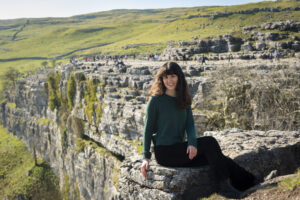 Lois Taylor Biggs (Cherokee Nation/White Earth Ojibwe) is a Chicago-based writer, curator, and art historian. Lois is interested in developing frameworks for Indigenous art history, particularly Indigenous modernism, and writes on questions of abstraction, temporality, fragmentation, and repair in Indigenous art. She is the Rice Curatorial Fellow in Native American Art in the Art Institute of Chicago’s Arts of the Americas department, and was previously the Assistant Curator and Terra Foundation Curatorial Research Fellow at the Block Museum of Art. She holds an Fulbright-funded MA in Social History of Art from the University of Leeds, where she wrote a dissertation on Robert Houle’s 2010 installation Paris/Ojibwa as a model for Anishinaabe art history. Lois has published critical art writing in C Magazine, Momus, and Forge Project’s online journal Forging. She recently opened Gagizhibaajiwan (2024), an exhibition on paradox in Anishinaabe art as expressed through images of Misshepezhieu (the Underwater Panther) and Animikii (the Thunderbird), as Center for Native Futures’ curator-in-residence.
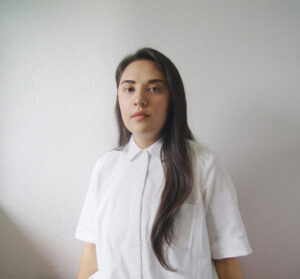
Maya Wilson-Sanchez is an independent curator, writer, and editor based in Toronto. She is interested in processes of history-making and building connections between local and international communities to foster networks of exchange and solidarity. Her essays, reviews, and exhibition texts can be found in various publications including The Senses and Society Journal, Canadian Art, Contemporary HUM, and the book Other Places: Reflections on Media Arts in Canada (PUBLIC Books, 2019).
Wilson-Sanchez holds degrees in art history from the University of Toronto (MA) and OCAD University (BA) and has worked in collections, research, programming, and curatorial research roles at Gallery TPW, the Royal Ontario Museum, Onsite Gallery, OCAD University, MKG127, and the Art Gallery of Ontario. She curated Intra-Action: Live Performance Art (2016, 2017) at Xpace Cultural Centre, Living Room (2017) at the Royal Ontario Museum, DIY Love: Queer Knowledge & History Then, Now, and Forever (2017) at Pride Toronto, and Grounding (2020) at the Art Gallery of Guelph. In 2019, she was an Editorial Resident at Canadian Art and a Curatorial Resident at the Art Museum at the University of Toronto, where she contributed to exhibitions highlighting the work of Deanna Bowen and the Isuma film collective. She has shared her research through talks, public tours, and guest lectures held in multiple venues across Canada, the United States, and Mexico. The 2020 recipient of the Middlebrook Prize for Young Canadian Curators, Wilson-Sanchez will be a 2021 participant at the Tate Intensive in London, UK. She is currently teaching at OCAD University curating a year-long public arts program and exhibition for the City of Toronto’s Year of Public Art.
 Liz Barron has been self-employed in the arts for the last 25 years. She is dedicated to building strategies and programs that target, motivate, and engage Indigenous artists and organizations working in all cultural milieu. Her skills in arts management includes experience working with CARFAC, the Ottawa Symphony Orchestra, and numerous Indigenous led arts and culture not-for-profits. Liz is one of the original founders of Urban Shaman Gallery in Winnipeg, and she has served as a mentor with the Manitoba Music Indigenous Mentorship program. She was the project manager for one of the largest Indigenous contemporary exhibitions in Canada, Close Encounters: The Next 500 Years, led by four Indigenous curators which featured over 30 Indigenous contemporary artists. In 2021, she started the Barron Bursary at Digital Arts Resource Centre in Ottawa, to support an Indigenous moving image maker to study film at the University of Ottawa.
Santa Fe – Indian Market (Aug. 15-19, 2024) Delegates
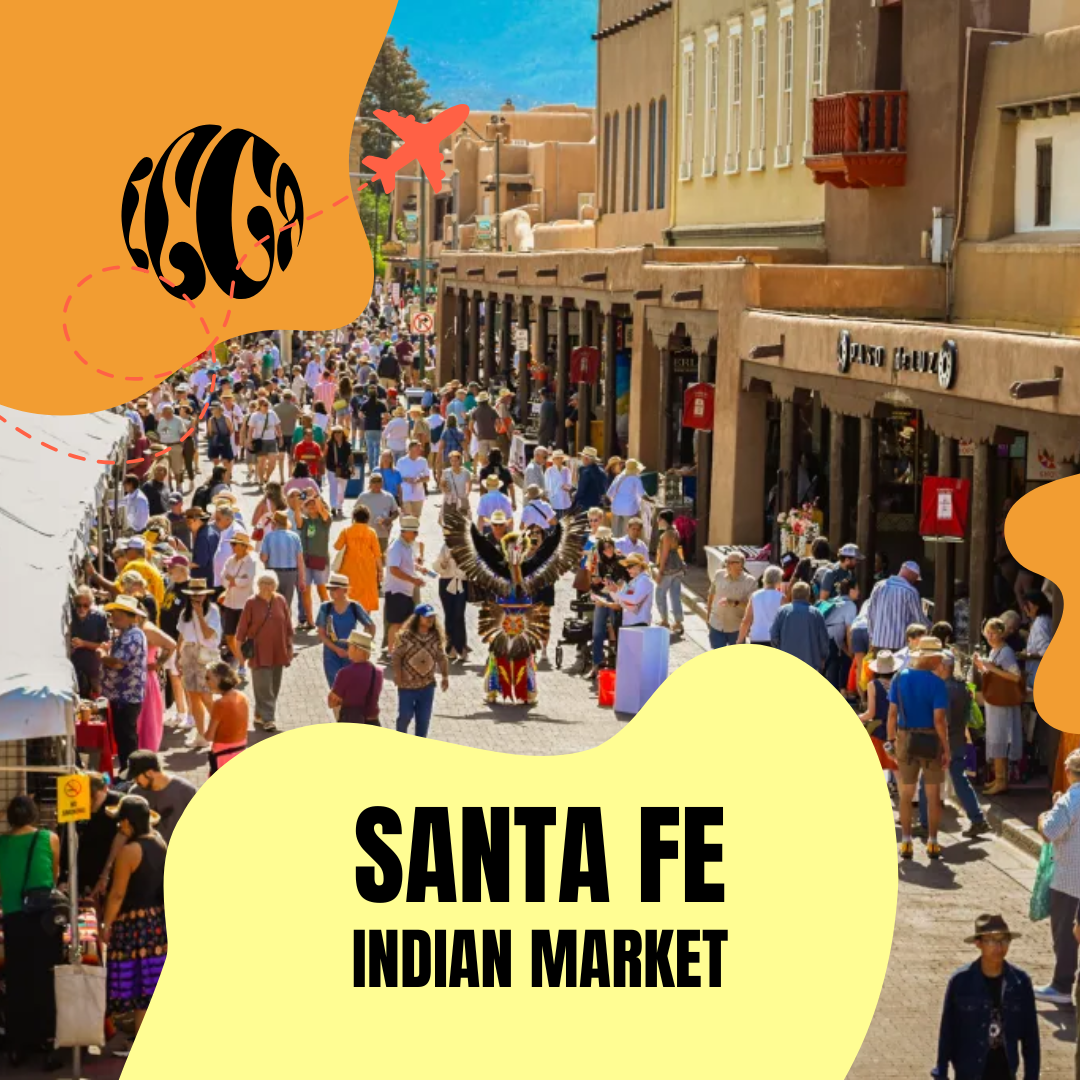
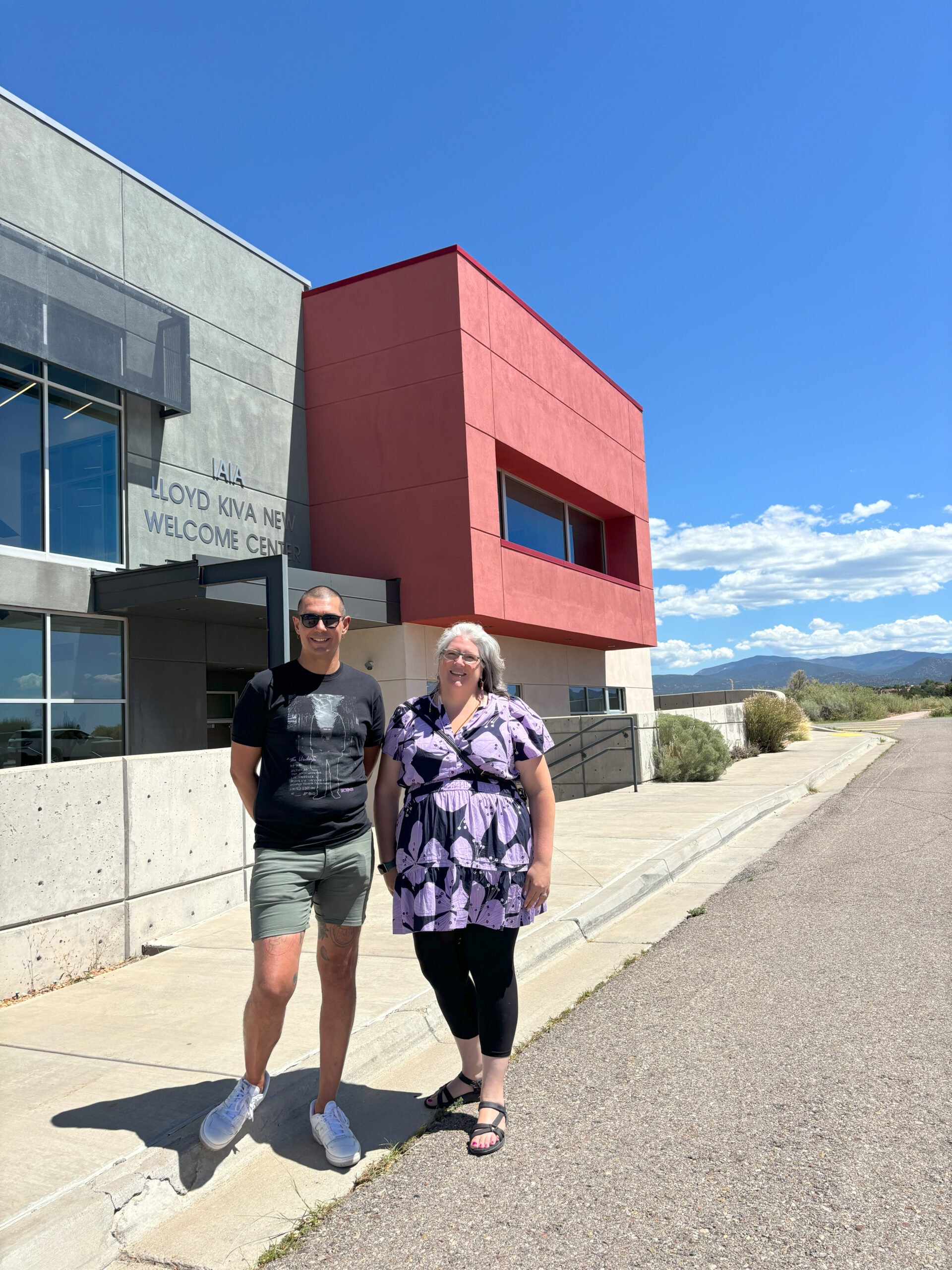
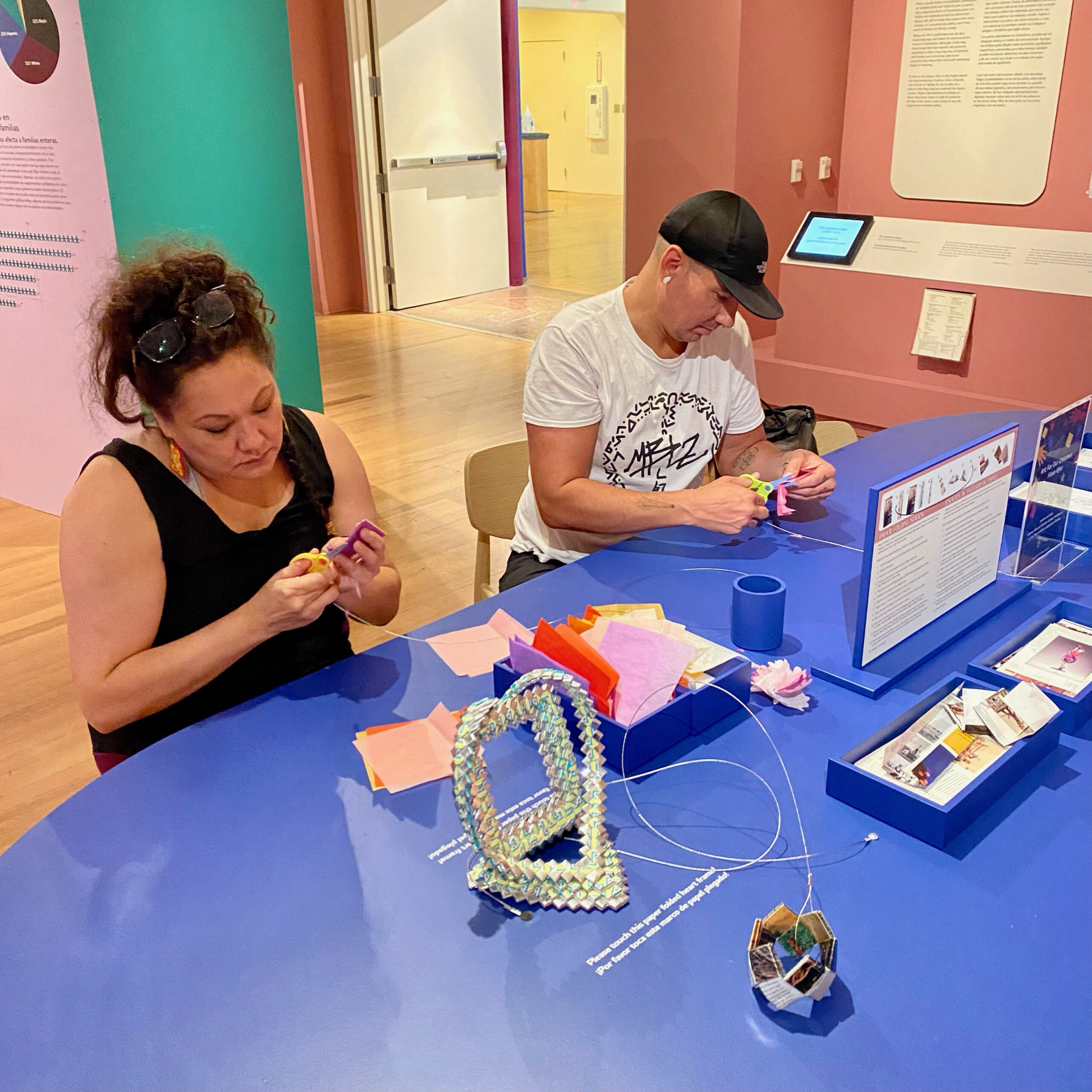
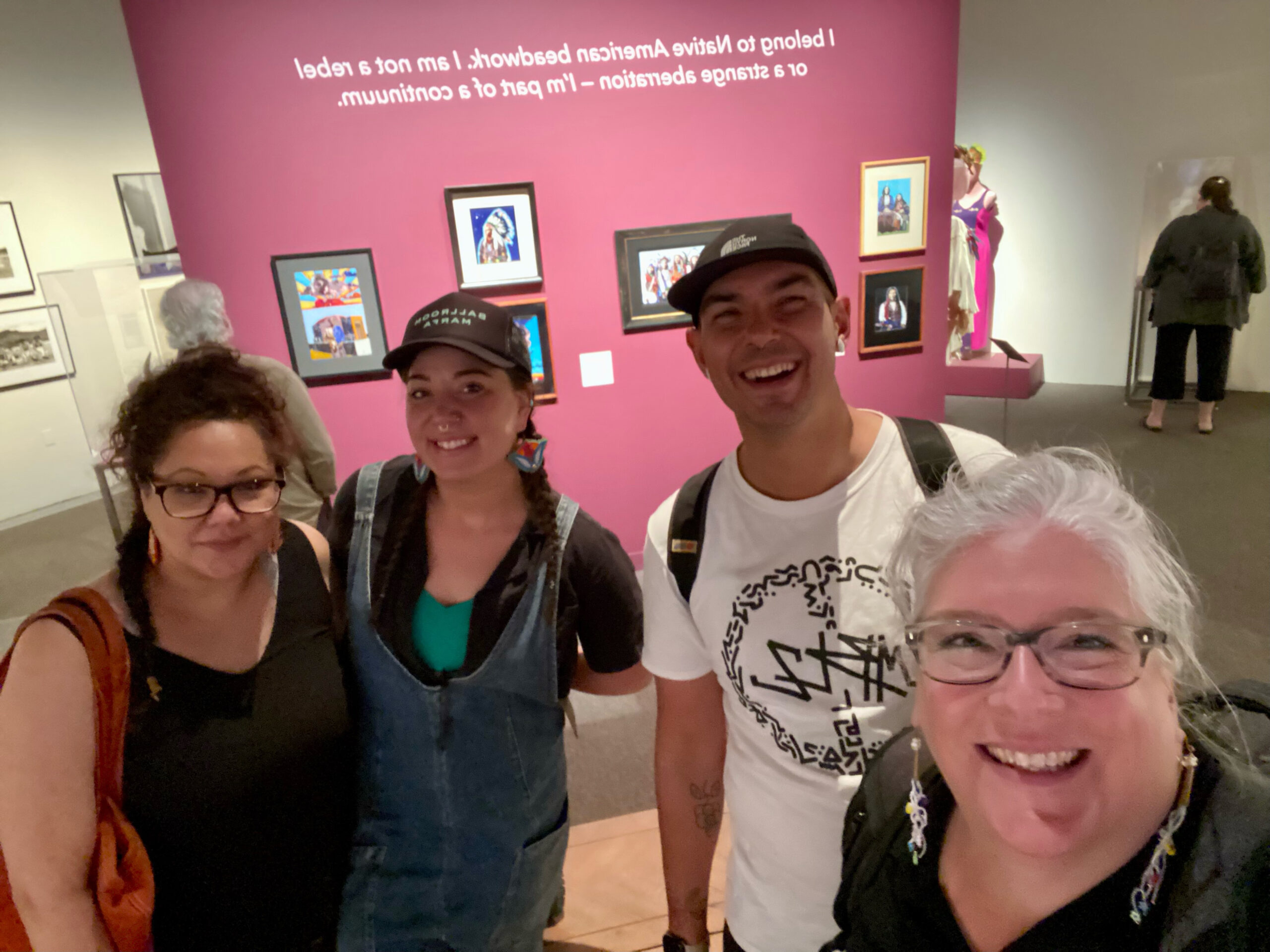
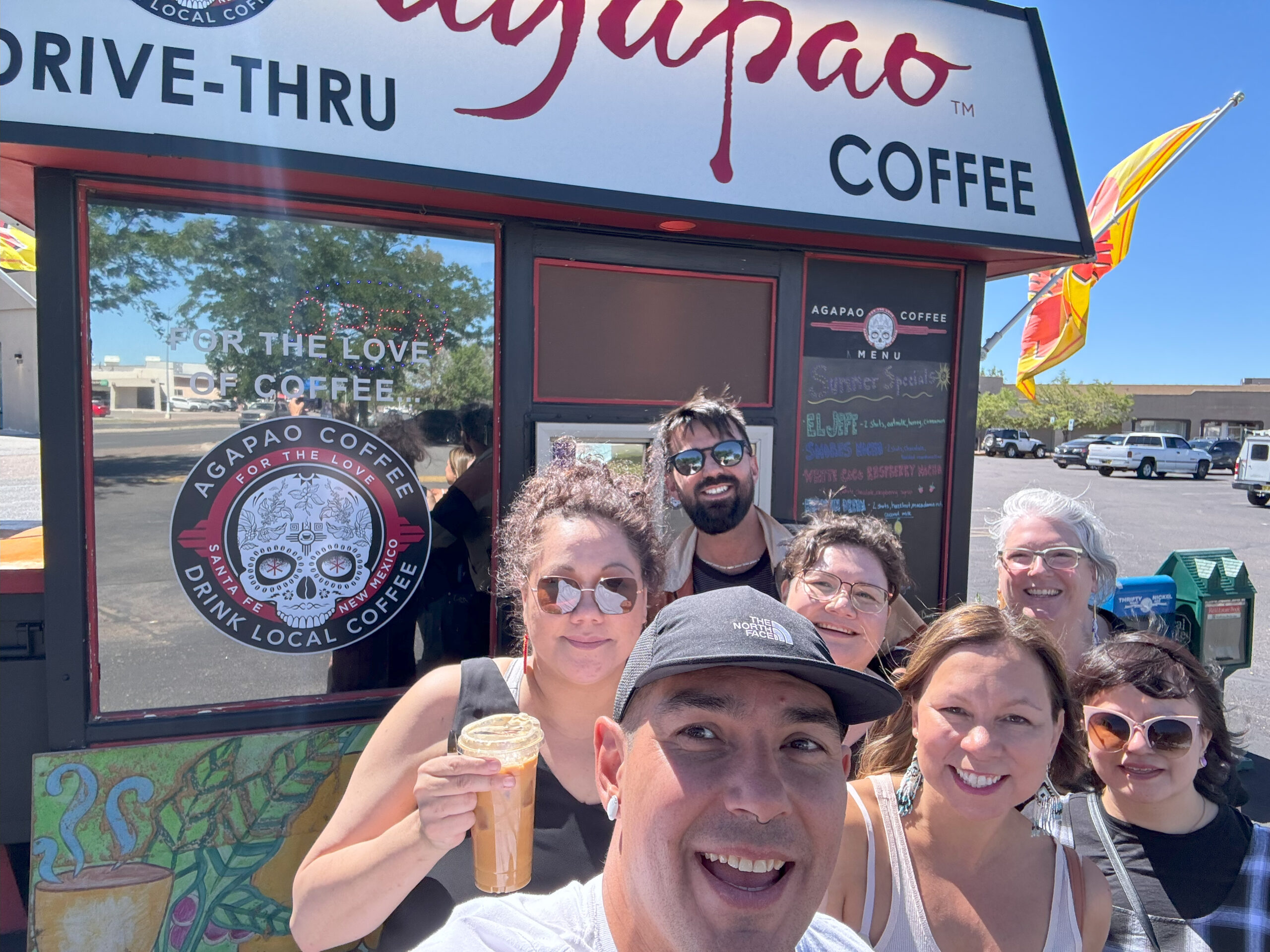
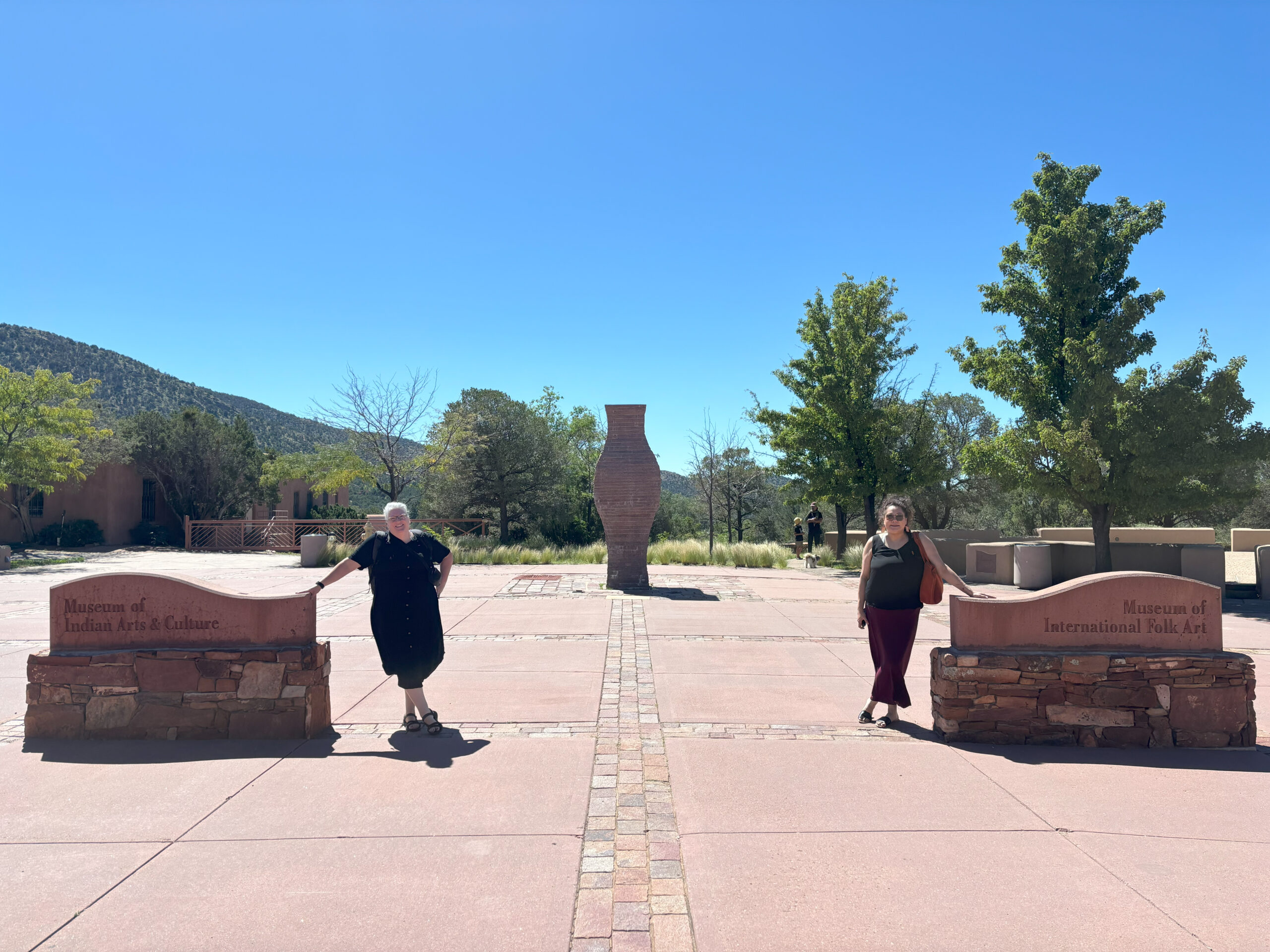
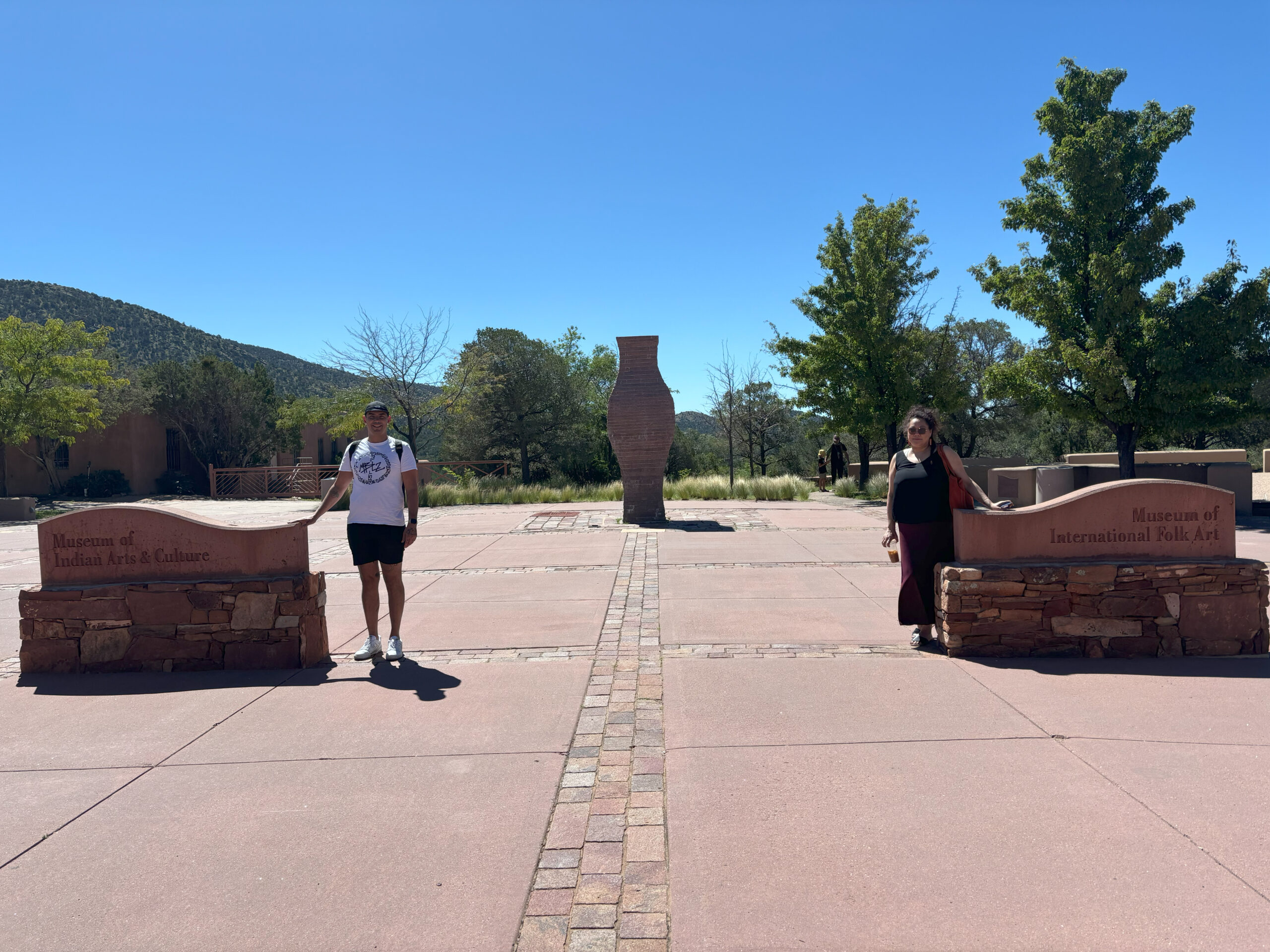
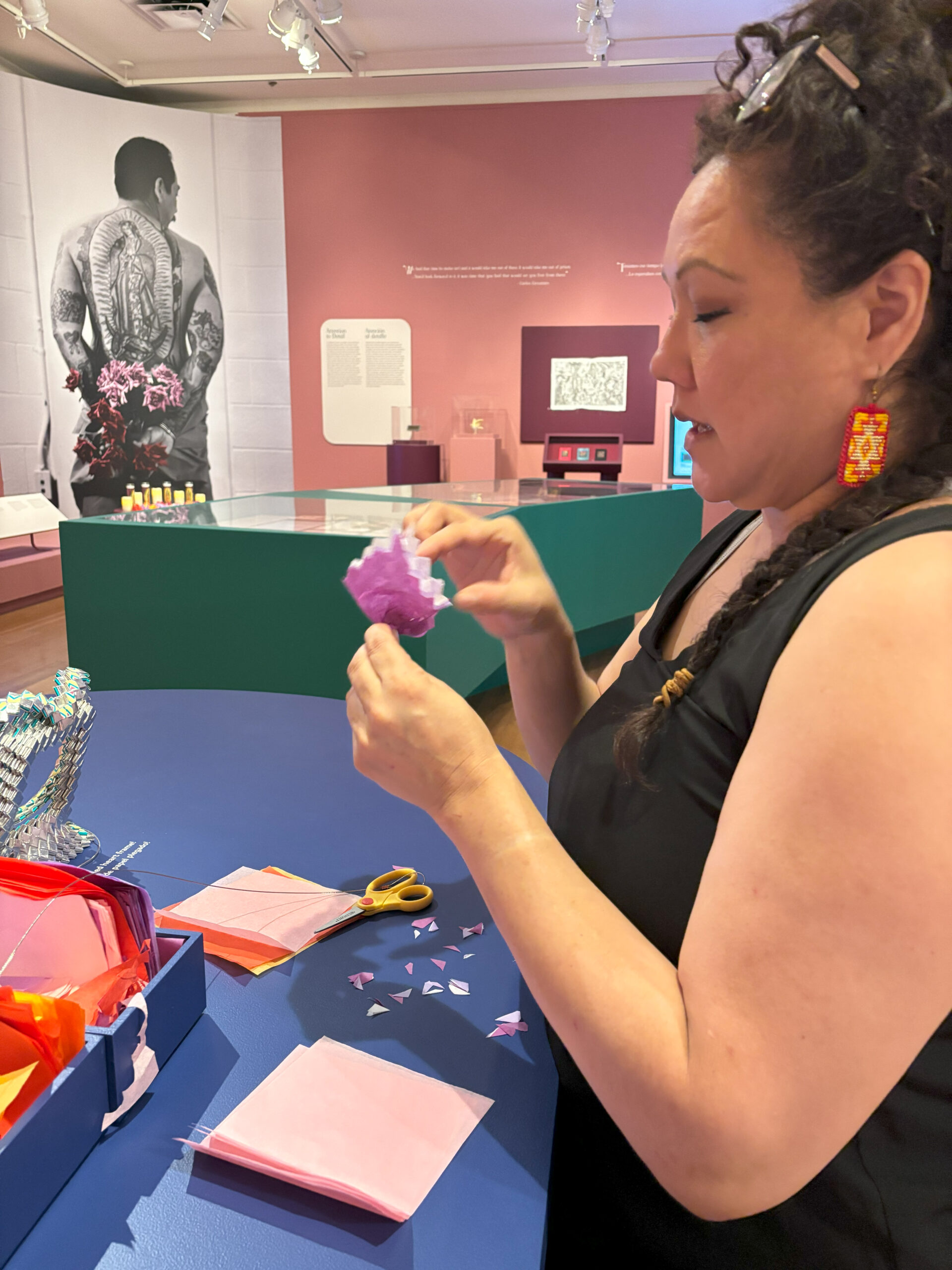
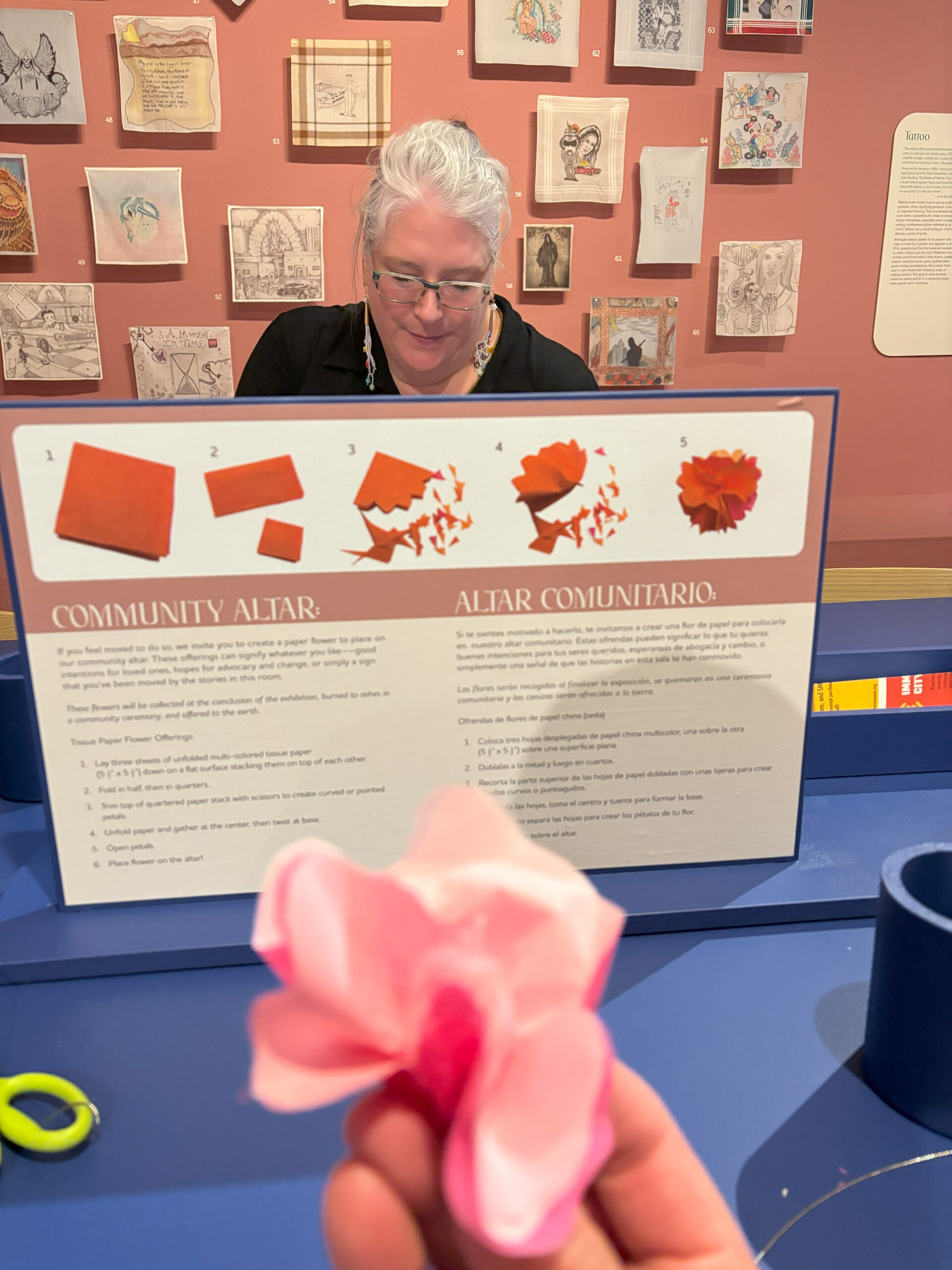
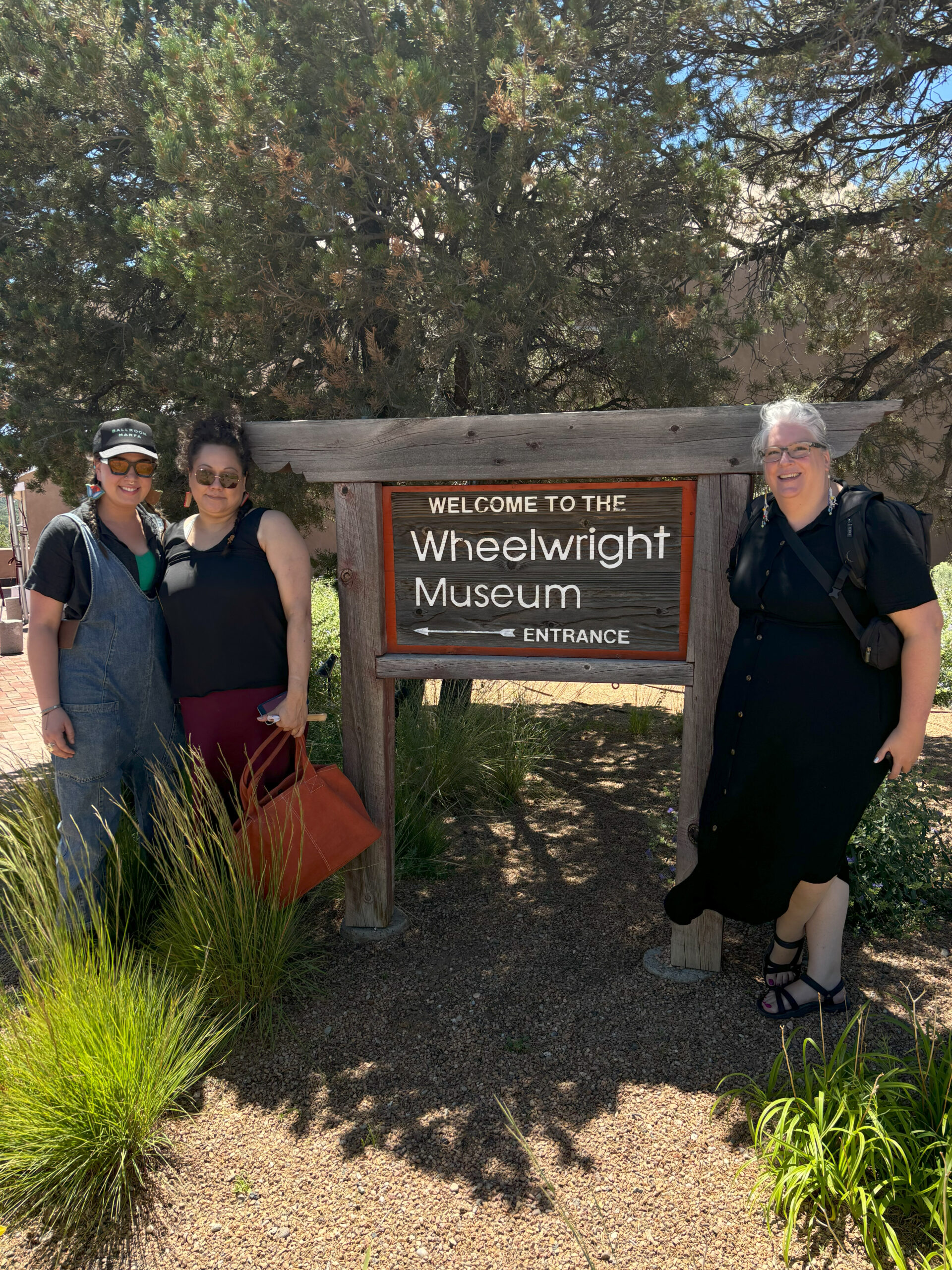
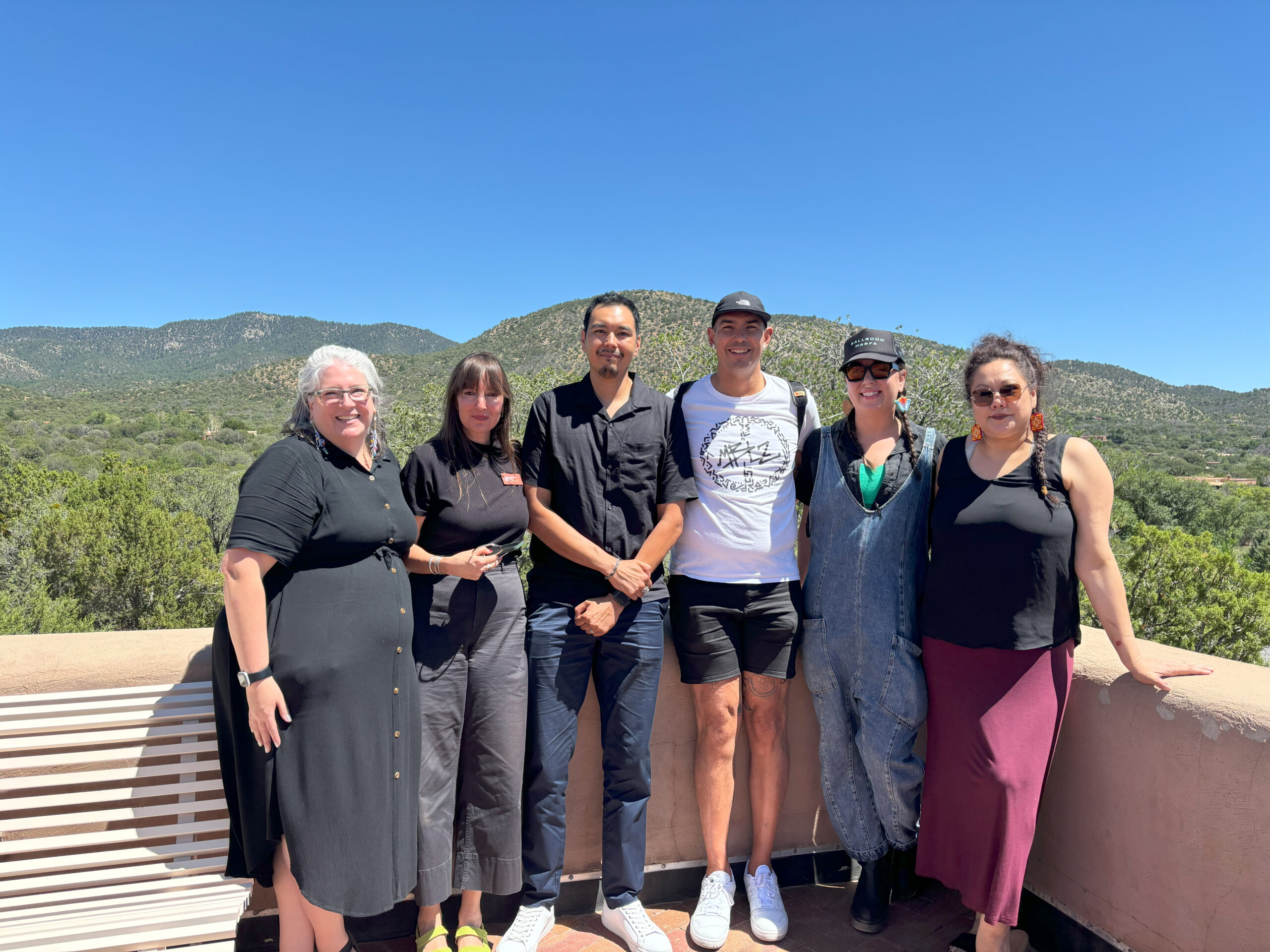
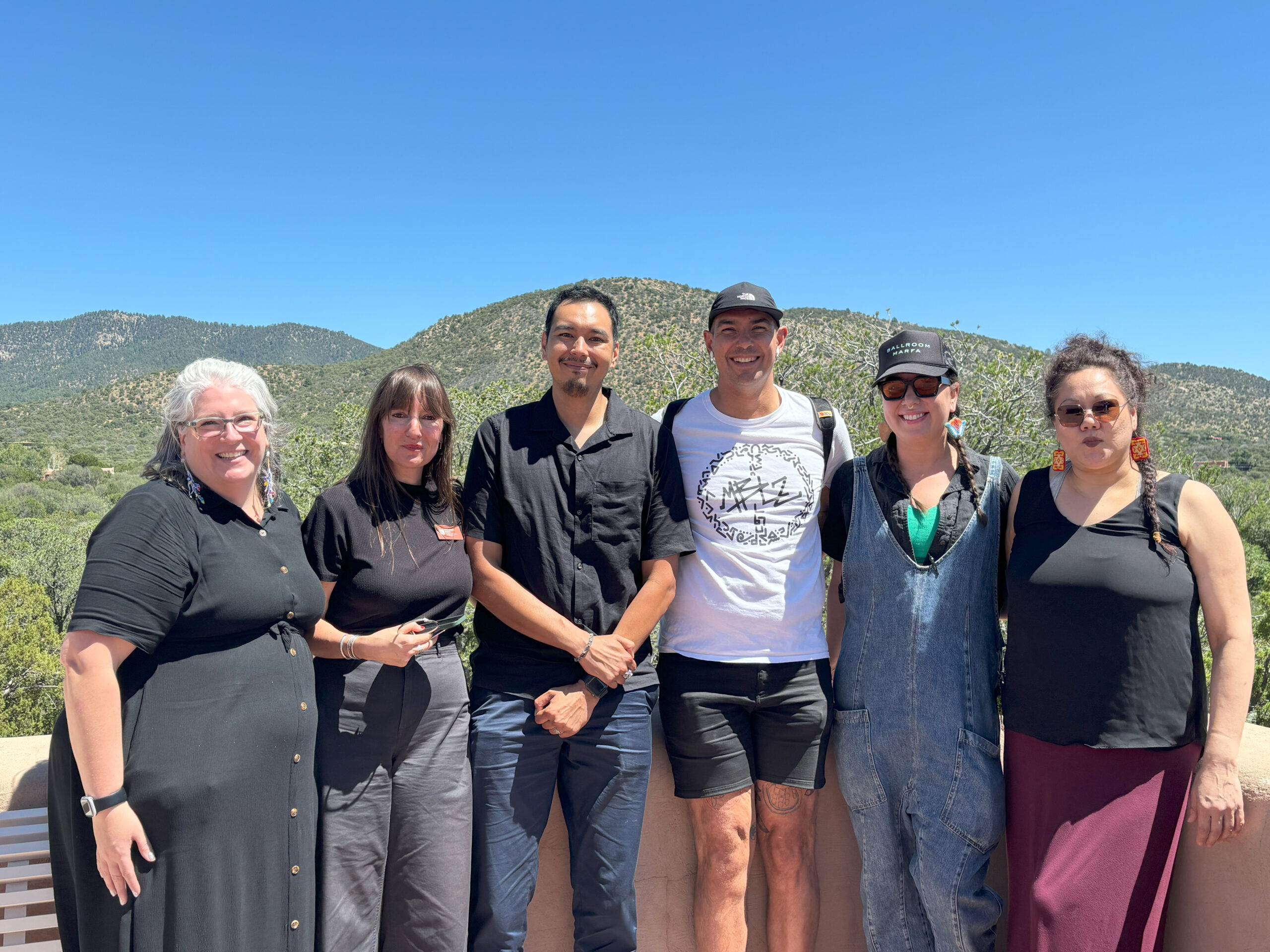
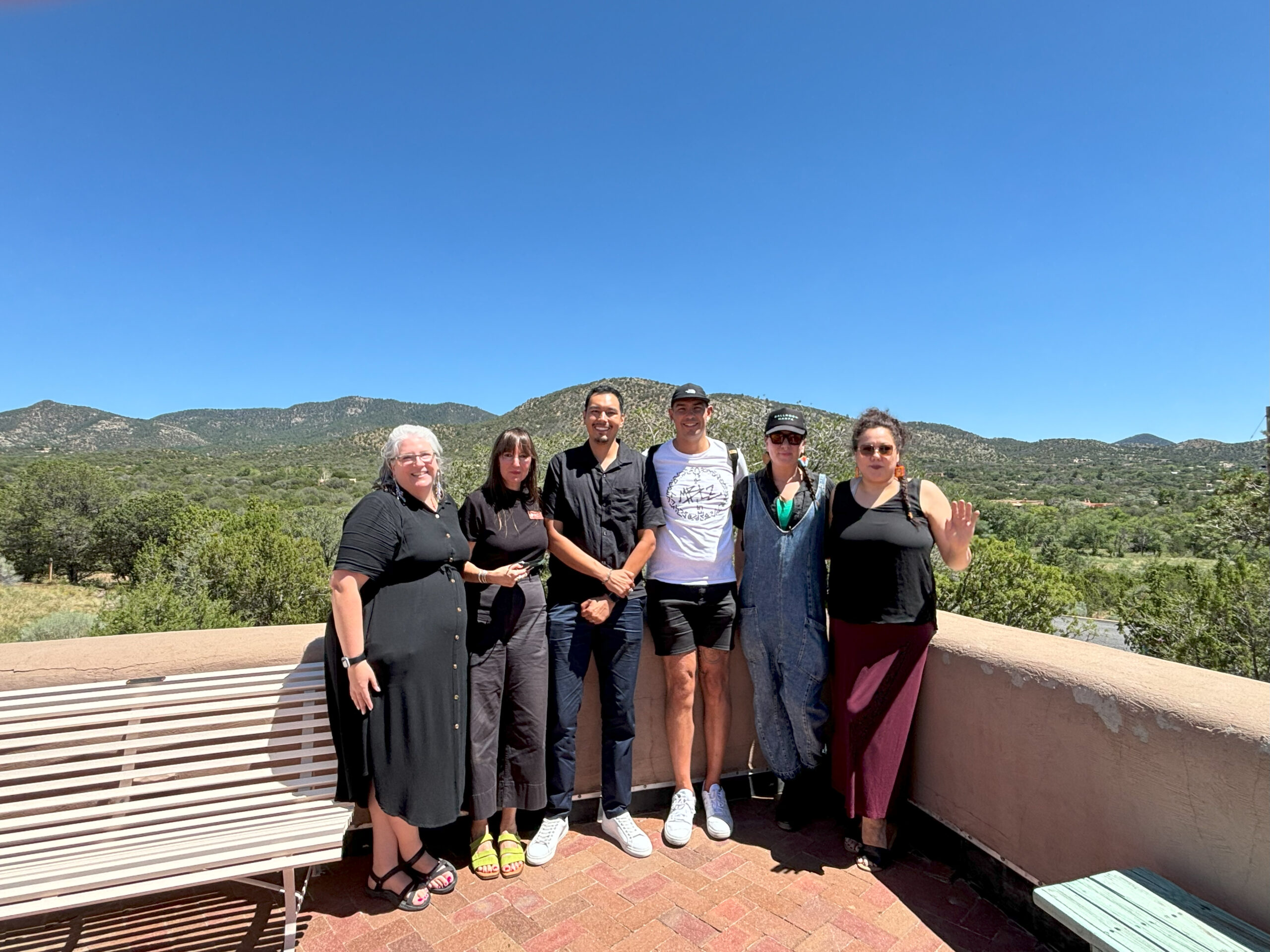
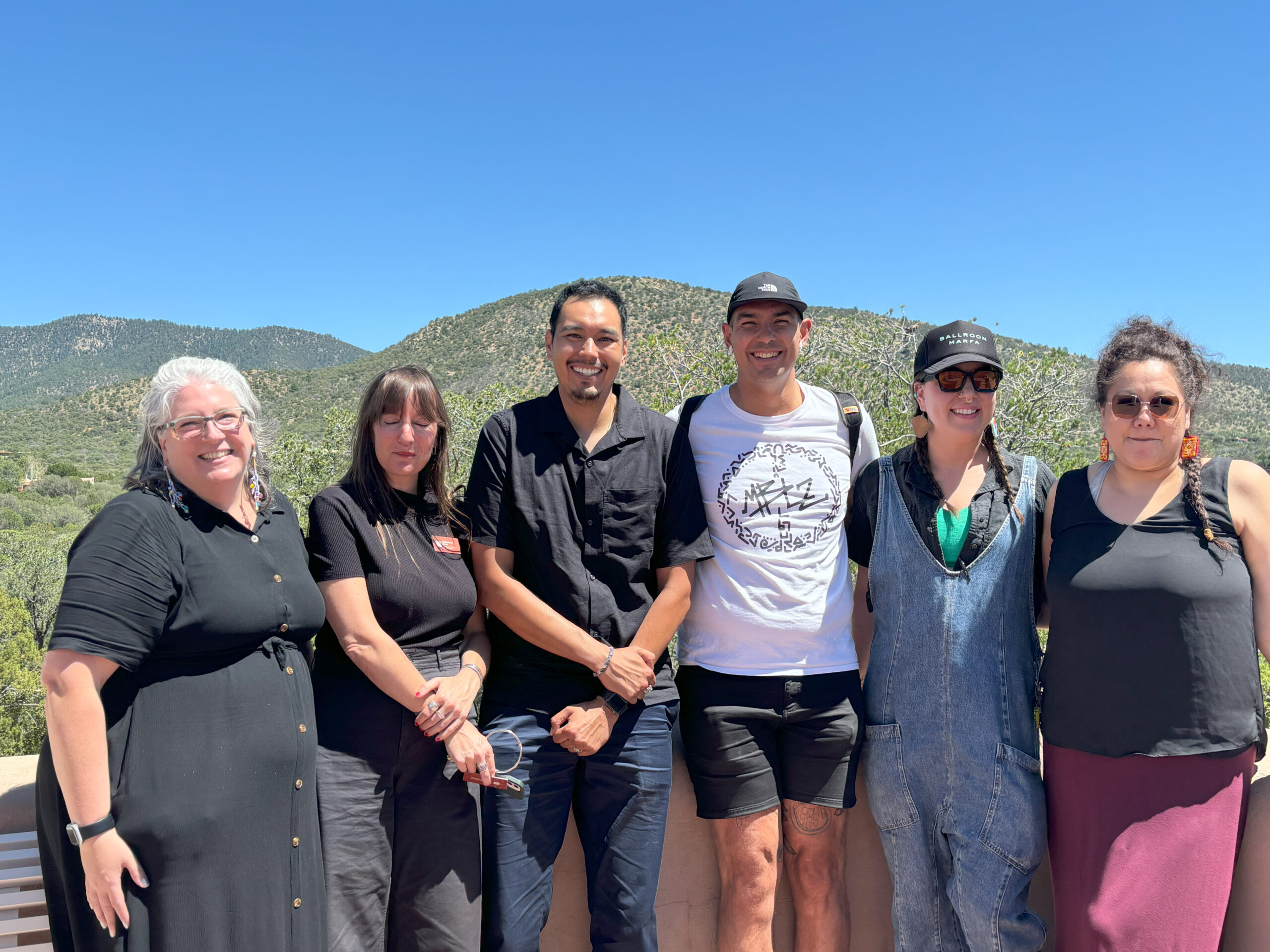
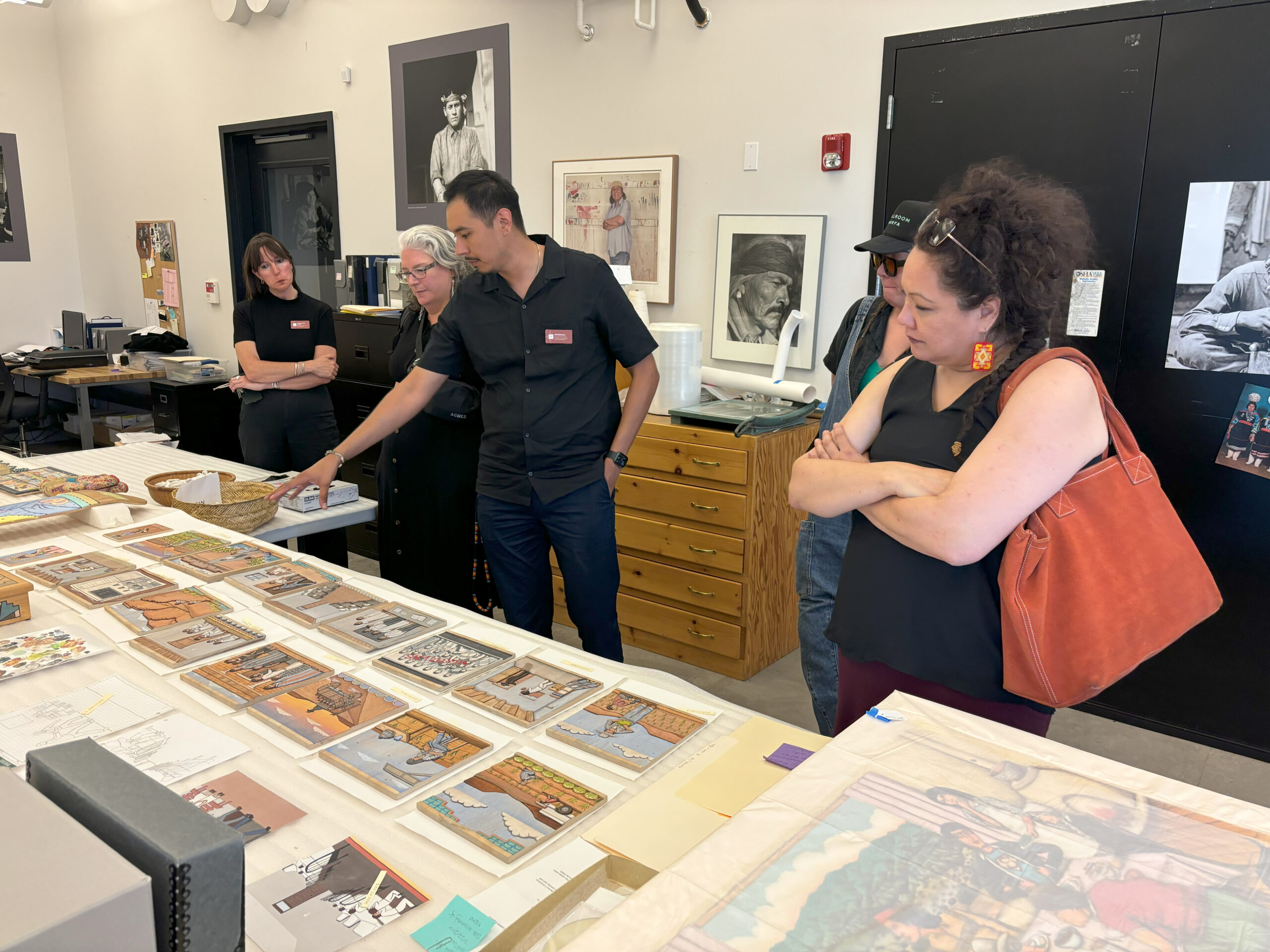
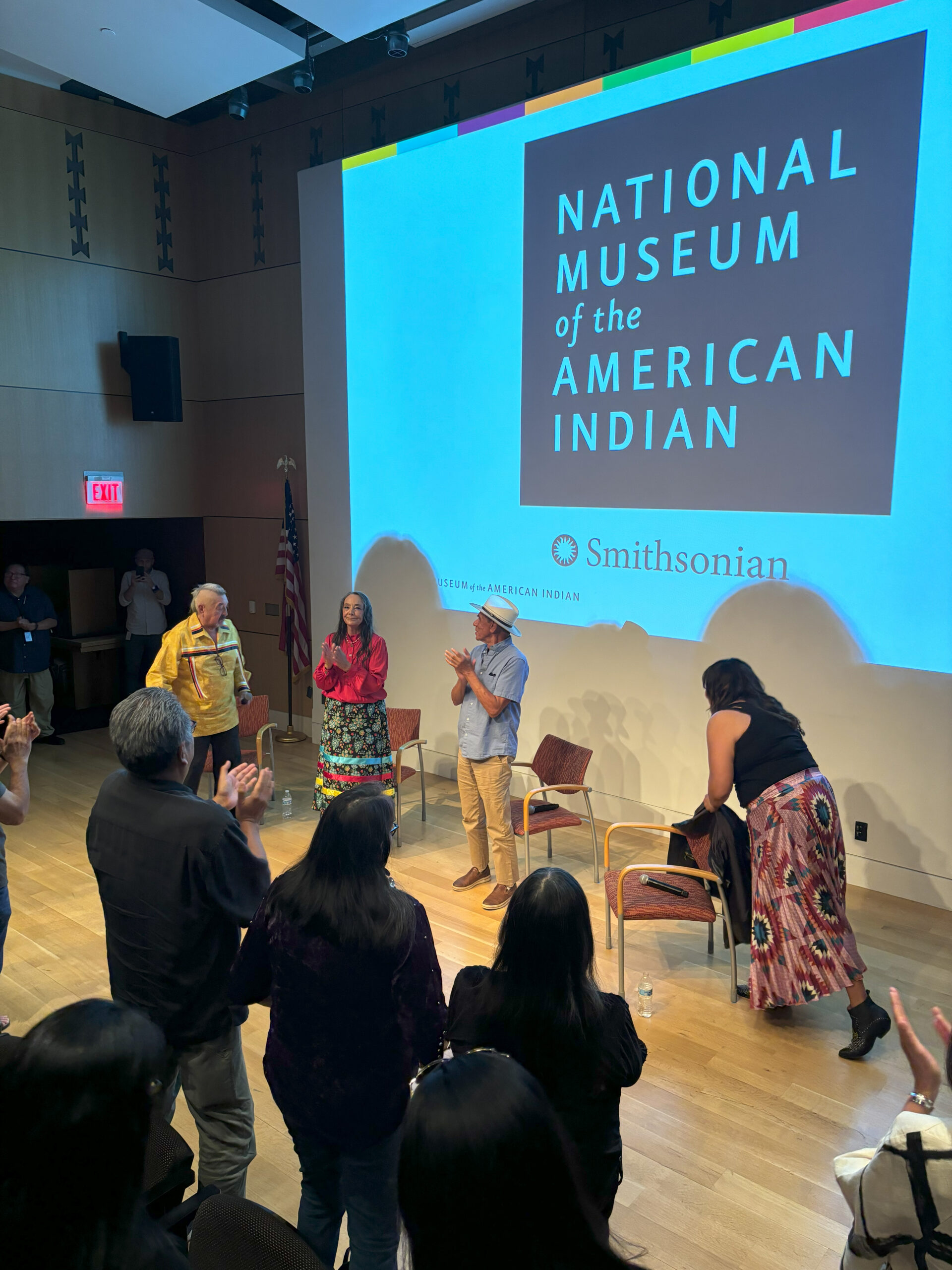
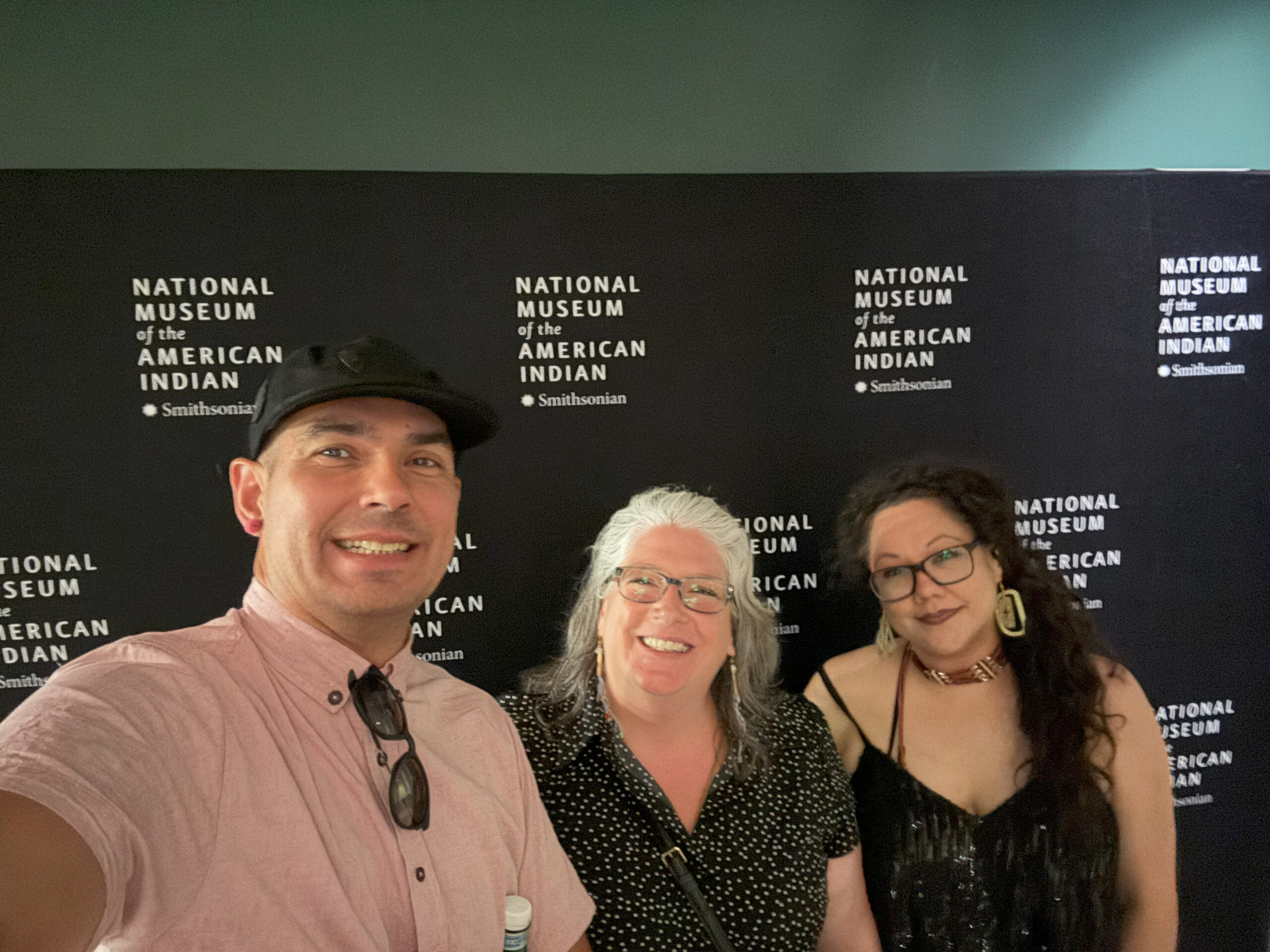
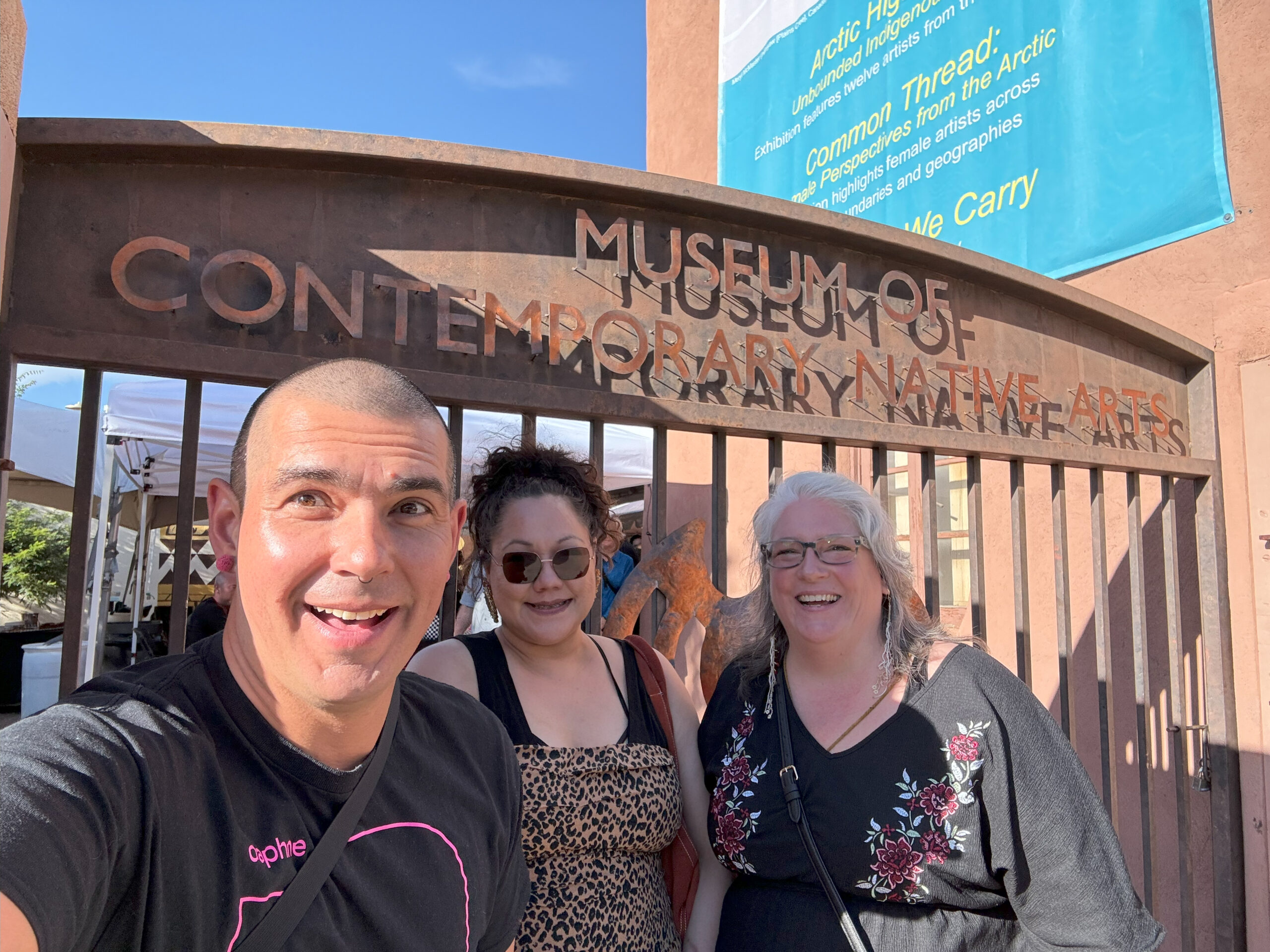
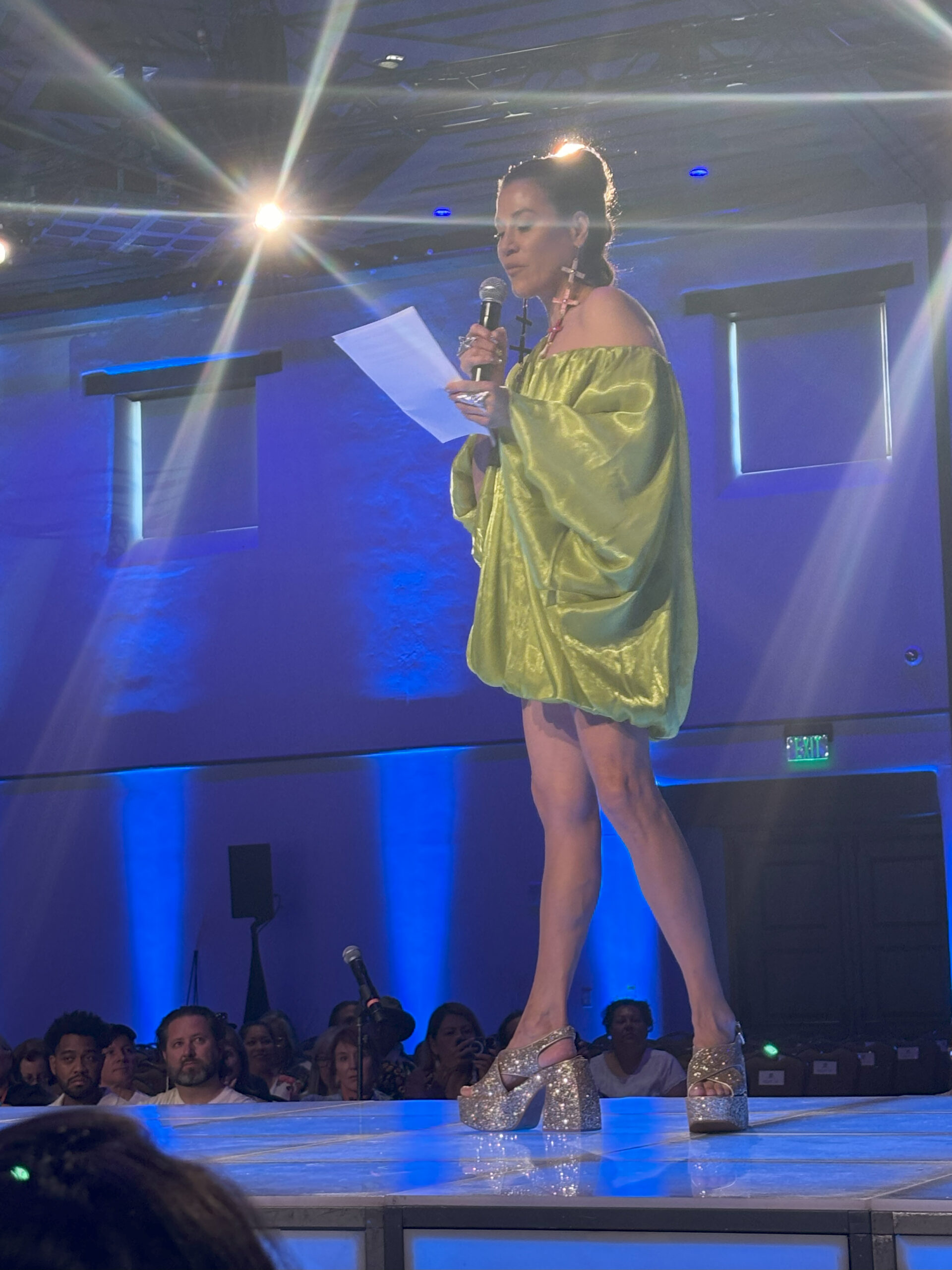
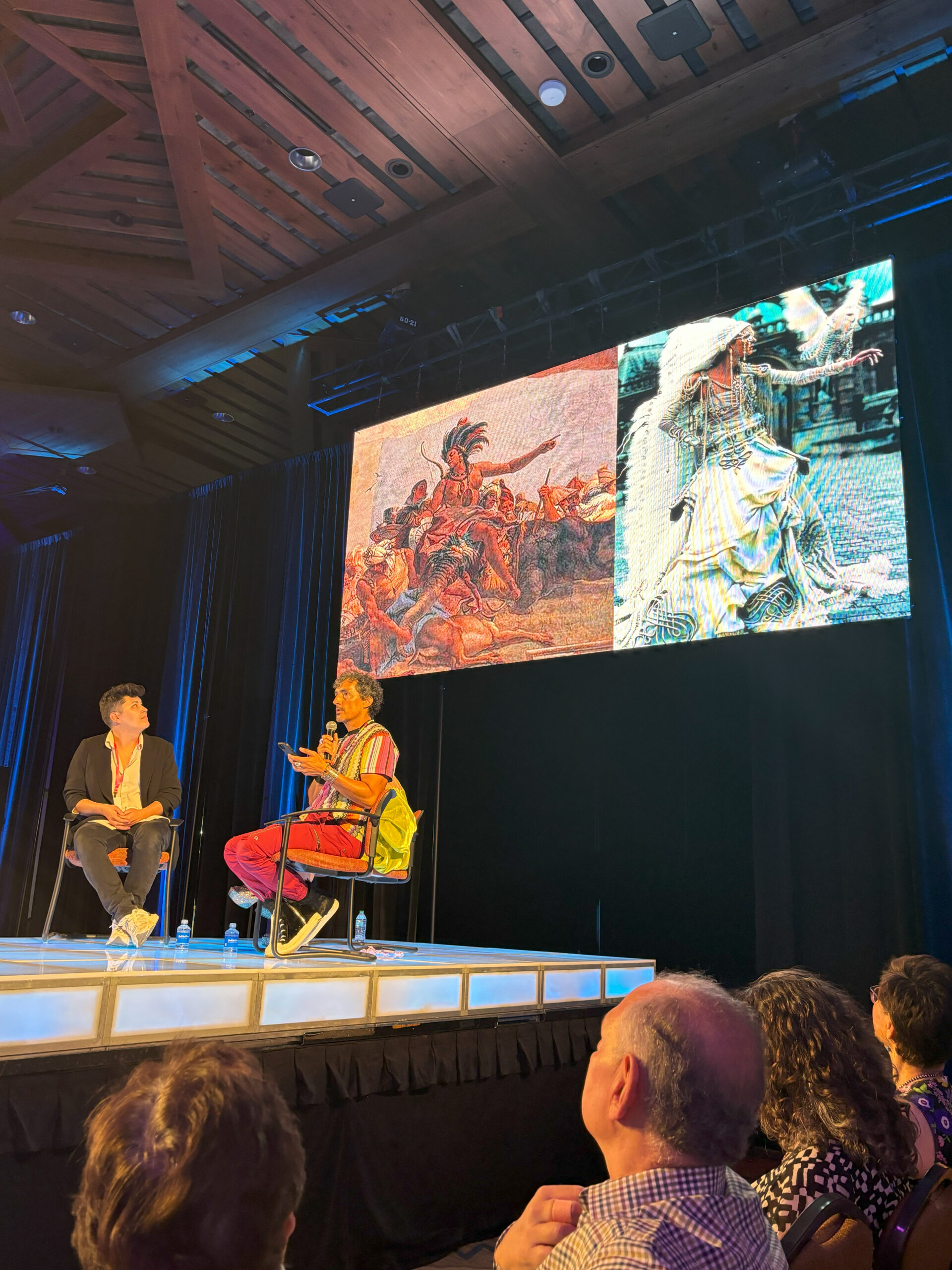
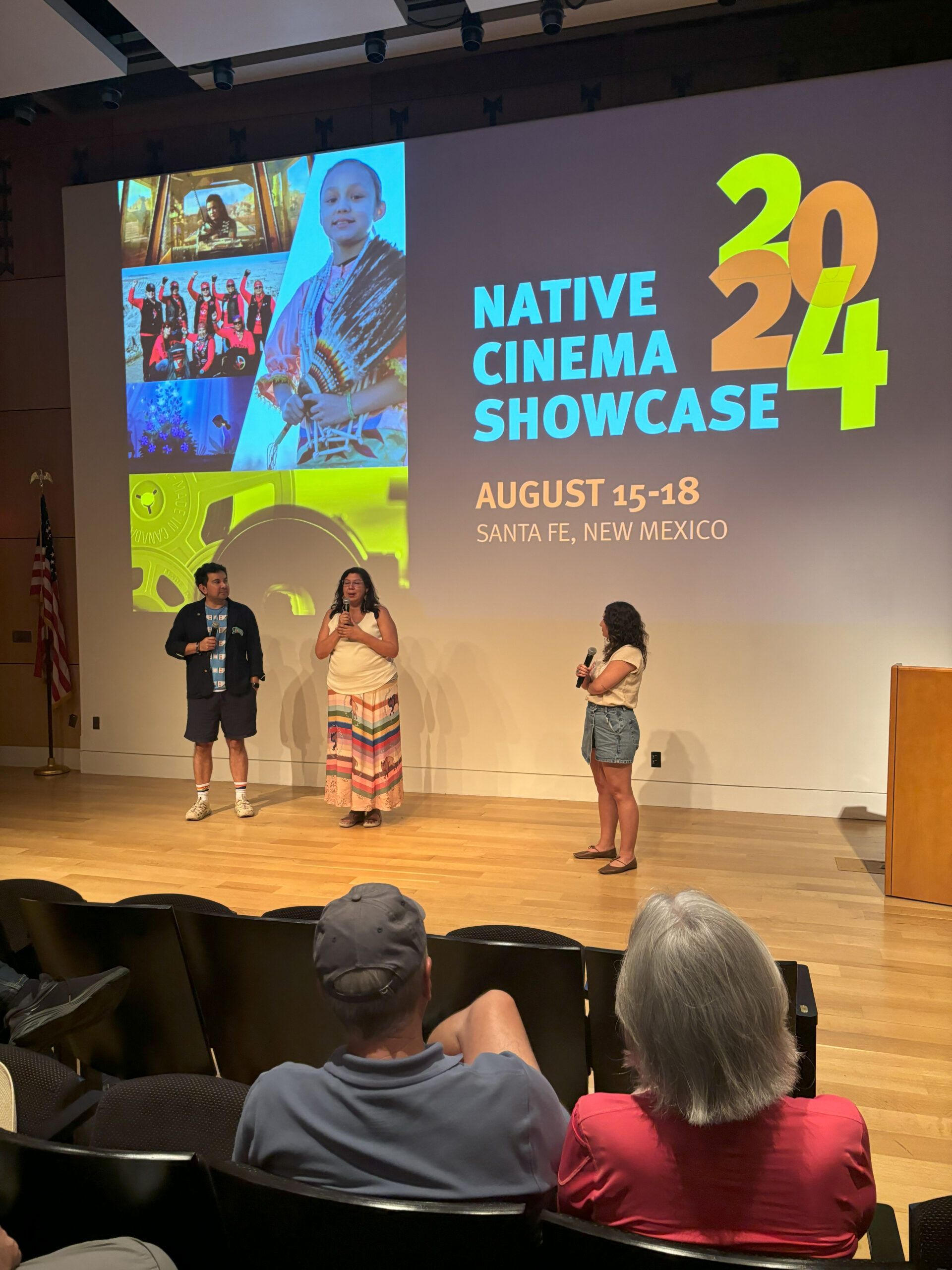
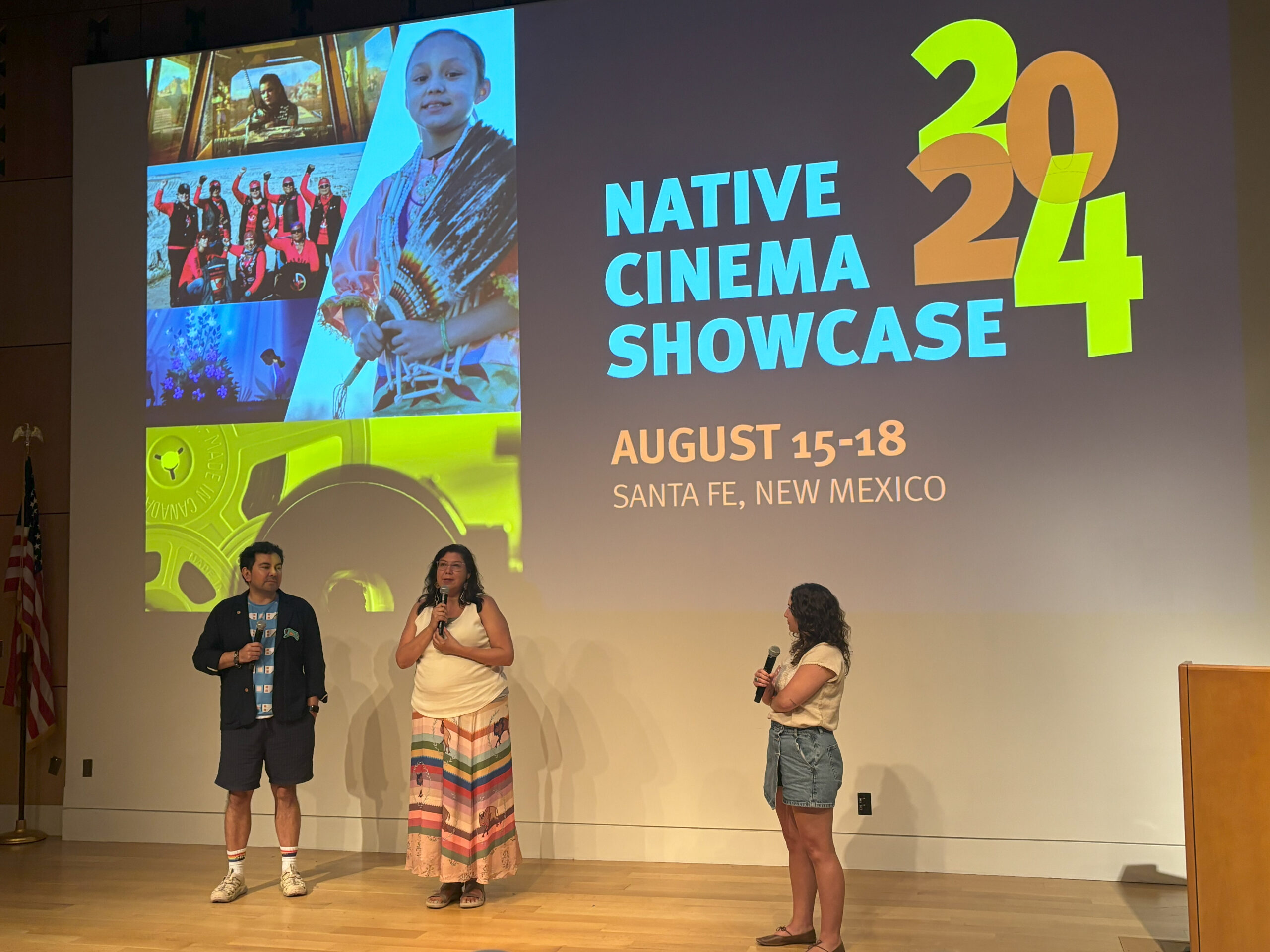
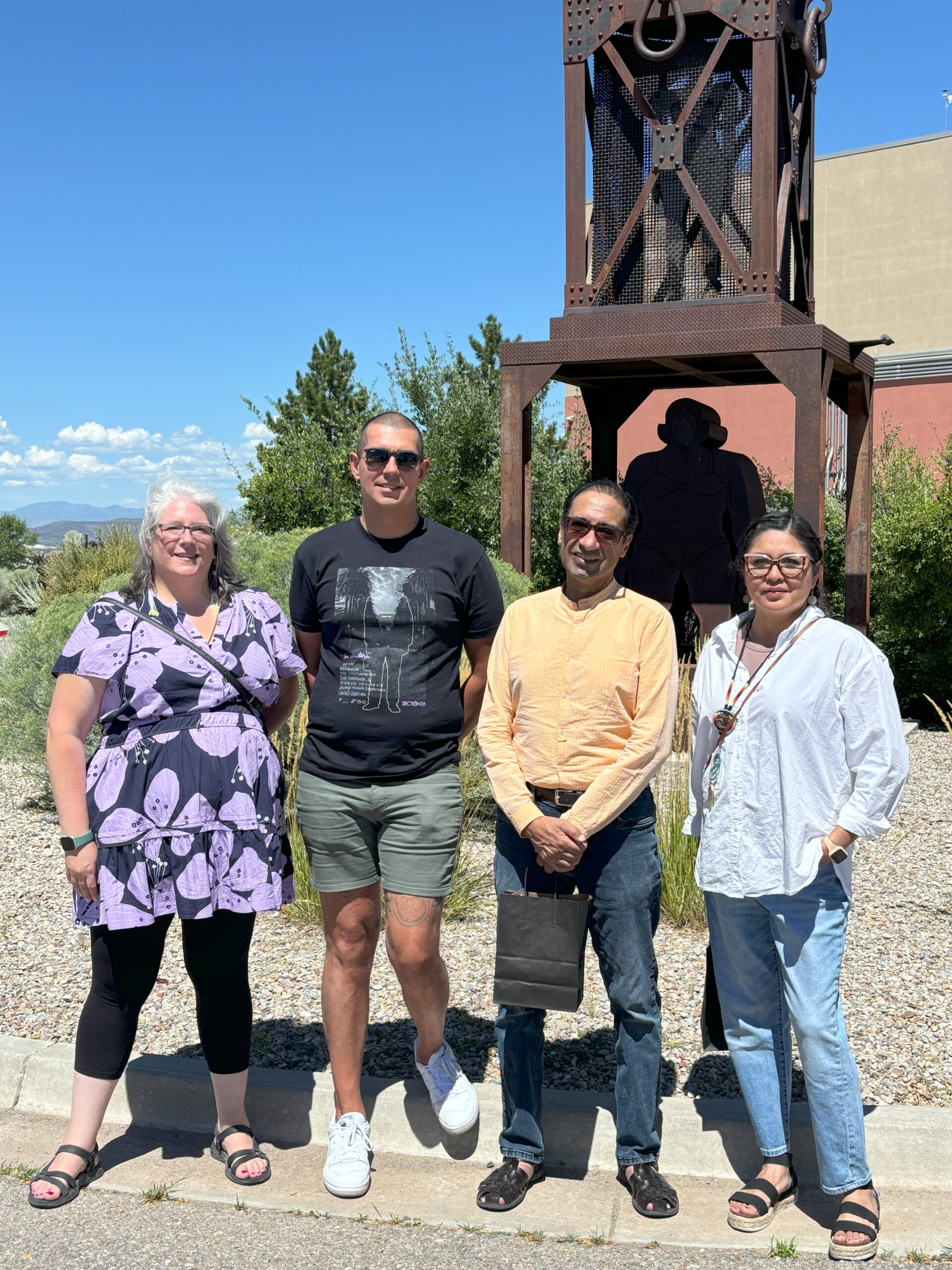
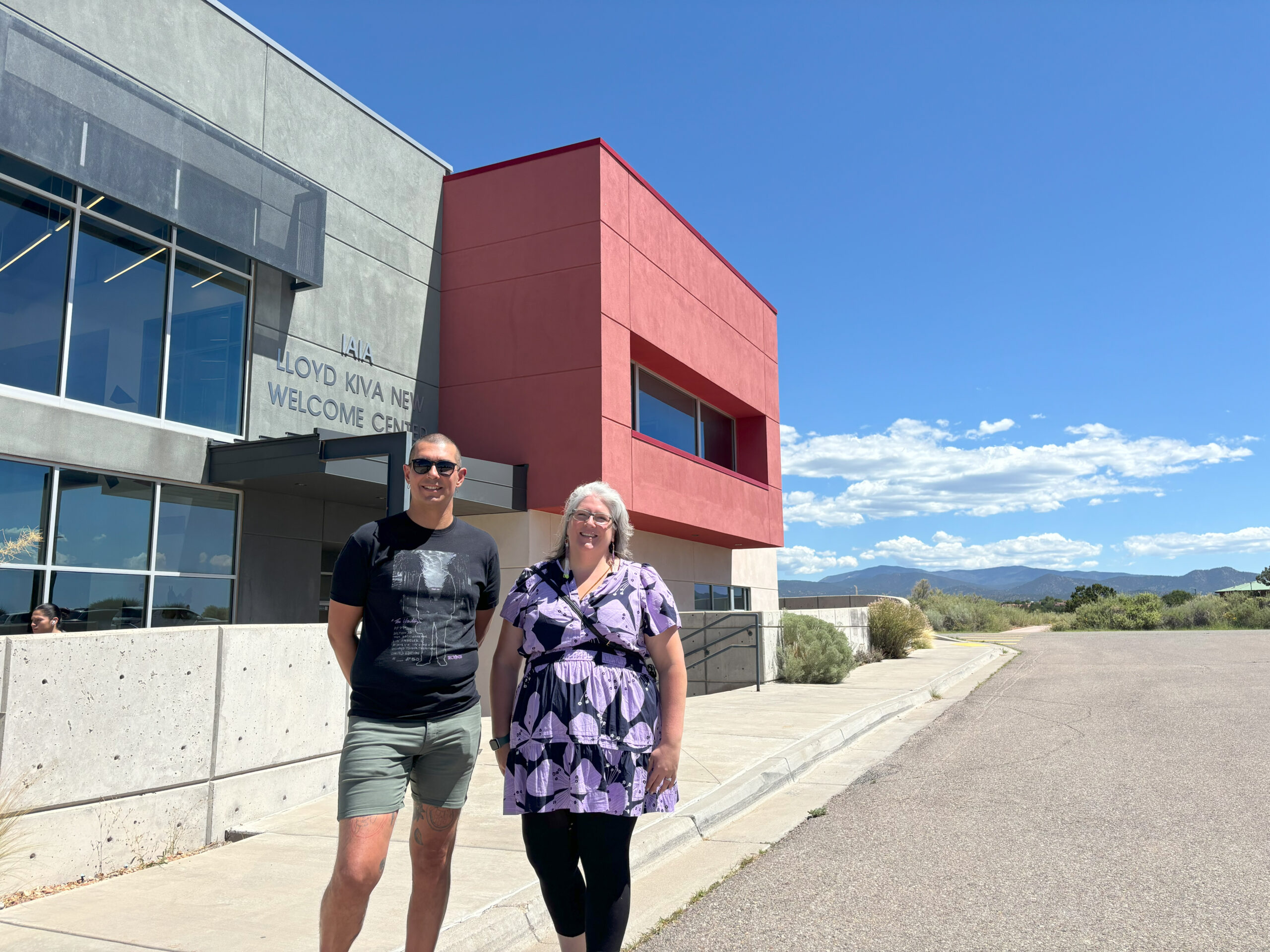
Meet the Santa Fe Delegates
 Linda Grussani (Kitigan Zibi Anishinabeg/Italian ancestry) is a curator, art historian, and arts administrator born, raised, and living on Anishinàbe Akì in the Ottawa area. Over the past two decades, Grussani has dedicated her work to advancing Indigenous arts and culture, advocating for positive structural change, and promoting Indigenous cultural diplomacy. She has served in various roles, including as the Curator of Aboriginal Art at the Canadian Museum of History, Director of the Indigenous Art Centre for Crown-Indigenous Relations and Northern Affairs Canada, and several curatorial positions at the National Gallery of Canada. Grussani is a doctoral candidate in the Cultural Studies program at Queen’s University, focusing on research that examines the impact of recommendations, policies, and methodologies on Indigenous and institutional relationships in museums and galleries in Anishinàbe Akì over the past 50 years. In addition to her professional work, Grussani is actively involved in various boards and committees, including serving on the Board of Governors for Carleton University, the Inuit Art Foundation’s Board of Directors, and the Indigenous Advisory Circle of the Agnes Etherington Art Gallery at Queen’s University. She is also a member of the Indigenous Archives Gathering Steering Committee for Archive/Counter-Archive at York University and the North American Cultural Diplomacy Initiative at Queen’s University. As an independent curator, her current project is a two-part exhibition series titled Mawadishiwewin (Visits). This series features solo exhibitions of the work of artists Taqralik Partridge and Jean Marshall and will be exhibited at Onsite Gallery (OCAD U) throughout 2024.
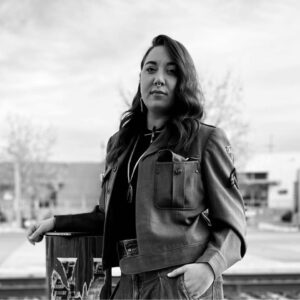 Jaime Herrell (Enrolled Cherokee Nation/European), currently based in Santa Fe, NM, has a career and education journey that spans roles in historic museums, nationally renowned institutions, and direct work with distinguished Native and non-Native artists, along with immersion in significant cultural centers, all of which contribute to a broad spectrum of expertise. Jaime specializes in Native and Indigenous curatorial development, collections advisory and care, cultural heritage education, archaeological and paleontological excavation and care, archival management, and educational programming, among other areas. This unconventional career path reflects a passion for navigating complex encounters while implementing strategic, solution-focused approaches.
In 2022, Jaime became the inaugural Institute of American Indian Arts Curatorial Intern at the Crystal Bridges Museum of American Art, concentrating on contemporary Native and Indigenous curation and representation. Jaime has independently curated exhibitions at prestigious institutions such as the Museum of Contemporary Native Arts (MoCNA), the Balzer Contemporary Edge Gallery, and recently organized a new media exhibition for the Carl and Marilynn Thoma Found
 Lorilee Wastasecoot is an Ininew iskwew (Cree woman) with roots from Peguis First Nation and York Factory in northern Manitoba. She grew up in Winnipeg and relocated to lək̓ʷəŋən territory now known as Victoria, BC in 2010. She has worked at the Legacy Art Gallery since 2016 and she was given the inaugural title of Curator of Indigenous Art and Engagement in 2021. She has curated major exhibitions such as We Carry Our Ancestors (2019), On Beaded Ground (2021) and Francis Dick’s Walking Thru My Fires (2023). Lorilee works with the University’s art collections and engages with Indigenous artists and communities, ensuring that Indigenous voices are respectfully represented at Legacy through programming, and outreach. She is a member of UVic’s repatriation advisory committee. Her practice is based upon collaboration and acts of care when working with Indigenous artists and communities. She is particularly drawn to historic and contemporary art practices of Indigenous women and the rematriation of Indigenous belongings within the University’s art collection. As an emerging curator, Lorilee is invested in fostering healthy communities through art with the artistic practices of Indigenous people as her focus. She is currently serves as the President of the Board for Open Space Arts Society and a delegate for the Indigenous Curatorial Collective Delegation Program. Additionally, she has been selected to be part of the 2024-25 cohort for the Professional Alliance for Curators of Color Mentorship Program offered through the Association of Art Museum Curators (AAMC).
Delegations
Delegations
The ICCA Delegations Initiative aims to foster international collaboration and cultural exchange by selecting a group of delegates to participate in various global engagements. These engagements are carefully selected to align with the goals and objectives of the ICCA, with the intention of sharing knowledge, experiences, and innovative practices.
The ICCA Delegations Initiative is a comprehensive program designed to promote international collaboration and cultural exchange. By meticulously planning each delegation and providing robust support to delegates, ICCA ensures a meaningful and impactful experience for all participants. The long-term vision of forming a panel and presenting at conferences underscores ICCA’s commitment to sharing knowledge and fostering global connections.